Turmeric: The Comprehensive Guide to Its Benefits and Role in Supporting the Body and Combating Inflammation
Turmeric: The Comprehensive Guide to Its Benefits and Role in Supporting the Body and Combating Inflammation
Turmeric is one of the most famous spices with health benefits, known for containing the compound "curcumin," which is studied for its properties related to combating inflammation and supporting overall health.
In this guide, we will review the benefits of turmeric, how it works in the body, its most important uses, as well as its role with black pepper and important precautions.
What is Turmeric and Why Is It Widely Used for Health
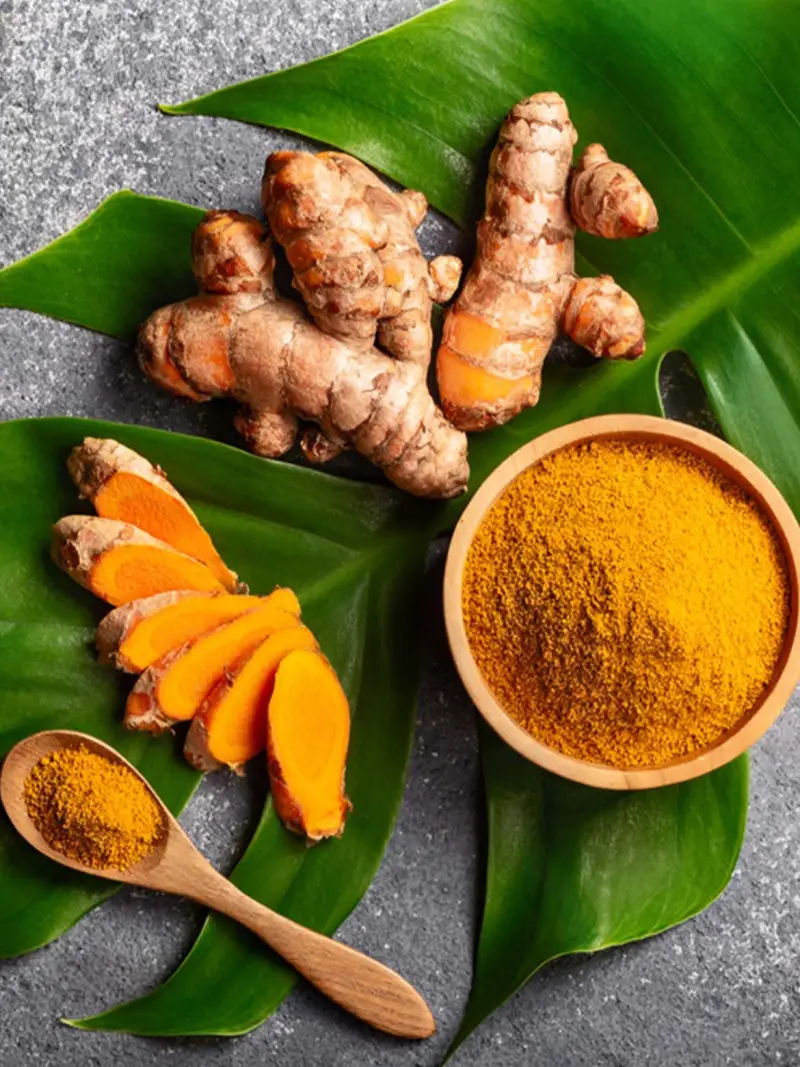
Turmeric is a root plant that is dried and ground into a golden powder, used in cooking and traditional medicine for thousands of years.
- Contains the active compound curcumin
- Used as a natural anti-inflammatory
- Incorporated into nutrition and health supplements
How Turmeric Works in the Body or at the Functional Level
Turmeric works through the compound curcumin, which may help in:
- Reducing inflammatory responses in the body
- Supporting natural antioxidants
- Contributing to protecting cells from oxidative stress
The Most Common Benefits of Turmeric
- Joint Support: Turmeric for joints is used to alleviate stiffness and discomfort
- Anti-inflammatory: Helps reduce mild chronic inflammation
- Digestive Support: May contribute to improving the digestive process
- Antioxidants: Supports cell protection
Common Uses of Turmeric in Daily Routine
- Adding it to food (curry, soups)
- Drinking it as a warm beverage
- Using it as a dietary supplement
Does the Effectiveness of Turmeric Vary by Form Used?
Yes, effectiveness varies by form:
- Powder: Daily dietary use
- Extracts: Higher concentration of curcumin
- Capsules: Precise dosages
Best Ways to Use Turmeric According to Purpose
- For Inflammation: Use concentrated supplements
- For Joints: Regular use with food or supplements
- For General Support: Add it to food daily
It is preferable to use turmeric with black pepper as it may help improve the absorption of curcumin.
When Might Using Turmeric Be Appropriate?
- In cases of mild or chronic inflammation
- To support joint health
- As part of a healthy dietary pattern
What Should Be Considered Before Taking Turmeric?
- Avoid excessive dosages
- Consider gallbladder or stomach issues
- Consult a specialist in chronic cases
Key Interactions or Precautions Related to Turmeric
- May interact with blood-thinning medications
- May cause gastrointestinal disturbances if taken excessively
- Not suitable in high doses for some gallbladder patients
It is important to be aware of the side effects of turmeric when used excessively or inappropriately.
How to Choose a Good Turmeric Product if Available as a Supplement
- Choose products with a clear curcumin content
- Preferably with a formulation that includes black pepper
- Ensure quality manufacturing
Frequently Asked Questions About Turmeric
What Are the Main Benefits of Turmeric?
The benefits of turmeric include joint support, reducing inflammation, and providing antioxidants.
Is Turmeric Beneficial for Joints?
Yes, turmeric for joints is used to alleviate stiffness and discomfort.
Should It Be Taken with Black Pepper?
Yes, because turmeric with black pepper improves absorption.
Does It Have Side Effects?
Yes, side effects of turmeric may occur with excessive use, such as stomach disturbances.
Conclusion
Turmeric is one of the most important health-supporting spices, especially in combating inflammation and supporting joints. With its numerous benefits of turmeric, moderate and thoughtful use is key to achieving the best results.