Uric Acid Stones and Calcium Oxalate Stones: What is the Role of Potassium Citrate?
Uric Acid Stones and Calcium Oxalate Stones: What is the Role of Potassium Citrate?
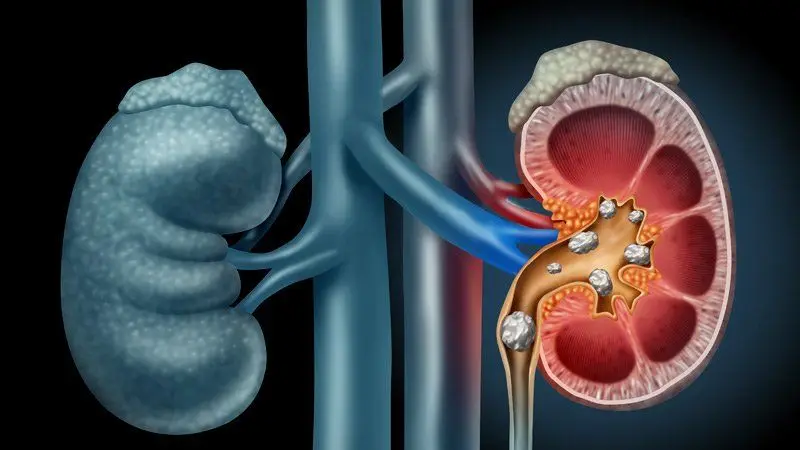
Kidney stones are one of the most common problems of the urinary system, with many people suffering from the formation of uric acid stones or calcium oxalate stones. Multiple factors play a role in the formation of these stones, with the nature and chemical composition of urine being among the most important. In this context, the role of potassium citrate and kidney stones emerges as one of the supportive solutions for prevention and reducing recurrence, especially through products like PERAL.
In this article, we will review the common types of stones, the differences between them, and how potassium citrate can help improve kidney health and reduce the risk of stone formation.
What are the Most Common Types of Stones?
The types of kidney stones vary based on their chemical composition, but the most prevalent are:
- Calcium Oxalate Stones: These are the most common and form as a result of the union of calcium with oxalate in urine.
- Uric Acid Stones: These form when urine is excessively acidic, leading to the precipitation of uric acid.
Other less common types include:
- Phosphate stones.
- Struvite stones associated with infections.
Common factors for stone formation include:
- Low water intake.
- Unbalanced diet.
- Metabolic disorders.
- Family history of stone disease.
How Do Uric Acid Stones Differ from Calcium Oxalate Stones?
Although both types cause severe pain, there are fundamental differences:
- Uric Acid Stones:
- Form in an acidic urine environment.
- Associated with elevated uric acid levels in the blood.
- May be linked to gout.
- Calcium Oxalate Stones:
- Form due to increased calcium or oxalate in urine.
- Do not solely depend on urine acidity.
- More common than others.
Understanding this difference is important, as the prevention methods differ, and this is where potassium citrate and kidney stones come into play in addressing both types through different mechanisms.
How is Urinary Citrate Related to Stone Formation?
The substance "citrate" plays a natural role in the body in preventing stone formation. It:
- Binds with calcium in urine and prevents its precipitation.
- Reduces the formation of calcium oxalate stones.
- Contributes to increasing urine alkalinity.
When citrate levels in urine are low (Hypocitraturia), the risk of stone formation significantly increases.
Tips to Naturally Increase Citrate Levels:
- Consume citrus fruits such as lemons and oranges.
- Drink water regularly.
- Reduce salt intake.
What is the Role of Potassium Citrate?
This is where the important role of potassium citrate and kidney stones comes in, as it is used as an effective dietary supplement to improve the urinary environment.
PERAL contains potassium citrate and works to:
- Increase urine alkalinity (Urinary alkalizer).
- Reduce the formation of uric acid stones by dissolving them.
- Bind with calcium and reduce calcium oxalate stones.
- Improve kidney health and reduce stone recurrence.
- Help reduce recurrent urinary tract infections.
Simplified Mechanism of Action:
- Absorbed in the digestive system.
- Transports to the kidneys via the bloodstream.
- Excreted in urine where it increases urine alkalinity.
Usage Instructions:
- One packet daily.
- Dissolved in water.
- For adults only.
Important Warnings:
- Consult a doctor before use.
- Caution in kidney patients.
- Monitor potassium levels.
- Maintain good hydration.
When Does a Patient Need Specialized Evaluation?
Despite the effectiveness of preventive solutions, some cases require specialized medical evaluation:
- Continuous recurrence of stones.
- Severe pain in the flank or abdomen.
- Presence of blood in urine.
- Obstruction in the urinary tract.
- No improvement with supplements like PERAL.
In these cases, the doctor may need to conduct additional tests or prescribe medications or other interventions.
Frequently Asked Questions (FAQ)
What is the difference between uric acid stones and calcium oxalate stones?
Uric acid stones form in acidic urine, while calcium oxalate stones result from increased calcium or oxalate, each having a different mechanism of formation.
How do potassium citrate and kidney stones help?
Potassium citrate and kidney stones work to reduce stone formation by increasing urine alkalinity and binding with calcium, preventing precipitation.
Is PERAL effective in preventing stones?
Yes, PERAL helps reduce the formation of uric acid stones and calcium oxalate stones by improving the urinary environment.
Can potassium citrate be used daily?
It can be used daily in specified doses, but it is advisable to consult a doctor, especially for kidney patients or those taking other medications.
Conclusion
Uric acid stones differ from calcium oxalate stones in terms of causes and mechanisms, but both can be prevented by improving the urinary environment.
Potassium citrate and kidney stones play a pivotal role in:
- Increasing urine alkalinity.
- Reducing calcium and uric acid precipitation.
- Preventing stone recurrence.
PERAL is an effective supportive option, but it should be used as part of a healthy lifestyle and under medical supervision when needed.