Vitamin B5: Daily Dose, Absorption, and Best Timing for Intake
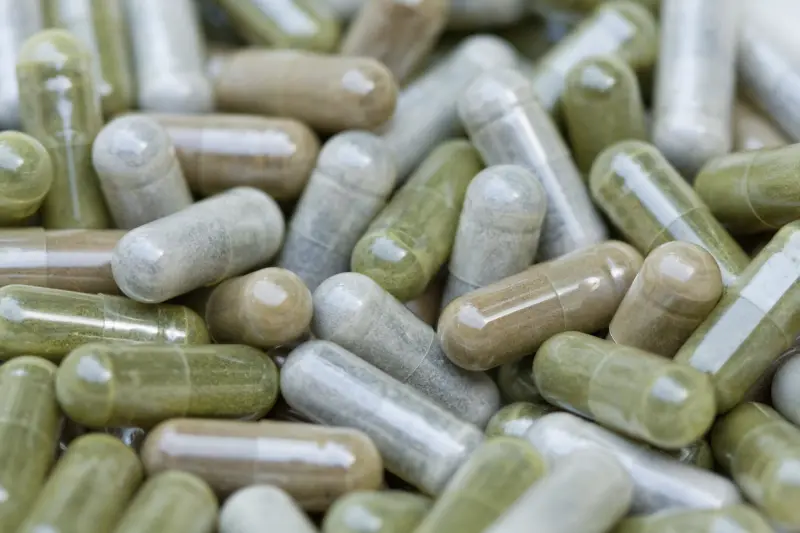
Vitamin B5 is a water-soluble vitamin that plays a crucial role in metabolic processes and energy production, as well as in the formation of fats and collagen. Although deficiency is rare, understanding the daily dosage, absorption methods, and the best times to take it can help maximize its benefits.
Recommended Daily Dose
The recommended daily dose of Vitamin B5 varies by age and health status: children aged 1 to 3 years need about 2 mg daily, children aged 4 to 8 years need 3 mg, and adolescents and adults over 14 years need 5 mg, while the dose for pregnant women reaches 6 mg. It is worth noting that most people easily meet their daily needs through a balanced diet rich in eggs, meats, whole grains, vegetables, and fruits.
Best Times to Take Vitamin B5
Since it is water-soluble, it can be taken at any time during the day, but it is preferable to take it with meals to reduce stomach upset. If it is part of a B-complex vitamin supplement, it can be taken with breakfast or lunch to avoid any impact on sleep for some individuals.
Absorption Methods of Vitamin B5
- It is absorbed in the small intestine.
- Absorption is generally good and is not significantly affected by age or a moderate diet.
- In cases of severe digestive issues or inflammatory bowel diseases, absorption may decrease, and the individual may need medical follow-up.
Factors That May Affect Absorption
- Deficiency of zinc or calcium: may slightly reduce absorption.
- Exposure to high heat during cooking: may reduce the Vitamin B5 content in food, so light cooking or steaming is preferred.
Dietary Sources of Vitamin B5
- Meats and poultry: chicken, red meat, liver.
- Eggs and dairy products.
- Whole grains and legumes: oats, beans, lentils.
- Vegetables and fruits: potatoes, avocados, broccoli, tomatoes.
Incorporating a variety of food sources ensures that daily needs are met without the need for supplements, except in cases of proven deficiency.
Do We Need Vitamin B5 Supplements?
In most cases, there is no need for Vitamin B5 supplements, as deficiency is very rare. Supplements are only useful in cases of:
- Severe malnutrition
- Bowel diseases that reduce absorption
- Some medical conditions that require higher doses (under medical supervision)
Conclusion
- Vitamin B5 is an essential nutrient for energy production, metabolism, and skin and hair health.
- The daily dose for adults: 5 mg, increasing for pregnant or breastfeeding women.
- It is well absorbed in the small intestine and is best taken with food.
- Natural dietary sources are often sufficient to meet daily needs.
- Supplements are used only in cases of deficiency or special medical needs.