VITAMIN K2 Sachets: Heart and Bone Health Support
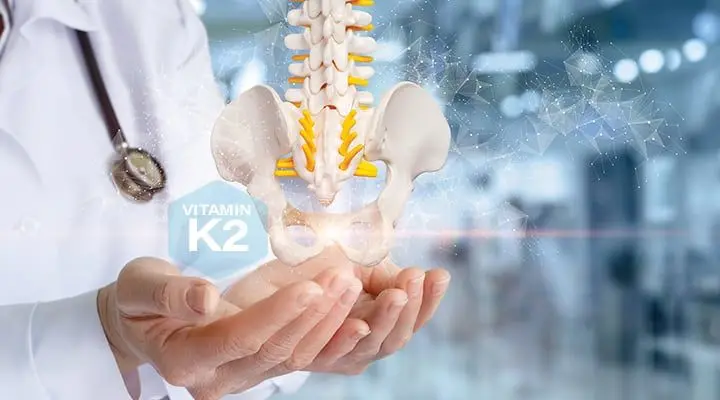
Vitamin K2 is a form of vitamin K, a fat-soluble vitamin involved in several important biological functions. It is best known for helping activate proteins related to normal blood clotting, bone metabolism, and calcium regulation in the body.
Interest in vitamin K2 has grown because of its potential role in supporting bone health and vascular function. However, it is important to describe it accurately: vitamin K2 may support normal body processes, but it is not a treatment for osteoporosis, does not guarantee protection from heart disease, and should not be used randomly with blood-thinning medications.
What Is Vitamin K2?
Vitamin K2, also called menaquinone, is one of the main forms of vitamin K. Vitamin K1 is mainly found in green leafy vegetables, while vitamin K2 is found in certain animal-based and fermented foods. Some gut bacteria may also produce small amounts of vitamin K2, but this varies from person to person.
To understand where vitamin K2 fits within essential nutrition, you can start with Vitaminati’s guide to vitamins, then explore natural sources of vitamin K to compare different food sources.
How Does Vitamin K2 Work in the Body?
Vitamin K2 works by helping activate vitamin K-dependent proteins. These proteins need a biological process called carboxylation before they can function properly. Once activated, they help perform roles related to blood clotting, bone metabolism, and calcium regulation.
- It helps activate proteins involved in normal blood clotting.
- It supports activation of osteocalcin, a protein linked to bone metabolism.
- It is involved in proteins studied for their role in vascular health and calcium regulation.
- It works as part of a wider nutrition and health system, not as a standalone solution.
Vitamin K2 Benefits for Bones
The discussion around vitamin K2 benefits for bones is mainly linked to osteocalcin, a protein involved in calcium use within bone tissue. When vitamin K-dependent proteins are properly activated, they can participate more effectively in normal bone metabolism.
However, this does not mean that vitamin K2 alone treats osteoporosis or prevents fractures. Bone health depends on several factors, including diet quality, physical activity, protein intake, calcium intake, hormone status, age, medications, and chronic health conditions.
If someone has low bone density or osteoporosis, medical evaluation and appropriate testing are essential. Supplements should be considered supportive tools only when they fit the person’s overall health plan.
Vitamin K2 and Heart Health
Many people search for vitamin K2 for heart health because of its possible role in activating Matrix Gla Protein, a vitamin K-dependent protein studied in relation to calcium regulation in blood vessels. This does not mean vitamin K2 treats arterial calcification or prevents heart disease.
A more accurate way to phrase it is that vitamin K2 is involved in biological pathways related to calcium regulation and vascular health. However, clinical evidence is not strong enough to present it as a proven cardiovascular treatment or guaranteed prevention strategy.
MK-4 vs MK-7: What Is the Difference?
When reading vitamin K2 supplement labels, you may see names such as MK-4 and MK-7. Both are forms of menaquinone, but they differ in food sources, how long they remain in the body, and how they are commonly used in supplements.
- MK-4: Found in some animal-based foods and used in some studies at specific doses.
- MK-7: Commonly found in fermented foods such as natto and often used in supplements because it may remain in the body longer than some other forms.
Choosing between MK-4 and MK-7 should not depend on the name alone. Dose, product quality, health status, medications, and the reason for use all matter.
Natural Sources of Vitamin K2
Vitamin K2 sources differ from vitamin K1 sources. While K1 is abundant in leafy greens, K2 is more commonly associated with certain fermented and animal-based foods.
- Natto, a fermented soybean food and one of the richest sources of MK-7.
- Some fermented cheeses.
- Egg yolks.
- Liver and some animal-based foods.
- Some fermented dairy products, depending on how they are made.
If your diet does not include these foods, your vitamin K2 intake may be lower. Still, this does not automatically mean that every person needs a supplement, especially if they have a balanced diet and no clear absorption problems or medical risk factors.
Does Vitamin K2 Cause Blood Clots?
One of the most common search questions is: does vitamin K2 cause blood clots? Vitamin K is necessary for normal blood clotting, but that does not mean vitamin K2 automatically causes dangerous clots when used appropriately in healthy people.
The main concern is for people who take blood-thinning medications such as warfarin. Warfarin works by affecting the vitamin K pathway, so taking vitamin K2 supplements or suddenly changing vitamin K intake from food may interfere with the medication’s balance.
Who May Need to Pay More Attention to Vitamin K2?
Some people may be more interested in vitamin K2 than others, but that does not mean supplements are automatically necessary. Diet, health status, and medications should be considered first.
- People who rarely eat fermented foods or animal-based sources of K2.
- Older adults concerned about bone health as part of a wider health plan.
- People with fat malabsorption issues.
- People with a history of bariatric surgery or chronic digestive disorders.
- People taking blood thinners, who require special medical supervision.
Who Should Avoid Vitamin K2 or Ask a Doctor First?
- People taking warfarin or other blood-thinning medications.
- People with heart disease who take multiple medications.
- People with chronic liver or kidney disease.
- Pregnant or breastfeeding women, unless advised by a healthcare professional.
- People with unexplained bleeding or frequent bruising.
- People taking several supplements at the same time without guidance.
Best Time to Take Vitamin K2
Because vitamin K2 is fat-soluble, it is usually best taken with a meal that contains a moderate amount of healthy fat. Examples include meals containing olive oil, avocado, nuts, eggs, or other balanced fat sources.
There is no single required time of day for vitamin K2. Consistency matters more if supplementation has been recommended. Always follow the product label or your healthcare professional’s instructions, and avoid doubling the dose to “speed up” results.
How Long Does Vitamin K2 Take to Work?
Vitamin K2 does not provide an immediate energy boost and does not usually create a noticeable effect within a few days. If the goal is supporting bone metabolism or calcium-related pathways, these are long-term processes that may take months and depend on many factors beyond vitamin K2 alone.
If you have frequent bruising, bleeding, bone pain, or unexplained fatigue, do not wait for a supplement to “work.” These symptoms may have many causes and should be medically assessed.
FAQs
1. What is vitamin K2?
Vitamin K2 is a form of vitamin K, also known as menaquinone. It helps activate proteins involved in blood clotting, bone metabolism, and calcium regulation.
2. What are vitamin K2 benefits for bones?
Vitamin K2 helps activate osteocalcin, a protein involved in calcium use in bone tissue. However, it is not a replacement treatment for osteoporosis.
3. Is vitamin K2 good for heart health?
Vitamin K2 may be involved in calcium-regulation pathways related to vascular health, but evidence is not strong enough to consider it a treatment or guaranteed prevention method for heart disease.
4. What is the difference between MK-4 and MK-7?
MK-4 and MK-7 are both forms of vitamin K2. MK-4 is found in some animal-based foods, while MK-7 is commonly found in fermented foods such as natto and in many supplements.
5. What are the best sources of vitamin K2?
Good sources include natto, some fermented cheeses, egg yolks, liver, and certain animal-based or fermented foods.
6. Does vitamin K2 cause blood clots?
Vitamin K2 does not automatically cause blood clots when used appropriately, but it can interfere with warfarin and other blood-thinning medications.
7. What is the best time to take vitamin K2?
It is usually best taken with a meal that contains healthy fats because vitamin K2 is fat-soluble.
Conclusion
Vitamin K2 is an important form of vitamin K involved in activating proteins related to normal blood clotting, bone metabolism, and calcium regulation. It may also have a promising role in vascular-health research, but it should not be exaggerated as a treatment or guaranteed prevention method for heart disease.
The best approach is to get vitamin K from food when possible and use vitamin K2 supplements only when appropriate and safe. People who take warfarin or blood-thinning medications should not use vitamin K2 without medical supervision.