Vitamins to Boost Immunity During Ramadan
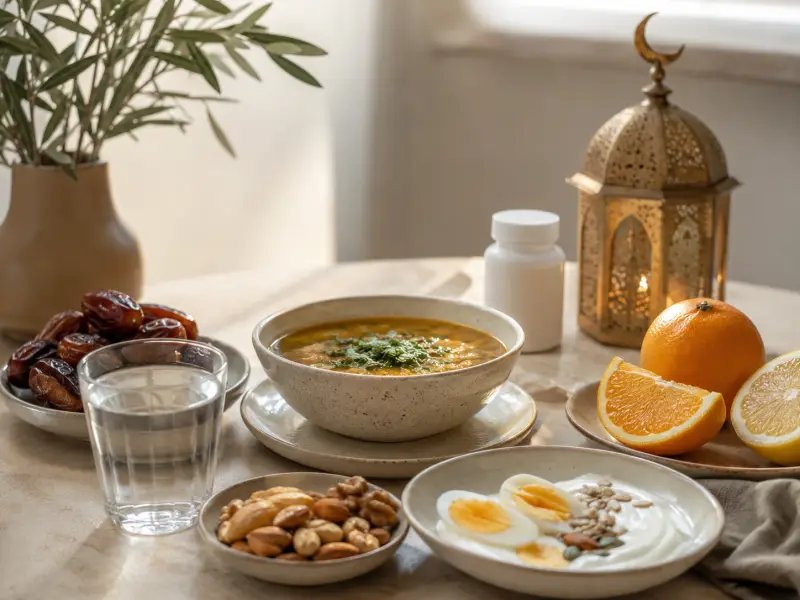
Vitamins for Immune Support During Ramadan: What Fasting Adults Really Need
Vitamins for immune support during Ramadan do not work like a shield that guarantees protection from infections. However, they can help the body maintain normal immune function when nutrition, hydration, sleep, and sunlight exposure change during the fasting month.
For fasting adults, immune support is not about taking many supplements. It is about building a balanced routine that includes a nourishing iftar, a smart suhoor, enough fluids, adequate sleep, and foods rich in vitamin C, vitamin D, zinc, selenium, protein, fiber, and antioxidants. For practical meal planning, you can connect this topic with Vitaminati’s guides to suhoor vitamins and iftar vitamins.
Key Takeaways
- Fasting does not automatically weaken immunity, but poor nutrition, dehydration, and lack of sleep may affect how the body feels and recovers.
- Vitamin C supports normal immune cell function, collagen formation, antioxidant protection, and non-heme iron absorption.
- Vitamin D helps regulate immune function and supports bone and muscle health, but it does not guarantee protection from colds, flu, or infections.
- Zinc is important for immune cell function, wound healing, protein synthesis, and taste and smell, but excess zinc can be harmful.
- Selenium supports antioxidant enzymes and normal immune function, but the body needs only small amounts.
How Does Ramadan Fasting Affect Immune Health?
Fasting itself is not the main problem for immune health. Many people fast safely when they eat balanced meals, hydrate well between iftar and suhoor, and sleep enough. The challenge is usually the lifestyle pattern that may come with Ramadan: late nights, heavy meals, too many sweets, low water intake, and fewer fruits and vegetables.
During fasting hours, the body receives no food or fluids. This can make hydration, meal timing, and nutrient density more important. If suhoor is skipped or iftar is mostly fried foods and desserts, the body may not receive enough vitamins, minerals, protein, and fiber to support normal daily function.
If fatigue is also a major concern during Ramadan, it may be useful to read Vitaminati’s guide to vitamins for energy and fatigue during Ramadan, because tiredness during fasting can come from sleep disruption, dehydration, low iron, low vitamin B12, low vitamin D, or other causes.
Why Some People Feel Their Immunity Is Weaker During Ramadan
Some fasting adults feel more tired or more vulnerable during Ramadan. This does not always mean the immune system is weak. It often reflects daily habits that can be improved.
1. Low Fluid Intake
Hydration supports normal body functions, including circulation, digestion, temperature regulation, and mucous membrane health. Drinking too little water between iftar and suhoor may increase fatigue, headaches, constipation, and poor concentration.
2. Too Much Sugar and Fried Food
A high-calorie diet can still be low in nutrients. If sweets, fried foods, and refined carbohydrates dominate the evening meals, the diet may lack vitamin C, zinc, selenium, magnesium, potassium, and fiber.
3. Too Few Fruits and Vegetables
Fruits and vegetables provide vitamin C, polyphenols, fiber, potassium, and many plant compounds that support overall health. A Ramadan plate without salads, cooked vegetables, or fresh fruit may miss several important nutrients.
4. Poor Sleep
Sleep is one of the most important foundations for immune health, recovery, energy, and mood. Staying awake late every night and sleeping irregularly may affect how the body responds to daily stress, even when supplements are used.
5. Replacing Food With Supplements
Supplements may help when there is a deficiency or a specific need. But they do not replace balanced meals. The first step should be better food quality, followed by targeted supplementation only when needed.
Vitamin C for Immune Support During Ramadan
Vitamin C is one of the best-known nutrients for immune support. It acts as an antioxidant, supports normal immune cell function, helps the body make collagen, and improves the absorption of non-heme iron from plant-based foods.
During Ramadan, some people eat fewer fresh fruits and vegetables because iftar focuses more on heavy meals and desserts. Instead of depending on sweetened juices or unnecessary high-dose supplements, it is better to include vitamin C-rich foods daily. You can explore the broader topic through Vitaminati’s Vitamin C category.
Best Vitamin C Sources for Ramadan
- Oranges, mandarins, grapefruit, and lemon.
- Kiwi, strawberries, mango, and guava when available.
- Bell peppers, broccoli, cabbage, and cauliflower.
- Parsley, arugula, and leafy greens.
- Tomatoes and potatoes as part of a balanced meal.
Practical Vitamin C Tips
- Add a fresh salad to iftar every day.
- Choose whole fruit after iftar instead of sweetened juice.
- Add lemon or bell pepper to lentils, beans, or chickpeas to support plant-based iron absorption.
- Avoid unnecessary high-dose vitamin C supplements, especially if you have kidney stone history or kidney disease.
Vitamin D and Immunity During Ramadan
Vitamin D is well known for bone health because it helps the body absorb calcium and phosphate. It also plays a role in regulating normal immune function. During Ramadan, some people may get less sunlight because they sleep during the day, stay indoors, or avoid outdoor activity due to heat.
Still, vitamin D should not be described as a guaranteed way to prevent colds, flu, or infections. A more accurate statement is that adequate vitamin D supports normal immune function. If you have limited sun exposure or a confirmed deficiency, Vitaminati’s article on vitamin D during Ramadan explains timing, sources, and supplement precautions in more detail.
Why Vitamin D May Drop During Ramadan
- Less daytime outdoor activity.
- Sleeping during daylight hours.
- Avoiding sunlight because of heat.
- Low intake of fatty fish, eggs, and fortified foods.
- Risk factors such as darker skin tone, obesity, or absorption problems.
Vitamin D Sources for Fasting Adults
- Safe, moderate sunlight exposure when conditions allow.
- Fatty fish such as salmon, sardines, tuna, and mackerel.
- Egg yolks.
- Fortified milk, yogurt, or plant-based milk.
- Some UV-exposed mushrooms.
When to Take Vitamin D in Ramadan
Vitamin D is fat-soluble, so it is usually best taken with a meal that contains some healthy fat. During Ramadan, it can be taken with iftar or suhoor, depending on your routine. High-dose vitamin D should not be used without blood testing or professional guidance.
Zinc During Ramadan: A Key Mineral for Immune Function
Zinc is an essential mineral involved in immune cell function, wound healing, protein synthesis, DNA synthesis, cell division, taste, and smell. This is why zinc is often included in immune-support discussions.
However, zinc is not a supplement that every fasting person automatically needs. Many people can meet their needs through a balanced diet that includes protein foods, legumes, nuts, seeds, and whole grains. For more detail, you can explore Vitaminati’s zinc category.
Food Sources of Zinc
- Red meat and poultry.
- Fish and seafood.
- Chickpeas, lentils, beans, and peas.
- Pumpkin seeds, sesame seeds, and tahini.
- Nuts such as cashews and almonds.
- Whole grains.
Do Fasting Adults Need Zinc Supplements?
Not always. Zinc supplements may be useful when deficiency is present, diet is very limited, absorption is poor, or a healthcare professional recommends them. Too much zinc can cause nausea, digestive discomfort, and, with long-term high intake, may interfere with copper status.
Selenium and Antioxidant Defense
Selenium is a trace mineral needed in small amounts. It forms part of selenoproteins, including antioxidant enzymes that help protect cells from oxidative stress. Selenium also supports normal immune and thyroid function.
Because selenium is needed only in small amounts, more is not always better. Excessive selenium intake can be harmful, so food-first intake is usually the safer strategy for most people. For a broader mineral guide, you can connect this section with Vitaminati’s selenium category.
Best Food Sources of Selenium
- Fish and seafood.
- Meat and poultry.
- Eggs.
- Whole grains.
- Brazil nuts, but only in very small amounts because they can be extremely high in selenium.
Ramadan Foods That Support Immune Health
Instead of relying on many supplements, fasting adults can build immune-supportive Ramadan meals from simple foods. The goal is to spread nutrients between iftar and suhoor.
1. Healthy Soups
Soup can help restore fluids gradually after fasting, especially when it includes vegetables, lentils, chicken, or beans. Try to limit very salty soups or heavy cream-based soups as daily choices.
2. Dates
Dates are a traditional way to break the fast. They provide carbohydrates, minerals, and plant compounds. However, they should be eaten in moderation, especially for people who need to monitor blood sugar.
3. Colorful Vegetables
Colorful vegetables provide antioxidants, fiber, and a wide range of vitamins. Try to make vegetables or salad a visible part of the iftar plate.
4. Legumes
Lentils, chickpeas, fava beans, and beans provide plant protein, fiber, minerals, and B vitamins. They are especially useful at suhoor because they help support fullness for longer.
5. Whole Grains
Oats, whole wheat bread, bulgur, brown rice, and barley provide fiber and steadier energy compared with refined starches.
6. Good Protein Sources
Protein is important for immune function, muscle maintenance, recovery, and satiety. Sources include eggs, chicken, fish, lean meat, yogurt, legumes, nuts, and seeds.
When Should Immune Supplements Be Used in Ramadan?
Immune supplements are not necessary for everyone. They may be useful when there is a confirmed deficiency, a restricted diet, poor absorption, older age, or a medical reason for nutritional support. But taking multiple high-dose supplements “just in case” is not always beneficial and may increase the risk of side effects.
If you take a multivitamin, vitamin D, zinc, vitamin C, and other immune formulas at the same time, check labels carefully. Many products contain overlapping ingredients, which can lead to unintentional high intake.
Best Time to Take Vitamins During Ramadan
The best timing depends on the nutrient, the form, and how well your stomach tolerates it.
- Vitamin D: Take with iftar or suhoor, preferably with a meal that contains healthy fats.
- Vitamin C: Can be taken after iftar or with suhoor, though food sources should come first when possible.
- Zinc: Usually better after food to reduce stomach irritation. Avoid high doses without guidance.
- Multivitamins: Often taken with a main meal, but check the formula to avoid duplicate doses.
For a practical meal-based approach, combine the advice in Vitaminati’s articles on what the body needs before fasting and how to restore energy after fasting.
Common Mistakes That May Affect Health During Ramadan
- Eating too many sweets and sugary drinks after iftar.
- Drinking too little water between iftar and suhoor.
- Skipping suhoor or making it too salty.
- Sleeping too little or staying up too late every night.
- Depending on supplements instead of balanced meals.
- Taking high-dose vitamin D or zinc without testing or guidance.
- Not eating fruits and vegetables daily.
A Simple Daily Ramadan Routine for Immune Support
At Iftar
- Start with water and one to three dates, depending on your needs.
- Add a light soup or salad.
- Build the main plate with protein, vegetables, complex carbohydrates, and healthy fats.
Between Iftar and Suhoor
- Drink water gradually instead of drinking a large amount at once.
- Choose whole fruit or unsalted nuts more often than desserts.
- Take a light walk if it suits your health condition.
At Suhoor
- Choose protein such as eggs, yogurt, cheese, fava beans, hummus, or lentils.
- Add fiber from oats, whole grain bread, vegetables, or fruit.
- Add a moderate amount of healthy fat such as olive oil, nuts, seeds, or avocado.
- Limit pickles and very salty foods to reduce thirst during fasting hours.
FAQs About Immune-Support Vitamins During Ramadan
Does fasting weaken immunity?
Fasting does not automatically weaken immunity. Poor sleep, dehydration, low nutrient intake, and excessive sugar or fried foods are more common reasons people feel run down during Ramadan.
What is the most important vitamin for immunity in Ramadan?
No single vitamin is enough on its own. Vitamin C, vitamin D, zinc, and selenium all support different immune-related functions, but a balanced diet is the foundation.
Do I need immune supplements during Ramadan?
Not necessarily. If your diet is balanced and you do not have a deficiency, you may not need supplements. They are more useful when there is a clear need or professional recommendation.
Does vitamin C prevent colds?
Vitamin C supports immune function, but it does not guarantee cold prevention. Regular intake from fruits and vegetables is generally a better first step than relying on high-dose supplements.
Is vitamin D important for fasting adults?
Yes, especially if sunlight exposure is low or deficiency is present. Vitamin D supports bone, muscle, and normal immune function.
When should I take zinc in Ramadan?
Zinc is usually better taken after food if supplementation is needed, because it can irritate the stomach in some people. Avoid high doses unless advised by a healthcare professional.
Are dates good for immunity?
Dates provide carbohydrates, minerals, and plant compounds, but they do not support immunity alone. They work best as part of a balanced iftar that includes protein, vegetables, and fluids.
How can I avoid fatigue while fasting?
Focus on a balanced suhoor, enough water between iftar and suhoor, adequate sleep, less sugar, and meals that include protein, fiber, and healthy fats.
Conclusion
Supporting immunity during Ramadan is not about taking many supplements or using high doses. It is about giving the body what it needs: balanced meals, enough fluids, good sleep, moderate movement, and targeted nutrients when needed.
Vitamin C, vitamin D, zinc, and selenium can all support normal immune function, but they work best within a complete Ramadan health routine. Start with food first: daily fruits and vegetables, quality protein, whole grains, legumes, healthy fats, and mineral-rich foods. If you suspect a deficiency, have a chronic condition, or take medications, speak with a doctor or pharmacist before using immune supplements during Ramadan.
Medical disclaimer: This article is for general educational purposes only and does not replace medical advice. Consult a healthcare professional before using supplements if you are pregnant, breastfeeding, older, have kidney or liver disease, have diabetes, take long-term medications, or plan to use high-dose supplements.
Scientific References
- NIH Office of Dietary Supplements: Dietary Supplements for Immune Function and Infectious Diseases
- NIH Office of Dietary Supplements: Vitamin C Fact Sheet for Health Professionals
- NIH Office of Dietary Supplements: Vitamin D Fact Sheet for Health Professionals
- NIH Office of Dietary Supplements: Zinc Fact Sheet for Health Professionals
- NIH Office of Dietary Supplements: Selenium Fact Sheet for Health Professionals