What is HIV?
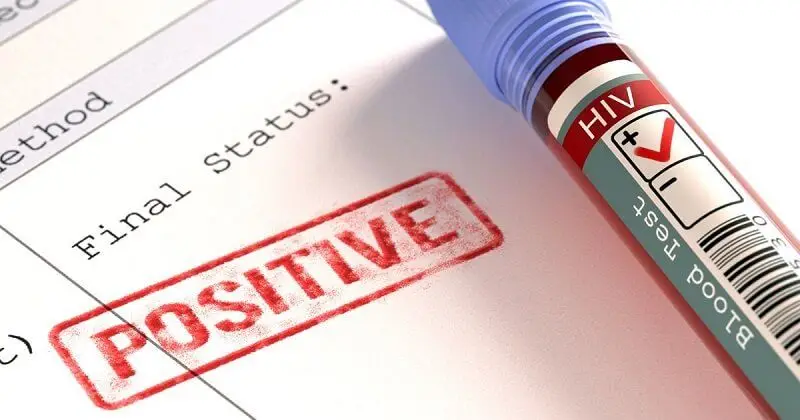
What is HIV? Symptoms, Causes, and Prevention Methods
Human Immunodeficiency Virus (HIV) is a virus that attacks the body's immune system and leads to the destruction of CD4 T cells, which are responsible for fighting infections. If left untreated, this virus gradually weakens the immune system, making the person more susceptible to infections and other diseases, culminating in the final stage of the disease known as Acquired Immunodeficiency Syndrome (AIDS). Understanding the causes of infection and prevention methods can help reduce its spread and protect public health.
Causes and Risk Factors
HIV is transmitted through body fluids such as blood, semen, vaginal fluids, and breast milk. There are several main ways the virus can be transmitted, including:
- Unprotected sexual contact: where the virus can be transmitted through vaginal, anal, or oral sex without using a condom.
- Sharing needles: occurs when using needles or syringes previously used by an infected person.
- Mother-to-child transmission: either during pregnancy, childbirth, or breastfeeding.
- Blood transfusion: rare in countries where thorough testing of donated blood is conducted.
Risk factors for HIV include:
- Engaging in unprotected sex
- Having sexually transmitted infections
- Using injectable drugs
- Not being circumcised
- Receiving untested blood transfusions
Signs and Symptoms
Symptoms of HIV vary depending on the stage:
- Acute infection (2-4 weeks after infection): fever, chills, rash, night sweats, muscle aches, and fatigue.
- Chronic infection: may be asymptomatic for several years, or include mild symptoms such as fatigue, weight loss, and recurrent fever.
- AIDS: characterized by severe symptoms including rapid weight loss, severe night sweats, persistent diarrhea, swollen lymph nodes, and skin or respiratory infections.
Complications
If HIV is not treated, complications may occur such as:
- Opportunistic infections: such as tuberculosis and pneumonia.
- Cancers: such as Kaposi's sarcoma and lymphoma.
- Neurological complications: such as dementia and encephalitis.
- Kidney diseases: such as HIV-associated nephropathy.
Prevention
HIV can be prevented through several strategies:
- Using condoms: correctly during every sexual encounter.
- Getting tested: and knowing your partner's health status.
- Reducing the number of sexual partners.
- Avoiding sharing needles.
- Taking pre-exposure prophylaxis (PrEP): for individuals at high risk of infection.
- Taking post-exposure prophylaxis (PEP): within 72 hours of potential exposure to the virus.
Supplements and Herbs That May Help
Some herbs and supplements can support the immune system and help manage symptoms, including:
- Garlic: known for its immune-boosting properties.
- Echinacea: helps strengthen the immune system.
- Aloe Vera: beneficial for alleviating symptoms and boosting immunity.
- Vitamin D, Vitamin C, and zinc: help support immune functions.
- Probiotics: to support immune health.
Health Tips for Managing HIV
- Adhere to treatment: take antiretroviral medications as prescribed.
- Stay hydrated and drink plenty of fluids.
- Follow a healthy diet: rich in fruits and vegetables.
- Exercise regularly: to enhance overall health.
- Get regular check-ups: to maintain accurate health monitoring.
Conclusion
HIV represents a global health challenge, but it can be prevented and managed through awareness and ongoing treatment. Following preventive measures and utilizing appropriate treatment contributes to reducing its spread and improving the quality of life for those affected.
References
- Centers for Disease Control and Prevention (CDC). (2023). HIV/AIDS. [Link]
- Mayo Clinic. (2023). HIV/AIDS: Causes, Symptoms, and Treatment. [Link]
- World Health Organization (WHO). (2023). HIV/AIDS. [Link]