Why Reading Vitamin Nutrition Labels Is Essential for Safe and Effective Supplement Use
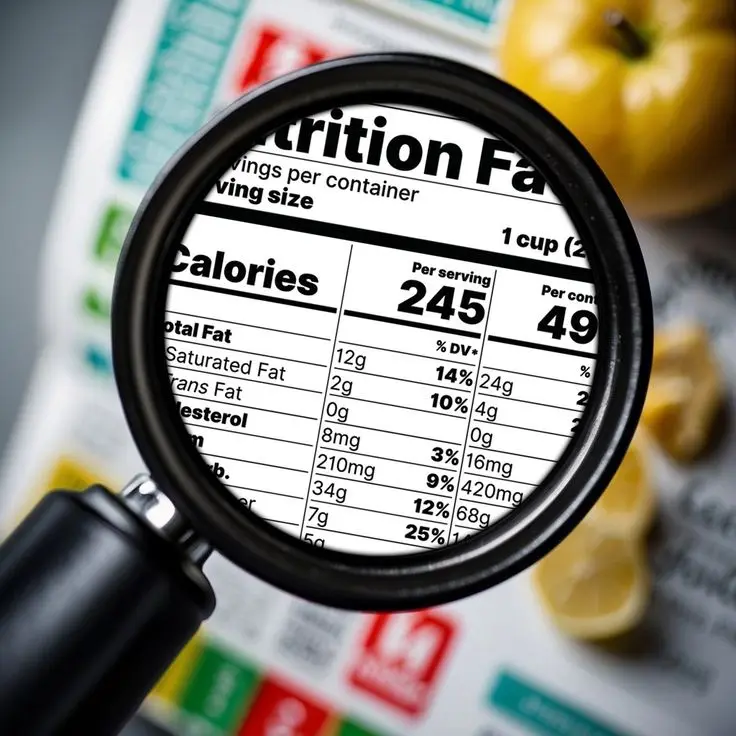
Learning how to read vitamin supplement labels is one of the most important steps before buying or using any supplement. A label can tell you what the product contains, how much of each nutrient is included, how many capsules make one serving, what form of the vitamin is used, and whether there are added ingredients or warnings you should know about.
Supplements can be useful when there is a real nutritional gap, a confirmed deficiency, or a professional recommendation. However, they can also be unnecessary or risky when used in high doses, combined with similar products, or taken alongside certain medications. This is why the front of the bottle is not enough. The most important information is usually found in the Supplement Facts panel and the ingredient list.
In this guide, we explain how to read vitamin supplement labels step by step, including serving size, amount per serving, % Daily Value, ingredient forms, added ingredients, quality seals, expiration dates, warnings, and common red flags. To understand how different vitamins behave in the body, you can also read Vitaminati’s guide on how vitamins are absorbed in the body.
Key Takeaways
- Always read the Supplement Facts panel, not only the marketing claims on the front of the bottle.
- Check the serving size; one serving may be two or more capsules, tablets, gummies, or scoops.
- Use % Daily Value to understand whether a nutrient amount is low, moderate, high, or far above daily reference needs.
- Be cautious with nutrients that can cause problems when overused, especially vitamin A, vitamin D, iron, zinc, and selenium.
- Claims such as “natural,” “immune support,” or “high potency” do not automatically mean the product is safer or better.
- Look for third-party testing marks such as USP, NSF, ConsumerLab, or Informed Sport when available.
- Ask a doctor or pharmacist before using supplements if you are pregnant, breastfeeding, taking medication, or have a chronic condition.
Why Reading Vitamin Supplement Labels Matters
The label is your first source of information about what is actually in the supplement. It shows the active ingredients, the dose, the serving size, other ingredients, suggested use, warnings, expiration date, and manufacturing details.
This matters because many supplements contain doses that are much higher than daily reference needs. Some people may also take several products at the same time, such as a multivitamin, an immune-support formula, a calcium supplement with vitamin D, and a separate vitamin D product. Without reading labels carefully, it is easy to duplicate the same nutrient without noticing.
It is also important to remember that supplements are not a replacement for a balanced diet. Food provides fiber, protein, healthy fats, antioxidants, and plant compounds that capsules cannot fully replace. Supplements should fill a specific gap when needed, not substitute for healthy meals.
Nutrition Facts vs. Supplement Facts: What Is the Difference?
Packaged foods usually have a Nutrition Facts label, while dietary supplements have a Supplement Facts panel. The Supplement Facts panel lists active ingredients such as vitamins, minerals, amino acids, herbs, enzymes, or other compounds, along with the amount per serving.
Do not judge a supplement only by the product name on the front, such as “Energy Formula,” “Immune Support,” or “Beauty Complex.” These are marketing terms. The real question is: what ingredients are in the Supplement Facts panel, how much is included, what form is used, and is that dose appropriate for you?
Main Parts of a Vitamin Supplement Label
1. Vitamin Name and Chemical Form
The first detail to check is the exact form of the nutrient. Some vitamins and minerals come in different forms, and these forms may differ in absorption, tolerance, or suitability.
- Vitamin D: may appear as vitamin D2 or vitamin D3. Vitamin D3 is commonly used and may be more effective at raising vitamin D blood levels in some people.
- Vitamin B12: may appear as cyanocobalamin, methylcobalamin, or hydroxocobalamin. The best form depends on the person, dose, availability, and professional guidance.
- Folate: may appear as folic acid or methylfolate. Some people may prefer or be advised to use specific forms.
- Vitamin E: natural vitamin E is usually listed as d-alpha-tocopherol, while synthetic vitamin E is often listed as dl-alpha-tocopherol.
- Magnesium: may appear as magnesium oxide, citrate, glycinate, or other forms. These may differ in gastrointestinal tolerance.
A more absorbable or “natural” form is not automatically better for everyone. Dose, need, tolerance, medication use, and health status matter. For more context, read Vitaminati’s article on the difference between natural vitamins and supplements.
2. Serving Size
Serving size is one of the most commonly missed label details. A person may assume the listed dose refers to one capsule, when the serving size is actually two capsules, three gummies, or one scoop.
Before reading the amount of each nutrient, ask:
- How many capsules, tablets, gummies, drops, or scoops make one serving?
- How many servings does the company suggest per day?
- Does the label say “per tablet,” “per capsule,” or “per serving”?
This is especially important for children’s supplements, multivitamins, iron, vitamin D, zinc, and fat-soluble vitamins, where taking more than the intended serving can raise the total dose quickly.
3. Amount Per Serving
The “amount per serving” tells you how much of each nutrient is included in the serving size. This may be listed in milligrams (mg), micrograms (mcg), international units (IU), or other units.
Do not compare products only by bottle size or number of capsules. Compare the actual amount of active nutrient per serving. For example, two vitamin D bottles may look similar, but one may provide 400 IU per serving while another provides 2,000 IU. Those are very different doses and may not be suitable for the same person.
4. Percent Daily Value, or %DV
% Daily Value, or %DV, shows how much a nutrient in one serving contributes to the daily reference amount. For example, if a product provides 100% DV of a nutrient, one serving provides the full daily reference value used for labeling.
However, %DV is not always the same as your personal requirement. Your needs may differ depending on age, sex, pregnancy, breastfeeding, health conditions, medications, diet, and blood test results.
- 5% DV or less: considered low.
- 10–20% DV: moderate range.
- 20% DV or more: considered high.
- 100% DV: provides the full daily reference value.
- More than 100% DV: may be appropriate in some situations, but it is not automatically better.
If a supplement provides 500%, 1,000%, or more of a nutrient, do not assume it is stronger in a good way. Some high doses may be unnecessary, uncomfortable, or unsafe.
5. RDA vs. DV vs. UL
Three terms are especially useful when reading supplement labels:
- RDA: Recommended Dietary Allowance. This is the average daily amount considered sufficient for most healthy people in a specific age and sex group.
- DV: Daily Value. This is a standardized label reference used to compare packaged foods and supplements.
- UL: Tolerable Upper Intake Level. This is the highest daily intake level that should generally not be exceeded without medical supervision.
A common mistake is thinking that “above the RDA” means better. Some nutrients have wide safety margins, while others need caution when taken in high doses, especially vitamin A, vitamin D, iron, zinc, and selenium.
Practical Examples: How to Read Vitamin C, Vitamin D, and Iron Labels
Example 1: Vitamin C 500 mg
If a product contains 500 mg of vitamin C per serving, that is much higher than the daily requirement for most adults. It may be suitable for some people in certain situations, but it is not necessary for everyone.
Vitamin C is water-soluble, but high doses may still cause stomach discomfort or diarrhea in some people. People with a history of kidney stones or kidney disease should be more cautious with high-dose vitamin C supplements.
Many people can get vitamin C from foods such as oranges, kiwi, strawberries, bell peppers, broccoli, tomatoes, and leafy greens. You can learn more through Vitaminati’s Vitamin C category.
Example 2: Vitamin D 1,000 IU
If a supplement contains 1,000 IU of vitamin D3, it may be appropriate for some people, but it should not be treated as a universal dose. A person with normal vitamin D status and regular sun exposure may not need the same dose as someone with confirmed deficiency or limited sun exposure.
When reading a vitamin D label, check:
- Is it vitamin D2 or D3?
- How many IU or mcg are in one serving?
- Is vitamin D also included in a multivitamin, calcium supplement, or cod liver oil?
- Is the dose based on a 25-hydroxyvitamin D blood test or professional advice?
For more detail, read Vitaminati’s guides on vitamin D3 benefits and uses and vitamin D dosage recommendations.
Example 3: Iron in a Multivitamin
Some multivitamins contain iron, while others do not. Iron is not appropriate for everyone. Men and postmenopausal women may not need supplemental iron unless deficiency is confirmed or a healthcare professional recommends it. Iron overdose can also be dangerous for children if taken accidentally.
When reading an iron label, check the dose, form, and warnings. Do not combine a separate iron supplement with a multivitamin that already contains iron unless the total dose has been reviewed. For more information, explore Vitaminati’s Iron category.
Other Ingredients: What Should You Look For?
Supplements do not contain only vitamins and minerals. They may also contain fillers, binders, flavors, sweeteners, colors, preservatives, gelatin capsules, oils, or coating agents. These ingredients are not always harmful, but they matter for people with allergies, diabetes, digestive sensitivity, or dietary preferences.
Ingredients to Check Carefully
- Added sugar: common in gummies, chewables, and syrups.
- Artificial sweeteners: may not suit everyone, especially those with digestive sensitivity.
- Artificial colors: may be avoided by people who prefer simpler formulations or have sensitivities.
- Gelatin: relevant for vegetarians, vegans, or people with religious dietary requirements.
- Soy, gluten, or lactose: important for people with allergies or intolerances.
- Proprietary blends: may hide the exact amount of each ingredient in a combined formula.
Look for transparent labels with clearly listed ingredients and doses. Avoid formulas that rely heavily on vague blends without showing how much of each active ingredient is included.
How to Judge Supplement Quality From the Label
No single label feature guarantees that a supplement is perfect. However, several signs can help you make a safer choice.
1. Third-Party Testing
Look for independent testing marks when available, such as:
- USP Verified
- NSF Certified
- ConsumerLab
- Informed Choice or Informed Sport for athletes
Third-party testing does not mean a supplement treats disease or is necessary for you. It may help confirm that the product contains what the label says and that it meets certain quality or contaminant-testing standards.
2. Lot Number and Expiration Date
A clear lot number or batch number and expiration date are important for traceability and quality control. Avoid supplements with missing expiration dates, damaged packaging, unclear labels, or no batch information.
3. Manufacturer Information
A trustworthy label should include the company name, address or country of manufacture, contact details, and ideally a website. Missing company information can be a warning sign.
4. Be Careful With “FDA Approved” Claims
Dietary supplements are not approved by FDA for safety and effectiveness before they are sold in the same way that drugs are. If a product strongly suggests that it is “FDA approved” as proof of effectiveness, treat that claim carefully.
More useful quality signs include clear labeling, reputable manufacturing, appropriate warnings, transparent ingredients, and independent third-party testing when available.
Warnings: Who Should Be Extra Careful?
Some people should read supplement labels with extra caution and speak with a healthcare professional before use.
- Pregnant or breastfeeding women: some doses or forms may not be appropriate, especially high-dose preformed vitamin A.
- Children: adult doses may be unsafe for children.
- People with kidney disease: some minerals, such as magnesium or potassium, may require caution.
- People with liver disease: high-dose vitamin A or niacin may need medical supervision.
- People taking blood thinners: vitamin K and some herbal ingredients may matter.
- People with diabetes or high blood pressure: some products may contain sugar or ingredients that affect treatment plans.
- People taking daily medications: some supplements may interact with medicines or affect absorption.
If you take more than one supplement, calculate your total daily intake. The risk may not come from one product alone, but from repeating the same nutrient across multiple products.
Nutrients That Need Special Caution on Labels
Vitamin A
Preformed vitamin A, such as retinol or retinyl palmitate, can accumulate in the body at high intakes. Pregnant women and people using cod liver oil or multiple supplements should be especially careful. If you are comparing forms, read Vitaminati’s guide to the best types of vitamin A.
Vitamin D
Vitamin D supports bone health and normal immune function, but high doses for long periods may raise blood calcium. Do not combine vitamin D, multivitamins, calcium supplements with vitamin D, and cod liver oil without checking the total dose.
Iron
Iron is useful when deficiency is present, but it is not suitable for everyone. Excess iron may cause digestive problems and can be dangerous for children if taken accidentally.
Zinc
Zinc supports immune function and wound healing, but long-term high doses may affect copper status and cause digestive symptoms. Learn more in Vitaminati’s Zinc category.
Selenium
Selenium is needed only in small amounts. High intake from multiple supplements may cause unwanted effects, so check the dose carefully.
How to Choose a Safe and Effective Supplement
Choosing a supplement should not be based only on price, popularity, or social media claims. Use this checklist before buying:
- Identify the reason: Do you have a deficiency, a restricted diet, a professional recommendation, or only a marketing influence?
- Check serving size: Confirm how many capsules, tablets, gummies, drops, or scoops equal one serving.
- Review dose and %DV: Do not assume higher doses are better.
- Check the form: Look at D2 vs. D3, magnesium form, folate form, or vitamin B12 form when relevant.
- Review other ingredients: Check for sugar, artificial colors, sweeteners, gluten, lactose, gelatin, or allergens.
- Look for third-party testing: USP, NSF, ConsumerLab, or similar marks may be helpful.
- Read warnings: Especially for pregnancy, children, chronic disease, or medication use.
- Avoid disease-treatment claims: Be cautious with products claiming to cure, treat, or prevent diseases.
FAQs About Reading Vitamin Supplement Labels
What does %DV mean on supplement labels?
%DV means Percent Daily Value. It shows how much one serving contributes to the daily reference value for that nutrient.
Is 100% DV always the best choice?
Not always. It may be appropriate for some nutrients, but your needs may differ based on age, sex, diet, pregnancy, health status, and medications.
Are high-dose supplements better?
No. High doses may be unnecessary or cause side effects, especially with vitamin A, vitamin D, iron, zinc, and selenium.
How can I tell if a vitamin is natural or synthetic?
Read the chemical form. For example, vitamin E listed as d-alpha-tocopherol is generally natural, while dl-alpha-tocopherol is synthetic. However, “natural” does not automatically mean better for everyone.
Does FDA approve supplements before sale?
No. Dietary supplements are not approved by FDA for safety and effectiveness before marketing in the same way drugs are. This is why label reading and third-party testing matter.
What is a good supplement quality mark?
There is no single perfect mark, but third-party testing from organizations such as USP, NSF, or ConsumerLab may help confirm label accuracy and quality standards.
Can supplements replace food?
No. Supplements may help fill nutrient gaps, but they do not replace the fiber, protein, healthy fats, antioxidants, and plant compounds found in food.
When should I ask a doctor before taking a supplement?
Ask a doctor or pharmacist if you are pregnant, breastfeeding, giving supplements to a child, older, taking daily medication, have a chronic disease, or plan to use high doses.
Conclusion
Reading vitamin supplement labels is a practical skill that helps you use supplements more safely. Do not rely only on front-label claims or marketing language. Check serving size, amount per serving, %DV, nutrient form, other ingredients, warnings, expiration date, lot number, and quality testing.
A smart consumer does not choose the highest-dose or most expensive supplement automatically. The better choice is the product that is clear, appropriate for your needs, transparent about ingredients, and supported by reasonable quality controls. Start with food first, use supplements only when needed, and ask a healthcare professional when you have health conditions, medications, or questions about high doses.
Medical disclaimer: This article is for general educational purposes only and does not replace medical advice. Do not use high-dose supplements or combine several products containing the same vitamin or mineral without professional guidance, especially during pregnancy, breastfeeding, kidney or liver disease, chronic medication use, or persistent symptoms.