Yarrow (Achillea millefolium): The Ancient Natural Healer Returns to the Forefront
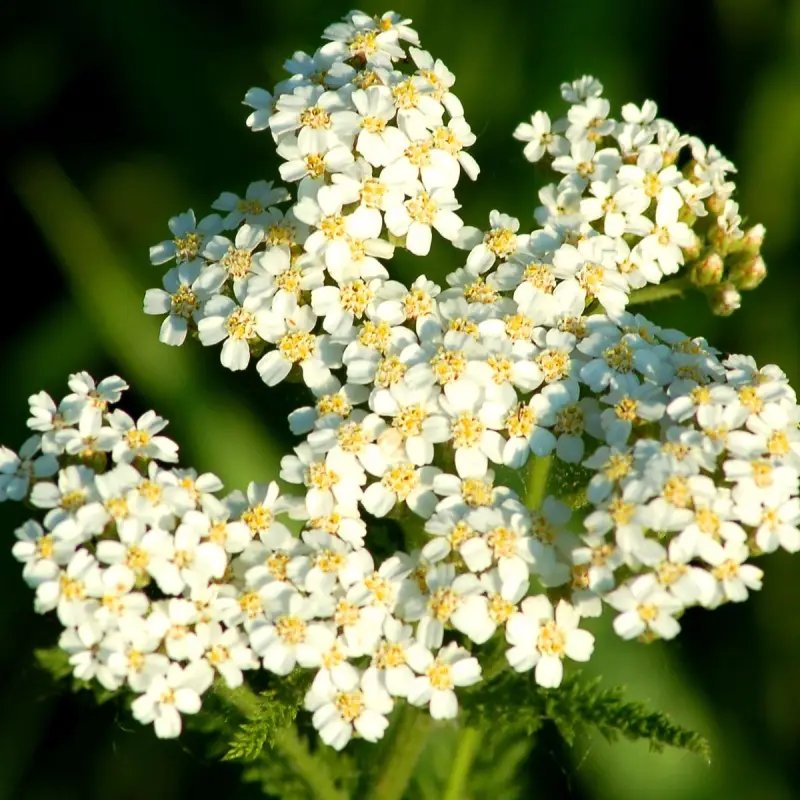
Yarrow (Achillea millefolium): Benefits, Traditional Uses, and Safety Precautions
Yarrow, scientifically known as Achillea millefolium, is one of the best-known traditional medicinal herbs in Europe and Asia. It has been used for centuries in herbal medicine, especially for mild digestive discomfort, menstrual cramps, and small superficial wounds.
In 2025, yarrow returned to public attention after being selected as the Medicinal Plant of the Year by the University of Münster. However, it is important to understand yarrow carefully: it is a traditional herbal remedy, not a cure-all treatment, and it should be used with caution in certain groups.
Key Takeaways
- Yarrow is a traditional medicinal herb also known as Achillea millefolium.
- It has a long history of use for mild digestive problems, temporary loss of appetite, menstrual cramps, and small superficial wounds.
- European herbal references describe these uses mainly as traditional use, not as strong clinical proof for treating disease.
- Yarrow may cause allergic reactions, especially in people sensitive to plants from the Asteraceae family, such as chamomile or chrysanthemum.
- Pregnant and breastfeeding women should avoid yarrow unless advised by a qualified healthcare professional.
What Is Yarrow?
Yarrow is a perennial flowering herb from the Asteraceae family. It is recognized by its fine, feathery leaves and clusters of small white or pinkish flowers. The plant grows naturally in many parts of Europe, Asia, and North America, and it has also been introduced to other regions around the world.
Its scientific name, Achillea millefolium, is linked to the ancient Greek hero Achilles. According to traditional stories, Achilles used the plant to care for soldiers’ wounds, which is why yarrow is sometimes called “the wound herb.”
| Scientific name | Achillea millefolium |
| Plant family | Asteraceae |
| Common names | Yarrow, common yarrow, wound herb, nosebleed plant |
| Parts commonly used | Flowering aerial parts, leaves, and flowers |
| Traditional uses | Mild digestive discomfort, temporary loss of appetite, menstrual cramps, and minor superficial wounds |
Why Did Yarrow Gain Attention Again in 2025?
Yarrow gained renewed attention after being selected as the Medicinal Plant of the Year 2025. This recognition highlighted its long historical role in herbal medicine and encouraged a more balanced discussion about its traditional uses, active plant compounds, and safety considerations.
This does not mean yarrow should be seen as a miracle herb. Instead, it means that yarrow is a good example of how traditional botanical knowledge should be reviewed through modern scientific and safety standards.
Traditional Uses of Yarrow
Yarrow has been used in traditional herbal medicine for many purposes. Historically, people used it for wound care, fever-related sweating, digestive discomfort, and women’s health. In European herbal references, yarrow herb and yarrow flower are mainly associated with temporary loss of appetite, mild digestive complaints, minor menstrual cramps, and small superficial wounds.
The key point is that these uses are generally described as traditional uses. This means they are based on long-standing use and plausibility, not necessarily on strong modern clinical trials proving clear therapeutic effects.
Potential Yarrow Benefits
1. May Support Mild Digestive Comfort
Yarrow has traditionally been used for mild digestive discomfort, including bloating, flatulence, and temporary loss of appetite. Its slightly bitter taste and plant compounds may help explain why it has been used in herbal preparations for digestion.
However, yarrow should not be used to manage severe abdominal pain, persistent vomiting, unexplained weight loss, blood in stool, or long-lasting digestive symptoms. These symptoms require medical evaluation.
2. Traditionally Used for Menstrual Cramps
Yarrow is also traditionally used for minor cramps associated with menstrual periods. Some herbal references describe its use for mild spasmodic discomfort, which may explain why it has been considered a women’s herb in traditional practice.
Still, severe menstrual pain, heavy bleeding, irregular bleeding, or pain that affects daily life should not be self-managed with herbs alone. A healthcare professional should evaluate these symptoms.
3. Used Externally for Small Superficial Wounds
One of the oldest traditional uses of yarrow is external use for small superficial wounds. This is where its nickname “wound herb” comes from.
However, this does not mean fresh, unclean leaves should be placed directly on open wounds. Deep wounds, burns, infected wounds, pus, severe redness, swelling, or wounds that do not improve require medical care. For skin use, prepared herbal products are generally safer than applying raw plant material.
4. Contains Bioactive Plant Compounds
Yarrow contains several naturally occurring plant compounds, including flavonoids, tannins, phenolic compounds, and essential oils. These compounds are part of the reason yarrow is studied in herbal and phytochemical research.
Laboratory studies can help explain possible biological activity, but they do not automatically prove that the same effect happens in humans. For this reason, yarrow benefits should be discussed carefully and without exaggerated claims.
How Is Yarrow Commonly Used?
Yarrow is available in several forms, including herbal tea, liquid extracts, capsules, and topical preparations. The best form depends on the intended use, product quality, concentration, and personal health situation.
- Yarrow tea: Usually prepared from dried aerial parts and traditionally used for mild digestive discomfort or menstrual cramps.
- Liquid extracts: More concentrated than tea and should be used according to product instructions.
- Capsules or tablets: These vary widely in concentration and should come from reputable manufacturers.
- Topical preparations: Traditionally used for small superficial wounds, but not for deep, infected, or serious wounds.
Who Should Be Careful With Yarrow?
Although yarrow is natural, it is not suitable for everyone. Some people should avoid it or consult a healthcare professional before using it.
- Pregnant women: Yarrow is not recommended during pregnancy because of insufficient safety data and its traditional association with uterine activity.
- Breastfeeding women: Safety during breastfeeding has not been well established.
- Children under 12: Yarrow should not be used in young children without professional guidance.
- People with plant allergies: Those allergic to chamomile, chrysanthemum, ragweed, or other Asteraceae plants may also react to yarrow.
- People taking blood-thinning medications: Medical advice is recommended before using yarrow with anticoagulant or antiplatelet medicines.
- People with chronic conditions: Anyone with liver disease, kidney disease, bleeding disorders, or multiple medications should ask a doctor or pharmacist before using concentrated herbal extracts.
Possible Side Effects of Yarrow
Yarrow may cause side effects in some people, especially when used in concentrated forms or by sensitive individuals. Possible reactions include:
- Skin irritation or rash
- Allergic reactions
- Digestive discomfort
- Increased sensitivity in people allergic to Asteraceae plants
If you notice swelling, difficulty breathing, severe rash, dizziness, or any serious allergic symptoms, stop using the product and seek urgent medical help.
Common Mistakes When Using Yarrow
- Assuming natural means always safe: Herbs can interact with medications and may not be suitable for everyone.
- Using yarrow during pregnancy: This should be avoided unless specifically advised by a qualified healthcare professional.
- Applying raw plants to wounds: This can introduce contamination, especially if the plant is not clean or prepared properly.
- Using high-dose extracts without guidance: Concentrated extracts are not the same as a mild herbal tea.
- Ignoring persistent symptoms: Herbs should not delay medical care when symptoms are severe or ongoing.
Yarrow in Gardening and the Environment
Yarrow is not only valued in herbal traditions. It is also a useful garden plant. It can grow in poor soil, tolerate sunny conditions, and attract pollinators such as bees and butterflies. For this reason, many gardeners include yarrow in natural or pollinator-friendly gardens.
However, yarrow can spread in some environments, so it should be planted thoughtfully and monitored in small gardens.
Is Yarrow Safe for Daily Use?
There is no single answer for everyone. Short-term use of yarrow tea may be acceptable for some adults, but long-term daily use or concentrated extracts require more caution. Safety depends on the person’s health status, medications, allergies, and the quality of the product.
If you are using yarrow for more than a short period, or if you take any medication, it is best to ask a healthcare professional first.
Frequently Asked Questions About Yarrow
What is yarrow used for?
Yarrow is traditionally used for mild digestive discomfort, temporary loss of appetite, minor menstrual cramps, and small superficial wounds.
Is yarrow the same as Achillea millefolium?
Yes. Achillea millefolium is the scientific name for common yarrow.
Can yarrow treat infections?
No. Yarrow should not be used as a treatment for infections. Infected wounds, fever, swelling, or worsening symptoms require medical care.
Is yarrow tea good for digestion?
Yarrow tea is traditionally used for mild digestive symptoms such as bloating and flatulence, but it should not replace medical evaluation for persistent or severe symptoms.
Can pregnant women drink yarrow tea?
No. Pregnant women should avoid yarrow because safety during pregnancy has not been established.
Can yarrow cause allergies?
Yes. Yarrow may cause allergic reactions, especially in people sensitive to Asteraceae plants such as chamomile, ragweed, or chrysanthemum.
Can yarrow be used on wounds?
Yarrow has traditional external use for small superficial wounds, but it should not be used on deep, infected, or serious wounds.
Can I take yarrow with medications?
If you take medications, especially blood thinners, ask your doctor or pharmacist before using yarrow.
Conclusion
Yarrow, or Achillea millefolium, is a traditional medicinal herb with a long history and renewed attention after being named the Medicinal Plant of the Year 2025. Its best-known traditional uses include mild digestive discomfort, temporary loss of appetite, minor menstrual cramps, and small superficial wounds.
Still, yarrow should be used with realistic expectations. The strongest references describe many of its uses as traditional rather than clinically proven. It may be helpful as part of cautious herbal use, but it is not a substitute for medical care, especially during pregnancy, with allergies, chronic conditions, or medication use.
Medical disclaimer: This article is for general educational purposes only and does not replace medical advice. If you are pregnant, breastfeeding, have a medical condition, or take medications, consult a healthcare professional before using yarrow or any concentrated herbal product.