Zinc: The Comprehensive Guide to Benefits, Types, Dosages, and Best Methods of Use
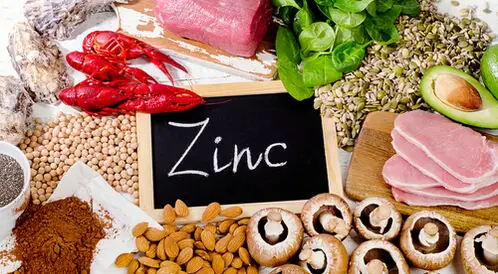
Zinc is one of the essential minerals that the body needs in small amounts, but it plays a significant role in supporting immunity, growth, and skin and hair health. Zinc is involved in hundreds of biochemical reactions within the body.
What is Zinc and Why Does the Body Need It
- Supporting the immune system
- Participating in protein production
- Assisting in wound healing
- Regulating enzyme activity
- Supporting growth and development
Health Benefits of Zinc
- Strengthening the immune system
- Accelerating wound healing
- Supporting growth in children and adolescents
- Improving skin health
- Supporting male fertility
- Enhancing brain functions
Signs of Zinc Deficiency
- Weakened immunity
- Slow wound healing
- Hair loss
- Loss of appetite
- Reduced taste or smell
- Skin problems
- Delayed growth in children
Natural Sources of Zinc
Animal Sources:
- Red meat
- Poultry
- Fish and seafood
Plant Sources:
- Legumes
- Nuts
- Seeds
- Whole grains
When to Consider Zinc Supplements
- Confirmed deficiency
- Frequent immune weakness
- Malnutrition
- Absorption issues
- Pregnancy or breastfeeding (under medical supervision)
Recommended Daily Dose
- Men: about 11 mg per day
- Women: about 8 mg per day
- Pregnant and breastfeeding women: may need slightly higher doses
- Upper limit: 40 mg per day
Best Time to Take Zinc
- Preferably on an empty stomach
- Can be taken with food if it causes discomfort
- Avoid taking it with calcium, iron, or dairy products
Types of Zinc in Supplements
- Zinc Gluconate: Commonly used for immune support
- Zinc Picolinate: High absorption
- Zinc Citrate: Good and balanced absorption
- Zinc Acetate: Used for colds
- Zinc Sulfate: Effective but may cause digestive disturbances
How to Choose the Right Type
- For immune support: Zinc Gluconate
- For zinc deficiency: Zinc Picolinate
- For better tolerance: Zinc Citrate
- For colds: Zinc Acetate
Side Effects of Excess Zinc
- Nausea and vomiting
- Stomach pain
- Loss of appetite
- Headaches
- Reduced copper absorption
Usage Precautions
- Do not exceed the recommended doses
- Be cautious with long-term use
- Consult a doctor when taking other medications
- Pay attention to mineral balance in the body
Frequently Asked Questions
Can zinc be obtained only from food?
Yes, in a balanced diet.
Does zinc help with colds?
It may reduce the duration and severity of symptoms when used early.
Can it be taken daily?
Yes, within safe doses.
Are zinc supplements safe?
Yes, when adhering to doses and under medical supervision when needed.
Conclusion
Zinc is an essential mineral that supports immunity, growth, skin health, and vital functions in the body. It can be easily obtained from food, while supplements are used only when necessary. Maintaining the appropriate dose and avoiding excess helps achieve benefits without side effects.
Reliable scientific sources • World Health Organization • National Institutes of Health • European Food Safety Authority • Office of Dietary Supplements