FDA Approves New Breast Cancer Treatment: First Hormone Therapy in Over 20 Years for Early-Stage Disease
The FDA has approved giredestrant (Wilserdly), the first new hormone therapy for early-stage breast cancer in over 20 years, offering an additional treatment option for eligible patients following surgery.
Published
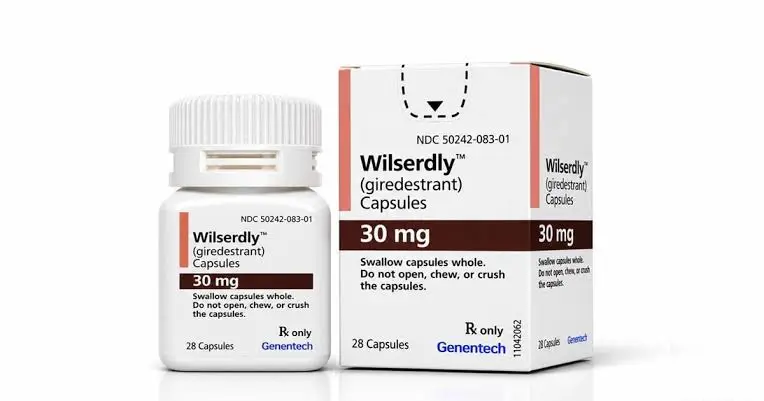
On November 23, 2026, the U.S. Food and Drug Administration (FDA) approved giredestrant, marketed under the brand name Wilserdly, marking the first approval of a new hormone therapy for early-stage breast cancer in more than 20 years.
Developed by Genentech, a member of the Swiss pharmaceutical group Roche, the oral medicine offers an additional treatment option for eligible adults at intermediate to high risk of breast cancer recurrence following surgery.
How Does the New Breast Cancer Treatment Work?
Some breast cancers depend on estrogen to grow. Hormone therapy, also known as endocrine therapy, works by reducing hormone production or interfering with the effects of hormones on cancer cells.
This differs from hormone replacement therapy used to manage menopause symptoms, as the two treatments serve different medical purposes.
Giredestrant belongs to a class of medicines called selective estrogen receptor degraders (SERDs). It blocks estrogen receptors and promotes their breakdown, interfering with signals that support cancer cell growth.
What Did the Clinical Trial Reveal?
The FDA approval was supported by the Phase III lidERA Breast Cancer Study, a randomized, open-label, multicenter clinical trial involving 4,170 adults.
Participants were divided into two groups:
- 2,084 patients received giredestrant.
- 2,086 patients received standard endocrine therapy, including tamoxifen or aromatase inhibitors.
Treatment was planned for up to five years.
After three years, the estimated invasive disease-free survival rates were:
- 92.4% among patients receiving giredestrant.
- 89.6% among patients receiving standard endocrine therapy.
The findings showed a 30% relative reduction in the hazard of an invasive disease-free survival event, which includes invasive breast cancer recurrence, a new invasive cancer in the opposite breast, or death from any cause (hazard ratio: 0.70; 95% confidence interval: 0.57–0.87).
The absolute difference of 2.8 percentage points corresponds to approximately 28 additional patients per 1,000 remaining alive and free of invasive breast cancer at three years.
However, longer follow-up is needed to determine whether giredestrant improves overall survival.
Who Is Eligible for the New Breast Cancer Treatment?
The FDA approval covers adults with:
- Estrogen receptor-positive (ER-positive) breast cancer.
- Human epidermal growth factor receptor 2-negative (HER2-negative) breast cancer.
- Stage I, II or III breast cancer.
- An intermediate to high risk of disease recurrence.
The medicine is approved as an adjuvant treatment, meaning treatment administered after surgery to reduce the likelihood of cancer returning.
According to the FDA, women who have not completed menopause should also receive an additional hormone-suppressing medicine. Men may also receive this additional treatment, as determined by their healthcare provider.
What Are the Potential Side Effects of Giredestrant?
Commonly reported side effects include:
- Muscle and joint pain.
- Hot flashes.
- Fatigue.
- Headaches.
- Nausea.
- Dizziness.
- Slower-than-normal heart rate.
- Numbness or tingling in the hands and feet.
Changes in blood test results, including liver enzymes, blood cell counts and mineral levels, have also been reported.
The medicine carries warnings regarding bradycardia (slow heart rate) and potential harm to a developing fetus during pregnancy.
What Does This Approval Mean for Breast Cancer Patients?
The approval represents an important development in women's health, expanding treatment options for a specific group of patients with early-stage breast cancer, following decades in which tamoxifen and aromatase inhibitors have been central to endocrine therapy.
Although the clinical findings are encouraging, they do not establish a cure or confirm an overall survival benefit. Treatment decisions should be made with the patient's oncology team.
The FDA decision applies to the United States and does not automatically establish regulatory approval or availability in Switzerland, the European Union or Middle Eastern countries.
Sources
- U.S. Food and Drug Administration – FDA approval announcement, November 23, 2026.
- FDA – Giredestrant regulatory approval, clinical efficacy and safety, November 23, 2026.
- Roche – Official FDA approval announcement for Wilserdly, November 23, 2026.
- National Cancer Institute – Hormone Therapy for Breast Cancer.