Are Foods Enough to Get Vitamins or Do We Need Dietary Supplements?
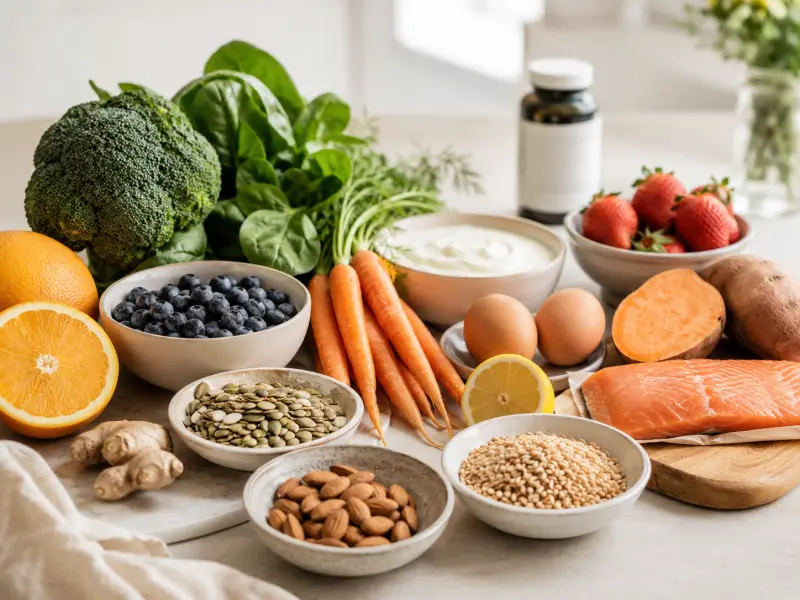
Can Food Provide All Vitamins, or Do You Need Supplements?
Many people ask a simple but important question: can food provide all vitamins, or do we need dietary supplements? The answer depends on the person. For many healthy adults, a varied and balanced diet can provide most essential vitamins and minerals. However, some people may still need supplements because of pregnancy, aging, vegan diets, low food intake, medical conditions, malabsorption, or confirmed deficiencies.
Food should always be the foundation. A healthy diet provides more than isolated vitamins; it also gives the body fiber, protein, healthy fats, minerals, antioxidants, and plant compounds that supplements cannot fully replace. But supplements can be valuable when food alone is not enough or when a healthcare professional recommends them.
To understand the basics first, you can read Vitaminati’s guide on what vitamins are and why the body needs them, as well as the article explaining the difference between vitamins and minerals.
Key Takeaways
- A varied diet is the best starting point for getting vitamins and minerals.
- Fruits, vegetables, whole grains, legumes, nuts, seeds, dairy products, eggs, fish, and lean proteins all provide different nutrients.
- Supplements do not replace food because they lack fiber and many beneficial food compounds.
- Some groups may need supplements, including pregnant women, older adults, strict vegans, people with malabsorption, and those with confirmed deficiencies.
- Vitamin B12, vitamin D, iron, folic acid, iodine, and omega-3 fatty acids are common nutrients that may require attention in specific groups.
- Taking supplements without need may lead to excess intake, side effects, or interactions with medications.
What Vitamins Can You Get From Food?
Food is the body’s natural source of micronutrients. A balanced diet that includes different food groups can provide many essential vitamins and minerals.
Fruits and Vegetables: Natural Sources of Vitamins
Fruits and vegetables are rich in vitamins, minerals, fiber, water, antioxidants, and plant compounds. They are especially important for vitamin C, provitamin A carotenoids, vitamin K, folate, and potassium.
- Vitamin C: found in citrus fruits, kiwi, strawberries, bell peppers, tomatoes, and broccoli.
- Provitamin A carotenoids: found in carrots, sweet potatoes, pumpkin, spinach, kale, and apricots.
- Vitamin K: found in leafy greens such as spinach, kale, and broccoli.
- Folate: found in leafy greens, beans, lentils, asparagus, and fortified grains.
A colorful plate is a simple way to improve vitamin variety. Orange foods often provide carotenoids, dark green vegetables provide folate and vitamin K, and red or citrus fruits often provide vitamin C and antioxidants.
Whole Grains and Legumes: B Vitamins, Fiber, and Minerals
Whole grains and legumes are important sources of B vitamins, magnesium, iron, zinc, fiber, and plant protein. They help support energy metabolism, digestion, and blood sugar balance.
- Oats.
- Brown rice.
- Whole wheat bread.
- Lentils.
- Chickpeas.
- Beans.
- Peas.
These foods are especially useful for people who want to get more vitamins from food rather than relying on supplements.
Nuts and Seeds: Vitamin E, Magnesium, and Healthy Fats
Nuts and seeds provide vitamin E, magnesium, zinc, selenium, and healthy fats. Vitamin E acts as an antioxidant and is found in foods such as almonds, sunflower seeds, hazelnuts, and peanuts.
A small handful of nuts or seeds can be a practical daily addition, but portions should stay moderate because these foods are calorie-dense.
Animal Foods: Vitamin B12, Vitamin D, Iron, and Zinc
Animal foods provide nutrients that can be harder to obtain from plant foods alone, especially vitamin B12. Important animal-based sources include:
- Vitamin B12: meat, fish, eggs, milk, yogurt, and cheese.
- Vitamin D: fatty fish, egg yolks, fish liver oils, and fortified products.
- Iron: red meat, poultry, fish, and eggs.
- Zinc: meat, seafood, poultry, dairy products, and eggs.
People who avoid animal foods completely should pay special attention to vitamin B12, because reliable natural plant sources are limited. Fortified foods or supplements are often needed for strict vegan diets.
When Is Food Usually Enough?
Food is often enough when the person eats a varied diet, has no major absorption problems, and has no special nutrient needs. A balanced pattern usually includes:
- Fruits and vegetables every day.
- Whole grains instead of mostly refined grains.
- Legumes several times per week.
- Protein sources such as fish, eggs, dairy, poultry, lean meat, tofu, beans, or lentils.
- Nuts and seeds in moderate amounts.
- Healthy fats such as olive oil, avocado, nuts, seeds, or fatty fish.
The more limited the diet is, the more likely gaps become. A diet based mainly on refined carbohydrates, sweets, fried foods, and low-protein meals is less likely to meet micronutrient needs.
How to Get All Vitamins Through Food
There is no single “perfect food” that provides everything. The key is variety across the week. A practical approach is to combine different colors, food groups, and protein sources.
| Food Group | Main Nutrients | Examples |
|---|---|---|
| Orange and yellow vegetables | Provitamin A carotenoids | Carrots, pumpkin, sweet potatoes |
| Dark leafy greens | Vitamin K, folate, magnesium, carotenoids | Spinach, kale, arugula, broccoli |
| Citrus and berries | Vitamin C and antioxidants | Oranges, kiwi, strawberries, grapefruit |
| Whole grains | B vitamins, fiber, magnesium | Oats, brown rice, whole wheat, barley |
| Legumes | Folate, iron, zinc, protein, fiber | Lentils, chickpeas, beans, peas |
| Animal foods | Vitamin B12, iron, zinc, vitamin D in some foods | Eggs, fish, meat, dairy products |
| Nuts and seeds | Vitamin E, magnesium, zinc, selenium | Almonds, sunflower seeds, walnuts, pumpkin seeds |
For more detail on how vitamins are used by the body, read Vitaminati’s article on how vitamins are absorbed in the body.
When Food May Not Be Enough
There are situations where a healthy diet may still not cover every need. This does not mean everyone should take supplements daily, but it does mean certain groups need more careful planning.
Pregnancy and Breastfeeding
During pregnancy, nutrient needs increase. Folic acid is especially important before conception and during early pregnancy to help reduce the risk of neural tube defects. Iron needs also rise because blood volume increases during pregnancy.
Many prenatal supplements include folic acid, iron, iodine, vitamin D, and other nutrients, but the exact choice should be guided by a healthcare professional.
Older Adults
Older adults may have reduced absorption of certain nutrients, especially vitamin B12. Vitamin D status can also become a concern because skin production from sunlight decreases with age, and some older adults spend less time outdoors.
In these cases, fortified foods, blood testing, and targeted supplements may be useful.
Strict Vegan Diets
People who follow strict vegan diets usually need a reliable source of vitamin B12 from fortified foods or supplements. Vitamin D, iodine, iron, zinc, calcium, and omega-3 fatty acids may also require careful planning.
A vegan diet can be healthy, but it should be structured intentionally to avoid nutrient gaps.
Digestive Disorders and Malabsorption
Some medical conditions reduce nutrient absorption. These may include celiac disease, Crohn’s disease, ulcerative colitis, pancreatic disease, bariatric surgery, or other digestive disorders.
In these cases, supplements may be medically necessary, but the type and dose should be individualized.
Low-Calorie or Highly Restrictive Diets
Very low-calorie diets, extreme weight-loss plans, and diets that remove entire food groups can increase the risk of vitamin and mineral deficiencies.
People following these diets should work with a healthcare professional or dietitian to prevent nutrient gaps.
Limited Sun Exposure
Vitamin D is difficult to obtain from food alone. People with limited sun exposure, darker skin tone, full-coverage clothing, indoor lifestyles, or certain health conditions may need vitamin D testing and supplementation.
For more information, see Vitaminati’s article on vitamin D3 benefits.
Do Supplements Replace Food?
No. Supplements do not replace food. They can help fill specific gaps, but they do not provide the full nutritional complexity of whole foods.
Food provides:
- Fiber.
- Protein.
- Healthy fats.
- Water.
- Antioxidants.
- Plant compounds.
- Minerals and vitamins in natural combinations.
Supplements provide concentrated nutrients, but they may not have the same effects as nutrient-rich foods. They can also cause harm if taken in excessive amounts or combined with similar products.
What Is the Difference Between Vitamins and Supplements?
Vitamins are organic compounds the body needs in small amounts for normal function. They are found naturally in foods and may also be added to fortified foods.
Dietary supplements are products designed to add nutrients or other ingredients to the diet. They may contain vitamins, minerals, amino acids, herbs, probiotics, omega-3 fatty acids, or other compounds.
In other words, a vitamin can be part of a supplement, but not every supplement is just a vitamin.
For related reading, see Vitaminati’s article on the role of vitamins in supporting immunity.
How to Take Vitamins With Food for Better Absorption
Some vitamins are better absorbed with food, especially fat-soluble vitamins. Others can be taken with or without food, depending on tolerance.
Fat-Soluble Vitamins
Vitamins A, D, E, and K are fat-soluble. They are usually better absorbed when taken with a meal that contains healthy fats, such as olive oil, avocado, nuts, seeds, eggs, dairy products, or fish.
Water-Soluble Vitamins
Vitamin C and B vitamins are water-soluble. They can often be taken with food or water. Some people prefer taking them with meals to reduce stomach discomfort.
Minerals
Some minerals interact with each other. For example, calcium can reduce iron absorption when taken together in high amounts. Tea and coffee can also reduce iron absorption if consumed at the same time as iron-rich meals or iron supplements.
To learn more about timing, read Vitaminati’s article on the best time to take vitamins.
Risks of Taking Supplements Without Need
Supplements can be helpful, but more is not always better. Unnecessary or high-dose supplementation can lead to problems, especially with fat-soluble vitamins and some minerals.
Possible risks include:
- Vitamin A toxicity from high-dose retinol.
- Vitamin D toxicity and high calcium levels from excessive dosing.
- Iron overload or digestive side effects from unnecessary iron supplements.
- Zinc excess, which can affect copper levels.
- Medication interactions.
- Masking an underlying medical problem.
Before taking a supplement, it is better to ask: What nutrient am I missing? Why do I need it? What dose is appropriate? How long should I take it?
How to Choose a Safe Supplement When Needed
If a supplement is needed, choose it carefully:
- Choose a supplement that targets a real need, not a general fear.
- Read the Supplement Facts label carefully.
- Avoid megadoses unless medically prescribed.
- Check whether the product overlaps with other supplements you already take.
- Choose reputable brands with clear labeling.
- Ask a doctor or pharmacist if you take medications or have chronic conditions.
- For pregnancy, breastfeeding, children, kidney disease, liver disease, or anemia, seek professional guidance.
You can learn more from Vitaminati’s article on how to read vitamin supplement labels.
Food First: A Practical Daily Plate
A nutrient-rich daily pattern might include:
- Breakfast: oats with yogurt, fruit, and nuts.
- Lunch: lean protein or legumes with whole grains and salad.
- Snack: fruit, nuts, or yogurt.
- Dinner: fish, eggs, tofu, beans, or poultry with vegetables and healthy fats.
This type of pattern is more effective than relying on random supplements while eating a low-quality diet.
FAQs About Food and Supplements
Can food provide all vitamins?
For many healthy people, a varied diet can provide most vitamins and minerals. However, some people need supplements because of pregnancy, vegan diets, aging, low intake, malabsorption, or confirmed deficiency.
Do supplements replace food?
No. Supplements can fill specific gaps, but they do not replace the fiber, antioxidants, plant compounds, protein, and natural nutrient combinations found in whole foods.
What is the best source of vitamins?
The best source is a varied diet that includes fruits, vegetables, whole grains, legumes, nuts, seeds, dairy products or alternatives, eggs, fish, and other protein sources.
Who needs supplements the most?
People who may need supplements include pregnant women, older adults, strict vegans, people with digestive disorders, people with very low-calorie diets, and those with confirmed deficiencies.
Should vegans take vitamin B12?
Strict vegans usually need a reliable vitamin B12 source from fortified foods or supplements, because B12 is naturally found mainly in animal foods.
Is it better to take vitamins with food?
It depends on the vitamin. Fat-soluble vitamins such as A, D, E, and K are best taken with a meal containing fat. Vitamin C and B vitamins can often be taken with or without food.
Can taking too many supplements be harmful?
Yes. Excessive intake of some nutrients, especially vitamin A, vitamin D, iron, and zinc, can cause side effects or toxicity. Supplements should be used carefully and only when needed.
Conclusion: Food First, Supplements When Needed
So, can food provide all vitamins? In many cases, yes — if the diet is varied, balanced, and rich in whole foods. But not always. Some life stages, diets, medical conditions, and absorption problems can make supplements necessary.
The best approach is not “food only” or “supplements every day.” The best approach is balance: build your nutrition from real food first, then use supplements when there is a clear need.
Prevention starts in the kitchen, not the supplement aisle. A colorful, varied plate remains the safest and most effective foundation for long-term health.
Medical disclaimer: This article is for general educational purposes only and does not replace medical advice. Consult a healthcare professional before taking supplements, especially during pregnancy, breastfeeding, childhood, chronic disease, anemia, kidney disease, liver disease, or regular medication use.
Scientific References
- World Health Organization: Healthy Diet
- World Health Organization: Micronutrients
- NIH Office of Dietary Supplements: Dietary Supplement Fact Sheets
- NIH NCCIH: Vitamins and Minerals
- NIH Office of Dietary Supplements: Folate Fact Sheet
- WHO: Daily Iron and Folic Acid Supplementation During Pregnancy
- NIH Office of Dietary Supplements: Vitamin B12 Fact Sheet
- NIH Office of Dietary Supplements: Vitamin D Fact Sheet