Ashwagandha: Benefits, Uses, Safety, and What to Know Before Taking It
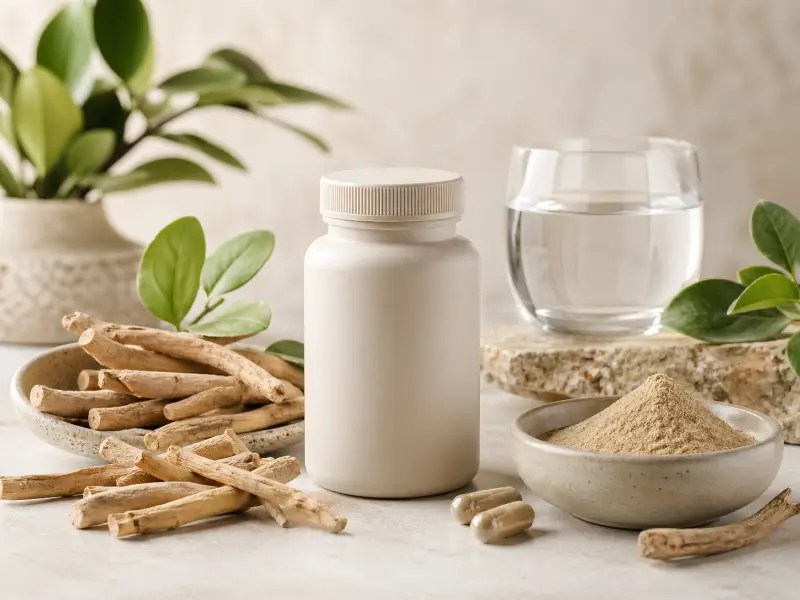
Ashwagandha is one of the most popular herbs in the supplement world, often linked to stress, relaxation, sleep, and daily balance. But what is ashwagandha, what are its potential benefits, and is it suitable for everyone?
In simple terms, ashwagandha is an herbal ingredient scientifically known as Withania somnifera. It has been used traditionally for centuries and is often described as an adaptogenic herb, meaning it may help the body respond to physical and mental stress. However, ashwagandha is not a cure, not a replacement for medical care, and not suitable for every person.
This guide explains what ashwagandha is, how it may work, what the evidence says about its potential benefits, who should be cautious, and how to choose an ashwagandha supplement more wisely.
Key Takeaways
- Ashwagandha is an herb commonly used in supplements for stress, relaxation, sleep, and general wellness.
- Some evidence suggests that certain ashwagandha preparations may help with stress and insomnia, but results vary by product, dose, and study quality.
- Ashwagandha should not be used as a substitute for professional care for anxiety, depression, insomnia, thyroid disease, or other medical conditions.
- Pregnant or breastfeeding women, people with chronic conditions, and people taking medications should speak with a healthcare professional before use.
- Product quality matters because ashwagandha supplements can differ in extract type, plant part, standardization, and testing.
What Is Ashwagandha?
Ashwagandha is a botanical ingredient commonly used in herbal supplements. Its scientific name is Withania somnifera, and it is sometimes called “Indian ginseng” or “winter cherry.”
The root is the most commonly used part in dietary supplements, although some products may also use other parts of the plant. Ashwagandha contains naturally occurring compounds called withanolides, which are often discussed as part of its potential biological activity.
How May Ashwagandha Work in the Body?
Ashwagandha is often described as an adaptogen. In supplement education, this term usually refers to herbs that may support the body’s response to stress. This does not mean the herb removes stress or treats stress-related disorders.
Research has explored whether ashwagandha may influence stress-related outcomes such as perceived stress, sleep quality, fatigue, and cortisol levels. Cortisol is a hormone involved in the body’s stress response. Some clinical studies have reported improvements in these areas, but results depend on the specific preparation used, dose, study design, and population studied.
The National Center for Complementary and Integrative Health notes that some ashwagandha preparations may be helpful for insomnia and stress, while evidence for anxiety remains unclear.
What Are the Potential Benefits of Ashwagandha?
The potential benefits of ashwagandha should be discussed carefully. It may support certain wellness goals for some people, but it should not be presented as a guaranteed solution.
1. May Support Stress Management
Stress support is one of the most common reasons people use ashwagandha. Some studies suggest that specific ashwagandha extracts may help reduce perceived stress and support calmness in adults experiencing daily stress. Interest in ashwagandha for sleep, memory, and nervous-system support is also linked to its possible effects on relaxation and stress-related outcomes.
The NIH Office of Dietary Supplements reports that some studies have found improvements in stress ratings, sleeplessness, fatigue, and cortisol compared with placebo. However, this does not mean every ashwagandha supplement will produce the same results.
Extract quality, standardization, dose, duration of use, and study design all matter when interpreting the evidence.
2. May Help Support Sleep Quality
Ashwagandha may support sleep partly by helping some people feel calmer. Some research has examined ashwagandha for insomnia and sleep quality, but it should not be treated as a direct sleeping medication.
Sleep quality also depends on regular sleep and wake times, light exposure, caffeine intake, stress levels, and the body’s circadian rhythm and its relationship with sleep and health. Persistent or severe sleep problems should be discussed with a healthcare professional.
3. May Support Daily Energy and Balance
Some people take ashwagandha because they feel mentally overloaded, physically tired, or drained by ongoing stress. Its potential effect is not the same as caffeine, and ashwagandha is not considered a stimulant in the usual sense.
Any improvement in perceived energy may instead relate to better stress balance, improved sleep quality, or reduced fatigue. Energy levels are also affected by nutrition and essential nutrients, including magnesium and its role in energy, muscle, and nerve function.
4. May Support Mental Clarity in Some People
Some studies have explored ashwagandha and cognitive outcomes such as focus, memory, and mental performance. However, the evidence is not strong enough to describe ashwagandha as a proven cognitive enhancer.
In practical terms, a person who feels calmer or sleeps better may also feel more mentally clear. That does not mean ashwagandha directly improves brain function in everyone.
5. May Support Physical Performance or Recovery
Ashwagandha has also been studied in relation to exercise performance, strength, and recovery. Some findings are promising, but they are not enough to make ashwagandha an essential sports supplement.
For most people, balanced nutrition, adequate protein, consistent training, hydration, sleep, and recovery remain more important foundations for physical performance.
Who May Consider Ashwagandha?
Some healthy adults may consider ashwagandha if they are looking for general support for stress, relaxation, or sleep quality. It may also interest people who use herbal supplements as part of a broader wellness routine.
However, the decision should depend on the person’s health status, medications, sensitivity to supplements, and reason for use. A supplement that is suitable for one person may not be suitable for another.
Who Should Be Careful With Ashwagandha?
Ashwagandha is natural, but natural does not automatically mean risk-free. Certain people should be particularly cautious.
- Pregnant women should avoid ashwagandha unless specifically advised by a qualified healthcare professional.
- Breastfeeding women should avoid use unless a healthcare professional confirms that it is appropriate.
- People with thyroid conditions should be cautious because ashwagandha may affect thyroid-related markers in some cases.
- People taking sedatives, sleep aids, or calming medications should ask a healthcare professional before combining them with ashwagandha.
- People taking medications for blood sugar, blood pressure, or immune-related conditions should seek professional advice before use.
- People with liver disease or unexplained liver symptoms should avoid starting herbal supplements without medical guidance.
- Anyone scheduled for surgery should ask a healthcare professional whether supplements should be stopped beforehand.
People using several vitamins, minerals, or herbal products at the same time should pay particular attention to reading vitamin and supplement labels correctly so they can identify duplicate ingredients, serving sizes, doses, and relevant warnings.
Can Ashwagandha Cause Side Effects?
Some people tolerate ashwagandha well, particularly when it is used short term and according to product directions. However, side effects can occur.
Possible side effects may include digestive discomfort, nausea, diarrhea, drowsiness, headache, or feeling unwell. Rare liver-related safety concerns have also been reported. Unexplained yellowing of the skin or eyes, dark urine, severe fatigue, or upper abdominal pain requires medical attention.
Side effects may be more likely with high doses, poor-quality products, combining multiple supplements, or using ashwagandha alongside certain medications.
What Forms of Ashwagandha Are Available?
Ashwagandha is available in several supplement forms, including:
- Capsules
- Tablets
- Powder
- Liquid extracts
- Combination formulas with other herbs or nutrients
Capsules and tablets are often preferred for convenience and clearer dosing. Powders may be added to drinks or recipes, but taste, dose consistency, and product quality should also be considered.
How to Choose an Ashwagandha Supplement
Not all ashwagandha supplements are the same. Before choosing a product, look carefully at the label.
- Check that the scientific name Withania somnifera is listed.
- Look for the plant part used, such as the root.
- Check whether the product contains a standardized extract or a basic powder.
- Review the dose per serving and serving instructions.
- Look for third-party testing or quality certification when available.
- Avoid products with unclear proprietary blends or exaggerated claims.
- Be cautious with formulas that combine many herbs, sedatives, or stimulants.
Proper supplement-label reading can help identify the amount of ashwagandha per serving, extract type, additional ingredients, and directions for use instead of relying only on marketing claims on the front of the package.
How Long Does Ashwagandha Take to Work?
There is no single fixed timeline. Some people may notice changes within a few weeks, while others may not feel a clear difference. Many clinical studies have evaluated ashwagandha over several weeks, but the exact duration varies according to the product and outcome being studied.
If someone experiences side effects, discomfort, or worsening symptoms, the supplement should be stopped and professional advice sought when needed.
Can You Take Ashwagandha Every Day?
Some products are designed for daily use for a specific period, but daily use is not automatically appropriate for everyone. The right approach depends on the dose, reason for use, medical history, and other medications or supplements.
Long-term safety remains an important consideration, so open-ended use without reassessing whether the supplement is still needed and well tolerated is not ideal.
Can Ashwagandha Be Combined With Other Supplements?
Ashwagandha is sometimes combined with ingredients such as magnesium, L-theanine, vitamins, or other herbs. However, combining more supplements does not automatically provide better results.
Multiple calming ingredients may increase drowsiness in some people, and combination formulas can make it more difficult to identify which ingredient is helping or causing side effects.
When ashwagandha is combined with magnesium, the type and amount of magnesium should also be considered because different magnesium supplements can vary in formulation, intended use, and tolerability.
What Does the Evidence Say Overall?
Current evidence suggests that certain ashwagandha preparations may support stress and sleep outcomes in some adults. However, the evidence is not equally strong for every claimed benefit.
NCCIH states that some preparations may be helpful for insomnia and stress, while evidence for anxiety remains unclear and there is insufficient evidence to determine whether ashwagandha is helpful for many other health conditions.
Research reviews have also reported promising findings for stress-related outcomes while emphasizing differences between studies, products, doses, and treatment durations. Better-designed and larger trials are still needed for many proposed uses.
Common Mistakes to Avoid
- Assuming that “natural” automatically means safe.
- Using ashwagandha as a replacement for medical or mental health care.
- Taking high doses without appropriate guidance.
- Combining it with sedatives or multiple calming supplements without checking safety.
- Choosing products with unclear labels or exaggerated promises.
- Ignoring side effects because the product is herbal.
Conclusion
Ashwagandha is a widely used herbal supplement that may support stress management, relaxation, and sleep quality in some adults. The strongest interest around it relates to stress and sleep, but results vary depending on the preparation, dose, duration, and individual.
The safest approach is to treat ashwagandha as a potentially supportive option rather than a cure or guaranteed solution. Product quality, clear labeling, realistic expectations, medication use, and individual health conditions should all be considered before use.
Frequently Asked Questions About Ashwagandha
What is ashwagandha?
Ashwagandha is an herb traditionally used in herbal medicine and commonly included in supplements for stress support, relaxation, sleep, and general wellness.
What are the main benefits of ashwagandha?
Its most commonly studied potential benefits involve stress support, relaxation, sleep, and some aspects of mental and physical well-being, although results vary between individuals.
Is ashwagandha safe?
Ashwagandha may be suitable for some adults, but it is not appropriate for everyone. Pregnancy, breastfeeding, chronic health conditions, and medication use require caution.
Can ashwagandha help with sleep?
Ashwagandha may support relaxation and sleep quality in some people, particularly when stress affects sleep, but it is not a substitute for medical evaluation of persistent insomnia.
Can you take ashwagandha every day?
This depends on the product, dose, reason for use, and individual health status. Daily use is not automatically appropriate for everyone.
What are the side effects of ashwagandha?
Possible side effects include digestive discomfort, nausea, diarrhea, drowsiness, headache, or feeling unwell. Rare liver-related concerns have also been reported.
How do you choose an ashwagandha supplement?
Choose a product that clearly lists Withania somnifera, the plant part used, the type of extract, the dose per serving, and relevant quality or testing information.
Who should avoid ashwagandha?
Pregnant or breastfeeding women, people with certain medical conditions, and people taking medications should avoid ashwagandha or use it only with professional guidance.
References
- National Center for Complementary and Integrative Health (NCCIH): Ashwagandha
- NIH Office of Dietary Supplements: Ashwagandha Fact Sheet for Health Professionals
- Systematic Review and Meta-Analysis on Ashwagandha and Mental Health Outcomes
Disclaimer: This article is for general educational purposes only. If you are pregnant, breastfeeding, have a medical condition, or take medications, consult a healthcare professional before starting supplements.