Benefits of the Neem Tree: A Natural Immune Supporter
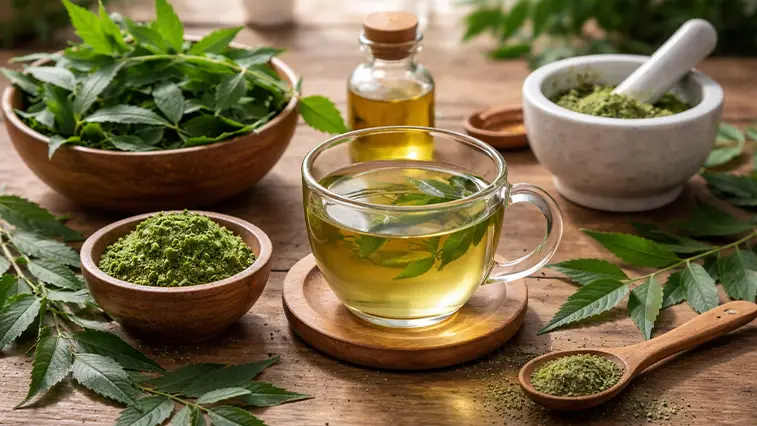
Neem Tree Benefits: Traditional Support for Insects, Skin, and General Wellness
Neem, scientifically known as Azadirachta indica, is often called the “village pharmacy” because of its long history in traditional medicine across India and South Asia. Neem leaves, seeds, oil, and bark have been used for skin care, oral health, insect control, and traditional practices related to parasites and inflammation.
Neem’s reputation comes from active plant compounds such as azadirachtin and nimbin/nimbolide, which have been studied for insect-repellent, anti-inflammatory, and antioxidant properties.
However, one point must be clear: neem is not a treatment for malaria, parasites, or infections, and it should not replace medical care. Some benefits are supported by laboratory or traditional evidence, but human evidence remains limited for many internal uses.
Overview of Neem
Neem belongs to the mahogany family and is known for its green leaves and ability to grow in hot, dry regions. It is common in India, Pakistan, Sri Lanka, and parts of Africa and Asia.
Traditionally, different parts of the tree are used in different ways. Leaves appear in some skin preparations, neem oil is used in insect-repellent and hair or skin products, and neem extracts are also used in agriculture and biopesticide products.
Readers interested in medicinal plants can explore Vitaminati’s herbs section to learn how botanicals fit into health and safety.
Main Uses of Neem
1. Neem as a Traditional Antiparasitic: What Do We Know?
Neem is traditionally known for possible activity against some parasites and insects. Laboratory and animal studies suggest that neem compounds may affect certain microorganisms or parasites, including research models related to malaria.
However, this should not be overstated: there is not enough clinical evidence to prove that neem treats malaria or parasitic infections in humans. Malaria is a serious and potentially life-threatening disease that requires rapid diagnosis and proven medical treatment.
If you live in or travel to an area with mosquito-borne disease risk, do not rely on neem alone. Follow proven prevention measures such as mosquito nets, protective clothing, appropriate insect repellents, and medical advice about preventive medicines when needed.
2. Neem Oil and Mosquito/Insect Repellency
One of neem oil’s best-known uses is in insect-repellent or biopesticide products. This is mainly related to azadirachtin, a compound that affects the growth and reproduction of some insects.
Neem oil may be useful in some mosquito-repellent products, but it should not be considered a guaranteed alternative to approved repellents in high-risk areas such as malaria or dengue regions. It should also be used carefully on the skin because it may cause irritation or allergic reactions in some people.
Safety tip: Raw neem oil should not be applied directly to the skin without dilution or a patch test. Neem oil should never be swallowed, especially by children.
3. Skin and Scalp Support
Neem appears in some skin and scalp products because of its potential antimicrobial and anti-inflammatory properties. You may find it in shampoos, soaps, creams, or topical oils.
Appropriate topical use may support irritated or oily skin and scalp care, but it should not be treated as a cure for acne, eczema, skin infections, or severe dandruff without medical evaluation.
If you have sensitive skin, test a small amount on a limited area first and stop use if redness, itching, burning, or rash occurs.
4. Neem and Oral Health
Neem twigs have traditionally been used for tooth cleaning in some cultures, and neem extracts are found in some mouthwashes and toothpastes. Some small studies suggest neem products may help reduce plaque and support gum health, but stronger evidence is still needed.
Neem may be viewed as a supportive ingredient in oral-care products, not a replacement for daily brushing, flossing, and dental visits.
5. Neem and Immune Support: Tradition vs. Evidence
Neem is traditionally used to support the body’s resistance, and laboratory studies suggest that neem extracts may influence some immune and inflammatory pathways. However, this does not mean neem reliably “boosts immunity” or prevents infections in humans.
Immune support depends on a full lifestyle pattern: enough sleep, balanced nutrition, physical activity, stress management, and essential nutrients such as vitamin C, vitamin D, zinc, and iron when needed. You can read Vitaminati’s article on the role of vitamins in immunity for a broader explanation.
6. Anti-Inflammatory and Antioxidant Properties
Laboratory studies and scientific reviews suggest that neem compounds may have anti-inflammatory and antioxidant properties. This explains why researchers are interested in neem for skin health, immunity, and some traditional uses.
However, laboratory findings do not always translate into direct clinical benefits in humans. Neem should not be used to treat fever, respiratory infections, joint pain, or chronic disease without medical guidance.
Neem Oil vs. Neem Leaves: Why the Form Matters
Neem safety depends on the plant part used, the form, and how it is used:
- Neem oil: Usually used topically or in insect products, but it may be toxic if swallowed.
- Neem leaves: Traditionally used in some preparations or teas, but there is no standardized safe internal dose.
- Neem extracts: These may be concentrated and require more caution, especially with medications or chronic conditions.
- Oral-care and skin products: These may be safer when commercially prepared and used according to the label.
Precautions When Using Neem
Although neem has a long traditional history, it must be used carefully. Key precautions include:
- Do not use neem instead of medical treatment: Neem should not be used to treat malaria, parasites, infections, fever, or chronic disease.
- Do not swallow neem oil: Neem oil ingestion has been linked with serious poisoning, especially in children.
- Pregnancy and breastfeeding: Avoid neem, especially oil or concentrated extracts, during pregnancy and breastfeeding because safety data are limited and there may be risks.
- Children: Do not give neem oil or concentrated neem extracts to children by mouth.
- Diabetes: Neem may affect blood sugar, so caution is needed with diabetes medications.
- Medications and chronic disease: Ask a healthcare professional if you take regular medicines or have liver, kidney, immune, or fertility-related conditions.
- Patch test for skin use: Before using neem oil or cream on the skin, test a small amount on a limited area and wait 24 hours.
Where Does the Neem Tree Grow?
Neem grows in hot and dry regions, especially in India, Pakistan, Sri Lanka, and parts of South Asia. It is also widely cultivated in Africa and other tropical or subtropical regions because of its environmental and agricultural uses.
Beyond traditional medicine, neem is used in agriculture, cosmetics, hair-care products, and some insect-repellent products.
Conclusion
Neem is one of the most recognized plants in traditional medicine, especially for skin care, oral health, insect control, and traditional uses related to parasites and inflammation. Its importance comes from compounds such as azadirachtin and nimbolide, which make it a valuable topic in botanical research.
Still, neem should be used responsibly. It is not a treatment for malaria, parasites, or infections, and it should not replace medical treatment. Neem oil may be dangerous if swallowed, especially by children. For most people, neem is best used in trusted topical or commercial products, following label instructions and seeking professional advice when needed.
FAQs About Neem
Does neem kill parasites?
Some laboratory and animal studies suggest possible effects against certain parasites or insects, but there is not enough evidence to use neem as a parasite treatment in humans.
Does neem treat malaria?
No. Neem does not treat malaria and should not replace antimalarial medication. Malaria is a serious disease that requires rapid medical diagnosis and treatment.
Is neem oil safe on the skin?
It may be safe when properly diluted or used in appropriate products, but it can irritate the skin or cause allergy. A patch test is recommended.
Can neem oil be swallowed?
No. Neem oil should not be swallowed because serious poisoning has been reported, especially in children.
Is neem safe during pregnancy?
Neem is best avoided during pregnancy and breastfeeding, especially oil or concentrated extracts, unless a healthcare professional recommends a specific safe product.
Does neem boost immunity?
Some neem compounds may influence immune pathways in laboratory studies, but there is not enough evidence to say neem reliably boosts immunity in humans.
Scientific References
- Memorial Sloan Kettering Cancer Center: Neem
- PubMed: Medicinal properties of neem leaves — a review
- PubMed: Neem-based products as potential mosquito control agents
- NCBI Bookshelf: Neem and azadirachtin as insect-active compounds
- WHO: Malaria Fact Sheet
- PMC Review: Neem in Dermatology
Medical disclaimer: This article is for general educational purposes only and is not medical advice or treatment for parasites, malaria, or any infection. Do not swallow neem oil. If you are pregnant, breastfeeding, caring for a child, have a chronic disease, or take regular medication, consult a doctor or pharmacist before using neem or any herbal extract.