Boron: Does It Really Help With Joint Pain and Testosterone?
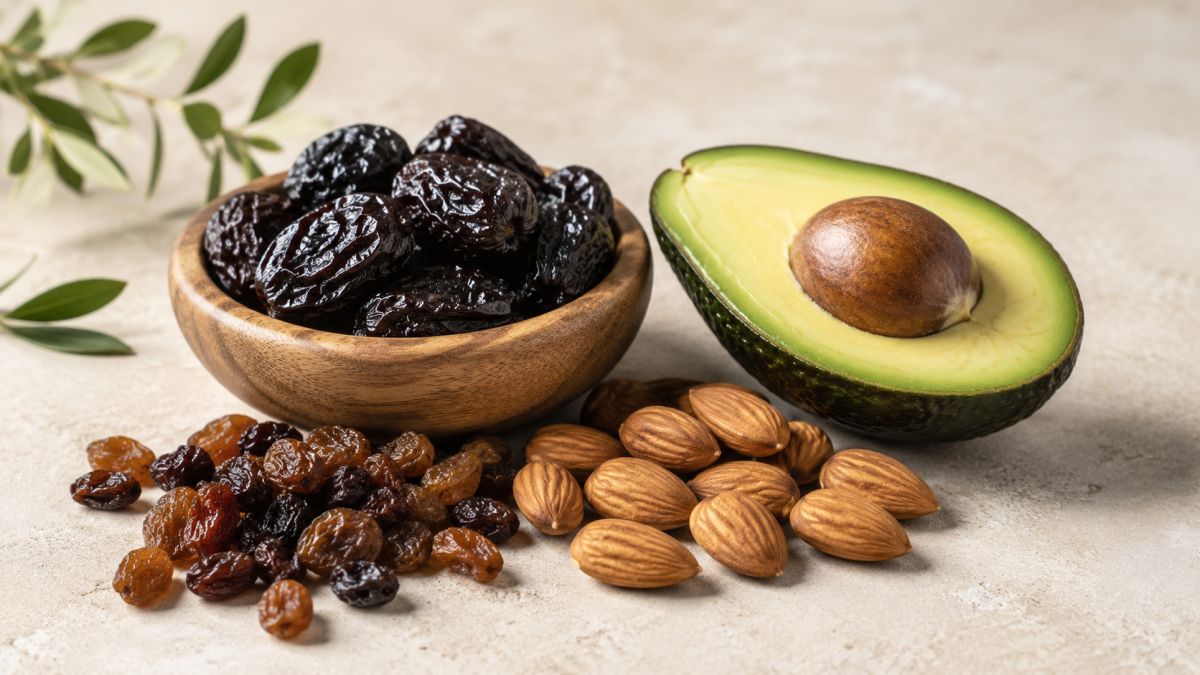
Boron is a trace mineral found naturally in many plant foods and is also included in some supplements marketed for bone, joint, or men’s health. Despite the number of claims surrounding it, boron’s role in the human body is still not fully defined. Research suggests possible benefits for joints and bone-related processes, while there is not enough evidence to confirm that boron reliably increases testosterone.
What is boron?
Boron is an element naturally present in soil and water, and it enters many fruits, vegetables, legumes, and nuts through the food supply.
Boron is not currently classified as an essential nutrient for humans because no clearly defined essential biological function has been established, and there is no official recommended daily intake.
However, some research suggests that boron may influence how the body handles minerals such as calcium and magnesium and may be involved in processes related to bone health.
Does boron help with joint pain?
Some small studies suggest that boron supplements may help reduce discomfort and support mobility in some people with osteoarthritis, particularly knee osteoarthritis.
However, the number of studies is still limited, so boron cannot be considered a proven treatment for osteoarthritis or a replacement for established medical options.
Several other ingredients have also been studied for joint comfort, including turmeric for joint comfort and mobility and sulfur and MSM for joint health, each with a different level of scientific evidence.
Is boron beneficial for bone health?
Boron may be related to bone health because of its possible effects on the metabolism of calcium, magnesium, and vitamin D.
However, this does not mean that taking a boron supplement increases bone density or prevents fractures. Available human studies have not yet shown that boron supplements directly improve bone mineral density.
Bone health depends on better-established factors such as nutrition, physical activity, calcium, vitamin D, age, and certain health conditions. These factors are covered more broadly in osteoporosis, risk factors, calcium, and vitamin D.
Boron is also not the only trace mineral involved in bone-related processes. Manganese also plays a role in bone health through different functions in the body.
Does boron increase testosterone?
There is not enough evidence to show that boron reliably increases testosterone.
One small, short-term study found changes in free testosterone and some other hormones after boron supplementation. However, other studies did not find meaningful effects on testosterone levels, strength, or lean body mass.
For this reason, boron should not be considered a proven testosterone-boosting supplement, and current evidence does not support using it for this purpose in healthy men.
Do men need a boron supplement?
There is no specific boron intake recommendation for men, and there is no evidence that healthy men need boron supplements simply to support testosterone or physical performance.
Supplements marketed for men’s health can also differ widely in their intended uses and evidence. For example, the potential benefits of milk thistle for men are very different from claims involving boron and testosterone.
What foods contain boron?
Boron occurs naturally in many plant foods, so most people consume some through their normal diet.
- Prunes and prune juice.
- Avocado.
- Raisins and grapes.
- Apples, pears, and peaches.
- Beans and other legumes.
- Peanuts and some nuts.
- Some vegetables, including broccoli and carrots.
The amount of boron in plant foods can vary depending on the food itself and the boron content of the soil in which it was grown.
How much boron does the body need each day?
There is no official recommended daily intake for boron because scientists have not established a specific amount that humans need each day to maintain health.
Adults usually consume small amounts of boron through food, while boron supplements can contain very different amounts depending on the product.
Boron should therefore not be treated like essential minerals that have clearly defined daily requirements. There is also no known need for someone eating a varied diet to reach a specific boron target through supplements.
What is the upper safe limit for boron?
The U.S. Food and Nutrition Board has set the tolerable upper intake level for boron at 20 mg per day for adults aged 19 years and older from all sources.
This upper limit does not mean that the body needs 20 mg per day, and it does not mean that taking this amount provides additional benefits. It is a safety limit that should not be exceeded regularly.
The amount of boron normally obtained from food is much lower than this limit. Supplements also vary widely, so it is important to check the amount of elemental boron listed on the product label and not assume that a higher dose is better.
What are the side effects and risks of boron?
The amounts of boron normally obtained through food are not associated with known health problems. However, very high intake of boron compounds can cause toxicity.
Possible symptoms of excessive intake may include nausea, vomiting, diarrhea, headache, and skin irritation.
There are currently no major well-established drug interactions with boron supplements, but information on some doses and uses remains limited. Anyone taking regular medications should discuss supplement use with a doctor or pharmacist.
Is boron safe during pregnancy and breastfeeding?
Boron is naturally present in food, and there is no need to avoid normal dietary sources during pregnancy or breastfeeding.
For supplements, the U.S. upper intake level for adults aged 19 years and older is 20 mg per day, including during pregnancy and breastfeeding. However, this represents a safety ceiling, not a recommended dose for pregnant women.
Because there is no proven benefit that requires boron supplementation during pregnancy, it is best not to start a high-dose boron supplement without discussing it with a doctor or pharmacist.
Frequently asked questions about boron
What does boron do in the body?
No clearly essential role has been established for boron in humans, but research suggests that it may influence mineral metabolism and processes related to bone health.
Does boron help with joint pain?
Some small studies suggest possible improvement in osteoarthritis symptoms and knee discomfort, but the evidence is still limited and larger studies are needed.
Does boron strengthen bones?
Boron may influence the metabolism of minerals related to bone health, but supplements have not been proven to increase bone density or reduce fracture risk in humans.
Does boron increase testosterone?
There is not enough evidence to confirm this. Some small studies have reported hormonal changes, while others have found no clear benefit.
What foods are high in boron?
Food sources include prunes, avocado, raisins, apples, grapes, legumes, peanuts, and many other plant foods.
Can you be deficient in boron?
No clear boron deficiency disease or set of deficiency symptoms has been established in humans, which is one reason there is no recommended daily intake.
How much boron is safe?
There is no recommended daily dose. The U.S. upper intake level for adults is 20 mg per day, but this is a safety limit rather than a daily target.
The bottom line
Boron is a trace mineral naturally present in many foods, but its essential role in the human body has not been fully defined. Small studies suggest possible benefits for osteoarthritis symptoms, while there is not enough evidence to show that boron supplements increase bone density or prevent fractures.
The claim that boron increases testosterone also remains unproven, and current evidence does not support using it specifically for that purpose. For most people, a varied diet already provides some boron without the need to seek high-dose supplements.