Caraway for Gas and Bloating: Benefits, Uses, and Safety
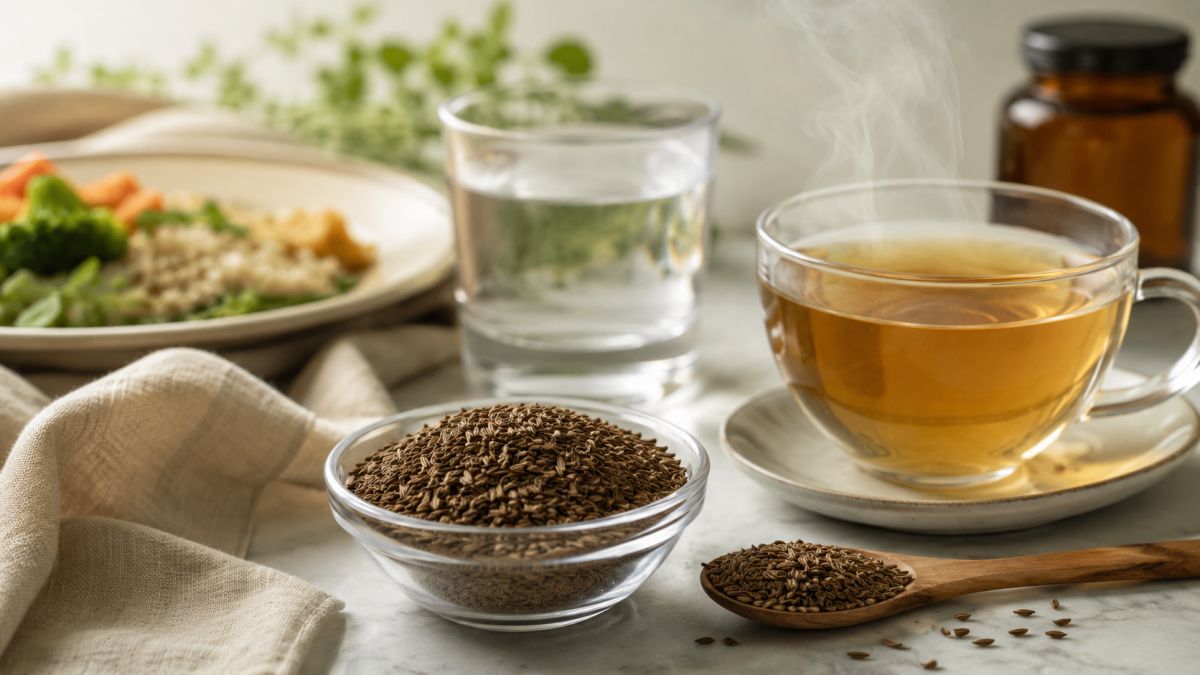
Caraway is one of the most familiar herbs used for gas, bloating, and digestive heaviness after meals. It may help some people with mild digestive discomfort, but it is important to understand its limits: caraway is not a treatment for irritable bowel syndrome, digestive disease, food intolerance, or persistent abdominal symptoms.
According to the European Medicines Agency Herbal Medicinal Products Committee, caraway fruit medicines are traditionally used for digestive problems such as bloating and flatulence. This conclusion is based on long-standing traditional use, while strong clinical trial evidence remains limited. In practical terms, caraway may be a supportive option for mild and occasional digestive discomfort, not a complete medical solution.
What is caraway?
Caraway comes from the fruit of the plant Carum carvi. It is commonly used as a culinary spice, herbal tea, and ingredient in some digestive herbal products. Its taste is warm, earthy, and slightly sharp, which is why it is sometimes confused with anise, fennel, or cumin.
The part most often used is the dried fruit, often called “caraway seeds” in everyday language. Caraway contains volatile oils and plant compounds such as carvone and limonene. These compounds may help explain why caraway has been traditionally used for digestive comfort, but the presence of active compounds does not mean it treats every cause of bloating or abdominal pain.
Caraway benefits: why do people use it?
Most searches about caraway focus on digestion. People often use it after meals, when they feel full, gassy, or bloated, or as part of traditional herbal tea mixtures.
- Gas: caraway may help relieve mild gas in some people.
- Bloating: it is traditionally used for fullness and bloating after meals.
- Mild indigestion: it may support digestive comfort when symptoms are occasional.
- Culinary use: it is used as a spice in bread, soups, stews, and savory dishes.
- Herbal tea: it is often prepared as a warm caffeine-free drink after meals.
The key is not to overstate the benefit. Caraway may support mild digestive comfort, but it does not cure IBS, ulcers, gallbladder disease, food intolerance, inflammatory bowel disease, or intestinal infection.
Caraway for gas and bloating: does it really help?
The European Medicines Agency classifies caraway fruit for bloating and flatulence as a traditional herbal medicinal use. EMA notes that caraway fruit medicines can be used for digestive problems such as bloating and flatulence, but that this conclusion is based on traditional use because clinical trial evidence is insufficient. EMA also states that these medicines should only be used in adults and adolescents over 12 years, and that symptoms lasting longer than two weeks should be discussed with a doctor or qualified healthcare practitioner.
In everyday use, caraway may be most relevant when bloating is mild and temporary, such as after a heavy meal or after eating foods that commonly increase gas. It is less appropriate when bloating is daily, painful, worsening, or associated with bowel habit changes.
If bloating is related to IBS-type symptoms, Vitaminati’s article on the low FODMAP diet for IBS symptoms may help explain how certain fermentable carbohydrates can contribute to gas, bloating, abdominal pain, diarrhea, and constipation.
Is caraway useful for IBS?
Irritable bowel syndrome is a complex condition that may involve bloating, gas, abdominal pain, constipation, diarrhea, or changes in bowel habits. Caraway may help mild gas in some people, but it should not be described as an IBS treatment.
IBS management usually requires a broader plan. This may include identifying food triggers, improving meal patterns, managing stress, improving sleep, and sometimes using a structured diet such as low FODMAP under professional guidance.
Because gut symptoms can also be influenced by the intestinal microbiome, readers may also benefit from understanding the difference between probiotics, prebiotics, and postbiotics, especially when comparing herbs with other digestive-support options.
When can caraway tea be used?
Caraway tea is commonly used after meals when there is mild fullness, gas, or bloating. Some people also use it as a warm caffeine-free drink in the evening. However, it should not become a way to ignore daily or worsening digestive symptoms.
- Use it for mild and occasional digestive discomfort.
- Track which foods trigger bloating or gas.
- Do not use it to mask severe or repeated abdominal pain.
- Avoid combining many concentrated digestive herbs without professional advice.
Another common digestive herb is mint. Vitaminati also explains mint’s role in supporting digestion and refreshment, including its common use for bloating and digestive discomfort.
For readers comparing herbal drinks more broadly, Vitaminati’s guide to the best herbal teas for stress, digestion, and immunity can help place caraway tea alongside other commonly used herbal infusions.
Caraway tea vs caraway oil: what is the difference?
It is important to separate caraway tea from caraway essential oil. Tea is usually prepared from dried caraway fruit. Essential oil is much more concentrated and should not be treated like a household tea.
| Form | Common use | Safety note |
|---|---|---|
| Caraway as a spice | Used in foods for flavor | Usually gentler than extracts when used in culinary amounts |
| Caraway tea | Used after meals for mild gas or bloating | Should not replace evaluation of persistent symptoms |
| Caraway extracts | Used in some digestive herbal products | May be more concentrated and should be used according to product directions |
| Caraway essential oil | Used in specific herbal preparations | Highly concentrated; not for children or pregnancy without professional guidance |
Swallowing essential oils without professional guidance can be unsafe, especially for children, pregnant or breastfeeding women, and people with chronic medical conditions. For typical household use, caraway usually means food use or tea, not concentrated oil.
Is caraway safe for children and babies?
Caraway is commonly used in some households for children, but common use does not automatically mean safe use. EMA states that caraway fruit medicines for bloating and flatulence should only be used in adults and adolescents over 12 years.
Babies and young children are more sensitive to herbs and essential oils. They should not be given herbal teas regularly without advice from a pediatrician, especially if symptoms include severe crying, vomiting, diarrhea, fever, poor feeding, or poor weight gain.
Is caraway safe during pregnancy and breastfeeding?
Using caraway as a spice in food is different from using it regularly as tea, extract, or essential oil. During pregnancy and breastfeeding, concentrated herbal products should be used only after professional advice.
The main reason is that safety data in pregnancy and breastfeeding may be limited, and extracts or essential oils can create a higher exposure than ordinary culinary use.
Caraway allergy: who should avoid it?
EMA states that caraway fruit medicines must not be used by people who are allergic to caraway or to other plants in the Apiaceae family, such as fennel, anise, celery, coriander, and dill. The EMA public summary also mentions allergy concerns related to mugwort and birch.
Possible allergy symptoms may include itching, rash, swelling, wheezing, difficulty breathing, or strong discomfort after exposure. Severe allergy symptoms require urgent medical help.
Does caraway increase breast milk?
Caraway is sometimes claimed to support milk production during breastfeeding. This claim should be handled carefully and should not be presented as proven. Milk supply is influenced by many factors, including feeding frequency, latch, hydration, nutrition, rest, stress, and maternal health.
If a breastfeeding mother is concerned about low milk supply, it is better to speak with a doctor or lactation consultant instead of relying on herbs. This is especially important because regular herbal use and concentrated products may not be appropriate for everyone during breastfeeding.
Caraway vs anise vs fennel: are they the same?
Caraway, anise, and fennel are different plants, although they are often used for similar digestive purposes in traditional home remedies. This similarity can create confusion.
| Herb | Common traditional use | Important note |
|---|---|---|
| Caraway | Gas and bloating after meals | Use caution with Apiaceae plant allergy |
| Anise | Digestion and cough in traditional use | Has its own safety considerations |
| Fennel | Bloating and breastfeeding-related claims | Hormonal and pregnancy-related safety need caution |
If someone is allergic to one plant in this botanical family, they may need to be cautious with related plants, depending on the type and severity of the allergy.
Possible side effects of caraway
Caraway may be suitable for many adults when used moderately as a spice or tea, but side effects and allergies can still occur. Extracts and essential oils are more concentrated than ordinary food use.
- Allergic reaction in sensitive people
- Stomach discomfort or nausea with excessive use
- Heartburn or digestive irritation in some people
- Higher risk with concentrated essential oils
- Possible unsuitability for pregnancy, breastfeeding, or children without professional guidance
Health Canada lists caraway as traditionally used in herbal medicine to aid digestion, help stimulate appetite, and help relieve digestive spasms, indigestion, and flatulent dyspepsia. This supports its traditional digestive role but does not remove the need for safety precautions.
Common mistakes when using caraway
Myth 1: Caraway treats IBS
Caraway may help mild gas, but it does not treat IBS. IBS usually needs a broader approach that includes diet, stress, sleep, and medical guidance.
Myth 2: Herbal tea is automatically safe for babies
Babies are more sensitive to herbs. Herbal teas should not be used routinely for infants without pediatric guidance.
Myth 3: Caraway oil is just stronger tea
Caraway essential oil is much more concentrated than tea. It should not be swallowed or used in children or pregnancy without professional supervision.
Myth 4: Bloating always means you need herbs
Bloating can be caused by diet, constipation, IBS, intolerance, stress, medications, or medical conditions. Persistent bloating should not be ignored.
When caraway is not enough
Do not rely on caraway alone if bloating, gas, or abdominal discomfort is persistent, severe, or unusual. Seek medical advice if you have:
- Severe or repeated abdominal pain
- Persistent vomiting
- Severe diarrhea or constipation
- Blood in stool
- Unexplained weight loss
- Fever
- Daily bloating that does not improve
- Major changes in bowel habits
If the concern is ongoing digestive balance rather than occasional gas after meals, Vitaminati also explains how probiotics and dietary fiber may support digestion, while still requiring caution with persistent or unexplained symptoms.
Conclusion
Caraway is a traditional digestive herb that may help relieve mild gas and bloating after meals. Its use is mainly supported by long-standing traditional use, not strong proof that it treats digestive disorders. It may be useful for some adults when symptoms are mild and occasional.
Safety depends on the person and the form used. Caraway tea and culinary use are different from concentrated extracts and essential oils. Use extra caution in children, pregnancy, breastfeeding, Apiaceae plant allergy, and persistent digestive symptoms.
FAQs
Does caraway help with gas?
Caraway may help mild gas in some people, but it does not address every cause of gas or bloating.
Is caraway good for bloating?
It is traditionally used for bloating and flatulence, especially after meals. Persistent bloating should be checked.
Is caraway useful for IBS?
It may ease mild gas, but it is not an IBS treatment. IBS management often needs a broader plan.
When should I drink caraway tea?
It is commonly used after meals when there is mild fullness, gas, or bloating.
Is caraway safe during pregnancy?
Culinary use is different from extracts or regular herbal tea. Pregnant women should ask a healthcare professional before regular use.
Can babies drink caraway tea?
Babies should not be given herbal teas regularly without advice from a pediatrician.
What is the difference between caraway and anise?
They are different plants. Both are traditionally used for digestion, but they differ in taste, compounds, and allergy concerns.
Is caraway oil safe?
Caraway oil is highly concentrated and should not be swallowed or used in children or pregnancy without professional supervision.
Can caraway cause allergies?
Yes. People allergic to caraway or related plants such as fennel, anise, celery, coriander, or dill should avoid it.
When should bloating be checked by a doctor?
If bloating is severe, persistent, worsening, or associated with pain, vomiting, fever, blood in stool, weight loss, or bowel habit changes.