The Best Herbal Teas for Stress, Digestion, and Immunity
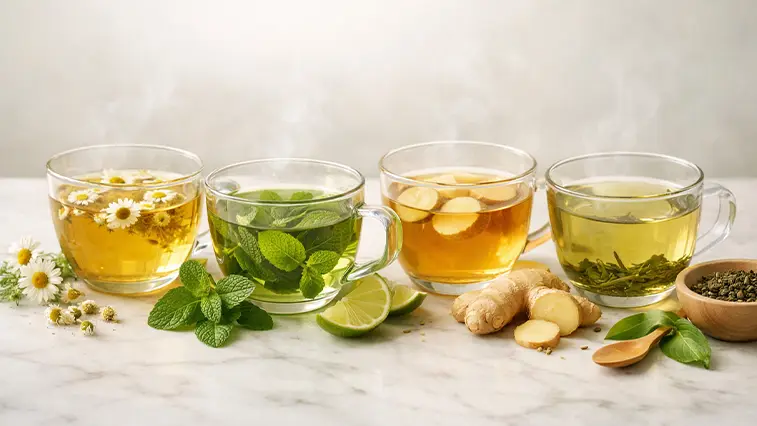
Best Herbal Teas for Stress, Digestion, and Immune Support
Herbal teas have been used for centuries as part of traditional wellness routines. Some herbs are used to support relaxation, others are linked with digestion, and some are commonly used during cold and flu season for comfort and hydration.
Whether you want a warm drink after a long day, a gentle option after meals, or a tea that supports your body during tired seasons, there are many herbal teas that can fit into a healthy routine.
Important note: Herbal teas do not treat anxiety, insomnia, irritable bowel syndrome, infections, colds, flu, or immune deficiency. They may support general wellness, but they should not replace medical diagnosis or treatment when symptoms are persistent or severe.
What Is Herbal Tea?
Herbal tea is not always “tea” in the strict botanical sense. True tea comes from Camellia sinensis, such as green tea or black tea. Herbal teas are infusions made from leaves, flowers, roots, seeds, or fruits of different plants, such as chamomile, peppermint, ginger, fennel, turmeric, or elderberry.
The benefits vary depending on the plant part used and its active compounds. Readers interested in herbs can explore Vitaminati’s herbs section for broader guidance on benefits, uses, and safety.
Herbal Teas for Stress and Relaxation
Stress is a normal part of life, but certain herbal teas may help create a calming daily ritual, especially when combined with good sleep habits and reduced evening caffeine.
1. Chamomile Tea
Chamomile tea is one of the most popular herbal teas for relaxation and sleep. Chamomile contains plant compounds such as apigenin, a flavonoid studied for its possible calming effects through brain receptors involved in relaxation.
Chamomile tea may help some people unwind before bed or reduce mild stress, but it should not be used as a treatment for anxiety or chronic insomnia. People allergic to plants in the Asteraceae family, such as ragweed or chrysanthemums, should be cautious.
You can read more in Vitaminati’s article on chamomile benefits and relaxation support.
2. Lavender Tea
Lavender is traditionally used for relaxation, either as an aroma or a light herbal tea. Some research suggests that certain lavender preparations may support mild anxiety or sleep quality, but evidence varies depending on the product and form used.
Do not overuse lavender tea or take lavender essential oil internally without supervision. Use caution with sedative medications and hormone-sensitive conditions, especially with concentrated or long-term use.
3. Lemon Balm Tea
Lemon balm, or Melissa officinalis, belongs to the mint family and is traditionally used for calmness and mood support. Some lemon balm extracts may help mild stress or sleep support in some people.
However, lemon balm is not a treatment for anxiety or depression. Caution is recommended for people using thyroid medications, sedatives, or regular medications.
Herbal Teas for Digestion and Stomach Comfort
Some herbal teas are traditionally used after meals to reduce heaviness, gas, or mild nausea. Repeated or severe digestive symptoms should be medically evaluated, especially if there is severe pain, bleeding, weight loss, or persistent vomiting.
1. Peppermint Tea
Peppermint tea contains menthol, the compound that gives mint its cooling effect. Peppermint is traditionally used to support digestion and reduce bloating or gas in some people.
It is worth noting that the strongest evidence is usually for enteric-coated peppermint oil in some people with IBS, not necessarily peppermint tea alone. Peppermint may worsen reflux or heartburn in some people.
You can read more in Vitaminati’s article on mint and digestive support.
2. Ginger Tea
Ginger tea is one of the best-known herbal drinks for nausea. Scientific sources suggest that ginger may help nausea and vomiting associated with pregnancy in some women, but medical advice is recommended during pregnancy.
Ginger may also support digestive movement and reduce mild nausea, but it is not suitable for everyone. Caution is needed with blood thinners, gallstones, or chronic medications.
You can read Vitaminati’s article on ginger for the stomach and nausea.
3. Fennel Tea
Fennel tea is traditionally used to support digestion and reduce bloating or mild cramps. Fennel contains aromatic compounds that may help relax digestive muscles in some people.
However, pregnant or breastfeeding women, young children, and people with hormone-sensitive conditions should use caution unless a healthcare professional approves. Fennel tea should not be used for severe abdominal pain or persistent digestive symptoms.
Herbal Teas for Immune Support and Cold-Season Comfort
The immune system does not depend on one herb. It requires sleep, balanced nutrition, essential vitamins and minerals, physical activity, and stress management. Still, some herbal teas can be helpful as part of comfort and hydration during cold season.
1. Echinacea Tea
Echinacea is a popular herb during cold season. Some evidence suggests that it may slightly reduce the chance of catching a cold, but it is still unclear whether it shortens cold duration or severity.
Echinacea should not replace medical care and should not be given to children, people with autoimmune diseases, or those allergic to Asteraceae-family plants without medical advice.
2. Turmeric Tea
Turmeric tea contains curcumin, a plant compound studied for its potential role in inflammatory balance and antioxidant defense. It can be a warm and useful drink within a balanced diet, especially when prepared with ginger or a small pinch of black pepper to support absorption.
However, turmeric tea does not directly “boost immunity” or prevent infections. High-dose turmeric supplements require caution in people taking blood thinners, diabetes medications, or those with gallbladder or liver problems.
For more, read Vitaminati’s complete turmeric guide and article on turmeric with black pepper.
3. Elderberry Tea
Elderberry is traditionally used during cold and flu season. Preliminary evidence suggests that elderberry products may help relieve some symptoms of upper respiratory infections, but the evidence remains limited, and it should not be relied on for prevention or treatment.
It is very important not to consume raw or unripe elderberries or plant parts such as leaves and stems, because they may contain toxic compounds that cause nausea, vomiting, and severe diarrhea. Use only properly prepared or commercially formulated products.
4. Immune Support Starts With Essentials
Rather than relying on one tea, it is better to support immune health with essentials such as vitamin C, vitamin D, zinc, iron, and selenium when needed. You can read Vitaminati’s article on the role of vitamins in immunity.
How to Add Herbal Tea to Your Daily Routine
- Start with one cup: Watch how your body responds before making any herbal tea a daily habit.
- Choose by goal: Chamomile or lemon balm for relaxation, peppermint or ginger for digestion, turmeric or elderberry for cold-season comfort.
- Do not mix too many herbs at once: Overblending makes it harder to identify what caused any side effect.
- Use trusted products: Choose high-quality herbs without unnecessary additives.
- Avoid excess sugar: Too much sugar reduces the wellness value of the drink.
- Ask a clinician when needed: Especially during pregnancy, breastfeeding, chronic disease, or use of blood thinners, diabetes medications, blood pressure drugs, sedatives, or immune medications.
Who Should Be Careful With Herbal Teas?
Although herbal tea seems simple, some herbs can interact with medications or be unsuitable for certain people. Use caution in the following cases:
- Pregnancy and breastfeeding.
- Children, unless recommended by a professional.
- Plant allergies, especially to the Asteraceae family, such as chamomile or echinacea.
- Liver, kidney, or gallbladder disease.
- Autoimmune disease or use of immune-suppressing medications.
- Use of blood thinners, diabetes medications, blood pressure drugs, or sedatives.
Conclusion
Herbal tea offers a gentle way to support relaxation, digestion, and daily hydration. Chamomile and lemon balm may support calmness, peppermint and ginger may support stomach comfort, and turmeric, elderberry, and echinacea are traditionally used during cold season.
Still, herbal tea is not a treatment for disease. It works best as part of a healthy routine that includes sleep, nutrition, movement, and stress reduction. If you take medications or have a health condition, choose herbal teas carefully.
FAQs About Herbal Tea
What is the best herbal tea for stress?
Chamomile, lavender, and lemon balm are commonly used for relaxation. However, they do not treat anxiety or chronic insomnia, and persistent symptoms need professional support.
What is the best tea for digestion and bloating?
Peppermint, ginger, and fennel are commonly used for digestion. Severe pain or persistent bloating should be medically evaluated.
Does herbal tea boost immunity?
No single tea boosts immunity on its own. Some herbs support comfort and hydration, but immune health depends on nutrition, sleep, activity, and essential nutrients.
Can I drink herbal tea every day?
It may be suitable for some adults, but moderation and variety are best. Some herbs are not appropriate during pregnancy, with medications, or with chronic disease.
Is herbal tea safe during pregnancy?
Not always. Some herbs may be unsuitable during pregnancy. Ask a healthcare professional before using herbal teas regularly while pregnant or breastfeeding.
Can I mix different herbal teas?
Some blends are fine, but avoid overmixing, especially if you are new to herbs or take medications, so it is easier to identify side effects.
Scientific References
- NCCIH: Chamomile — Usefulness and Safety
- Memorial Sloan Kettering Cancer Center: Lavender
- NCBI LiverTox: Lemon Balm
- NCCIH: Peppermint Oil — Usefulness and Safety
- NCCIH: Ginger — Usefulness and Safety
- NCCIH: Echinacea — Usefulness and Safety
- NCCIH: Turmeric — Usefulness and Safety
- NCCIH: Elderberry — Usefulness and Safety
Medical disclaimer: This article is for general educational purposes only and is not a substitute for medical or pharmaceutical advice. If you are pregnant, breastfeeding, have a chronic condition, plant allergy, or take regular medications, consult a healthcare professional before using herbal teas regularly or in high amounts.