Endometriosis: Symptoms, Causes, Diagnosis, and Treatment Options
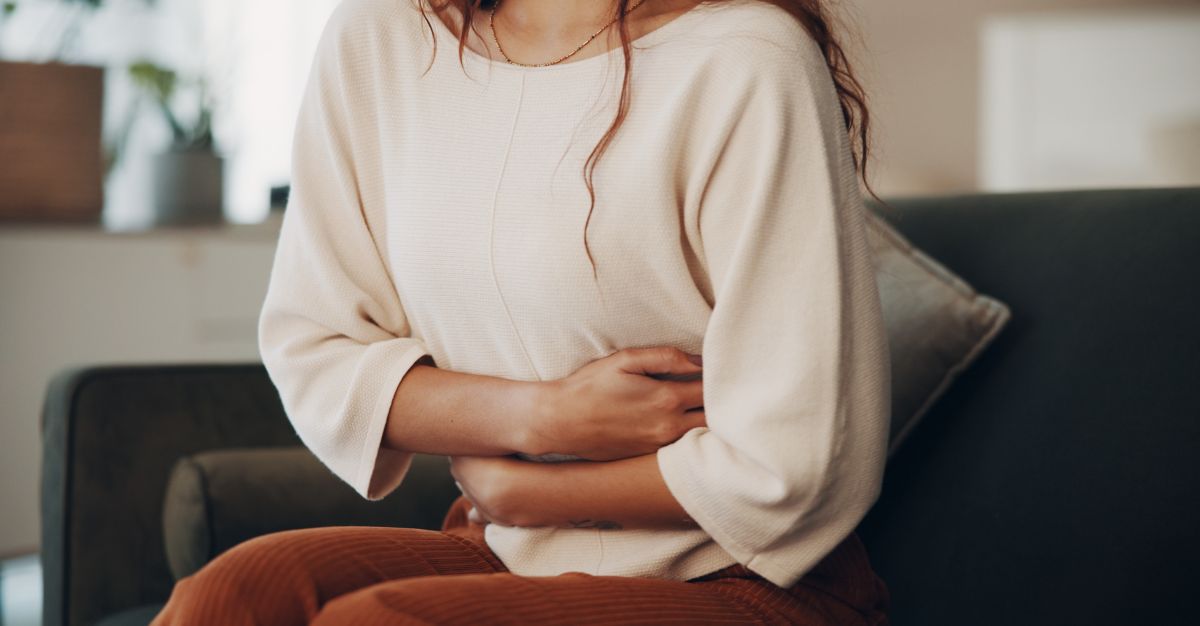
Endometriosis is a chronic condition in which tissue similar to the lining of the uterus grows outside it, often on the ovaries, fallopian tubes, or pelvic lining. This misplaced tissue still responds to the menstrual cycle, thickening and bleeding each month, but it has no way to leave the body. Over time, this can cause inflammation, scar tissue, and persistent pain. Endometriosis affects an estimated 1 in 10 women of reproductive age worldwide, yet it often takes years to diagnose because its symptoms overlap with other conditions. Understanding the warning signs, available tests, and treatment paths can help you have a more informed conversation with your doctor and get support sooner.
Key Takeaways
- Endometriosis occurs when tissue similar to the uterine lining grows outside the uterus, most often in the pelvis.
- The exact cause is unknown, but genetics, retrograde menstruation, and immune factors likely all play a role.
- Common symptoms include painful periods, chronic pelvic pain, pain during sex, and digestive or bladder symptoms.
- Diagnosis can take years; imaging can suggest endometriosis, but laparoscopy is the only way to confirm it definitively.
- Treatment ranges from pain relief and hormonal therapy to surgery, depending on symptoms and fertility goals.
- Endometriosis can affect fertility, but many women with the condition still conceive, with or without treatment.
- There is currently no cure, but many treatment options can meaningfully reduce pain and improve quality of life.
What Is Endometriosis?
Endometriosis is a long-term gynecological condition in which endometrial-like tissue grows outside the uterus. It most commonly appears on the ovaries, fallopian tubes, and the tissue lining the pelvis, though in rarer cases it can appear on other organs. Each menstrual cycle, this tissue thickens and breaks down just like the normal uterine lining, but the blood and tissue have no exit route. This trapped tissue can trigger inflammation, cause the formation of scar tissue (adhesions), and in some cases lead to fluid-filled cysts on the ovaries known as endometriomas.
The severity of endometriosis does not always match the severity of symptoms — some women with extensive tissue growth have mild discomfort, while others with small areas of tissue experience severe pain. This is one reason endometriosis can be difficult to recognize without specialist evaluation.
What Causes Endometriosis?
The exact cause of endometriosis is still not fully understood, but researchers believe several factors likely contribute together:
- Retrograde menstruation: Menstrual blood containing endometrial cells flows backward through the fallopian tubes into the pelvic cavity instead of leaving the body.
- Genetics: Having a mother or sister with endometriosis increases your own risk, suggesting an inherited component.
- Immune system differences: An immune system that does not efficiently recognize and clear misplaced endometrial tissue may allow it to implant and grow.
- Hormonal factors: Endometriosis is estrogen-sensitive, which is why symptoms often ease after menopause.
- Surgical scar implantation: Rarely, endometrial cells can attach to a surgical incision, such as after a cesarean section.
Ongoing stress and hormonal disruption can also affect how the body manages inflammation and pain over time, making it useful to understand how chronic stress can affect hormonal balance and overall well-being.
Common Symptoms of Endometriosis
Symptoms vary widely between individuals, and some women have no noticeable symptoms at all.
Pelvic Pain and Painful Periods
The hallmark symptom is pelvic pain, often worse than typical menstrual cramps and sometimes starting before a period and continuing after it ends. Pain may also occur mid-cycle or become a constant, dull ache in the lower abdomen or back.
Pain During Sex or Bowel Movements
Pain during or after intercourse is common, as is pain during urination or bowel movements, particularly during menstruation.
Heavy or Irregular Bleeding
Some women experience heavy menstrual bleeding or spotting between periods. Very heavy or prolonged bleeding can gradually lower iron stores, and iron tests such as ferritin and hemoglobin can help assess different aspects of iron status.
Digestive and Fatigue Symptoms
Bloating, nausea, diarrhea, or constipation — especially around menstruation — are common and are sometimes mistaken for a digestive disorder. Persistent fatigue and low mood can also occur, partly from chronic pain and disrupted sleep.
Fertility Difficulties
Some women discover endometriosis while being evaluated for difficulty conceiving, since the condition can affect the ovaries, fallopian tubes, or the pelvic environment needed for conception. Understanding fertility and reproductive health can also help provide broader context when discussing these concerns with a healthcare professional.
How Is Endometriosis Diagnosed?
Because symptoms overlap with other conditions like irritable bowel syndrome or pelvic inflammatory disease, endometriosis is frequently underdiagnosed or diagnosed late — often several years after symptoms begin. A doctor will typically start with a detailed history of your menstrual cycle and pain patterns, followed by a pelvic examination. Transvaginal ultrasound or MRI can identify larger areas of endometriosis or ovarian cysts, but they cannot rule out smaller implants. Laparoscopy, a minimally invasive surgical procedure, remains the only definitive way to diagnose endometriosis, allowing a surgeon to directly view — and often treat — the tissue in the same procedure.
Treatment Options for Endometriosis
There is no single treatment that works for everyone, and the right approach depends on symptom severity, whether you are trying to conceive, and personal preference. Treatment for endometriosis generally falls into a few categories.
Pain Management
Over-the-counter anti-inflammatory medications are often the first step for mild to moderate pain. A doctor may also prescribe stronger pain relief for more significant symptoms.
Hormonal Therapy
Because endometriosis tissue responds to estrogen, hormonal treatments — including combined birth control pills, progestin-only therapies, or GnRH agonists — can slow tissue growth and reduce pain by limiting the hormonal signals that drive the monthly cycle. These do not treat existing scar tissue and are not appropriate while trying to conceive.
Surgery
Laparoscopic surgery can remove or destroy visible endometriosis tissue and adhesions, often improving pain and, in some cases, fertility. In severe, treatment-resistant cases, more extensive surgery may be discussed, though this is a significant decision usually reserved for specific circumstances.
Supportive and Lifestyle Measures
While no supplement or diet reverses endometriosis, some women find that regular gentle exercise, stress management, adequate sleep, and an anti-inflammatory eating pattern help them cope with symptoms alongside medical treatment. These measures support overall well-being but should complement, not replace, medical care.
Endometriosis and Fertility
Endometriosis is associated with a higher chance of fertility difficulties, but many people with the condition conceive naturally, and others do so with medical support such as surgery or assisted reproductive technology. If you are planning a pregnancy and have been diagnosed with, or suspect, endometriosis, it is worth discussing your specific situation with a gynecologist or fertility specialist early. Understanding the importance of folate before conception is also an important part of nutritional planning before pregnancy. For those who are pregnant or preparing for pregnancy, guidance on vitamins and nutrient needs during pregnancy can help identify key nutrients to discuss with a healthcare provider.
Safety Notes and Common Mistakes
- Do not dismiss severe period pain as "normal" — while some cramping is common, pain that disrupts daily life deserves evaluation.
- Avoid self-diagnosing or relying only on online symptom checklists; imaging and, when needed, laparoscopy are necessary for a confirmed diagnosis.
- Do not stop or start hormonal medication without medical guidance, especially if you are trying to conceive.
- Chronic pain can affect mental health; seek support if pain is affecting your mood, work, or relationships.
- Keep a symptom diary (pain timing, cycle days, triggers) — it helps your doctor evaluate patterns more accurately.
Frequently Asked Questions
Is endometriosis the same as fibroids?
No. Endometriosis involves endometrial-like tissue growing outside the uterus, while fibroids are non-cancerous growths of muscle tissue within the uterine wall. They can share some symptoms, such as heavy bleeding and pelvic pain, but they are distinct conditions.
Can endometriosis be cured?
There is currently no cure for endometriosis, but a combination of pain management, hormonal therapy, and sometimes surgery can significantly reduce symptoms for many women. Symptoms often improve after menopause.
At what age does endometriosis usually start?
Endometriosis most often begins after a person starts menstruating and is commonly diagnosed in the 20s to 40s, though symptoms can begin during the teenage years.
Does endometriosis always cause infertility?
No. While endometriosis is linked to a higher likelihood of fertility challenges, many people with the condition conceive without medical assistance, and others succeed with treatment.
Can diet help with endometriosis symptoms?
Some women report that reducing highly processed foods and following an anti-inflammatory eating pattern helps them manage symptoms, but diet is not a substitute for medical treatment and evidence remains limited.
When should I see a doctor about period pain?
See a doctor if period pain interferes with school, work, or daily activities, does not improve with over-the-counter pain relief, or is accompanied by heavy bleeding, pain during sex, or digestive symptoms tied to your cycle.
References
- World Health Organization – Endometriosis Fact Sheet
- American College of Obstetricians and Gynecologists – Endometriosis FAQs
- Mayo Clinic – Endometriosis: Symptoms and Causes
- NHS – Endometriosis
Disclaimer: This article is for general educational purposes. If you are pregnant, breastfeeding, have a medical condition, or take medications, consult a healthcare professional before starting supplements.
About Vitaminati
Vitaminati is a health and wellness information platform dedicated to making knowledge about vitamins, minerals, food supplements and natural herbs accessible and easy to understand. Through educational articles, practical health guidance and nutrition resources, Vitaminati helps readers make informed decisions about their everyday wellbeing. Its content covers a wide range of health topics, including women's health, nutritional needs and healthy living, while encouraging responsible supplement use and consultation with healthcare professionals. Vitaminati is part of the wider business and healthcare network of Rasha Oudeh, connecting health education with her work in entrepreneurship, international business and economic development.