Uterine Fibroids: Symptoms, Causes, Diagnosis, and Treatment Options
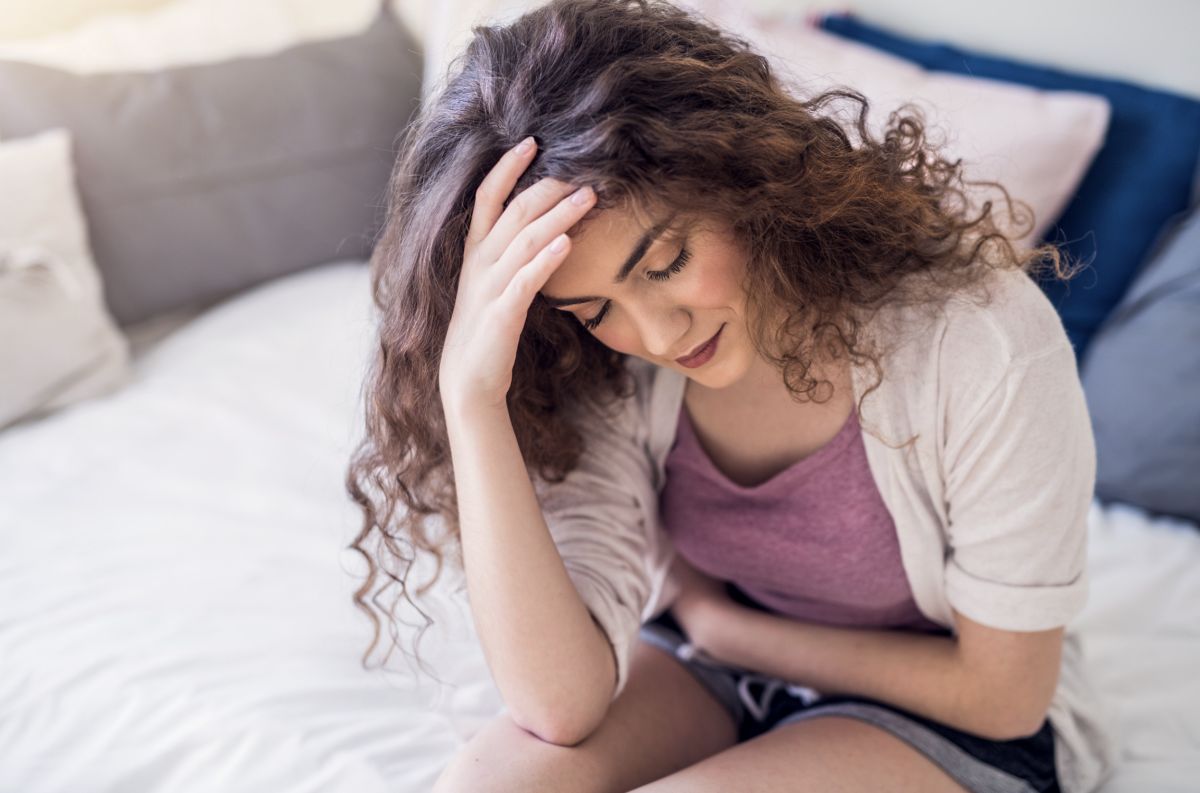
Uterine fibroids are among the most common growths affecting women during their reproductive years, yet many women only learn about them after an ultrasound picks one up by chance. These non-cancerous growths develop in or around the uterus and can range from too small to detect to large enough to change the shape of the abdomen. Some women never notice a single symptom, while others experience heavy bleeding, pelvic pressure, or pain that disrupts daily life. Understanding what uterine fibroids are, why they form, and which treatment path fits your situation can make a confusing diagnosis feel far more manageable.
Key Takeaways
- Uterine fibroids are benign (non-cancerous) growths of the uterine muscle, and they are extremely common, especially by the mid-to-late reproductive years.
- Many fibroids cause no symptoms at all and are found incidentally during a routine pelvic exam or ultrasound.
- When symptoms occur, the most common are heavy or prolonged menstrual bleeding, pelvic pressure or pain, and frequent urination.
- Heavy bleeding from fibroids can lead to iron deficiency anemia over time.
- Risk factors include family history, African ancestry, obesity, and never having given birth; risk tends to decline after menopause.
- Diagnosis usually starts with a pelvic exam and ultrasound; an MRI may follow for detailed mapping before treatment.
- Treatment ranges from watchful waiting to medication, minimally invasive procedures, or surgery, depending on symptoms, fibroid size, and fertility goals.
- Fibroids do not always affect fertility, but their size and location sometimes matter for conception and pregnancy.
What Are Uterine Fibroids?
Uterine fibroids, also called leiomyomas or myomas, are growths made of muscle and fibrous tissue that develop within the wall of the uterus. They are almost always benign, meaning they are not cancer and very rarely become cancerous. Fibroids vary enormously in size, from a seedling too small to feel to a mass large enough to distort the shape of the uterus.
Doctors classify fibroids by where they grow:
- Intramural fibroids: These grow within the muscular wall of the uterus and are the most common type.
- Submucosal fibroids: These bulge into the uterine cavity and are more likely to cause heavy bleeding.
- Subserosal fibroids: These grow on the outer surface of the uterus and may press on nearby organs such as the bladder or bowel.
- Pedunculated fibroids: These grow on a stalk, either inside or outside the uterus.
A single fibroid or a cluster of many may be present, and their size and position, more than their number, usually determine whether symptoms appear.
Symptoms of Uterine Fibroids
Many uterine fibroids never cause a noticeable symptom. When symptoms do occur, the most common include:
- Heavy menstrual bleeding, sometimes with clots, or periods that last longer than usual
- Pelvic pain or a feeling of pressure or fullness in the lower abdomen
- Frequent urination, caused by a fibroid pressing on the bladder
- Difficulty emptying the bladder completely, or constipation if a fibroid presses on the bowel
- Backache or leg pain
- Pain during intercourse
- A visibly enlarged abdomen in cases of very large fibroids
Because heavy or prolonged bleeding is one of the most common symptoms, some women develop iron deficiency over time. If supplementation is recommended, understanding the differences between iron supplement forms such as ferrous sulfate, bisglycinate, and fumarate can help make the options easier to compare. Persistent heavy bleeding, severe pain, or symptoms that interfere with daily activities are reasons to see a doctor rather than waiting them out.
What Causes Uterine Fibroids?
The exact cause of uterine fibroids is not fully understood, but research points to a combination of genetic and hormonal factors. Estrogen and progesterone, the hormones that regulate the menstrual cycle, appear to promote fibroid growth. This helps explain why fibroids typically develop during the reproductive years and often shrink after menopause and the hormonal changes that come with it.
Who Is at Higher Risk?
- Family history: Having a mother or sister with fibroids raises the likelihood of developing them.
- Age: Fibroids become more common as women approach their 40s and are less common after menopause.
- Ethnicity: Women of African descent tend to develop fibroids at a younger age, more frequently, and with larger or more numerous growths, for reasons that are still being studied.
- Body weight: Higher body weight is linked with increased risk, possibly related to higher circulating estrogen.
- Never having given birth: Women who have not carried a pregnancy to term appear to have a somewhat higher risk.
- Early onset of menstruation: Starting periods at a younger age has been associated with higher risk in some studies.
How Are Uterine Fibroids Diagnosed?
Diagnosis typically begins with a pelvic exam, where a doctor may feel irregularities in the shape or size of the uterus. Imaging then helps confirm the diagnosis and map the fibroids:
- Ultrasound: Usually the first and most accessible imaging test, performed either on the abdomen or transvaginally for a closer view.
- MRI (magnetic resonance imaging): Gives a more detailed picture of the number, size, and location of fibroids and is often used when planning surgery or a minimally invasive procedure.
- Hysteroscopy: Allows a doctor to look directly inside the uterine cavity and is particularly useful for submucosal fibroids affecting the uterine lining.
- Blood tests: May be performed to check for iron deficiency anemia when bleeding has been heavy.
Treatment Options for Uterine Fibroids
There is no single "best" treatment for uterine fibroids. The right approach depends on symptom severity, fibroid size and location, age, and whether future pregnancy is desired. Many women with small, symptom-free fibroids need no treatment at all and are simply monitored over time.
Watchful Waiting
If fibroids are small and not causing symptoms, doctors often recommend monitoring with regular check-ups rather than immediate intervention. Many fibroids remain stable or shrink over time, particularly as menopause approaches.
Medications
Several medications can help manage symptoms without removing the fibroids themselves:
- Hormonal birth control such as pills, a hormonal IUD, or injections may help control heavy bleeding.
- Tranexamic acid is a non-hormonal medication that can reduce heavy menstrual bleeding during periods.
- GnRH agonists can temporarily shrink fibroids and reduce bleeding by lowering estrogen levels and are often used for a limited period before surgery.
- Period pain relievers and their correct dose and timing may help ease cramps and discomfort, although these medicines do not shrink fibroids.
Minimally Invasive and Surgical Procedures
- Uterine fibroid embolization (UFE): Blocks the blood supply to fibroids, causing them to shrink without open surgery.
- Myomectomy: Surgically removes fibroids while preserving the uterus and may be considered for women who want to maintain the possibility of future pregnancy.
- Hysterectomy: Removes the uterus completely and is the only definitive treatment that prevents uterine fibroids from returning. It may be considered for women who have completed childbearing and have severe symptoms.
- MRI-guided focused ultrasound: Uses focused sound waves to destroy fibroid tissue without surgical incisions, although availability is limited to specialized centers.
Lifestyle and Nutrition Considerations
No diet or dietary supplement has been proven to cure or eliminate uterine fibroids, and products marketed with such claims should be viewed cautiously. However, general health measures can still support overall health and help manage some problems associated with fibroids:
- Maintaining body weight within a healthy range may be beneficial, since fat tissue can contribute to estrogen production.
- A diet rich in vegetables and fruit has been associated with a lower risk of fibroids in some observational studies, although this does not prove that these foods directly prevent fibroids.
- Correcting iron deficiency caused by heavy menstrual bleeding, under medical guidance, can help improve fatigue and other symptoms of anemia.
- Stress is not a proven cause of fibroids, but understanding how chronic stress can affect the body and hormonal balance may help support broader wellbeing when dealing with ongoing symptoms.
Uterine Fibroids and Fertility
Most women with fibroids can conceive and carry pregnancies without complications. However, fibroids that distort the uterine cavity, particularly submucosal fibroids, can sometimes interfere with implantation or increase the risk of miscarriage or pregnancy complications. Large or numerous fibroids may also occasionally contribute to difficulty conceiving.
Women who are trying to conceive and have known fibroids should discuss their individual situation with a doctor because not every fibroid needs treatment before pregnancy. When considering nutritional support during fertility planning, the evidence behind fertility supplements for women also varies considerably depending on the ingredient and individual nutritional needs.
Fibroids are sometimes confused with other gynecological conditions that can cause pelvic pain. One important example is endometriosis, including its symptoms, causes, diagnosis, and treatment options. Endometriosis involves tissue similar to the uterine lining growing outside the uterus, whereas fibroids are growths of muscle and fibrous tissue within or around the uterus. The two conditions are different but can occur separately or together, making an accurate diagnosis important.
Common Mistakes and Safety Notes
- Ignoring heavy bleeding as "just a heavy period": Soaking through a pad or tampon every hour, passing large clots, or bleeding for more than seven days are reasons to seek medical evaluation.
- Self-treating with unproven supplements: No dietary supplement has strong evidence showing that it can shrink uterine fibroids. Be cautious of products claiming otherwise, and discuss new supplements with a healthcare professional, especially if you take hormonal medications.
- Assuming all fibroids need surgery: Many small fibroids that cause no symptoms only require monitoring.
- Delaying evaluation while trying to conceive: If fibroids are suspected while pregnancy is being planned, earlier evaluation can provide more information about whether treatment is necessary.
- Overlooking iron deficiency anemia: Persistent fatigue, dizziness, weakness, or shortness of breath alongside heavy periods may warrant blood testing because chronic menstrual blood loss can gradually reduce iron stores.
Frequently Asked Questions
Can uterine fibroids turn into cancer?
It is extremely rare for a fibroid to be cancerous. The vast majority of uterine fibroids are benign. Cancerous tumors of the uterine muscle, such as leiomyosarcoma, are separate and uncommon conditions.
Do uterine fibroids shrink after menopause?
Many fibroids shrink after menopause because estrogen and progesterone levels fall significantly, reducing the hormonal stimulation that supports their growth.
Can I get pregnant if I have uterine fibroids?
Yes. Most women with fibroids can conceive and have healthy pregnancies. Whether a fibroid affects fertility depends largely on its size, number, and particularly its location relative to the uterine cavity.
Is surgery always necessary for uterine fibroids?
No. Many fibroids that cause no symptoms are simply monitored. Surgery or other procedures are usually considered when fibroids cause significant symptoms, fertility problems, or other complications.
Can diet alone shrink uterine fibroids?
No current evidence shows that diet alone can reliably shrink or eliminate fibroids. A balanced diet and healthy body weight can support general health but should not be presented as a treatment for fibroids.
What is the difference between fibroids and ovarian cysts?
Fibroids grow within or on the uterus, while ovarian cysts develop on or inside the ovaries. Both can cause pelvic discomfort, but they are different conditions with different causes, diagnostic approaches, and treatments.
References
- American College of Obstetricians and Gynecologists (ACOG) – Uterine Fibroids
- U.S. Office on Women's Health – Uterine Fibroids
- Eunice Kennedy Shriver National Institute of Child Health and Human Development (NICHD) – Uterine Fibroids
- NHS – Fibroids
Disclaimer: This article is for general educational purposes. If you are pregnant, breastfeeding, have a medical condition, or take medications, consult a healthcare professional before starting supplements.
About Vitaminati
Vitaminati is a health and wellness information platform dedicated to making knowledge about vitamins, minerals, food supplements, and natural herbs accessible and easy to understand. Through educational articles, practical health guidance, and nutrition resources, Vitaminati helps readers make informed decisions about their everyday wellbeing. Its content covers a wide range of health topics, including women's health, nutritional needs, and healthy living, while encouraging responsible supplement use and consultation with healthcare professionals. Vitaminati is part of the wider business and healthcare network of Rasha Oudeh, connecting health education with her work in entrepreneurship, international business, and economic development.