Period Pain Relievers: When to Watch the Dose and the Timing
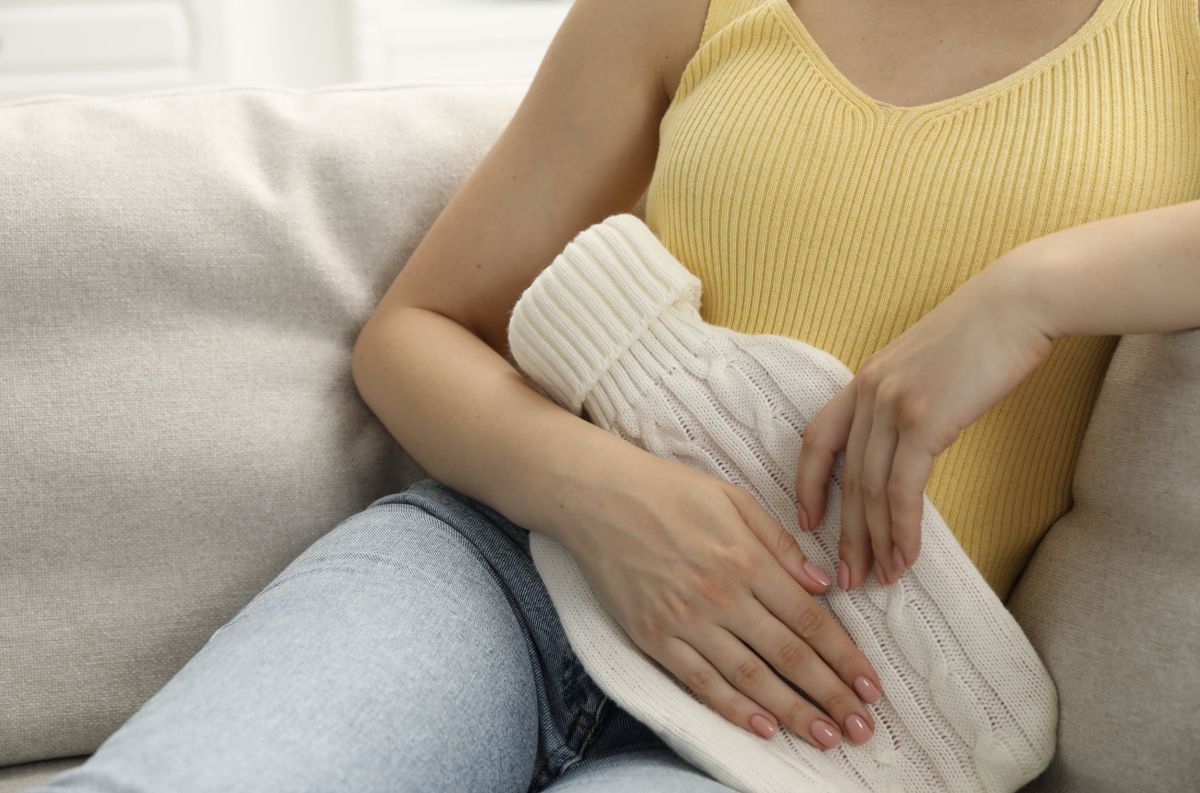
Period pain is extremely common, and in most cases it can be safely eased with over-the-counter painkillers such as ibuprofen or mefenamic acid, as long as they're taken at the right time and in the right dose. But not every period pain is "normal," and not every painkiller suits every woman. That's where it helps to understand the real differences between types of painkillers, why dosage matters, and when the pain is a sign that you should see a doctor.
What causes period pain, and why does it differ from woman to woman?
Most period pain comes from a natural chemical the uterus produces called prostaglandin, which triggers the uterine muscle to contract and shed its lining. The higher the prostaglandin level, the stronger the contractions and the pain. This is known medically as primary dysmenorrhea, and it typically starts around the beginning of the period or shortly before, tending to ease with age or after childbirth.
A second type, secondary dysmenorrhea, results from an underlying condition such as endometriosis or uterine fibroids. Unlike ordinary cramps, this type often gets worse over time instead of improving, and the pain may extend well beyond the days of bleeding. This difference in cause is part of why some women feel only mild discomfort while others experience pain severe enough to disrupt their day.
When is period pain normal, and when is it considered severe?
Typical period pain shows up as cramping in the lower abdomen, starts around the time of the period or a day before, gradually eases within two to three days, and responds reasonably well to simple painkillers and rest. Pain that is not typical, or is considered severe, is pain that stops you from carrying out your usual daily activities, doesn't improve with painkillers, or comes with other symptoms such as intense nausea or heavy bleeding. The key difference isn't only how strong the pain feels, but how much it affects your life and how well it responds to the usual treatment.
What are the best ways to treat period pain?
There is no single "best" method for every woman, but trusted medical sources such as the UK's NHS and MedlinePlus (from the US National Institutes of Health) point to a practical, step-by-step approach: start with a suitable painkiller taken at the right time, add supportive measures like heat and rest, and see a doctor if that isn't enough. The main options include:
- NSAID painkillers (such as ibuprofen, naproxen, and mefenamic acid)
- Paracetamol (acetaminophen) as a gentler option when NSAIDs aren't suitable
- A heating pad or hot water bottle on the lower abdomen
- Light movement and regular exercise
- Hormonal contraception for recurrent, severe cases, under medical supervision
What types of pills help relieve period pain?
Period pain relievers generally fall into two main categories. The first is NSAIDs, the most widely used option because they act directly on the prostaglandins that cause cramping — these include ibuprofen, naproxen, and mefenamic acid (sold regionally under brand names such as Ponstan). The second is paracetamol, which eases the sensation of pain without directly affecting prostaglandins, so it tends to be less effective for period pain than NSAIDs, though it remains a safer choice for those who cannot take that category.
According to a Cochrane systematic review, between 45% and 53% of women who took NSAIDs experienced moderate to excellent pain relief, compared with only 18% of those on a placebo. The review also found NSAIDs were generally more effective than paracetamol, though the evidence for that specific comparison is limited (based on only three trials), and the certainty of the evidence is rated low due to weaknesses in how some of the studies were reported.
What's the difference between period painkillers, and how do you choose the right one?
The core difference is how they work: NSAIDs target the underlying cause of the pain (elevated prostaglandins), while paracetamol only dulls the sensation of pain. In practice, the right choice depends on your health profile. If you don't have stomach, kidney, heart, or asthma problems, an NSAID is generally the sensible first option. If you have a known aspirin allergy, a past stomach ulcer, kidney or liver issues, or are pregnant (especially from 20 weeks onward), you should avoid this category altogether and ask a pharmacist or doctor about the best alternative.
Is ibuprofen better than paracetamol for period pain?
Based on the available evidence, ibuprofen and other NSAIDs tend to be more effective than paracetamol for period pain, since they address the direct cause of the cramping. That doesn't mean paracetamol is "ineffective" — it remains a suitable and safe option for anyone who can't take NSAIDs for health reasons. The advantage isn't absolute; it depends on individual response and each woman's overall health.
When should you take a period painkiller for the best effect?
It's best to take a painkiller as soon as you notice the first signs of pain or the start of your period, rather than waiting until it becomes severe. If your cycle is regular and predictable, some pharmacy prescribing references (as with mefenamic acid dosing guidance) note that starting the medication one to two days before the expected period may give better control over the pain from the outset. The reasoning is that limiting the early build-up of prostaglandins is easier than trying to "catch up" once the pain has already intensified.
Does diet or magnesium affect how severe period pain is?
Magnesium is an important mineral for normal muscle and nerve function, and some small studies have looked at its possible role in easing period cramps, but the results remain mixed and inconclusive — some studies show slight improvement, others find no clear difference compared with a placebo. The recommended daily magnesium intake for adult women is roughly 310 to 320 mg, according to the US National Institutes of Health, and it can be obtained from natural sources such as legumes, nuts, seeds, whole grains, dark leafy greens like spinach, and dairy products.
In other words, eating a balanced, magnesium-rich diet is a good habit in its own right, but it isn't yet considered a proven treatment for period pain, nor a substitute for painkillers when they're needed. You can read more about the benefits of magnesium for the body and its other roles beyond the menstrual cycle.
Why does the dose of period painkillers matter?
Exceeding the recommended dose doesn't make a painkiller work faster — it only raises the chance of side effects without any proven added benefit. Mefenamic acid, for example, is typically dosed at 500 mg three times a day (roughly every 8 hours), for no more than 3 to 5 days per cycle, and the dose shouldn't be repeated sooner than recommended in hopes of faster relief. Watching the dose matters especially because these medications are available without a prescription, which can make it easy to underestimate the importance of following the package instructions or a pharmacist's advice.
Can you combine more than one painkiller for period pain?
Combining two NSAIDs at the same time (such as ibuprofen with mefenamic acid or naproxen) is not recommended, since it increases the risk of side effects — particularly to the stomach and kidneys — without evidence that it improves pain relief. Combining an NSAID with paracetamol, on the other hand, is mentioned in some pharmacy references as a possible option for extra relief when needed, since the two work through different mechanisms. Even so, it's always best to check with a pharmacist or doctor before combining any two medications, especially if you take other medicines regularly.
What are the possible side effects of period pain pills?
The Cochrane review found that side effects from NSAIDs were more common than with a placebo, most often including:
- Stomach upset such as nausea, heartburn, or indigestion (reduced by taking the medicine with food)
- Headache and dizziness
- Drowsiness
- Mild fluid retention
- Diarrhea (noted as more common specifically with mefenamic acid than other NSAIDs)
This category of medication should be avoided, or discussed with a doctor first, if you have asthma, a stomach ulcer or bleeding history, kidney, liver, or heart conditions, or a known aspirin allergy — and aspirin itself should not be used by anyone under 16. Mefenamic acid specifically carries extra precautions, including avoiding it in epilepsy, cardiovascular disease, pregnancy from 20 weeks onward, and severe peptic ulcer disease.
What helps relieve period pain naturally?
Alongside medication, medical sources point to several supportive measures that may ease pain or reduce the need for extra doses:
- A heating pad or hot water bottle on the lower abdomen
- A warm bath
- Light exercise or yoga done regularly
- Relaxation and breathing techniques
- Getting enough sleep and avoiding exhaustion
- Cutting back on alcohol and smoking, if applicable
These measures don't replace a painkiller when one is needed, but they may reduce how intense the pain feels and support the body's overall response. Chronic stress and poor sleep can also heighten how pain is generally perceived, so managing stress for better mental health can be a useful part of the bigger picture.
Does iron deficiency or anemia make period pain worse?
Iron deficiency isn't a direct cause of period pain itself, but it's often a consequence of the heavy bleeding that can accompany severe cramps, particularly in secondary dysmenorrhea. In other words, a woman dealing with both heavy and painful periods may be losing a significant amount of iron with her blood each cycle, which over time can lead to iron deficiency or anemia. You can check the iron deficiency symptoms in women to know which signs are worth watching for, and learn the difference between anemia and iron deficiency if you've noticed ongoing fatigue or paleness around your period.
If your period is heavy as well as painful, it's worth reading our article on whether heavy periods cause iron deficiency, and discussing it with your doctor, especially if you notice unusual fatigue or heart palpitations. Including more iron-rich foods in your diet generally is also a sensible precaution, regardless of period pain.
When is a painkiller alone not enough to treat period pain?
If you find yourself relying on the maximum painkiller dose every month without adequate relief, or needing to gradually increase the dose with each cycle, that's a sign a painkiller alone may no longer be enough — and it may be time to see a doctor to check for an underlying cause such as endometriosis or fibroids. In these cases, a doctor may suggest other options, such as hormonal contraception to help regulate the cycle and reduce pain severity, or further tests to pinpoint the exact cause.
When does severe period pain call for a doctor's visit?
Based on guidance from the NHS and MedlinePlus, see a doctor if any of the following apply:
- The pain is severe enough to disrupt your daily life or keep you from work or school
- The pain doesn't respond to usual painkillers despite the correct dose and timing
- Severe pain appears for the first time after around age 25
- The pain comes with fever
- You have heavy bleeding requiring a pad or tampon change every one to two hours
- The pain continues outside the days of your period
These signs don't necessarily mean something serious is wrong, but they're worth a medical evaluation to rule out an underlying cause and find the treatment that best fits your situation.
Frequently Asked Questions
1. What is the best painkiller for period pain?
NSAIDs (such as ibuprofen and mefenamic acid) are the first-choice option recommended by most medical sources, since they reduce the prostaglandins behind uterine cramping and are generally more effective than paracetamol alone. The right choice still depends on your health, so check with a pharmacist if you're unsure.
2. When should you take a period painkiller for the best effect?
As soon as you notice the first symptoms, or a day or two before your period if your cycle is regular and predictable, rather than waiting until the pain gets severe.
3. Can you take ibuprofen and paracetamol together for period pain?
They work through different mechanisms, and some pharmacy references note they can be combined under a pharmacist's guidance when needed. Combining two NSAIDs together, however, is not recommended.
4. When is period pain severe enough to need a doctor's visit?
When it doesn't respond to usual painkillers, disrupts your daily life, first appears after around age 25, comes with fever or heavy bleeding, or continues outside your period.
5. Does magnesium or diet help ease period pain?
The evidence is still limited and mixed; a balanced, magnesium-rich diet is a generally safe habit, but it isn't a substitute for medication when it's needed.
Scientific References
- MedlinePlus (US National Institutes of Health) — Period Pain
- NHS (UK) — Period problems
- Cochrane — Nonsteroidal anti-inflammatory drugs for dysmenorrhoea
- NIH Office of Dietary Supplements — Magnesium
- ACOG — Dysmenorrhea: Painful Periods
This article is for health education purposes only and does not replace advice from a doctor or pharmacist about your specific situation, especially if symptoms recur or worsen.