What Is the Difference Between Anemia and Iron Deficiency?
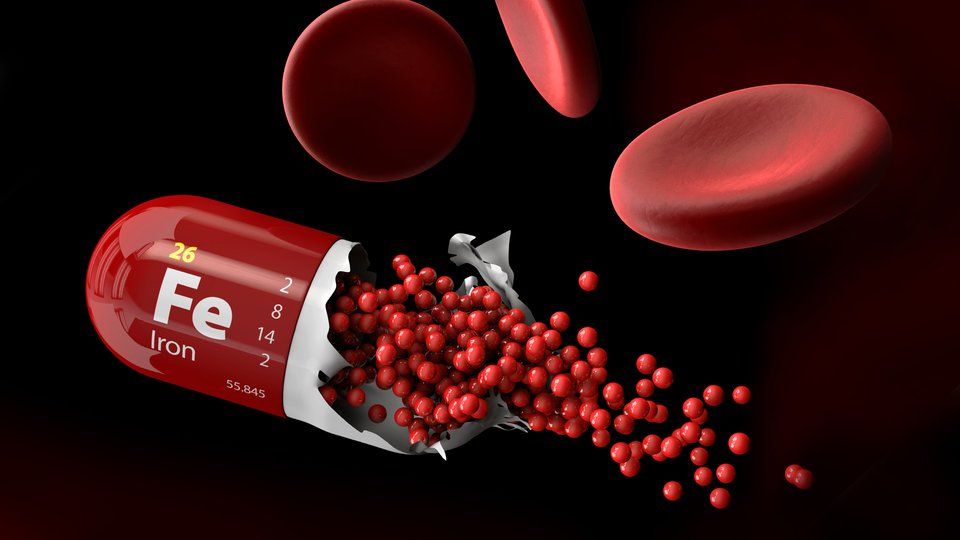
Many people confuse anemia with iron deficiency because the two conditions can overlap in symptoms such as fatigue, pale skin, dizziness, and poor concentration. But they are not always the same thing. Iron deficiency can happen before anemia appears in blood tests, and anemia can also happen for reasons unrelated to iron deficiency, such as vitamin B12 deficiency, folate deficiency, or some chronic diseases.
This article helps explain the difference between anemia and iron deficiency in a simple way, including the definition, causes, symptoms, lab tests, and treatment of each, along with when medical advice is important. This information is for health education only and does not replace medical diagnosis or the right lab tests.
What Is the Difference Between Anemia and Iron Deficiency?
The main difference is that iron deficiency means the body does not have enough iron or enough stored iron, while anemia means the blood is not able to carry oxygen efficiently enough, often because of low hemoglobin or a reduced number of healthy red blood cells. Iron deficiency can be one cause of anemia, but it is not the only cause.
| Point of comparison | Iron deficiency | Anemia |
|---|---|---|
| Definition | Low iron or low iron stores in the body | Reduced ability of the blood to carry oxygen |
| Main causes | Low intake, blood loss, or poor absorption | May be caused by iron deficiency, B12 deficiency, folate deficiency, or other conditions |
| Main tests | Ferritin + Serum Iron + TIBC | CBC + Hemoglobin |
| Relationship | May lead to anemia | May be caused by iron deficiency or something else |
Difference in Definition
Iron deficiency means that iron levels or iron stores are too low in the body. Iron is necessary for making hemoglobin. To understand more about the wider benefits of iron for the body and how it supports energy, immunity, and nerve health, you can read the dedicated guide. Anemia, on the other hand, is a condition in which the blood cannot deliver enough oxygen to body tissues.
Difference in Cause
Iron deficiency usually happens because of low iron intake, blood loss, pregnancy, frequent blood donation, or poor iron absorption. Anemia may happen because of iron deficiency, but it can also happen because of vitamin B12 deficiency, folate deficiency, chronic disease, destruction of red blood cells, or inherited blood disorders.
Difference in Symptoms
Symptoms can overlap. You can review the full guide on signs of iron deficiency in the body for a broader picture. Still, iron deficiency may sometimes show up through signs such as hair shedding, weak nails, or craving ice, while clearer anemia may be more strongly linked to severe shortness of breath, chest discomfort, or frequent palpitations.
Difference in Lab Tests
CBC and hemoglobin are used to assess anemia, while the ferritin blood test helps assess iron stores. That is why ferritin can be low while hemoglobin is still normal, meaning iron stores are low before clear anemia appears.
Difference in Treatment
Treating iron deficiency focuses on replacing iron and understanding why it became low. Treating anemia depends on the cause. If anemia is caused by iron deficiency, iron may be part of treatment. If it is caused by vitamin B12 deficiency, folate deficiency, or chronic disease, treatment is different.
What Is Iron Deficiency?
Iron deficiency is a condition in which the body does not have enough iron to meet its needs. The body needs iron to make hemoglobin, the protein that helps red blood cells carry oxygen from the lungs to the rest of the body. Iron also supports functions linked to energy, muscles, and growth.
Iron deficiency may begin with low iron stores before it clearly affects hemoglobin. That is why symptoms alone are not enough, because some people may have low iron stores without obvious early symptoms.
What Is Anemia?
Anemia is a condition in which the blood cannot carry enough oxygen to body tissues. This may happen because there are fewer red blood cells, because hemoglobin is low, or because something is affecting how blood cells are produced or maintained.
Anemia is not a single disease. It may happen because of iron deficiency, vitamin B12 deficiency, folate deficiency, bleeding, chronic disease, or inherited disorders such as thalassemia or sickle cell disease.
When Does Iron Deficiency Turn into Anemia?
Iron deficiency may lead to anemia when the body no longer has enough iron to produce hemoglobin properly. At that point, red blood cells cannot carry oxygen effectively enough, and symptoms such as fatigue, weakness, shortness of breath, dizziness, or paleness may become more obvious.
This does not always happen immediately. Iron stores may fall first, and hemoglobin may be affected later if the deficiency continues without correction. That is why finding iron deficiency early can help before full anemia develops.
Can Iron Deficiency Happen Without Anemia?
Yes. Iron deficiency can happen without anemia. Iron stores may be low, shown for example by ferritin, while hemoglobin stays within the normal range. This stage may not be obvious from CBC alone, so a doctor may request ferritin when symptoms or risk factors are present.
This matters because some people feel tired, notice hair shedding, poor focus, or low energy while their general blood count still looks normal. In this situation, self-diagnosis is not enough. The test results need to be read together in medical context.
Can Anemia Happen Without Iron Deficiency?
Yes. Anemia can happen without iron deficiency. It may result from vitamin B12 deficiency, folate deficiency, chronic kidney disease, chronic inflammation, destruction of red blood cells, or inherited blood disorders.
Knowing that a person has anemia is not enough on its own. The cause matters most, because treatment changes completely depending on the السبب. Taking iron when it is not needed may not solve the problem.
What Symptoms Are Shared by Iron Deficiency and Anemia?
Fatigue and General Weakness
Fatigue is one of the most common symptoms in both iron deficiency and anemia. A person may feel lower energy, need more rest, or struggle with daily tasks. This can happen because the body may not be getting oxygen efficiently enough when hemoglobin is low or iron stores are affected.
Pale Skin
Pale skin or a dull-looking face may appear when hemoglobin is low, because hemoglobin gives blood its red color and helps carry oxygen. Paleness may show in the face, lips, eyelids, or nails, but it is not enough on its own for diagnosis.
Dizziness and Headaches
Dizziness or headaches may happen in iron deficiency or anemia, especially if oxygen delivery to the brain is not optimal. But these symptoms can also happen because of dehydration, poor sleep, low blood pressure, vision issues, or stress, so they should be assessed in context.
Shortness of Breath or Palpitations
Some people notice shortness of breath or heart palpitations during effort because the heart and body are trying to compensate for reduced oxygen-carrying capacity. If shortness of breath is severe or palpitations are frequent or come with chest pain, medical assessment is important.
Cold Hands and Feet
Cold hands and feet may appear in some people because of reduced oxygen delivery or circulation changes. Still, this is not specific to iron deficiency or anemia only, because it can also relate to circulation issues, thyroid problems, or other causes.
What Symptoms Are More Strongly Linked to Iron Deficiency?
Hair Shedding and Weak Nails
Low iron or low ferritin may be linked to hair shedding and weak nails in some people. Hair and nails need adequate nutrition and oxygen delivery, so long-standing low iron may affect them. Still, hair shedding has many possible causes, including stress, hormones, thyroid disorders, or lack of other nutrients.
Craving Ice or Non-Food Items
Craving ice or non-food items, a behavior known as pica, may be linked to iron deficiency in some people. This does not mean everyone who chews ice has iron deficiency, but it is a sign worth paying attention to, especially if it is new or repeated.
Poor Focus Before Clear Lab Changes
Some people notice poor focus or mental fog even before hemoglobin changes clearly, especially when iron stores are low. This is why ferritin can be helpful when symptoms persist or risk factors are present.
What Symptoms May Point More Clearly to Anemia?
Severe Shortness of Breath
Severe shortness of breath, or shortness of breath even at rest, should not be ignored. It may be linked to anemia or to heart or lung causes, so it needs medical evaluation, especially if it appears suddenly or gets worse.
Chest Pain or Recurrent Palpitations
Chest pain or repeated palpitations may happen when the heart works harder to compensate for reduced oxygen in the blood. If palpitations repeat or come with chest pain, major dizziness, or shortness of breath, medical care is important.
Severe Dizziness or Fainting
Severe dizziness or fainting may be a sign that the body is not getting enough oxygen, or that there is another issue that needs urgent evaluation. This is not a situation for self-treatment.
What Tests Help Distinguish Anemia from Iron Deficiency?
Lab tests are the best way to distinguish anemia from iron deficiency because symptoms may overlap. A doctor may request CBC, hemoglobin, ferritin, Serum Iron, and TIBC or Transferrin depending on the situation.
| Test | What it helps show |
|---|---|
| CBC | Evaluates red blood cells and hemoglobin |
| Hemoglobin | Shows whether anemia may be present, but not the cause by itself |
| Ferritin | Reflects iron stores and may fall before hemoglobin |
| Serum Iron | Measures circulating iron at the time of testing |
| TIBC / Transferrin | Helps explain how the blood carries iron |
CBC
CBC helps evaluate red blood cells, hemoglobin, and related blood cell measurements. Low red blood cells or low hemoglobin may suggest anemia, but CBC alone does not always explain why it is happening.
Hemoglobin
Hemoglobin is the protein that helps red blood cells carry oxygen. Low hemoglobin may suggest anemia, but it does not show by itself whether the cause is iron deficiency or something else.
Ferritin
Ferritin is the protein that stores iron in the body. Low ferritin usually suggests low iron stores and may appear before hemoglobin falls. Still, inflammation and some health conditions can affect ferritin interpretation.
Serum Iron
Serum Iron measures the amount of iron in the blood at the time of testing. Because it can be influenced by different factors, it is not usually interpreted alone.
TIBC or Transferrin
These tests help explain how the blood binds and transports iron. In iron deficiency, these markers may shift in ways that help doctors separate it from other causes of anemia.
What Is the Difference Between Ferritin and Hemoglobin?
Ferritin reflects iron stores, while hemoglobin reflects how well red blood cells carry oxygen. That is why ferritin may fall first, and hemoglobin may be affected later if iron deficiency continues without treatment.
A person may hear that their blood test looks normal while their iron stores are still low. That is why one test should not be interpreted in isolation from symptoms, history, and the rest of the lab picture.
Can Ferritin Be Low While Hemoglobin Is Normal?
Yes. Ferritin can be low while hemoglobin is still normal. This means iron stores may already be low even though full anemia has not shown up yet.
In that situation, a doctor may decide to monitor, look for the cause, improve the diet, or prescribe supplements if needed. Iron should not be taken randomly, because the right dose and duration depend on the result and the reason.
What Causes Iron Deficiency in the Body?
There are several causes of iron deficiency, and more than one may exist at the same time. Knowing the cause matters because treatment is not only about raising iron. It is also about understanding why it became low.
Low Intake of Iron-Rich Foods
Iron deficiency may happen in people who do not eat enough sources of iron such as meat, poultry, fish, legumes, or leafy greens. People following an unbalanced vegetarian diet may need more attention to plant-based iron sources and how to improve their absorption.
Heavy Menstrual Bleeding
Heavy menstrual bleeding is one of the common reasons women lose iron. You can read more about iron deficiency symptoms in women and their link to heavy periods and pregnancy in the dedicated article.
Pregnancy and Breastfeeding
The body needs more iron during pregnancy because blood volume rises and the growing baby has needs too. That is why pregnancy can increase the risk of iron deficiency, and follow-up should happen according to medical guidance.
Frequent Blood Donation
Frequent blood donation may reduce iron stores in some people, especially if intake is not enough and follow-up testing is not done.
Poor Iron Absorption
Poor iron absorption may happen because of digestive conditions or after some surgeries. The important thing is to identify the reason instead of increasing iron randomly.
What Causes Anemia Other Than Iron Deficiency?
Not every case of anemia is caused by iron deficiency. This is a key point, because iron will not treat anemia if the cause is something else.
Vitamin B12 Deficiency
Low vitamin B12 may lead to a type of anemia because healthy red blood cell production becomes impaired. Diagnosis may require specific testing, and treatment differs from iron treatment. For more background, you can explore vitamin B complex and related nutrients such as B12 and folate.
Folate Deficiency
Folate is another important nutrient for making blood cells. When folate is low, anemia may develop, and iron will not correct it unless iron deficiency is also present.
Chronic Diseases
Chronic kidney disease, chronic inflammation, autoimmune conditions, and some cancers can all be associated with anemia. In these cases, managing the main condition becomes part of treatment.
Ongoing Bleeding
Ongoing bleeding, whether from the digestive tract, menstrual bleeding, or another source, may lead to anemia. Sometimes this bleeding is slow and not obvious, so additional tests may be needed.
Inherited Blood Disorders
Some inherited disorders such as thalassemia or sickle cell disease can cause anemia, and treatment is not the same as treating iron deficiency.
Does Treatment for Iron Deficiency Differ from Treatment for Anemia?
Yes. Treatment depends on the cause. Iron deficiency is treated by identifying the reason and replacing iron when needed. Anemia must be treated based on the type and the cause.
Iron supplements should not be used as a general answer for every case of tiredness or every mention of anemia.
Treating Iron Deficiency
Treatment may include improving the diet, treating the cause of blood loss, improving absorption, or using iron supplements if a doctor recommends them. Follow-up testing is often needed to confirm that iron stores are improving.
Treating Iron Deficiency Anemia
If anemia is caused by iron deficiency, the doctor may recommend iron supplements and dietary adjustments, while also looking for the cause, such as bleeding, pregnancy, or poor absorption.
Treating Anemia from Other Causes
If anemia is caused by low B12, low folate, chronic disease, or an inherited blood disorder, treatment will be different. That is why finding the cause matters more than only knowing that anemia is present.
What Improves or Reduces Iron Absorption?
Iron absorption depends on the type of iron in food and how meals are eaten. Iron from animal sources is usually easier to absorb than plant-based iron, while plant-based iron needs more support to be absorbed well.
The Role of Vitamin C
Vitamin C may help improve the absorption of plant-based iron. That is why eating lentils, chickpeas, or spinach with lemon, or having a vitamin C rich fruit with the meal, can be helpful.
Tea and Coffee
Tea and coffee may reduce iron absorption if taken close to iron-rich meals or iron supplements. A time gap is usually better.
Calcium and Dairy Timing
Dairy products and calcium may reduce iron absorption when taken at the same time as iron supplements or iron-rich meals. They do not need to be completely avoided, but timing matters.
Foods That Support Iron Levels
Iron levels can be supported through a balanced diet that includes meat, poultry, fish, liver, lentils, chickpeas, fava beans, spinach, seeds, nuts, and fortified grains.
When Should You See a Doctor?
You should see a doctor if fatigue, dizziness, paleness, hair shedding, or shortness of breath are ongoing or getting worse. Medical evaluation is also important if there are recurrent palpitations, chest pain, fainting, severe shortness of breath, unusually heavy menstrual bleeding, pregnancy, symptoms in children, or a medical history that affects nutrient absorption.
Do not try to diagnose anemia or iron deficiency from symptoms alone, and do not use therapeutic iron doses without professional guidance.
Frequently Asked Questions
Is iron deficiency the same as anemia?
No. Iron deficiency means low iron or low iron stores in the body, while anemia means the blood cannot carry oxygen efficiently enough. Iron deficiency can lead to anemia, but it is not the only cause.
Can I have iron deficiency with a normal CBC?
Yes. Iron stores can be low and show up in ferritin, while CBC or hemoglobin still look normal. That is why doctors may request ferritin when symptoms or risk factors are present.
Does every case of anemia need iron?
No. If anemia is caused by iron deficiency, iron may be part of treatment. But if it is caused by B12 deficiency, folate deficiency, chronic disease, or an inherited disorder, treatment is different.
What is the difference between ferritin and hemoglobin?
Ferritin reflects iron stores, while hemoglobin helps red blood cells carry oxygen. Ferritin may become low before hemoglobin falls.
Does hair loss mean iron deficiency or anemia?
Hair shedding may be linked to iron deficiency or low ferritin in some people, but it is not definite proof. Hair shedding can also happen because of stress, hormones, thyroid problems, or lack of other nutrients.
When is anemia dangerous?
It may be more concerning when it causes severe shortness of breath, chest pain, repeated palpitations, fainting, marked paleness, or fatigue strong enough to limit daily life. Medical evaluation is important in these situations.
Can iron deficiency be treated with food alone?
That depends on how severe the deficiency is and why it happened. Mild cases may improve with food changes, but clearer deficiency or deficiency linked to bleeding or poor absorption may need a treatment plan guided by a doctor.
Are tea and coffee forbidden with iron deficiency?
Not completely. It is simply better to avoid taking them directly with iron-rich meals or iron supplements because they may reduce absorption.
Conclusion
Anemia and iron deficiency are related, but they are not always the same thing. Iron deficiency means low iron or low iron stores in the body, and it may happen before anemia develops. Anemia may be caused by iron deficiency, but it may also be caused by low vitamin B12, low folate, chronic disease, bleeding, or inherited blood disorders.
The best way to tell the difference is through the right tests, especially CBC, hemoglobin, ferritin, Serum Iron, and TIBC or Transferrin, along with medical interpretation of symptoms and history. To explore more about essential minerals and their role in the body, visit the dedicated section on Vitaminati.
This article is for health education only and does not replace medical diagnosis or proper testing.