What Is a Ferritin Blood Test? Causes of High and Low Ferritin Levels
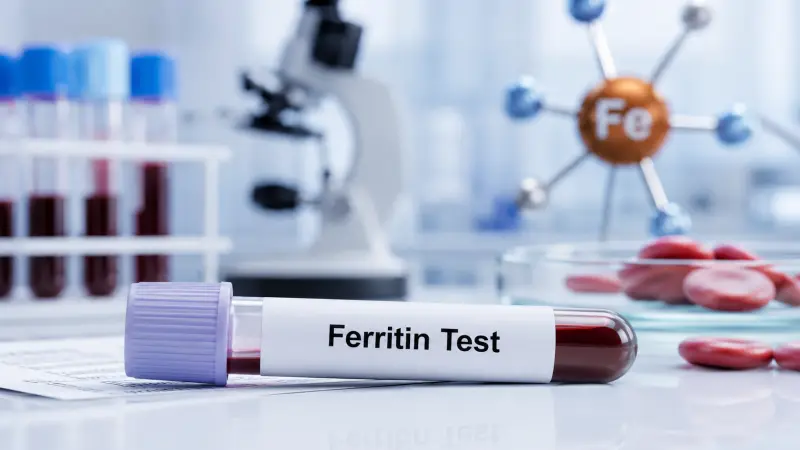
The ferritin blood test is one of the important tests used to understand the body’s iron stores, not just the amount of iron circulating in the blood at the moment the sample is taken. Ferritin is the protein that stores iron inside the body, and measuring it in the blood can help a doctor determine whether iron stores are low, normal, or high. Low ferritin often points to reduced iron stores, while high ferritin may sometimes be linked to excess iron, inflammation, liver disease, or other health conditions that need proper evaluation.
This article explains what the ferritin test is, the difference between ferritin and iron, the normal ferritin range, the causes of low and high ferritin, and when it is important to see a doctor. The information here is for health education only and does not replace medical advice or professional interpretation of lab results.
What Is the Ferritin Blood Test?
The ferritin test, also called a serum ferritin test, is a blood test that measures the amount of ferritin protein in the blood. Because ferritin stores iron in the body, this test gives an idea of iron stores rather than only the iron circulating in the blood at the time of testing. To better understand the wider benefits of iron for the body and how it supports energy, immunity, and the nervous system, you can read the dedicated article on that topic.
In simpler terms, ferritin can be thought of as the body’s iron reserve. When this reserve is low, the body may already be losing stored iron even before more obvious changes appear in tests such as hemoglobin or CBC.
What Is Ferritin and How Is It Related to Iron Stores?
Ferritin is a protein that stores iron and releases it when the body needs it. Ferritin is found inside body cells, and a small amount is also present in the blood, where it can be measured through testing.
That is why when a doctor says ferritin is low, it usually means iron stores are low. If ferritin is high, that does not always mean the body truly has excess iron. Ferritin can also rise because of inflammation, liver disease, some chronic conditions, or real iron overload, so the result should not be interpreted on its own without the rest of the test panel and the health history.
What Is the Difference Between Ferritin and Iron in the Blood?
Many people confuse a ferritin test with an iron test, but they are not the same. Ferritin reflects stored iron, while a serum iron test measures the amount of iron circulating in the blood at the moment of testing.
| Test | What does it measure? | Why may a doctor order it? |
|---|---|---|
| Ferritin | Iron stores in the body | To see whether iron stores are low or high |
| Serum Iron | The amount of iron circulating in the blood at the time of testing | To understand the level of iron present in the bloodstream |
| TIBC or Transferrin | The blood’s ability to carry iron | Helps assess iron deficiency or iron overload |
| CBC | Blood cells and hemoglobin | Helps detect anemia or signs related to it |
So, serum iron may look normal at a certain moment while ferritin is low, or the opposite. This is why doctors usually read iron results together with ferritin, CBC, and other tests when needed.
Why Would a Doctor Order a Ferritin Test?
A doctor may order a ferritin blood test if you have symptoms that may be related to iron deficiency, such as ongoing fatigue, hair loss, dizziness, pale skin, weak nails, or shortness of breath with effort. It may also be ordered if a CBC shows signs that could suggest anemia or a problem affecting blood cells.
A ferritin test may also be requested when iron overload is suspected, or to monitor certain conditions such as hemochromatosis, or when other iron-related tests are abnormal.
What Is the Normal Ferritin Range?
Normal ferritin levels vary by laboratory, age, sex, and general health status. That is why the result should always be compared with the reference range listed in the lab report and interpreted with a doctor.
Ferritin may be roughly 24 to 336 micrograms per liter in men and 11 to 307 micrograms per liter in women, but these values can differ between laboratories.
| Result category | General meaning |
|---|---|
| Low ferritin | May suggest low iron stores |
| Ferritin within range | May suggest adequate stores, depending on the clinical context |
| High ferritin | May be related to iron overload, inflammation, or other conditions |
What Does Low Ferritin Mean?
When ferritin is low, it usually means the body’s iron stores are low. This may happen because of low dietary iron intake, blood loss, heavy menstrual bleeding, pregnancy, poor absorption, or hidden bleeding.
Low ferritin does not always mean a person already has anemia. In some cases, ferritin can be low while hemoglobin is still normal, which means iron stores are falling before the blood is clearly affected.
What Are the Symptoms of Low Ferritin?
Symptoms of low ferritin may overlap with symptoms of iron deficiency, but they are not enough on their own for diagnosis. Symptoms may include fatigue, low energy, hair loss, weak nails, dizziness, difficulty concentrating, pale skin, or shortness of breath with exertion.
Fatigue and low energy
A person may feel ongoing fatigue or lower daily energy when iron stores are low, because iron is involved in making hemoglobin, which helps carry oxygen through the body. Still, fatigue can also happen because of poor sleep, stress, low intake of other vitamins, or low levels of other minerals such as the wider benefits of magnesium for the body, thyroid issues, or other health causes.
Hair loss and weak nails
Low ferritin or low iron stores may be linked to hair loss and weak nails in some people, especially if the deficiency is ongoing. But hair loss is not a definite sign of low ferritin, because it can also happen beacuse of stress, hormonal disturbances, thyroid problems, deficiencies in other nutrients, or genetic factors.
Dizziness and difficulty concentrating
Dizziness or difficulty concentrating may appear when iron stores are low or when iron deficiency progresses, but these symptoms are not specific to ferritin alone. If symptoms are ongoing or affect daily life, it is better to do the appropriate tests instead of relying on guesswork.
Can Ferritin Be Low While Hemoglobin Is Normal?
Yes, ferritin can be low while hemoglobin is still normal. This is a very important point, because ferritin reflects stored iron, while hemoglobin reflects how well red blood cells carry oxygen. Iron stores may drop first, and hemoglobin may be affected later if iron deficiency continues without treatment or follow-up.
That is why someone may say, “My blood test looks normal, but ferritin is low.” This is medically possible. In that situation, the next step depends on symptoms, how low ferritin is, age, sex, the likely cause, and the rest of the test results.
What Causes Low Ferritin?
There are several possible causes of low ferritin or low iron stores in the body. Common causes include:
- Not eating enough iron-rich foods.
- Heavy menstrual bleeding, which is one of the key reasons behind iron deficiency symptoms in women.
- Pregnancy or increased iron needs.
- Frequent blood donation.
- Poor absorption of iron in the digestive system.
- Hidden or chronic bleeding.
- Some unbalanced dietary patterns.
You can also read more about iron deficiency symptoms, food sources, and absorption to better understand how low stores relate to daily symptoms.
What Does High Ferritin Mean?
High ferritin means the ferritin test result is above the laboratory reference range, but it does not always mean the body has too much iron. Ferritin may rise because of inflammation, liver disease, overactive thyroid, some cancers, repeated blood transfusions, or hemochromatosis.
So if ferritin is high, the result should not be interpreted on its own. A doctor may need other tests such as serum iron, TIBC, transferrin saturation, CBC, liver function tests, or inflammatory markers depending on the situation.
Causes of High Ferritin in the Blood
High ferritin in the blood may be linked to several causes, including:
- Inflammation or infection
- Liver disease
- Hemochromatosis
- Repeated blood transfusions
- Some blood disorders
- Overactive thyroid
- Some chronic inflammatory conditions
- Taking high doses of iron supplements without medical need
That is why high ferritin should be interpreted carefully, because it may reflect an inflammatory response and not only real iron overload.
Does High Ferritin Always Mean Excess Iron?
No, high ferritin does not always mean excess iron. Ferritin can rise because it is one of the markers affected by inflammation, so the result may be elevated because of an inflammatory condition, liver disease, or another chronic illness, not only because of true iron overload.
That is why a doctor may order additional tests to understand the full picture, such as transferrin saturation, TIBC, serum iron, liver function tests, or CRP when inflammation is suspected.
Why Can Ferritin Rise with Inflammation?
Ferritin may rise in the blood during inflammation because ferritin does not reflect iron stores alone. It can also respond to the body’s inflammatory process. Because of that, ferritin may appear high in some inflammatory or chronic conditions even when iron overload is not the main problem.
Conditions that may be linked to high ferritin include infection, liver disease, some immune disorders, obesity, chronic inflammation, and certain blood disorders. This is why a doctor may request tests such as CRP, liver function tests, or transferrin saturation to understand the real reason behind the ferritin rise.
What Tests Are Usually Read Alongside Ferritin?
Ferritin should not always be interpreted alone, especially if the result is high or if symptoms are unclear. Tests a doctor may request alongside ferritin include:
| Test | Why it helps |
|---|---|
| CBC | Shows hemoglobin and blood cell patterns |
| Hemoglobin | Helps assess whether anemia is present |
| Serum Iron | Measures iron circulating in the blood at the time of testing |
| TIBC | Measures how well the blood can carry iron |
| Transferrin | The protein that transports iron in the blood |
| CRP | May help assess whether inflammation is present |
| Liver Function Tests | May help when ferritin is high or liver disease is suspected |
When Is Ferritin Alone Not Enough?
Although ferritin is one of the most useful tests for understanding iron stores, it is not always enough on its own to explain the situation accurately. Ferritin may be low because of low iron stores, and it may also be high because of inflammation, liver disease, or some chronic conditions.
That is why a doctor may need to read ferritin together with tests such as CBC, hemoglobin, serum iron, TIBC, transferrin saturation, and sometimes CRP or liver function tests.
Does CBC Show Iron Stores?
A CBC does not measure iron stores directly. It gives information about blood cells and hemoglobin and may provide indirect signs of anemia or iron deficiency, but it does not show ferritin itself. If a doctor wants to assess iron stores, a ferritin test is usually needed.
Does a Ferritin Test Require Fasting?
If the blood sample is being taken for ferritin only, fasting may not be necessary, and eating and drinking as usual is often allowed. But if ferritin is ordered together with other blood tests, the doctor or laboratory may ask for fasting for a specific period. It is best to follow the instructions given before the test.
How Is Low Ferritin Treated?
Treatment for low ferritin depends on the cause, how severe the problem is, and the rest of the test results. Treatment may include improving the diet, treating the cause of blood loss, improving iron absorption, or using iron supplements if prescribed by a doctor. Iron supplements should not be taken randomly without testing and medical evaluation, because excess iron can cause side effects.
It is also important to know that “ferritin pills” is not a medically precise term. Ferritin itself is not usually the supplement being taken. What people usually mean is iron supplements that a doctor may prescribe when iron stores are low.
Foods That May Help Support Iron Stores
Iron stores can be supported through a balanced diet that includes iron-rich foods. Sources of heme iron include meat, chicken, fish, and liver. Plant-based iron sources include lentils, chickpeas, beans, spinach, seeds, nuts, and iron-fortified grains.
The body usually absorbs iron from animal foods more easily, while plant-based iron absorption can be improved by taking it with vitamin C, such as adding lemon to lentils or having sweet peppers and tomatoes with the meal.
What Improves or Reduces Iron Absorption?
Iron absorption may improve when plant-based iron sources are eaten with vitamin C rich foods such as oranges, lemon, strawberries, tomatoes, or sweet peppers.
On the other hand, iron absorption may decrease when tea or coffee is consumed close to iron-rich meals or with iron supplements. Zinc can also compete with iron through absorption pathways in the digestive system, so it is often better not to take iron and zinc supplements at exactly the same time. You can read more about the daily zinc dose to better understand timing and safe intake.
This does not mean these foods or drinks must be completely avoided. It usually means their timing should be organized more carefully, especially if low ferritin or iron deficiency has been confirmed.
What Should You Do If Ferritin Comes Back Low or High?
If a ferritin result comes back low or high, the first step is not to start supplements immediately or panic. The first step is to understand the result with a doctor or qualified professional.
If ferritin is low, the doctor may discuss factors such as diet, heavy periods, pregnancy, repeated bleeding, blood donation, or absorption problems. They may also request additional tests such as CBC, serum iron, TIBC, or transferrin saturation.
If ferritin is high, the doctor may need to assess liver function, inflammatory markers, transferrin saturation, family history, or any other symptoms linked to the condition.
When Should You See a Doctor?
You should see a doctor if ferritin is clearly low or high, or if you have ongoing symptoms such as severe fatigue, shortness of breath, palpitations, dizziness, marked hair loss, pale skin, or chest pain. Follow-up is also important if you are pregnant, have heavy menstrual bleeding, repeated bleeding, chronic disease, or a family history of iron-related disorders.
Ferritin should not be interpreted on its own and iron supplements should not be started without professional guidance, because low and high ferritin may happen for very different reasons.
Frequently Asked Questions
What is a ferritin test?
A ferritin test is a blood test that measures the level of ferritin, the protein that stores iron in the body. It helps assess iron stores and determine whether they may be low or high.
What is the difference between ferritin and iron?
Iron is a mineral the body needs to make hemoglobin and carry oxygen, while ferritin is the protein that stores iron. A serum iron test measures iron circulating in the blood at the time of the test, while a ferritin test reflects iron stores.
What does low ferritin mean?
It usually means iron stores are low. This may happen because of low iron intake, blood loss, heavy menstrual bleeding, pregnancy, poor absorption, or hidden bleeding.
What does a low ferritin result mean?
A low ferritin result usually means the body does not have enough stored iron. However, the result should be interpreted together with CBC, hemoglobin, and the rest of the iron studies under medical guidance.
What does high ferritin mean?
High ferritin may suggest excess iron, but it can also rise because of inflammation, liver disease, some chronic conditions, or other disorders. That is why ferritin should not be interpreted on its own.
What causes high ferritin in the blood?
Causes of high ferritin may include inflammation, liver disease, hemochromatosis, repeated blood transfusions, some blood disorders, and some chronic conditions. A doctor may need additional tests to identify the cause.
What is the normal ferritin range?
Normal ferritin ranges vary by laboratory, sex, and age. They may be roughly 24 to 336 micrograms per liter in men and 11 to 307 micrograms per liter in women, but the laboratory reference range should always be used.
Does a CBC test show ferritin?
No. CBC does not measure ferritin directly. It may show signs related to anemia or blood cells, but iron stores specifically require a ferritin test.
Does a ferritin test require fasting?
If ferritin is the only test being done, fasting may not be required. But if it is ordered with other blood tests, the doctor or laboratory may ask for fasting. It is best to follow the instructions given for your test.
Are there pills to raise ferritin?
There are no pills that directly raise ferritin in the strict sense, but a doctor may prescribe iron supplements if ferritin is low and supplementation is appropriate. Iron should not be taken without medical advice because the right dose and duration depend on the cause and the test results.
Conclusion
The ferritin blood test helps explain the body’s iron stores. Low ferritin often points to reduced iron stores, and this may happen even when hemoglobin is still normal in some situations. High ferritin may point to iron overload, but it may also be linked to inflammation, liver disease, or other health conditions.
The best way to understand the result is to review it with a doctor alongside tests such as CBC, serum iron, TIBC, transferrin, and sometimes inflammatory markers or liver function tests when needed. To explore more about iron in the minerals section and other essential minerals, visit the dedicated sections on Vitaminati.
Do not rely on symptoms alone, and do not start iron supplements without medical evaluation.
Medical Sources
- Mayo Clinic, Ferritin Test
- NIH Office of Dietary Supplements, Iron Fact Sheet
- MedlinePlus, Iron Tests
- WHO, Ferritin Concentrations Guideline
- NHS, TIBC and Transferrin Test
- NCBI Bookshelf, Iron Deficiency Anemia