Iron Benefits: When Does It Support Energy, Immunity, and Nerve Health?
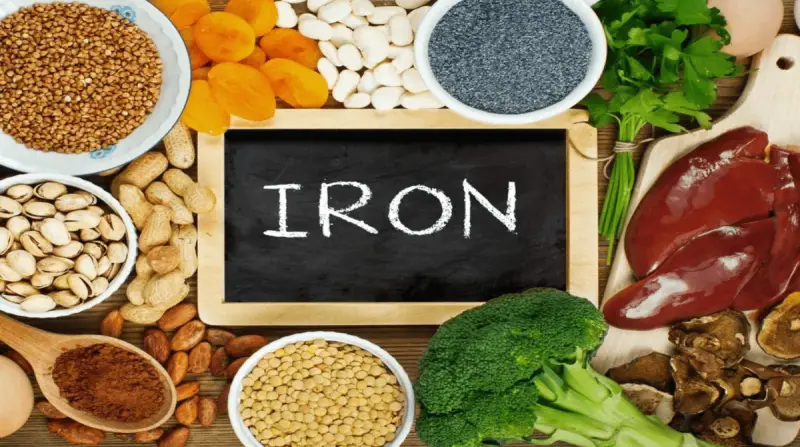
Iron benefits begin with its essential role in oxygen transport. This is why iron is closely linked to natural energy, focus, muscle function, and daily body performance.
However, iron is not a fast stimulant. Iron supplements should not be used randomly. Their benefit is clearest when there is a real deficiency or increased need.
In this article, we explain how iron works in the body, when it may affect energy, immunity, nerves, muscles, and hair, who should pay closer attention to iron levels, and the most common mistakes with iron supplements.
Quick Summary
- Iron is an essential mineral used to make hemoglobin, the protein that carries oxygen in the blood.
- Iron also supports muscles, growth, neurological development, and normal cellular function.
- Iron deficiency may cause fatigue, weakness, poor concentration, and reduced physical performance, especially if it develops into anemia.
- Good iron sources include meat, seafood, legumes, nuts, seeds, vegetables, and fortified grains.
- Iron from animal sources is usually absorbed better than iron from plant sources.
- Iron supplements may cause nausea, constipation, stomach pain, or other digestive side effects, especially at higher doses.
- Iron supplements are not recommended without a clear need, because too much iron can be harmful.
How Does Iron Work in the Body?
Iron is a key part of hemoglobin, the protein in red blood cells that carries oxygen from the lungs to body tissues.
Iron is also part of myoglobin, a protein that helps muscles use oxygen.
For this reason, when iron becomes clearly low, a person may feel tired or less able to tolerate physical effort. But fatigue alone does not always mean iron deficiency. Symptoms and blood tests should be considered together.
If you want to understand the signs that may appear when iron is low, read Vitaminati’s article on iron deficiency signs and main causes.
| Iron Function | How It Supports the Body |
|---|---|
| Oxygen transport | Helps hemoglobin carry oxygen through the blood. |
| Muscle support | Contributes to myoglobin, which helps muscles use oxygen. |
| Growth and development | Important during childhood, adolescence, and pregnancy. |
| Cellular function | Supports normal processes related to energy and tissue function. |
Iron Benefits for Energy and Metabolism
Iron is linked to energy because it helps the blood carry oxygen to cells. Cells need oxygen to produce energy efficiently.
When there is a true iron deficiency, symptoms such as fatigue, shortness of breath with effort, dizziness, or poor physical endurance may appear.
But iron does not provide instant energy like coffee or energy drinks. Its role is deeper and slower because it helps restore iron stores and correct deficiency when deficiency exists.
For this reason, a healthy person with normal iron levels should not expect a major energy boost from taking iron supplements.
| Situation | Can Iron Help? |
|---|---|
| Fatigue caused by iron deficiency | May improve when deficiency is corrected under professional guidance. |
| Fatigue with normal iron tests | Iron may not help, and other causes should be investigated. |
| Tiredness caused by poor sleep or stress | Iron is not the main solution. |
| Anemia from a cause other than iron deficiency | Needs different evaluation; taking iron randomly is not enough. |
Fatigue can have many causes, including low vitamin D, low vitamin B12, poor sleep, thyroid problems, low calorie or protein intake, stress, or anemia from other causes.
For broader reading on nutrients and tiredness, see Vitaminati’s guide on vitamins for energy and fatigue.
Iron and Immunity: What Is the Connection?
The immune system needs good nutritional balance, and iron is part of that balance. Iron deficiency may affect some immune functions, especially when deficiency is clear or long-lasting.
However, this does not mean that iron supplements “boost immunity” for everyone. A more accurate statement is that iron supports normal body functions when levels are appropriate.
Using high-dose iron supplements to strengthen immunity without confirmed deficiency may cause side effects and may not provide real benefit.
| Common Belief | More Accurate Explanation |
|---|---|
| Iron always strengthens immunity | Iron is important, but supplements do not help everyone if there is no deficiency. |
| All fatigue means low iron | Fatigue is a broad symptom with many possible causes. |
| More iron is better | Too much iron can be harmful, especially in certain genetic or medical conditions. |
If you have low iron or a higher risk of deficiency, improving diet or using a supplement under professional guidance may be part of the plan.
If your tests are normal, the priority is a balanced lifestyle that includes enough sleep, protein, vegetables, movement, and chronic inflammation management when relevant.
Iron, Brain Health, and Focus
Iron is involved in neurological development and normal cellular function. Low iron may affect focus, mental performance, and mood in some people, especially when anemia is present.
In children, iron is important for normal growth and development. This makes iron monitoring especially important during rapid growth stages or when risk factors exist.
Still, poor concentration, dizziness, or headaches do not automatically mean iron deficiency. These symptoms can be linked to many other factors.
When there is uncertainty, tests such as a complete blood count and ferritin may help clarify the picture. You can read Vitaminati’s article on what a ferritin blood test is and causes of high and low ferritin levels.
Iron for Muscles and Physical Performance
Because iron is part of myoglobin, it is important for muscles and oxygen use during movement.
Low iron may show up as reduced exercise capacity or faster fatigue during physical effort.
This may be more noticeable in women of reproductive age, athletes, people following restrictive diets, and those with chronic blood loss or absorption problems.
However, deficiency should be confirmed before using iron supplements, because inappropriate doses may cause digestive issues and other risks.
| Group | Why Iron May Need Attention |
|---|---|
| Athletes | Iron losses and needs may be higher with training, sweating, or high physical demand. |
| Women of reproductive age | Menstrual blood loss may increase the risk of low iron. |
| People on restrictive diets | Iron, protein, and other nutrient intake may be too low. |
| Vegetarians and vegans | They often rely on non-heme iron, which is absorbed less efficiently. |
Is Iron Good for Skin and Hair?
Iron deficiency may be linked to hair shedding or pale skin in some people, especially when deficiency is severe or occurs with anemia.
However, hair loss has many possible causes, including low protein intake, hormonal changes, low vitamin D, stress, thyroid problems, and genetics.
For that reason, iron should not be taken only because hair is falling out. A broader evaluation is more helpful, including iron and ferritin testing when needed.
For more on this topic, read Vitaminati’s article on iron deficiency symptoms in women.
Who Benefits Most From Paying Attention to Iron?
Not everyone needs an iron supplement, but some groups are more likely to develop iron deficiency or need closer monitoring.
| Group | Why Iron Matters More |
|---|---|
| Women of reproductive age | Especially with heavy menstrual bleeding. |
| Pregnant women | Iron needs increase during pregnancy. |
| Infants and children | Rapid growth increases iron needs. |
| Vegetarians and vegans | Plant iron is usually absorbed less efficiently. |
| Frequent blood donors | Blood donation removes iron from the body. |
| People with digestive disorders | Some conditions may reduce iron absorption. |
| After bariatric or digestive surgery | Absorption or food intake may be affected. |
| Chronic bleeding or repeated blood loss | Iron stores may gradually become depleted. |
If you belong to one of these groups, the best first step is not buying a supplement immediately. It is better to assess your diet, symptoms, and tests when needed.
Best Food Sources of Iron
Iron in food comes in two main forms: heme iron and non-heme iron.
Heme iron is found in meat, poultry, and fish, and is usually absorbed more efficiently. Non-heme iron is found in legumes, nuts, seeds, vegetables, and fortified grains.
| Source | Typical Iron Type | Practical Note |
|---|---|---|
| Red meat | Heme + non-heme | Part of its iron is usually absorbed more efficiently. |
| Liver | Heme + non-heme | Very rich in iron, but not suitable for everyone, especially in pregnancy unless advised. |
| Sardines and tuna | Heme + non-heme | Provide iron plus other nutrients. |
| Lentils, chickpeas, beans | Non-heme | Pair with vitamin C such as lemon or tomato. |
| Spinach and leafy greens | Non-heme | Do not rely on them alone; add vitamin C and vary sources. |
| Cashews and pumpkin seeds | Non-heme | Useful plant-based options within a balanced diet. |
| Fortified breakfast cereals | Non-heme | Can be useful, especially with vitamin C-rich fruit. |
To improve absorption of plant-based iron, pair it with vitamin C sources such as lemon, orange, bell pepper, strawberries, or tomatoes.
On the other hand, iron absorption may decrease when iron is taken with tea, coffee, or large amounts of calcium in the same meal. For a broader explanation, see Vitaminati’s guide on vitamin absorption and how to get the most from your diet.
Iron Benefits for Women
Women of reproductive age often need to pay closer attention to iron because menstrual blood loss can lower iron stores, especially when periods are heavy.
Iron needs also increase during pregnancy because the body supports higher blood volume, the placenta, and fetal development.
However, this does not mean every woman needs a daily iron supplement. The decision depends on diet, symptoms, blood tests, pregnancy status, and professional advice.
| Stage or Situation | Why Iron Matters |
|---|---|
| Heavy menstrual bleeding | May cause repeated iron loss. |
| Pregnancy | Iron needs increase to support the mother and baby. |
| Postpartum period | Iron stores may need follow-up, especially after bleeding or anemia. |
| Plant-based diet | Needs better planning for iron and vitamin C pairing. |
When Do You Need an Iron Supplement?
An iron supplement may be necessary when iron deficiency is confirmed, when iron deficiency anemia is present, or during certain life stages such as pregnancy depending on medical assessment.
But iron should not be used as a general daily supplement without a clear reason.
The reason is that iron is not like some vitamins that the body easily removes in excess. Too much iron can be harmful, especially for people with a tendency to iron overload or conditions such as hemochromatosis.
Before choosing any supplement, it is important to understand the dose, form, and timing. If you take iron while fasting or during Ramadan, see Vitaminati’s article on iron in Ramadan and how to take it.
Common Mistakes That Reduce the Benefit of Iron
| Mistake | Why It Is a Problem | Better Approach |
|---|---|---|
| Taking iron without testing or a clear reason | May cause side effects and may not address the real cause of fatigue. | Evaluate symptoms and blood tests first. |
| Taking iron with tea or coffee | May reduce non-heme iron absorption. | Separate them from iron supplements or iron-rich meals. |
| Taking iron and calcium at the same time | Calcium may affect iron absorption. | Ask a pharmacist about the best timing. |
| Stopping iron too early without follow-up | Symptoms may improve before iron stores are fully restored. | Follow the professional plan and repeat tests when needed. |
| Ignoring constipation or nausea | Side effects can reduce adherence. | Ask about changing the timing, type, or dose. |
When Should You Be Careful Before Taking Iron?
Be careful before using iron supplements if you are pregnant, breastfeeding, have a chronic disease, have liver problems, have a personal or family history of iron overload, or take medications regularly.
Iron may interact with some medications, such as levothyroxine and certain antibiotics. Its absorption may also be affected by medicines that reduce stomach acid.
For this reason, it is best to ask a doctor or pharmacist how to schedule iron with your medications.
Iron supplements should also be kept away from children because high doses can be very dangerous if taken accidentally.
Conclusion
Iron benefits are mainly linked to oxygen transport, muscle support, growth, focus, and normal body function.
But iron is not a quick stimulant and is not suitable for everyone as a supplement. Its benefits are clearest when there is deficiency or a real increased need, while random use may cause side effects or risks.
The best approach is to get iron from food first, improve absorption with vitamin C, avoid absorption blockers when needed, and use supplements only when there is a clear reason and professional guidance.
FAQs About Iron Benefits
1. Does iron give you energy?
Iron helps transport oxygen, so fatigue may improve if it is caused by iron deficiency. However, iron is not a fast stimulant and does not improve energy when there is no deficiency.
2. Does iron strengthen immunity?
Iron supports normal body functions and low iron may affect some immune functions. But taking iron supplements without deficiency does not necessarily make immunity stronger.
3. Is iron good for hair?
Iron deficiency may be linked to hair shedding in some people, but hair loss has many causes. It is better to identify the cause before taking supplements.
4. What is the best natural source of iron?
Meat and seafood are among the best sources of heme iron. Lentils, chickpeas, beans, nuts, and seeds are good plant-based sources.
5. Can I take iron every day?
Iron can be obtained daily from food. Daily iron supplements should depend on need, dose, and professional evaluation.
6. Does iron cause constipation?
Yes. Some iron supplements may cause constipation, nausea, or stomach pain, especially at higher doses.
7. Should iron be taken with vitamin C?
Vitamin C may help improve absorption of non-heme iron, especially from plant sources and some supplements.
8. Does tea block iron absorption?
Tea may reduce absorption of non-heme iron, so it is better not to drink it directly with an iron-rich meal or iron supplement.
9. Is iron more important for women than men?
Women of reproductive age and pregnant women often need closer attention to iron because of menstrual blood loss or increased needs. Individual needs depend on blood tests and health status.
10. Is too much iron dangerous?
Yes. Too much iron can be harmful, especially with iron overload risk or high-dose supplements without medical follow-up.
Related Articles on Vitaminati
- Iron deficiency signs and main causes
- Iron deficiency symptoms in women
- What a ferritin blood test is and causes of high and low ferritin levels
- Iron in Ramadan: when you need it and how to take it
- Vitamin absorption: how to get the most from your diet
Health Disclaimer
This article is for general educational purposes only and does not replace medical or pharmaceutical advice. If you are pregnant, breastfeeding, have a chronic condition, or take medications, consult a healthcare professional before using iron supplements.