Iron in Ramadan: When You Need It and How to Take It
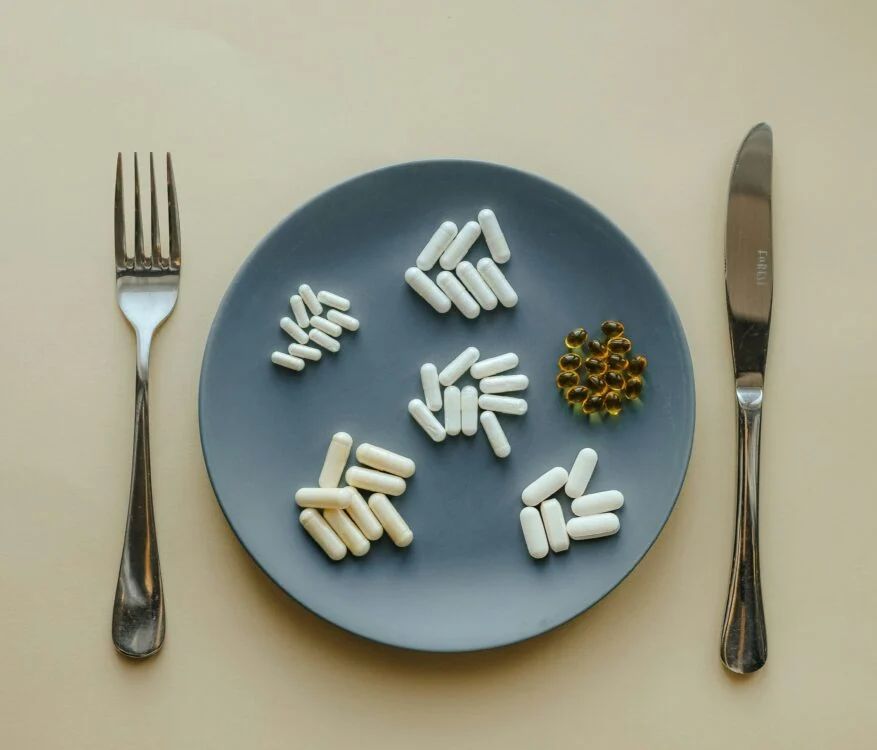
During Ramadan, meal timing changes significantly. Most people rely on iftar and suhoor to meet their daily nutrition needs, which makes meal quality especially important. For people who already have low iron stores, heavy menstrual bleeding, restricted diets, or symptoms such as fatigue and dizziness, iron during Ramadan becomes an important topic.
Iron is an essential mineral needed to make hemoglobin, the protein in red blood cells that carries oxygen throughout the body. When iron intake is too low or iron stores are depleted, the body may struggle to produce enough healthy red blood cells. Over time, this can lead to iron deficiency anemia during Ramadan or make existing anemia symptoms more noticeable while fasting.
However, fatigue during fasting does not automatically mean iron deficiency. Tiredness may also be related to poor sleep, dehydration, low calorie intake, low protein intake, vitamin D deficiency, vitamin B12 deficiency, thyroid problems, or other medical causes. Iron supplements should not be used randomly without testing or professional guidance.
Why Is Iron Important During Fasting?
Iron’s role does not change during Ramadan, but Ramadan can change how much iron you eat and how well your body absorbs it. If iftar and suhoor are low in iron-rich foods, or if tea and coffee are consumed directly after meals, iron intake and absorption may become less efficient, especially for people relying mostly on plant-based sources.
1. Oxygen Transport and Fatigue Linked to Anemia
Iron is a key part of hemoglobin. When iron levels drop enough to affect hemoglobin, oxygen delivery to tissues may become less efficient. This may lead to symptoms such as severe fatigue, weakness, shortness of breath during light activity, pale skin, and heart palpitations.
2. Energy Support, But Not as a Stimulant
Iron is involved in oxygen transport and cellular energy processes, but it does not work like caffeine or a direct energy booster. If you have true iron deficiency, correcting it under medical guidance may improve fatigue. If your iron levels are normal, taking extra iron does not necessarily increase energy and may be harmful.
3. Focus and Daily Performance
Low iron and anemia may affect concentration, attention, and work or study performance. During long fasting hours, symptoms such as headaches, dizziness, or brain fog may feel more noticeable if iron deficiency is already present.
Causes of Iron Deficiency During Ramadan
Iron deficiency during Ramadan may occur because of food choices, lower intake, reduced absorption, or pre-existing health factors. In many cases, low iron begins before Ramadan and becomes more obvious during fasting.
1. Fewer Eating Opportunities
During Ramadan, food intake is usually concentrated into two main meals. If these meals are mostly refined carbohydrates, sweets, or fried foods and contain little protein, legumes, leafy greens, or iron-rich foods, daily iron intake may be too low.
2. Low Intake of Heme Iron
Heme iron is found in animal-based foods such as meat, chicken, and fish. It is generally absorbed more efficiently than plant-based iron. People who eat little animal protein or follow vegetarian or mostly plant-based diets need more careful planning to meet iron needs.
3. Lower Absorption of Non-Heme Iron
Non-heme iron is found in plant foods such as lentils, chickpeas, beans, spinach, nuts, seeds, and whole grains. It is less easily absorbed than heme iron, but absorption can be improved by pairing these foods with vitamin C-rich foods such as lemon, orange, kiwi, tomatoes, or bell peppers.
4. Tea and Coffee After Iftar
Many people drink tea or coffee soon after iftar. These drinks contain compounds that may reduce non-heme iron absorption when consumed with or shortly after iron-rich meals. If you have low iron or anemia, try separating tea and coffee from iron-rich meals by at least one to two hours when possible.
5. Higher Needs in Certain Groups
Some people are more likely to develop low iron, including women of reproductive age, pregnant women, breastfeeding women, people with heavy menstrual bleeding, people with digestive conditions, and those with previous iron deficiency. For more detail, read Vitaminati’s guide to iron deficiency symptoms in women.
Symptoms of Iron Deficiency and Anemia While Fasting
Iron deficiency symptoms may be mild at first, but they can become more noticeable if iron stores continue to fall or anemia develops. Possible symptoms include:
- Severe fatigue or low energy that does not improve easily with rest.
- Pale skin or paleness inside the lower eyelids.
- Shortness of breath with mild activity.
- Heart palpitations or a fast heartbeat.
- Headache, dizziness, or lightheadedness.
- Poor concentration or brain fog.
- Cold hands and feet.
- Hair shedding or brittle nails in some cases.
For a broader overview of signs, read Vitaminati’s article on 9 signs of iron deficiency and its main causes.
Women and Iron Deficiency During Ramadan
Women of reproductive age are among the groups most likely to have low iron stores because of monthly menstrual blood loss and higher daily iron requirements compared with men. The risk may increase during Ramadan if suhoor is skipped, if meals are too light, or if food choices are low in iron.
Heavy periods, pregnancy, breastfeeding, restrictive dieting, and a history of low ferritin or anemia all increase the need for careful monitoring. If symptoms such as fatigue, dizziness, hair shedding, pale skin, or palpitations are present, it is better to ask about testing rather than self-prescribing iron.
Iron Deficiency vs Iron Deficiency Anemia
Iron deficiency means the body’s iron stores are becoming low. This may appear as low ferritin before hemoglobin drops. Iron deficiency anemia happens when iron stores become low enough to reduce healthy red blood cell production and hemoglobin levels.
This means a person may have low iron stores even before a complete blood count clearly shows anemia. For a wider nutrition-focused overview, see Vitaminati’s article on iron deficiency symptoms, foods, absorption, and supplements.
Best Iron-Rich Foods During Ramadan
A strong Ramadan nutrition plan combines heme and non-heme iron sources, vitamin C-rich foods, and smart spacing of tea, coffee, and calcium-rich foods.
Heme Iron Sources
Heme iron comes from animal-based foods and is absorbed more efficiently:
- Red meat, such as beef or lamb.
- Chicken and turkey.
- Fish and seafood.
- Liver, in moderation. Pregnant women should avoid liver unless specifically advised by a healthcare professional because of its high vitamin A content.
Non-Heme Iron Sources
Non-heme iron comes from plant foods and benefits from vitamin C pairing:
- Lentils, chickpeas, beans, and fava beans.
- Spinach, Swiss chard, and other leafy greens.
- Tahini, sesame seeds, and pumpkin seeds.
- Almonds, cashews, and other nuts.
- Oats, whole grains, and fortified cereals.
How to Improve Iron Absorption While Fasting
1. Pair Plant-Based Iron With Vitamin C
Vitamin C improves the absorption of non-heme iron from plant-based foods. Simple Ramadan-friendly combinations include:
- Lentil soup with lemon juice.
- Hummus or fava beans with tomato and bell pepper salad.
- Spinach with lemon or red bell pepper.
- Kiwi or orange after a plant-based iron-rich meal.
For more detail, read Vitaminati’s guide on vitamin C benefits and the article on natural sources of vitamin C.
2. Keep Tea and Coffee Away From Iron-Rich Meals
If you drink tea or coffee right after iftar, try delaying them, especially if you have iron deficiency or are taking iron supplements. This may help reduce their effect on non-heme iron absorption.
3. Be Careful With Calcium Timing
Calcium may interfere with iron absorption when taken at the same time. Avoid taking iron supplements with milk, yogurt, calcium supplements, or calcium-fortified drinks unless your doctor advises otherwise.
4. Prepare Legumes Properly
Soaking legumes and cooking them well may help reduce some phytates that can affect mineral absorption while still keeping legumes nutritious and Ramadan-friendly.
Iron Supplements During Ramadan: When Are They Needed?
Not everyone who fasts needs iron supplements. In most cases, iron supplements should be used when iron deficiency, low ferritin, or iron deficiency anemia is confirmed or when a healthcare professional recommends them based on symptoms and risk factors.
Taking iron “just in case” is not recommended. Too much iron may cause side effects and can be harmful for people with high iron stores or certain medical conditions.
Common Iron Supplement Forms
- Ferrous sulfate.
- Ferrous fumarate.
- Ferrous gluconate.
- Iron bisglycinate in some products.
The best form and dose depend on tolerance, severity of deficiency, medical history, and the healthcare professional’s recommendation.
Best Time to Take Iron Supplements During Ramadan
Iron is often absorbed better on an empty stomach, but many people experience nausea, stomach pain, or constipation when taking it without food. During Ramadan, timing should be individualized. Some people may take iron after iftar, while others may take it before suhoor, depending on stomach tolerance and medical advice.
- Take iron with vitamin C if appropriate.
- Avoid taking it with milk, yogurt, calcium supplements, tea, or coffee.
- Separate iron from calcium and certain medications when advised.
- If it irritates your stomach, ask a doctor or pharmacist about changing the timing, dose, or form.
Possible Side Effects of Iron Supplements
Iron supplements may cause side effects, especially when first started or when doses are high.
- Constipation.
- Nausea or stomach pain.
- Diarrhea in some people.
- Metallic taste.
- Dark stools, which are usually harmless.
If side effects are severe, do not stop a prescribed treatment without advice. Ask a healthcare professional about changing the dose, form, or schedule.
Example of an Iron-Supportive Iftar
- Iron source: lean meat, chicken, fish, lentils, chickpeas, or beans.
- Vitamin C source: salad with lemon, bell peppers, tomatoes, orange, or kiwi.
- Complex carbohydrate: bulgur, brown rice, whole grain bread, or potatoes.
- Healthy fat: olive oil, tahini, nuts, or seeds in moderation.
- Beverage timing: delay tea or coffee until later after the meal.
Example of a Suhoor That Supports Iron Levels
- Fava beans or chickpeas with olive oil and lemon.
- Whole grain bread or oats.
- Fresh vegetables such as tomatoes, bell peppers, cucumber, and leafy greens.
- A vitamin C-rich fruit such as kiwi or orange.
- Avoid drinking tea directly with suhoor if you have low iron.
Tips to Maintain Healthy Iron Levels During Ramadan
- Include a good iron source at iftar or suhoor most days.
- Pair plant-based iron with vitamin C to improve absorption.
- Keep tea and coffee away from iron-rich meals when possible.
- Do not take iron supplements without testing or medical advice.
- Monitor symptoms if you have a previous history of low iron.
- Ask about CBC and ferritin testing if fatigue is severe or persistent.
- Do not combine iron with calcium or interacting medications without guidance.
If your main concern is general fatigue while fasting, you may also find Vitaminati’s article on best vitamins for increasing energy and reducing fatigue during Ramadan useful.
FAQs
1. Do fasting people always need iron supplements?
No. A balanced diet is often enough unless iron deficiency, low ferritin, or iron deficiency anemia has been confirmed. Supplements should be used under medical guidance.
2. What are the symptoms of iron deficiency during Ramadan?
Possible symptoms include severe fatigue, pale skin, shortness of breath, heart palpitations, headache, dizziness, poor concentration, cold hands and feet, and low energy while fasting.
3. What are the best iron-rich foods during Ramadan?
Good sources include red meat, chicken, fish, liver in moderation, lentils, chickpeas, beans, spinach, seeds, nuts, oats, whole grains, and fortified foods.
4. How can I improve iron absorption?
Pair plant-based iron with vitamin C sources such as lemon, orange, kiwi, tomatoes, or bell peppers. Keep tea, coffee, and calcium away from iron-rich meals or supplements when possible.
5. What is the best time to take iron supplements during Ramadan?
It depends on tolerance and medical advice. Iron may be taken after iftar or before suhoor, preferably away from tea, coffee, and calcium.
6. Are women more likely to have low iron?
Yes. Women of reproductive age are at higher risk because of menstrual blood loss and higher iron needs. Heavy periods, pregnancy, and breastfeeding may increase the risk further.
7. Does tea after iftar affect iron?
Tea may reduce absorption of non-heme iron, especially from plant-based foods. If you have low iron, it is better to delay tea after iron-rich meals.
8. When should I test iron or ferritin?
Ask a healthcare professional about testing if you have severe fatigue, pale skin, palpitations, shortness of breath, dizziness, heavy periods, pregnancy, or a previous history of iron deficiency.
Conclusion
Iron plays an important role during Ramadan because it supports oxygen transport and may affect energy and focus indirectly when deficiency is present. However, fatigue while fasting does not always mean low iron, so symptoms, sleep, hydration, food intake, and testing should all be considered before using supplements.
The best approach is to build balanced iftar and suhoor meals that include iron-rich foods, pair plant-based iron with vitamin C, and separate tea or coffee from iron-rich meals when possible. Iron supplements should be used only when needed and under medical supervision to avoid side effects or excessive iron intake.