Benefits of Vitamin C: What It Offers the Body and When to Notice Results
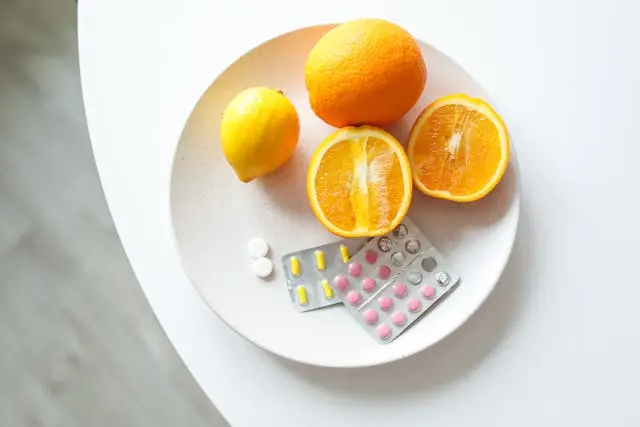
Vitamin C, also known as ascorbic acid, is an essential water-soluble vitamin that the body cannot produce in sufficient amounts. This means it must be obtained regularly from food or, when needed, supplements. When discussing vitamin C benefits, it is important not to limit the conversation to immunity alone. Vitamin C also supports collagen production, wound healing, antioxidant protection, and the absorption of iron from plant-based foods.
With growing interest in vitamin C for immunity, vitamin C for skin, and the best time to take vitamin C, it is important to keep expectations realistic. Vitamin C is important for health, but it does not guarantee protection from infections, provide instant energy, or solve skin and hair concerns on its own. Its real value appears when it is part of a balanced diet rich in fruits, vegetables, protein, and other essential nutrients.
How Does Vitamin C Work in the Body?
Vitamin C works as an antioxidant, helping protect cells from oxidative stress caused by free radicals. It is also required for collagen production, a structural protein found in the skin, blood vessels, gums, cartilage, bones, and ligaments. This is why severe vitamin C deficiency can affect wound healing, gum health, and tissue strength.
To understand vitamin C within the wider nutrition picture, you can explore Vitaminati’s vitamins hub or read about the difference between vitamins and minerals.
- Supports normal collagen formation.
- Contributes to wound healing and gum health.
- Acts as an antioxidant that helps protect cells.
- Improves absorption of non-heme iron from plant foods.
- Supports normal immune function.
Vitamin C for Immunity: Does It Prevent Colds?
Vitamin C is strongly associated with immune health because it contributes to immune cell function and antioxidant protection. A common question is: does vitamin C prevent colds? The evidence suggests that vitamin C does not reliably prevent colds in the general population, but regular intake may slightly reduce the duration of symptoms in some people.
This means the best approach is to get enough vitamin C consistently through food, rather than relying on high doses only after feeling sick. Immune health is better supported by a complete routine that includes enough sleep, protein, vegetables, fruits, hydration, physical activity, and avoiding smoking.
Vitamin C for Skin and Collagen
Many people search for vitamin C for skin because of its role in collagen production. Collagen helps maintain the structure of the skin, blood vessels, gums, and connective tissues. When vitamin C intake is too low, the body may have difficulty maintaining normal collagen-related processes.
However, vitamin C should not be exaggerated as a beauty cure. Taking vitamin C does not directly erase wrinkles, treat pigmentation by itself, or replace sun protection and a suitable skincare routine. Its nutritional role is to support normal collagen formation when the body also receives enough protein and other key nutrients.
For more skin-focused reading, see Vitaminati’s article on vitamin C for skin health and glow.
Vitamin C and Iron Absorption
One of the most important vitamin C benefits is its ability to improve the absorption of non-heme iron, the type of iron found in plant-based foods such as lentils, chickpeas, beans, spinach, and fortified grains. This can be especially useful for people who eat mostly plant-based meals.
Simple examples include:
- Adding lemon juice to lentils or chickpeas.
- Eating bell peppers with a meal that contains legumes.
- Having kiwi or orange after a plant-based iron-rich meal.
However, people with iron overload conditions, such as hemochromatosis, should be careful with high-dose vitamin C because it may increase iron absorption.
Does Vitamin C Give You Energy?
Vitamin C is not a stimulant and does not provide instant energy like caffeine. However, low vitamin C intake may contribute to tiredness, and its role in iron absorption may indirectly support energy in people who have low iron intake or iron deficiency risk.
If fatigue is persistent, it should not automatically be blamed on vitamin C deficiency. Other possible causes include low iron, low vitamin D, poor sleep, thyroid problems, low calorie intake, stress, or other medical conditions that may require assessment.
Vitamin C, Mood, and Nerve Function
Vitamin C is involved in some pathways related to nerve function and the production of certain chemical messengers in the body. However, there is not enough evidence to describe vitamin C as a treatment for stress, poor focus, or mood disorders.
A more accurate way to frame it is that vitamin C supports overall health. If stress, sleep problems, poor focus, or mood symptoms are persistent, they should be assessed more broadly, including sleep, diet, activity, mental health, iron status, vitamin D, and vitamin B12 when appropriate.
Is Vitamin C Good for Hair?
Vitamin C may support hair health indirectly through its role in collagen production and iron absorption. This matters because low iron can contribute to hair shedding in some people. However, vitamin C is not a direct hair-growth supplement and will not correct hair loss caused by genetics, hormones, thyroid problems, stress, or scalp conditions.
If hair shedding is ongoing or severe, it is better to look for the underlying cause rather than relying on vitamin C alone.
Vitamin C Deficiency Symptoms
Severe vitamin C deficiency can lead to scurvy, a rare condition today but still possible in people with very low fruit and vegetable intake for a long period. Milder insufficiency may cause general symptoms that are not specific to vitamin C alone.
- Fatigue or weakness.
- Bleeding or inflamed gums.
- Poor wound healing.
- Easy bruising.
- Dry or rough skin.
- Muscle or joint discomfort in severe cases.
Vitamin C Daily Dose
Daily vitamin C needs vary by age, sex, smoking status, pregnancy, and breastfeeding. For adults, the recommended daily intake is usually 90 mg for men and 75 mg for women. Smokers need an additional 35 mg per day because smoking increases oxidative stress and lowers vitamin C levels in the body.
- Adult men: 90 mg per day.
- Adult women: 75 mg per day.
- Pregnancy: needs increase depending on age and individual status.
- Breastfeeding: needs increase to support both mother and baby.
- Smokers: need an additional 35 mg per day.
Most people can reach these amounts through food. A kiwi, an orange, or a serving of bell peppers can provide a meaningful amount of vitamin C.
Best Natural Sources of Vitamin C
The best way to get vitamin C is through fresh fruits and vegetables. These foods also provide fiber, antioxidants, and other nutrients that supplements do not fully replace. For a more detailed food list, read Vitaminati’s guide to natural sources of vitamin C.
- Guava.
- Kiwi.
- Oranges, lemons, and mandarins.
- Strawberries.
- Bell peppers, especially red and yellow peppers.
- Broccoli.
- Parsley.
- Potatoes.
Best Time to Take Vitamin C
There is no single perfect time to take vitamin C. Because it is water-soluble, it can be taken at any time of the day. However, if it causes acidity, nausea, or stomach discomfort, taking it with or after food may be easier to tolerate.
If you are taking vitamin C to support iron absorption, it may be useful to take it with an iron-rich plant-based meal or with an iron supplement if recommended by a healthcare professional. People with high iron stores or iron overload conditions should ask their doctor before doing this.
Vitamin C Supplements: When Are They Useful?
Not everyone needs vitamin C supplements. A varied diet is usually enough for most people. Supplements may be useful when fruit and vegetable intake is very low, in smokers, in certain malabsorption conditions, or when a deficiency has been identified by a healthcare professional.
Vitamin C supplements come in several forms, including ascorbic acid, effervescent tablets, capsules, chewables, and buffered forms. A more expensive form is not automatically better for everyone. The right choice depends on dose, tolerance, and actual need.
Vitamin C Side Effects and High Doses
Vitamin C is generally safe at appropriate intakes, but high doses may cause side effects, especially when used for long periods. Possible side effects include nausea, diarrhea, abdominal cramps, acidity, and stomach discomfort. High intake may also increase kidney stone risk in some people who are prone to them.
People with kidney disease, a history of kidney stones, or iron overload conditions should be especially careful with high-dose vitamin C supplements.
Tips to Get the Most Benefit From Vitamin C
- Include vitamin C-rich fruits and vegetables in your meals regularly.
- Choose whole fruits more often than sweetened juices because they provide fiber.
- Add lemon or bell peppers to plant-based iron-rich meals.
- Avoid high doses unless there is a clear need or professional guidance.
- Store fruits and vegetables properly because vitamin C can be affected by heat, light, and long storage.
- If you smoke, pay closer attention to vitamin C-rich foods and discuss your needs with a healthcare professional.
FAQs
1. What are the main benefits of vitamin C?
Vitamin C supports immune function, collagen production, wound healing, antioxidant protection, and absorption of plant-based iron.
2. Does vitamin C prevent colds?
Vitamin C does not reliably prevent colds, but regular intake may slightly reduce the duration of symptoms in some people.
3. What is the daily dose of vitamin C?
The recommended daily intake for adults is 90 mg for men and 75 mg for women. Smokers need an additional 35 mg per day.
4. What are the best natural sources of vitamin C?
Good sources include guava, kiwi, citrus fruits, strawberries, bell peppers, broccoli, parsley, and potatoes.
5. What are vitamin C deficiency symptoms?
Possible symptoms include fatigue, bleeding gums, poor wound healing, easy bruising, dry skin, and, in severe cases, scurvy.
6. What is the best time to take vitamin C?
Vitamin C can be taken at any time, but taking it with food may be better if it causes stomach discomfort.
7. Can vitamin C be taken with iron?
Yes. Vitamin C can improve absorption of non-heme iron from plant foods, but people with iron overload conditions should ask a doctor first.
8. Are high doses of vitamin C safe?
Not always. High doses may cause digestive side effects and may increase kidney stone risk in some people.
Conclusion
Vitamin C is an essential nutrient with roles beyond immunity. It supports collagen production, wound healing, antioxidant protection, and the absorption of iron from plant-based foods. Getting enough vitamin C regularly through food is an important part of overall health.
The best approach is to focus on natural sources such as fruits and vegetables, then use supplements only when needed and at appropriate doses. Higher doses are not always better and may cause side effects, especially in people with kidney issues or high iron stores.