Natural Sources of Vitamin C: Best Foods and How to Boost Your Levels Without Supplements
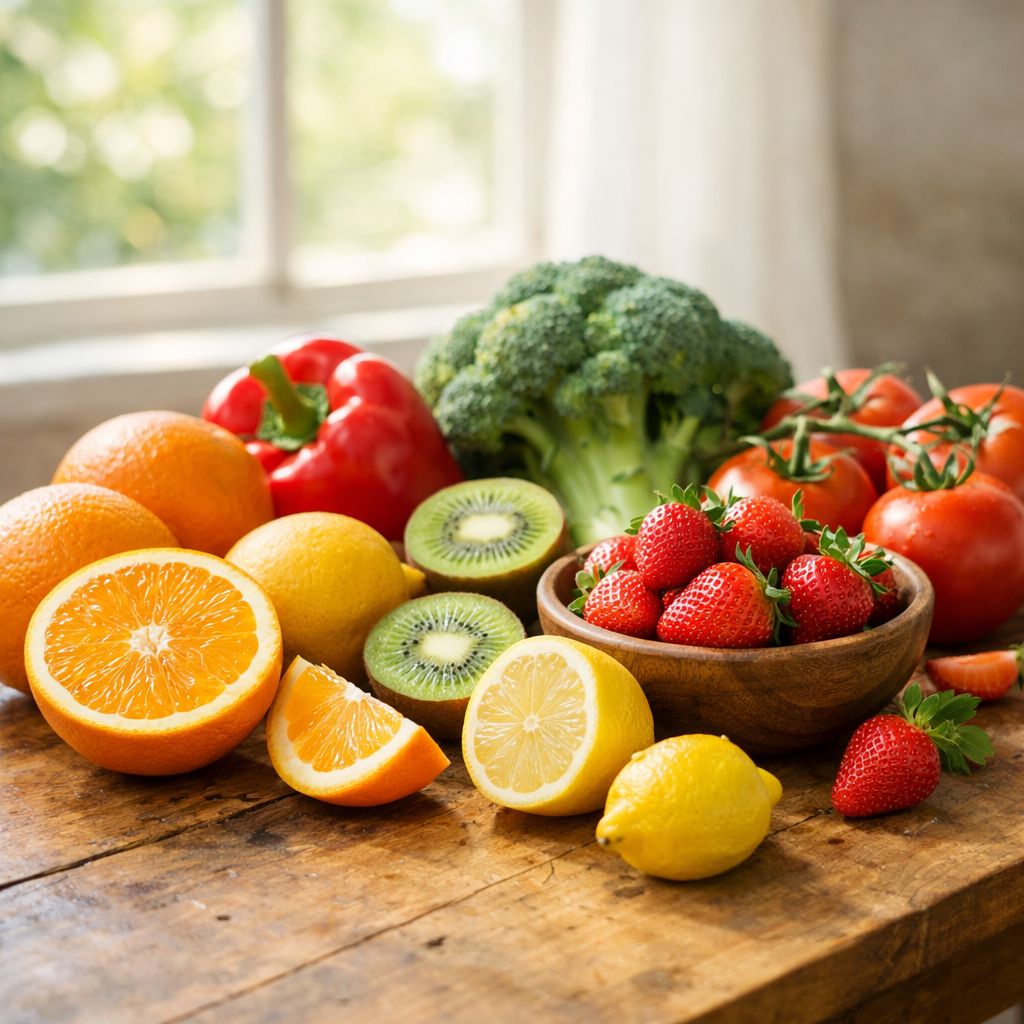
Vitamin C is one of the most important essential vitamins the body needs regularly, because the body cannot produce it on its own or store it in large amounts. For this reason, getting it from natural sources of vitamin C is an important step for supporting immunity, skin health, collagen formation, iron absorption, and antioxidant protection.
Although dietary supplements are widely available, balanced food remains the best source for most people. Foods rich in vitamin C do not provide the vitamin alone; they also provide fiber, minerals, water, and plant-based antioxidants that work together to support overall health.
If you want to understand the role of vitamin C more broadly, you can start with Vitaminati’s page on vitamin C and its main benefits for the body.
Why Are Natural Sources of Vitamin C the Best Choice?
Natural sources of vitamin C provide the vitamin as part of a complete nutritional package. Fruits and vegetables rich in vitamin C also contain plant compounds such as flavonoids and polyphenols, as well as fiber, water, and minerals.
This makes food a practical and safe choice for most people, especially when you eat a variety of sources instead of depending on only one food.
- They provide vitamin C in a natural food matrix.
- They support digestive health through fiber.
- They reduce the risk of excessive intake compared with high-dose supplements.
- They help improve plant-based iron absorption when eaten with meals.
- They provide additional antioxidants and nutrients.
Vitamin C is also closely connected to skin health because it supports collagen formation. For more, read Vitaminati’s article on vitamin C for skin health and radiance.
Best Natural Sources of Vitamin C: Foods Richer Than You May Think
When people think of natural sources of vitamin C, citrus fruits are often the first foods that come to mind. Oranges and lemons are good sources, but several other foods may contain even higher amounts of vitamin C.
| Food Source | Why It Helps | How to Use It |
|---|---|---|
| Red bell pepper | One of the richest plant sources of vitamin C. | Add it to salads or eat it fresh with meals. |
| Guava | Very high in vitamin C and fiber. | Eat it as fruit or include it as a snack. |
| Kiwi | Rich in vitamin C and antioxidants. | Use it at breakfast or as a snack. |
| Strawberries | An easy and popular source of vitamin C. | Add them to oats, yogurt, or eat them fresh. |
| Oranges and grapefruit | Well-known and widely available vitamin C sources. | Eat whole fruit instead of relying on juice for more fiber. |
| Lemon | An easy way to add vitamin C to meals. | Add it to salads, lentils, or soups after cooking. |
| Broccoli | Provides vitamin C with fiber and beneficial plant compounds. | Steam or cook lightly to preserve nutrients. |
| Kale and cabbage | Cruciferous vegetables rich in multiple nutrients. | Use in salads or cook lightly. |
| Fresh tomatoes | Provide vitamin C and antioxidant compounds. | Add to salads, sandwiches, and daily meals. |
| Spinach and leafy greens | Provide vitamin C along with folate, magnesium, and other nutrients. | Eat fresh or cook lightly. |
Varying these foods throughout the day helps cover your needs more easily, instead of depending on oranges alone as your daily source.
Vitamin C Sources for Vegans
A vegan diet can be naturally rich in vitamin C because most natural sources are plant-based. Vegans can usually get good amounts of vitamin C by eating fruits and vegetables regularly.
- Fresh fruits such as kiwi, guava, oranges, and strawberries.
- Leafy greens such as spinach and parsley.
- Cruciferous vegetables such as broccoli, cauliflower, and kale.
- Sweet peppers of all types, especially red bell peppers.
- Tomatoes and fresh vegetables.
An additional benefit for vegans is that vitamin C helps improve iron absorption from plant-based sources. If iron is part of your nutrition focus, you can read Vitaminati’s article on iron sources, deficiency symptoms, and how to improve absorption.
How Does Vitamin C Help Iron Absorption?
Iron in food comes in two main forms: heme iron from animal sources and non-heme iron from plant sources. Plant-based iron is more affected by the composition of the meal, and its absorption may be lower than animal-based iron.
This is where vitamin C becomes useful. When you eat a vitamin C-rich food with a meal that contains lentils, chickpeas, beans, spinach, or fortified grains, it can help improve non-heme iron absorption.
Practical Examples
- Add lemon juice to lentils or beans.
- Eat bell peppers with chickpeas or beans.
- Add tomatoes or parsley to salads with legumes.
- Eat kiwi or strawberries after a plant-based meal rich in iron.
How to Preserve Vitamin C During Food Preparation
Vitamin C is sensitive to heat, light, and water, so preparation methods affect how much vitamin C reaches the body. The longer food is cooked or exposed to air and heat, the more vitamin C may be lost.
- Eat fruits and vegetables fresh whenever possible.
- Avoid long cooking, especially boiling for extended periods.
- Use steaming instead of boiling when possible.
- Cut vegetables shortly before use instead of leaving them exposed for a long time.
- Add lemon or fresh herbs after cooking, not before.
- Avoid reheating vegetables more than once.
These simple steps may help preserve more vitamin C in your meals.
Factors That May Reduce the Benefit of Vitamin C Sources
Some habits may reduce diet quality or increase the body’s need for vitamin C. This does not mean the body cannot benefit from food, but it does mean that daily habits matter.
| Factor | How It May Affect Vitamin C | Practical Solution |
|---|---|---|
| Smoking | Increases oxidative stress and may raise vitamin C needs. | Reduce smoking and seek support for quitting when possible. |
| Low fruit and vegetable intake | Makes it harder to meet daily needs. | Add one vitamin C-rich food to each main meal. |
| Long cooking | May reduce vitamin C content in food. | Use steaming or light cooking. |
| Relying only on juice | May reduce fiber intake and increase sugar intake. | Choose whole fruit most of the time. |
How Much Vitamin C Do You Need Daily?
Most people can cover their daily vitamin C needs easily through food. Sometimes, one vitamin C-rich fruit or a cup of fresh vegetables can provide a large portion of daily needs.
- A kiwi or orange with breakfast.
- A salad with bell peppers and tomatoes at lunch.
- Lightly cooked broccoli with dinner.
- Strawberries or guava as a snack.
The key is variety throughout the day, not getting a large amount from one source only.
When Are Natural Sources of Vitamin C Not Enough?
Although food is enough for most people, some situations may make it harder to meet vitamin C needs through food alone. In these cases, individual assessment is better than using supplements randomly.
- Poor nutrition or low fruit and vegetable intake.
- Some digestive conditions that affect absorption.
- Older age with poor appetite or limited diet variety.
- Smoking.
- Periods of intense stress or increased nutritional needs.
If you have persistent symptoms or follow a very limited diet, it is best to consult a physician or pharmacist before starting any supplement.
When Do You Need a Vitamin C Supplement?
Vitamin C supplements may be useful in some situations, but they are not a substitute for a balanced diet. The goal of supplementation is to fill a nutritional gap or correct a deficiency when there is a clear reason.
- When there is a confirmed deficiency or strong suspicion based on professional assessment.
- When it is difficult to eat fruits and vegetables regularly.
- When there is a temporary increase in need depending on health status.
- When recommended by a physician or pharmacist.
High doses also require caution. According to the NIH Office of Dietary Supplements, the tolerable upper intake level for adults is 2,000 mg per day, and high doses may cause unpleasant effects such as diarrhea or stomach discomfort in some people.
Example of a Vitamin C-Rich Day
Vitamin C sources can be distributed easily throughout the day without a complicated plan.
| Time | Food Example |
|---|---|
| Breakfast | Kiwi or orange with a balanced meal. |
| Snack | Strawberries or guava. |
| Lunch | Salad with bell peppers, tomatoes, and lemon. |
| Second snack | Whole fruit instead of juice. |
| Dinner | Lightly cooked broccoli or kale with a protein source. |
Common Mistakes When Relying on Vitamin C Sources
- Believing that orange is always the best source.
- Replacing whole fruit with juice every day.
- Cooking vegetables for too long and discarding the cooking water.
- Using high-dose supplements without a clear reason.
- Forgetting vitamin C’s role in improving plant-based iron absorption.
- Depending on only one source instead of varying foods.
FAQs About Natural Sources of Vitamin C
1. What are the best natural sources of vitamin C?
Some of the best natural sources of vitamin C include red bell peppers, guava, kiwi, strawberries, oranges, lemons, broccoli, kale, tomatoes, and leafy greens.
2. Is orange the richest source of vitamin C?
Orange is a good source of vitamin C, but it is not the richest. Foods such as red bell peppers, guava, and kiwi may contain higher amounts of vitamin C.
3. Does cooking reduce vitamin C in food?
Yes, vitamin C is sensitive to heat, light, and water. Long cooking or boiling may reduce its content. Steaming lightly or eating foods fresh can help preserve more vitamin C.
4. Can you get enough vitamin C without supplements?
Yes, most people can get enough vitamin C through a varied diet that includes fresh fruits and vegetables.
5. Does vitamin C help with iron absorption?
Yes, vitamin C helps improve the absorption of non-heme iron found in plant-based foods such as lentils, beans, spinach, and fortified grains.
6. Is juice better than whole fruit for vitamin C?
Whole fruit is usually better than juice because it provides fiber and supports satiety, while juice may contain more sugar and less fiber.
7. When might you need a vitamin C supplement?
Vitamin C supplements may be useful when there is a confirmed deficiency, poor nutrition, difficulty eating vitamin C-rich foods, or increased needs based on medical or pharmaceutical assessment.
8. Can the body store vitamin C?
The body does not store vitamin C in large amounts because it is water-soluble, so regular intake from food is important.
Conclusion
Natural sources of vitamin C remain the best choice for most people because they provide the vitamin within a complete food matrix that includes fiber, minerals, water, and beneficial plant compounds.
By varying foods such as bell peppers, guava, kiwi, strawberries, citrus fruits, and broccoli, you can easily cover your daily needs. Supplements remain a supportive option only when needed and are best used with professional guidance.
Related Articles on Vitaminati
- Vitamin C and Its Main Benefits for the Body
- Vitamin C for Skin Health and Radiance
- Iron Sources, Deficiency Symptoms, and How to Improve Absorption
Health Disclaimer
This article is for general educational purposes only and does not replace medical or pharmaceutical advice. If you are pregnant, breastfeeding, have a chronic condition, have digestive problems, or take medications regularly, consult a qualified healthcare professional before using vitamin C supplements.