Iron Deficiency Symptoms in Women: Signs You Should Not Ignore
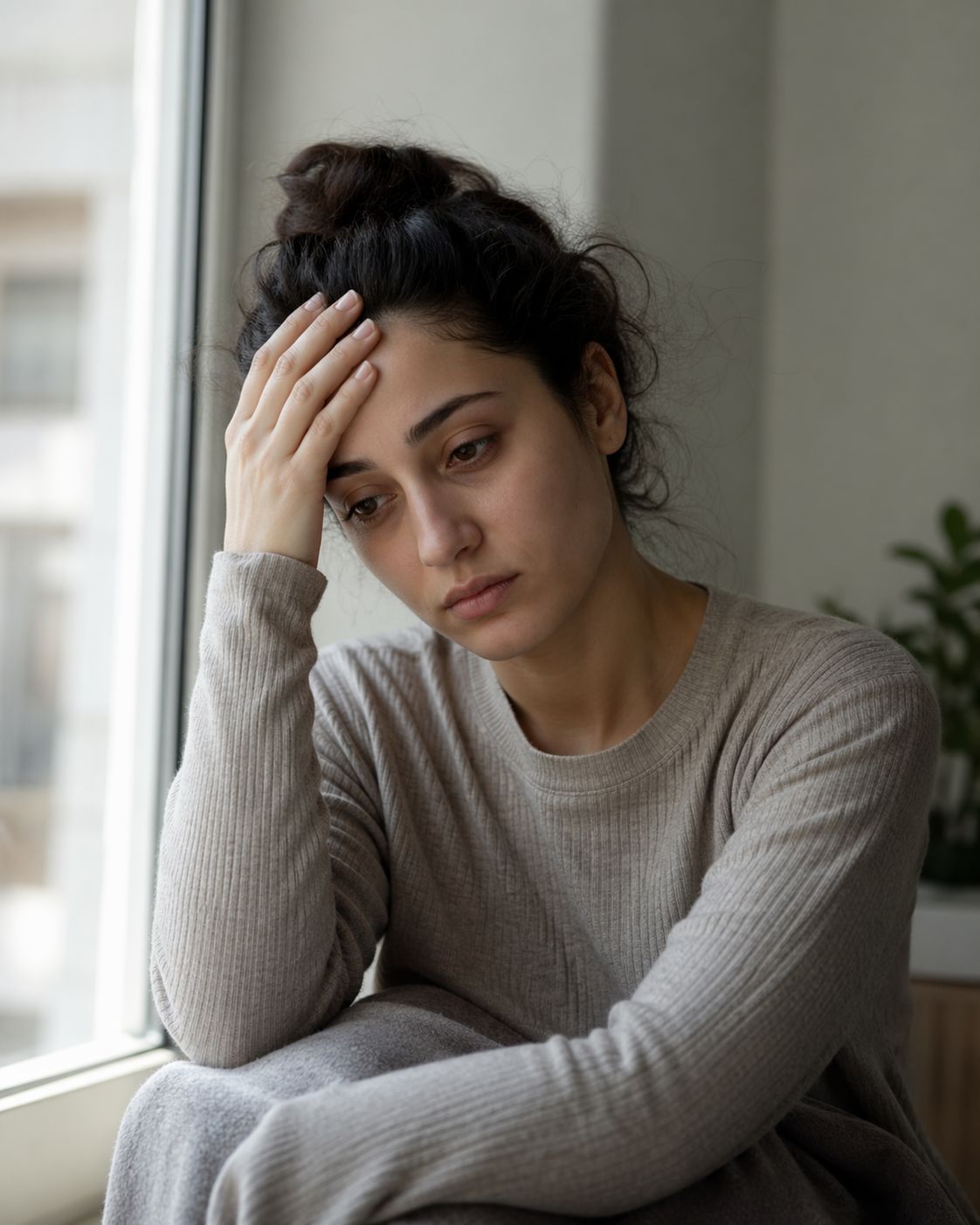
Iron deficiency symptoms in women often develop gradually. Early signs may include ongoing fatigue, low energy, headaches, dizziness, or difficulty concentrating. In the early stages, anemia may not be present yet because the body can use iron stored in the liver, spleen, bone marrow, and muscles for a period of time.
As iron stores continue to fall, the body’s ability to produce hemoglobin efficiently may decline. Hemoglobin is the protein that helps red blood cells carry oxygen. At this stage, symptoms may become more noticeable, especially when low iron occurs with heavy menstrual bleeding, pregnancy, low dietary iron intake, or a previous history of low ferritin.
Iron Deficiency Symptoms in Women: The Most Common Signs
Signs of low iron in women can vary from one person to another and may be mild at first. Symptoms alone cannot confirm the diagnosis, but they can help show when iron and ferritin testing may be useful.
Common symptoms of iron deficiency or iron-deficiency anemia may include:
- Persistent tiredness or unusual fatigue.
- Low energy and difficulty completing daily tasks.
- Reduced physical stamina.
- Shortness of breath, especially when climbing stairs or doing light activity.
- Dizziness or feeling lightheaded.
- Frequent headaches.
- Cold hands and feet.
- Pale skin or pale inner eyelids in more noticeable cases.
- Palpitations or a faster heartbeat in some cases.
- Poor concentration or brain fog.
These symptoms are not specific to iron deficiency. They may also occur with poor sleep, dehydration, vitamin B12 deficiency, vitamin D deficiency, thyroid disorders, chronic disease, or other types of anemia. This is why symptoms should be interpreted together with risk factors and appropriate testing, not fatigue alone.
When fatigue is the main concern and physical stamina is lower than usual, understanding how iron supports energy and oxygen transport can explain why low iron may be linked to tiredness and weakness.
Iron Deficiency Without Anemia: Why Symptoms May Appear Early
A woman may have low iron stores before hemoglobin falls into the anemia range. This is often described as low iron stores or iron deficiency without anemia. During this stage, some people may feel tired, less focused, or less able to tolerate physical effort even when hemoglobin is still within the normal range.
This explains why hemoglobin alone may not always be enough. Hemoglobin helps identify anemia, while ferritin reflects stored iron. For this reason, a ferritin blood test may give an earlier picture of declining iron stores, especially when symptoms are persistent or menstrual bleeding is heavy.
However, ferritin should not always be interpreted in isolation. It may rise with inflammation or infection, so clinicians usually read it alongside health history, symptoms, and other tests such as hemoglobin and red blood cell indices.
Why Are Women More Likely to Have Low Iron?
Being a woman does not automatically mean you will develop iron deficiency, but some life stages and monthly blood loss patterns make low iron more common in women, especially during the reproductive years.
Iron deficiency may be more likely in women because of:
- Heavy menstrual bleeding: Repeated blood loss can gradually reduce iron stores.
- Pregnancy: The body needs more iron to support increased blood volume and fetal growth.
- Adolescence: Rapid growth may overlap with the start of menstruation and higher nutritional needs.
- Breastfeeding or the postpartum period: Iron stores may be affected by pregnancy needs and blood loss during delivery.
- Low iron intake: Especially when meat intake is low or a vegetarian pattern is not planned carefully.
- Poor iron absorption: Digestive conditions, some medications, or absorption blockers in meals may reduce iron uptake.
- Frequent blood donation: This can lower iron stores if iron is not replaced adequately.
Heavy menstrual bleeding deserves particular attention. Periods that last longer than usual, require very frequent pad or tampon changes, include large clots, or interfere with work, school, or daily activity may be more than an inconvenience; they may be an important reason for low iron. Understanding the difference between anemia and iron deficiency can help women recognize that iron stores may fall before hemoglobin becomes clearly abnormal.
Iron Deficiency and Heavy Periods
Heavy periods are one of the most practical explanations for low iron symptoms in women. Every menstrual period involves some blood loss, and when bleeding is heavy or prolonged, dietary iron intake may not be enough to keep up for some women.
A period may be considered heavy if it lasts longer than usual, requires very frequent pad or tampon changes, causes large clots, or prevents normal daily activity. In this situation, it is not enough to think only about iron; the reason for heavy bleeding should also be assessed.
Repeated blood loss may lower ferritin first, then lead to iron-deficiency anemia if the cause is not addressed or the deficiency is not corrected. When persistent fatigue occurs with heavy periods, ferritin and hemoglobin testing can become an important part of the picture.
Iron Deficiency and Pregnancy: Why Needs Increase
During pregnancy, maternal blood volume increases, and the fetus needs iron for growth and development. This increases daily iron needs compared with the pre-pregnancy period. If iron stores were already low before pregnancy, symptoms or anemia may develop more easily.
There is no single plan that suits every pregnant woman. Some women need iron supplements, while others need monitoring only. This depends on hemoglobin, ferritin, diet, health history, and medical guidance. When supplementation is needed, knowing how to take iron pills correctly may help reduce common mistakes, such as taking them with tea, coffee, or calcium at the same time.
High-dose iron should not be used during pregnancy without follow-up. Nausea, constipation, stomach upset, and interactions with other supplements may make use difficult or inappropriate when there is no clear need.
Iron Deficiency vs. Anemia: What Is the Difference?
Many people use the terms iron deficiency and anemia as if they mean the same thing, but the difference matters. Iron deficiency means that iron stores are low or becoming low. Anemia means that hemoglobin or the number of red blood cells is lower than normal.
Iron deficiency may begin first and later progress to iron-deficiency anemia if the cause is not corrected. This means a woman may have symptoms and low ferritin before anemia is clearly visible on a complete blood count.
Also, not every case of anemia is caused by iron deficiency. Other causes include vitamin B12 deficiency, folate deficiency, inflammation, chronic disease, bleeding, and inherited blood disorders. Iron should not be taken automatically just because hemoglobin is low without understanding the cause.
| Term | What It Means | Why It Matters |
|---|---|---|
| Iron deficiency | Low iron stores or reduced iron availability | May appear before anemia and may cause fatigue or poor focus in some women |
| Iron-deficiency anemia | Low iron has affected red blood cell and hemoglobin production | May cause more obvious fatigue, shortness of breath, dizziness, and lower exercise tolerance |
| Anemia | Low hemoglobin or red blood cells from several possible causes | Requires identifying the cause, not automatically taking iron in every case |
When Should Ferritin and Hemoglobin Be Checked?
Iron testing may be useful when symptoms are repeated or when clear risk factors are present. Hemoglobin helps assess anemia, while ferritin helps assess iron stores. In many cases, interpreting them together is more useful than relying on one result alone.
It may be appropriate to discuss testing with a healthcare professional when there is:
- Persistent fatigue that does not improve with rest.
- Dizziness or shortness of breath with physical effort.
- Frequent headaches with low energy.
- Heavy or prolonged menstrual bleeding.
- Pregnancy or pregnancy planning.
- A previous history of low ferritin or anemia.
- A low-iron diet or a diet based only on plant sources without planning.
- Digestive symptoms or a condition that may affect absorption.
- Frequent blood donation.
If iron levels remain low despite eating iron-rich foods or using supplements, the issue may involve absorption, timing, or interactions. Understanding causes of poor iron absorption can explain why blood results do not always improve simply by increasing iron intake.
Iron-Rich Foods for Women
Food is not a replacement for treatment when deficiency is clear or severe, but it is an important part of prevention and support, especially for women with heavy periods or low dietary intake.
Iron in food comes in two main forms: heme iron from meat, fish, and poultry, which is absorbed more easily, and non-heme iron from legumes, grains, vegetables, and nuts, which is more affected by other foods in the meal.
| Source Type | Examples | Practical Note |
|---|---|---|
| Animal sources | Meat, chicken, fish, liver when appropriate | Provide heme iron, which is absorbed more efficiently |
| Legumes | Lentils, chickpeas, beans | Best paired with a vitamin C source to improve absorption |
| Fortified grains | Fortified breakfast cereals and some grain products | Iron content depends on the product and nutrition label |
| Vegetables and nuts | Spinach, pumpkin seeds, cashews | Useful in a varied diet, but plant iron is absorbed less efficiently |
Absorption of plant-based iron improves when it is paired with vitamin C sources such as lemon, oranges, strawberries, tomatoes, or bell peppers. Iron-rich foods are more nutritionally effective when meals are arranged in a way that reduces absorption blockers.
Iron Supplements: When Food May Not Be Enough
Food alone may not be enough when deficiency is clear, periods are very heavy, pregnancy is involved, or ferritin is significantly low. In these cases, a doctor or pharmacist may recommend iron supplements with a specific dose and duration.
Iron pills should not be used in high doses simply because of fatigue. They may cause constipation, nausea, stomach pain, or dark stools, and they may be harmful if the body does not need them. Iron may also interact with some medications and supplements, such as levothyroxine, certain antibiotics, calcium, and magnesium.
When iron is prescribed, taking it correctly matters as much as the dose. Timing the dose, pairing it with vitamin C when appropriate, and avoiding tea, coffee, and calcium close to the dose may affect both absorption and tolerance.
When Should You Seek Medical Advice?
Medical evaluation is recommended when symptoms are repeated, worsening, or affecting daily life. Fatigue that feels out of proportion to activity, shortness of breath with normal activities, repeated dizziness, palpitations, or heavy menstrual bleeding are all practical reasons to follow up.
Medical advice becomes more important when there is:
- Pregnancy or pregnancy planning.
- Very heavy or clearly prolonged menstrual bleeding.
- Near-fainting or noticeable shortness of breath.
- Repeated palpitations or a fast heartbeat.
- A previous history of anemia or low ferritin.
- Persistent digestive symptoms or unexplained weight loss.
- Chronic medication use or a condition that affects absorption.
- A plan to start high-dose iron without testing.
The goal of evaluation is not only to raise iron levels, but also to identify why they are low. If heavy periods are the cause, iron deficiency may return unless the bleeding is assessed. If the cause is poor absorption, hidden bleeding, or chronic disease, supplements alone may not be enough.
Conclusion
It can be easy to dismiss iron deficiency symptoms in women because they overlap with common daily complaints such as fatigue, headaches, dizziness, and poor concentration. However, persistent symptoms, especially with heavy periods, pregnancy, or a previous history of low ferritin, make low iron an important possibility to assess.
Iron deficiency does not always mean anemia, and ferritin may fall before hemoglobin. Combining symptoms, risk factors, ferritin, and hemoglobin can give a clearer picture than relying on symptoms alone.
Iron-rich foods and better absorption habits are important, but iron supplements should be used when needed and taken correctly. If symptoms are clear or ongoing, medical evaluation is safer than self-diagnosis or long-term iron use without follow-up.
This article is for general educational purposes only. If you are pregnant, have heavy menstrual bleeding, feel clearly unwell, or take medications, speak with a qualified healthcare professional before starting iron supplements.
Frequently Asked Questions
What are the first signs of iron deficiency in women?
Early signs may include unusual fatigue, low energy, headaches, dizziness, poor focus, and reduced ability to tolerate physical effort. Symptoms may appear gradually before anemia is diagnosed.
Can you have iron deficiency without anemia?
Yes. Iron stores may become low before hemoglobin drops clearly. This means ferritin can be low while standard anemia screening still appears normal.
Why are women more likely to have iron deficiency?
Women may be more likely to develop iron deficiency because of menstrual blood loss, heavy periods, pregnancy, breastfeeding, low iron intake, absorption problems, or frequent blood donation.
Do heavy periods increase the risk of low iron?
Yes. Repeated blood loss can gradually reduce iron stores and may eventually lead to iron deficiency or iron-deficiency anemia.
What is the difference between ferritin and hemoglobin?
Ferritin reflects iron stores, while hemoglobin reflects the oxygen-carrying capacity of red blood cells. Ferritin may fall before hemoglobin drops.
When should a woman ask for iron testing?
Testing may be useful with persistent fatigue, heavy periods, pregnancy, dizziness, shortness of breath, reduced physical stamina, or a previous history of low ferritin or anemia.
Should I start iron supplements if I feel tired?
Not necessarily. Fatigue has many causes, and iron is not suitable for everyone. It is better to assess symptoms, risk factors, and testing needs first.
Can iron deficiency affect focus and memory?
Low iron may contribute to poor concentration and brain fog, especially when oxygen transport and energy are affected. However, it is not the only possible cause.
Does low ferritin always mean anemia?
No. Low ferritin usually suggests low iron stores, while anemia is related to low hemoglobin or red blood cells.
When is iron deficiency in women serious?
It needs prompt evaluation when there is clear shortness of breath, palpitations, near-fainting, severe dizziness, pregnancy, or heavy menstrual bleeding that affects daily life.