Best Time to Take Iron Pills and How to Use Them Correctly
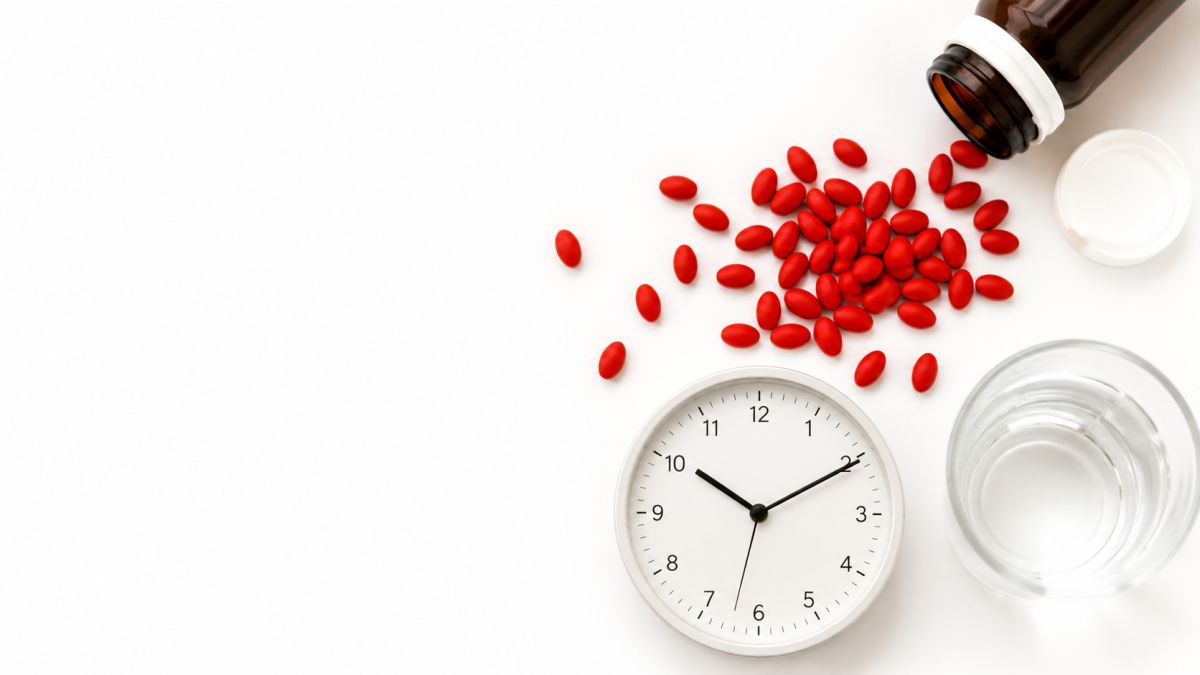
Many people search for the best time to take iron pills because the way iron is used can make a clear difference in how well the body absorbs it. Even if an iron supplement is appropriate for your condition, its benefit may drop when it is taken with coffee, tea, milk, calcium, or certain medicines. So it is not enough to know that you need iron. It is also important to know when to take it, what to avoid around it, and when to expect results.
In this guide, you will learn how to take iron pills correctly, the best timing for use, when iron pills start working, the most common side effects, and how to deal with them, along with practical guidance for pregnancy and breastfeeding.
What Are Iron Pills?
Iron pills are supplements that contain iron and are commonly used to correct iron deficiency or support treatment for some cases of iron deficiency anemia, depending on lab results and medical guidance. The benefits of iron for the body include supporting hemoglobin formation, helping immunity, and contributing to cellular energy production, which is why many people notice clearer improvement once deficiency is corrected.
| Form | Notes |
|---|---|
| Tablets or capsules | The most common option for adults |
| Iron syrup | May be used for children or for people who cannot swallow pills |
| Chewable tablets | May suit some cases depending on age and product type |
| Iron injections or infusions | Used only under medical supervision in selected cases |
Do not choose iron supplements randomly. The need for iron differs from one person to another based on lab results, age, symptoms, and the reason for deficiency.
When Might You Need Iron Pills?
You may need iron pills if testing shows low iron status, such as:
- Low ferritin or low iron stores
- Iron deficiency anemia
- Heavy menstrual bleeding with low iron
- Pregnancy, if lab results show the need
- Some cases of poor absorption
- After clear blood loss
- Some cases in children or adolescents based on medical evaluation
Can You Take an Iron Supplement Without a Test?
It is usually better not to take an iron supplement without testing or medical advice, especially if you plan to use it for a long period. Iron is essential, but too much of it can be harmful, may cause side effects, and can interact with some medicines.
Tests that may help a doctor evaluate your iron status include:
- CBC
- Hemoglobin
- Ferritin
- Serum Iron
- Transferrin Saturation or TIBC
Best Time to Take Iron Pills
The best time to take iron pills is often on an empty stomach, which usually means one hour before الطعام or two hours after eating. Food can reduce iron absorption in some people.
| Situation | What is usually best |
|---|---|
| Iron does not cause stomach pain | Take it on an empty stomach |
| It causes nausea or stomach discomfort | Take it with a light meal if your doctor advises it |
| You take other medicines | Separate iron from them based on medical guidance |
| You drink coffee or tea in the morning | Do not take iron with them directly |
Daily Timing Example: How to Fit Iron into Your Day
| Time | Action | Note |
|---|---|---|
| 7:00 AM | Breakfast such as eggs, bread, and milk | Normal meal |
| 9:00 AM | Iron pill + water | Two hours after breakfast, often ideal |
| 10:00 AM | Coffee or tea | One hour after iron |
| 1:00 PM | Lunch with vegetables and salad | Normal meal |
| 3:00 PM | Other vitamins or supplements | Away from iron |
| 7:00 PM | Dinner | Normal meal |
| 9:00 PM | Calcium or magnesium if needed | Away from iron timing |
Iron Pills Before or After Food?
Iron pills can be taken before or after food, but for absorption the usual preference is:
- One hour before eating
- Or two hours after eating
Practical example: if you had breakfast at 8:00 AM, you may take your iron pill at 10:00 AM with water or with a vitamin C-rich drink, not with coffee or milk.
How to Take Iron Pills Correctly
- Take iron pills with a full glass of water
- You may take them with a vitamin C source such as orange juice if that suits you
- Avoid tea and coffee with iron or right after it
- Keep iron away from calcium or milk
- Do not double the dose if you miss one
- Do not combine more than one iron supplement without medical advice
- Do not stop treatment just because stools become darker, this is common with iron
What Foods and Drinks Reduce Iron Absorption?
| What to avoid near iron pills | Why |
|---|---|
| Tea | Contains compounds that may reduce iron absorption |
| Coffee | May reduce iron absorption |
| Milk and dairy products | Calcium may interfere with iron absorption |
| Calcium supplements | Better taken away from iron |
| Antacids | May affect iron absorption |
| Some medicines | May need time separation depending on the drug |
For more on absorption-related factors, including how minerals interact, you can read causes of poor iron absorption and how to improve it.
Should Iron Pills Be Taken with Eggs?
It is usually better not to take iron pills with eggs if your goal is the best possible absorption, because some egg components may reduce how much iron is absorbed when they are taken together. If you usually eat eggs at breakfast, you can take your iron later, away from that meal.
Iron Pills with Vitamin C: Does It Help?
Yes. Vitamin C may help the body absorb iron better, especially non-heme iron found in plant sources and in some supplements.
- A glass of orange juice
- Water with lemon
- Vitamin C-rich fruit such as kiwi or strawberries
- A light snack with sweet peppers or tomatoes if you cannot tolerate iron on an empty stomach
If citrus juice causes acidity or stomach irritation for you, ask your doctor or pharmacist about a more suitable option. You can also explore vitamin C in more detail.
What Happens in the Body After Taking Iron Pills?
After taking iron pills, the body begins absorbing iron through the digestive tract, then gradually uses it to support red blood cell production, hemoglobin formation, and the rebuilding of iron stores if they are low.
- Gradual improvement in fatigue if iron deficiency was the cause
- Gradual improvement in blood markers depending on the case
- Improvement in iron stores if the treatment plan is followed
- Possible side effects such as constipation or nausea in some people
- Darker stool color, which is common with iron
When Do Iron Pills Start Working?
When iron pills start working depends on how severe the deficiency is, why it happened, the type of supplement used, how regularly it is taken, and how well the body absorbs it.
| Stage | Approximate time frame |
|---|---|
| Initial improvement in energy and symptoms | About 2 to 4 weeks in some people |
| Rise in hemoglobin | Often 4 to 8 weeks |
| Rebuilding iron stores or ferritin | Usually 3 to 6 months or more depending on the case |
Daily Iron or Every Other Day? What Newer Research Suggests
This is a common question. Both approaches may have a role, but newer research adds an important point. After taking iron, the body increases a protein called hepcidin. This protein may reduce iron absorption in the following day as part of normal regulation. Because of that, taking iron every other day may allow hepcidin to come down between doses and may improve actual absorption in some cases.
| Approach | Note |
|---|---|
| Daily | Still the most common schedule in many medical protocols |
| Every other day | Some studies suggest better absorption, but this should be guided medically |
| Three times weekly | May be used in selected cases |
Do not change your iron schedule from daily to alternate-day use without medical guidance, because the right approach depends on the severity and cause of deficiency.
How Long Should Iron Pills Be Used?
This is a very important point that many articles miss. The answer depends on the goal:
| Goal | Approximate duration |
|---|---|
| Raise hemoglobin to a normal level | Often 1 to 3 months |
| Rebuild ferritin or iron stores | Often 3 to 6 more months after hemoglobin improves |
| Total treatment in many cases | Often 3 to 6 months or longer |
| Severe anemia | May require longer depending on lab results and cause |
One of the most common mistakes is stopping iron as soon as symptoms improve. Symptoms usually improve before iron stores are fully rebuilt, so do not stop treatment without reviewing ferritin with your doctor.
Do Iron Pills Raise Ferritin?
Yes, iron pills may help raise ferritin if low ferritin is caused by iron deficiency, if absorption is adequate, and if the supplement is taken correctly for long enough.
If ferritin stays low despite taking iron, possible reasons include:
- Not taking the right dose or not taking it for long enough
- Taking iron with food or drinks that reduce absorption
- Poor absorption
- Ongoing bleeding or blood loss
- A dose that is not suitable for the case
- An underlying health issue that needs evaluation
You can read more about the ferritin blood test and how to understand it.
How Can You Tell If Your Body Is Not Absorbing Iron Well?
You may suspect poor iron absorption if you take iron regularly and correctly but your lab results do not improve. Common reasons may include:
- Taking iron with tea, coffee, or milk
- Taking calcium or antacids too close to iron
- Digestive system problems
- Some medicines
- Ongoing bleeding or blood loss
- Not taking the right dose or not using it long enough
Iron Pill Side Effects and Common Harms
- Constipation
- Nausea
- Stomach pain or discomfort
- Diarrhea in some people
- Heartburn
- Darker stool color
- A metallic taste in the mouth in some cases
How to Reduce Constipation and Nausea with Iron Pills
- Take iron with a small amount of food if needed
- Change the timing of the dose
- Drink enough water
- Increase dietary fiber if that suits you
- Ask your doctor about a different iron form
- Avoid taking a higher dose than prescribed
- Do not take more than one iron supplement at the same time
If severe vomiting, strong pain, major dizziness, or unusual symptoms happen, seek medical advice.
Iron Pills in Pregnancy: When Might They Be Needed?
Iron pills during pregnancy may be necessary in some situations because the body’s iron needs increase during pregnancy.
- Low hemoglobin
- Low ferritin
- Twin pregnancy
- Inadequate diet
- A previous history of anemia or iron deficiency
For more on this pattern, you can read iron deficiency symptoms in women.
Iron Pills While Breastfeeding: Are They Safe?
Breastfeeding is often overlooked in many articles, even though it can be a stage where iron deserves attention, especially after delivery.
| Question | Answer |
|---|---|
| Are iron supplements safe during breastfeeding? | Yes, they are generally considered safe and usually do not affect milk quality or quantity |
| Does iron pass to the baby through milk? | Milk naturally contains only very small amounts of iron, regardless of the supplement |
| When might a breastfeeding mother need iron? | When there is confirmed deficiency by testing, especially after birth |
| Is the dose the same as in pregnancy? | No, it depends on lab results and medical advice |
Iron Pills for Children and Teenagers
Children and teenagers need special attention because their iron needs differ from adults, and iron deficiency in these years can affect growth, concentration, and school performance.
| Group | When might an iron supplement be needed? | Important note |
|---|---|---|
| Infants 6 to 12 months | When food intake does not provide enough iron | Always consult a pediatrician |
| Children 1 to 5 years | When symptoms or labs suggest deficiency | Do not give adult iron supplements to children |
| Teen girls | Menstrual bleeding may raise the risk of iron deficiency | Testing before supplements is preferred |
| Teen athletes | Heavy training may increase iron loss | Regular monitoring may help |
Do not give your child iron supplements made for adults. Doses are very different.
In Which Month of Pregnancy Is Iron Usually Taken?
There is no one month that fits every pregnancy. When a pregnant woman starts iron depends on prenatal follow-up and test results. It is better for each pregnant woman to ask her doctor about whether she needs iron, which type is suitable, and for how long.
What Is the Best Iron Supplement?
The best iron supplement is not necessarily the most famous or the most expensive. The best option is the one most suitable for your case. The choice depends on:
- Your lab results
- The severity of iron deficiency
- How well your stomach tolerates iron
- Pregnancy or breastfeeding
- Age
- Whether you had constipation or nausea with iron before
- Other medicines you use
- Whether you need iron only or a combination product
Are Anemia Pills the Same as Iron Pills?
Many people use the phrase “anemia pills” when they really mean iron pills, but that is not always accurate. Anemia has different types and causes. To understand the difference between anemia and iron deficiency, it helps to review the dedicated guide. If the cause is vitamin B12 deficiency, folate deficiency, or a chronic disease, then treatment is completely different.
Common Mistakes When Using Iron Pills
- Taking iron with coffee or tea
- Taking iron with milk or calcium
- Taking it without testing
- Stopping it as soon as you feel better before stores are rebuilt
- Doubling the dose after missing one
- Using more than one iron supplement at the same time
- Ignoring severe constipation or nausea
- Taking it with medicines that may interact without asking a doctor
- Choosing the “best iron supplement” from the internet without evaluating the case
- Using iron in pregnancy without medical follow-up
If you also use other mineral supplements, it helps to understand interactions such as the daily zinc dose and how minerals can compete for absorption.
Does Iron Deficiency Cause Heavier Periods?
Heavy menstrual bleeding is a common cause of iron deficiency because repeated blood loss can lower iron stores over time. If periods are unusually heavy, long, or suddenly different from normal, medical review is important to understand the cause.
What Fruit Helps Raise Iron?
Fruits are not usually the highest source of iron themselves, but they may help improve iron absorption because they are rich in vitamin C. To learn more about food combinations that work well, you can review iron-rich foods and the best sources.
Fruits that are especially useful alongside an iron-rich meal include:
- Orange
- Lemon
- Kiwi
- Strawberries
- Guava
When Should You See a Doctor?
- You are thinking about taking iron pills without testing
- You have ongoing symptoms such as severe fatigue, dizziness, or shortness of breath
- You have heavy periods or repeated bleeding
- You are pregnant and may need iron
- Your lab results do not improve despite using iron
- You develop strong side effects
- You take long-term medicines
- An infant or child may need iron supplementation
Frequently Asked Questions
What is the best time to take iron pills?
The best time is often one hour before food or two hours after food. If iron causes stomach upset, it may be taken with a small amount of food if your doctor advises that.
What food should be avoided with iron pills?
No food is completely forbidden, but it is better not to take iron with milk, dairy products, calcium supplements, coffee, tea, or antacids.
When do iron pills start working?
Some people start noticing better energy within a few weeks, but correcting iron stores and lab values usually takes from 1 to 3 months or longer.
Can iron pills be taken every other day instead of every day?
Some newer studies suggest that every-other-day use may improve absorption because of the effect of hepcidin, but this approach should be guided medically.
Should iron pills be taken with eggs?
It is usually better to take iron away from eggs if your goal is better absorption. Leaving at least one hour between them is often practical.
How long should iron pills be used?
Often 1 to 3 months to improve hemoglobin, followed by 3 more months or longer to rebuild iron stores. Do not stop treatment just because you feel better.
Do iron pills cause constipation?
Yes, constipation is one of the common side effects. If it becomes difficult, ask your doctor about changing the way you take iron or using a different form.
Can iron pills be taken during breastfeeding?
Yes, iron supplements are generally safe in breastfeeding, but the dose and duration should still be based on testing and medical guidance.
Conclusion
The best time to take iron pills is often on an empty stomach, while keeping coffee, tea, milk, and calcium away from the dose. For better absorption, iron may also be paired with vitamin C. Do not stop treatment just because symptoms improve, because rebuilding iron stores usually takes longer.
If you are pregnant, breastfeeding, taking medicines, or choosing iron for a child, medical guidance matters even more. For a broader look at essential nutrients, you can visit the minerals section on Vitaminati.
This article is for health education only and does not replace medical or pharmacy advice.