Iron-Rich Foods: Best Sources of Iron and How to Absorb Them Better
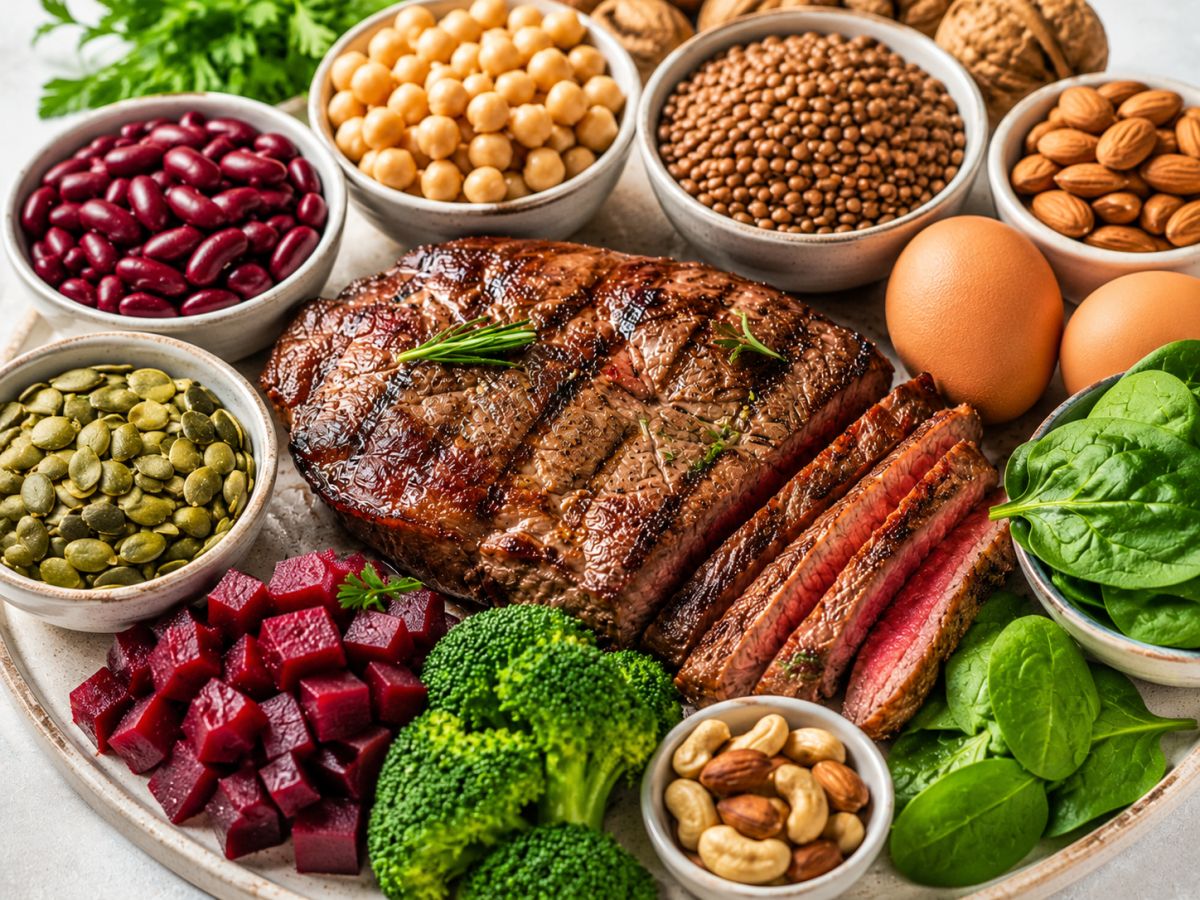
If you are looking for iron-rich foods, the key is not only knowing where iron is found in food, but also knowing which iron sources the body absorbs more efficiently and how to build a meal that helps the body benefit from iron as much as possible. Some foods contain a good amount of iron, but absorption differs depending on the type of iron, how the meal is arranged, and whether it is eaten with foods that support or reduce absorption.
In this article, you will find the best foods that contain iron from both animal and plant sources, along with suitable options for women, men, pregnant women, children, and infants. For a fuller understanding of the benefits of iron for the body and how it supports energy, immunity, and the nervous system, you can explore the dedicated guide.
What Are the Best Iron-Rich Foods?
The best iron-rich foods are the ones that combine a good amount of iron with better absorption. In general, the body absorbs iron from animal sources more efficiently than iron from plant sources. Still, plant-based iron can be better absorbed when eaten with foods rich in vitamin C, such as lemon, oranges, tomatoes, and bell peppers. To learn more about iron as an essential mineral and its role in the body, you can visit the iron section on Vitaminati.
| Source type | Examples |
|---|---|
| Animal sources | Red meat, liver, chicken, fish, tuna, sardines, oysters, eggs |
| Plant sources | Lentils, chickpeas, fava beans, beans, spinach, seeds, nuts, oats, fortified cereals |
| Foods that support absorption | Lemon, oranges, strawberries, kiwi, tomatoes, sweet peppers |
| Foods and drinks that need timing attention | Tea, coffee, milk, dairy products, calcium supplements |
Where Is Iron Found in Food in High Amounts?
Iron is found in high amounts in some animal foods such as liver, red meat, and fish. It is also found in plant foods such as lentils, beans, chickpeas, spinach, pumpkin seeds, sesame, and nuts.
But the presence of iron in food does not mean the body will absorb all of it equally. So when choosing foods that contain iron, it is better to think about two things:
- The amount of iron in the food.
- How well the body can absorb that iron.
That is why a simple meal such as lentils with lemon and a bell pepper salad may be more helpful than a plant-based meal that is high in iron but eaten with tea right away. For the full details on what affects iron absorption, you can read causes of poor iron absorption and how to improve it.
Animal Foods Rich in Iron and Easier to Absorb
Iron from animal foods is often called heme iron, and it is usually absorbed more easily by the body. That is why animal foods are some of the most practical iron-rich choices for people who include them in their diet.
Liver and Red Meat
Liver and red meat are among the most well-known foods with a high iron content. Liver is especially rich in iron, but it is not suitable for everyone in the same way, especially during pregnancy, because it also contains a high amount of vitamin A. For that reason, liver during pregnancy should be approached cautiously and only according to medical advice.
Red meat is also a good source of easily absorbed iron and can be included in moderation as part of a balanced meal with salad or vegetables rich in vitamin C.
Examples: red meat with tomato and lemon salad, or grilled kofta with sweet peppers and vegetables.
Chicken and Turkey
Chicken and turkey contain iron, though usually in lower amounts than liver or red meat. Still, they can be a useful part of an iron-supportive diet, especially when eaten with vegetables that help absorption.
Examples: grilled chicken with broccoli, or turkey with bell pepper and tomato salad.
Fish and Seafood
Fish and seafood such as tuna, sardines, oysters, and shrimp contain iron, and they also provide other important nutrients such as protein and healthy fats. Oysters are among the richest seafood options in iron, while tuna and sardines are easier everyday choices.
Examples: tuna with lemon salad, or sardines with bread and tomato.
Eggs
Eggs contain some iron, but they are not among the highest iron sources compared with meat or legumes. They can be a useful addition, but they should not be the only iron source in the diet. To make the meal more supportive, eggs can be eaten with vegetables rich in vitamin C, such as tomatoes or peppers.
Plant Foods Rich in Iron
Plant foods are very important, especially for vegetarians or for people who do not eat much meat. But they usually contain non-heme iron, which is more sensitive to how the meal is arranged.
When eating plant-based iron-rich foods, it is usually best to add a source of vitamin C and avoid tea or coffee right after the meal.
Lentils and Legumes
Lentils, chickpeas, fava beans, beans, and peas are among the best iron-rich plant foods. They are also rich in fiber and plant protein, which makes them practical for regular meals.
| Meal | How to make it better |
|---|---|
| Lentil soup | Add lemon after cooking |
| Chickpeas | Eat with sweet peppers or tomatoes |
| Fava beans | Add lemon and fresh vegetables |
| Beans | Pair with a salad rich in vitamin C |
Spinach and Leafy Greens
Spinach and leafy greens contain iron, but they are not always the best source on their own because plant-based iron needs help with absorption. That is why it is better to eat them with lemon, tomatoes, or sweet peppers.
Examples: cooked spinach with lemon, or an arugula and spinach salad with tomatoes and peppers.
Seeds and Nuts
Pumpkin seeds, sesame, flaxseeds, almonds, cashews, and pistachios are foods with a relatively good iron content, and they are easy to add to meals.
- Add pumpkin seeds to salads.
- Use sesame or tahini with hummus.
- Add nuts to oats.
- Eat a small portion of nuts as a snack.
Fortified Grains and Oats
Iron-fortified cereals, oats, and some breads or breakfast cereals can be useful iron sources, especially for children or for people who need easy and quick options. Still, it is important to check sugar content in some breakfast cereals and choose fortified options with less added sugar when possible.
Dried Fruit
Dried fruits such as dried apricots, raisins, dried figs, and prunes contain iron and can be used in meals or snacks. But because they may be relatively high in sugar, it is better to eat them in moderate amounts as part of a balanced diet.
Fruits and Vegetables That Help Iron Absorption
Some fruits and vegetables are not necessarily the highest sources of iron, but they are very important because they help the body absorb iron, especially plant-based iron. Foods rich in vitamin C are especially important here.
| Fruit or vegetable | How it helps |
|---|---|
| Lemon | Works well with lentils, chickpeas, fava beans, and salads |
| Orange | A good source of vitamin C |
| Strawberries | Can be eaten after an iron-rich meal |
| Kiwi | Rich in vitamin C |
| Tomatoes | Easy to add to daily meals |
| Sweet peppers | Excellent with legumes and meat |
| Broccoli | Contains vitamin C and some iron |
How Do You Build an Iron-Rich Meal the Body Can Absorb Better?
To build an iron-rich meal, do not only think about the food that contains iron. Also think about how it is combined with the rest of the meal.
The simple rule is: iron + vitamin C = better absorption.
Examples:
- Lentils + lemon
- Chickpeas + sweet peppers
- Fava beans + tomatoes
- Meat + lemon salad
- Tuna + fresh vegetables
- Spinach + peppers or tomatoes
- Fortified oats + strawberries
It is also better to avoid drinking tea or coffee right after an iron-rich meal, especially if you are trying to raise iron or ferritin levels.
Easy Iron-Rich Meal Ideas
| Meal | Why it is useful |
|---|---|
| Lentils with lemon and bell pepper salad | Plant-based iron with vitamin C |
| Red meat with tomato salad | Animal iron with absorption support |
| Hummus with sweet peppers and bread | A filling iron-rich plant-based meal |
| Tuna with green salad | An easy source of iron and protein |
| Fava beans with lemon and tomatoes | A simple everyday choice |
| Fortified oats with strawberries | Good for breakfast and supports iron absorption |
| Cooked spinach with a squeeze of lemon | Plant-based iron with vitamin C |
| Chicken with broccoli | A lighter helpful meal |
Foods and Drinks Better Not Taken with an Iron-Rich Meal
Some foods and drinks may reduce how much iron the body benefits from if they are taken at the same time as an iron-rich meal:
- Tea
- Coffee
- Milk
- Dairy products
- Calcium supplements
- Some whole grains and legumes if they are not prepared well or are eaten without vitamin C support
It is also worth noting that some other minerals may compete with iron for absorption, such as zinc. That is why it is usually better not to take zinc supplements and iron supplements at the same time.
This does not mean these foods and drinks must be fully avoided. It simply means their timing should be managed.
Iron-Rich Foods for Women
Women often need to pay closer attention to iron sources because of menstruation, pregnancy, breastfeeding, or hair shedding that may sometimes be linked to low nutrient levels. For more details on iron deficiency symptoms in women and their link to periods and pregnancy, you can read the dedicated guide.
| Food type | Examples |
|---|---|
| Animal sources | Red meat, chicken, fish, tuna, eggs |
| Plant sources | Lentils, chickpeas, fava beans, beans, spinach |
| Easy additions | Tahini, sesame, pumpkin seeds, nuts |
| Absorption support | Lemon, sweet peppers, tomatoes, oranges |
Example of a suitable meal: lentils or chickpeas with lemon and salad, or meat with fresh vegetables.
Iron-Rich Foods for Men
Men also need iron to support energy, muscles, and daily performance, but their daily need is usually lower than that of menstruating women. So the focus is usually on including iron sources in a balanced diet without overdoing it.
- Red meat in moderation
- Chicken and fish
- Tuna and sardines
- Lentils and fava beans
- Oats and fortified grains
- Nuts and seeds
Example of a suitable meal: tuna with salad, grilled meat with vegetables, or fava beans with lemon and tomatoes.
Foods That Contain Iron for Pregnancy
During pregnancy, the body's iron needs increase, but food choices also need to be safe and appropriate. Pregnant women can include a range of iron sources such as well-cooked meat, chicken, suitable fish, lentils, chickpeas, fava beans, spinach, fortified grains, and fruits rich in vitamin C.
Important notes during pregnancy:
- Avoid liver, or eat it only if a doctor recommends it, because it is very high in vitamin A.
- Avoid undercooked meat or fish.
- Do not take iron supplements without medical guidance.
- Combine plant-based iron foods with vitamin C to improve absorption.
- If iron deficiency is confirmed, food may help but may not be enough on its own.
Pregnancy-friendly meal ideas include lentils with lemon, well-cooked chicken with salad, fortified oats with fruit, or hummus with sweet peppers.
Iron-Rich Foods for Children
Iron-rich foods for children are important for growth, energy, and concentration, but they should be age-appropriate and easy to chew and digest.
- Well-cooked minced meat
- Chicken cut in suitable pieces
- Eggs, if appropriate for the child and there is no allergy
- Lentils and soups
- Mashed fava beans or chickpeas
- Oats or fortified cereals
- Nut butter that is age-appropriate and served safely
- Vitamin C rich fruits with meals
Example meal: lentil soup with a squeeze of lemon, or well-cooked minced meat with rice and vegetables.
Iron-Rich Foods for Infants
Iron-rich foods for infants should match the child's age and stage of food introduction. Solid foods are often introduced around 6 months, depending on readiness and pediatric guidance.
- Iron-fortified infant cereal
- Well-cooked pureed meat
- Pureed chicken
- Well-mashed lentils
- Well-mashed beans or chickpeas
- Pureed vegetables with a suitable vitamin C source
- Iron-fortified foods made for infants
Speak with your pediatrician if the infant was born prematurely or has feeding or growth concerns. Solid foods should not be introduced before the appropriate age unless a doctor advises it.
Iron-Rich Foods for Hair
When people look for iron-rich foods for hair, the idea is not that food directly treats hair loss. Rather, iron is part of overall nutrition that supports body health. To understand the broader signs of iron deficiency in the body, which may include hair shedding, you can read the dedicated guide.
- Red meat in moderation
- Eggs
- Lentils
- Chickpeas
- Spinach
- Pumpkin seeds
- Nuts
- Fruits rich in vitamin C
If hair shedding is ongoing or severe, it is better not to depend on food alone. Medical review or tests such as the ferritin blood test may be helpful when needed.
Are There Foods Rich in Both Calcium and Iron?
Yes, some foods may contain both iron and calcium, such as some leafy greens, tahini, sesame, some legumes, and some fortified foods. Still, calcium can reduce iron absorption when taken at the same time in large amounts, especially with iron supplements.
A practical example is to eat an iron-rich meal with vitamin C, then have milk or yogurt later, away from the main iron-rich meal.
Are There Foods Rich in Hemoglobin?
The phrase "foods rich in hemoglobin" is common in search, but it is not medically precise. Hemoglobin is a protein the body makes inside red blood cells, not something we directly get from food.
A more accurate way to say it is: foods that help the body support hemoglobin production. These include iron-rich foods together with other nutrients such as vitamin B12, folate, and protein.
- Meat
- Fish
- Eggs
- Lentils and legumes
- Leafy greens
- Fortified grains
- Fruits rich in vitamin C to support iron absorption
Is Food Alone Enough to Raise Iron or Ferritin Levels?
Iron-rich food may help support iron levels, especially when deficiency is mild or when the goal is prevention. But if iron deficiency is clearly shown in lab results, or if ferritin is very low as seen in the ferritin blood test, food alone may not be enough.
Phrases such as "foods that raise ferritin quickly" should also be approached carefully. There is no single food that raises iron stores quickly for everyone, because recovery depends on the cause, the severity of the deficiency, absorption, bleeding, and the body's needs.
The better approach is to eat iron-rich foods regularly, improve absorption, and speak with a doctor if symptoms continue or if test results are low.
Iron-Rich Foods for Anemia
Iron-rich foods can be an important part of the diet when there is anemia linked to iron deficiency, but they do not replace diagnosis or treatment when the case is clear or more severe.
- Red meat
- Chicken and fish
- Lentils and chickpeas
- Beans
- Spinach and leafy greens
- Fortified grains
- Fruits and vegetables rich in vitamin C
If anemia is caused by something other than iron deficiency, then focusing on iron alone may not be enough. It is better to interpret test results with a doctor.
Frequently Asked Questions
What are the best iron-rich foods?
The best iron-rich foods include red meat, liver, chicken, fish, oysters, eggs, lentils, chickpeas, fava beans, beans, spinach, seeds, nuts, and fortified cereals.
Where is iron found in food in high amounts?
Iron is found in high amounts in liver, red meat, oysters, fish, lentils, beans, spinach, pumpkin seeds, sesame, fortified cereals, and dried fruits.
What are the best iron-rich foods for pregnancy?
Suitable choices during pregnancy include well-cooked meat, chicken, suitable fish, lentils, chickpeas, fortified grains, spinach, and fruits rich in vitamin C. Liver should be approached carefully during pregnancy because it is high in vitamin A.
Does spinach raise iron?
Spinach contains iron, but it is a plant source that needs better absorption support. It is better eaten with lemon, tomatoes, or sweet peppers.
Do tea and coffee reduce the benefit of iron-rich foods?
Yes, they may reduce iron absorption when taken directly with or after the meal. It is usually better to leave at least an hour between them and iron-rich meals.
What meals help raise iron?
Helpful meal ideas include lentils with lemon, meat with salad, hummus with peppers, fava beans with tomatoes, tuna with vegetables, and fortified oats with fruits rich in vitamin C.
Are there foods that raise ferritin quickly?
There are no foods that raise ferritin quickly for everyone. Food helps over time, but the speed of improvement depends on the cause, severity of deficiency, absorption, and overall health.
What are the best iron-rich foods for children?
Good choices for children include well-cooked minced meat, chicken, eggs if suitable, lentils, chickpeas, fava beans, fortified oats, and fruits rich in vitamin C.
What is the best way to benefit from iron in food?
The best way is to eat iron sources with vitamin C, avoid tea, coffee, and milk directly with the meal, vary animal and plant sources, and soak and cook legumes well.
Conclusion
There are many iron-rich foods, but benefiting from them depends not only on the amount of iron, but also on the type of iron and how the meal is arranged. Animal sources such as meat and fish are usually easier to absorb, while plant sources such as lentils, chickpeas, and spinach benefit from vitamin C support.
For better results, choose a range of iron sources, add lemon, tomatoes, or peppers to plant-based meals, and avoid tea, coffee, and milk directly with iron-rich meals. If iron deficiency is clearly shown in tests or symptoms continue, it is better to speak with a doctor to understand the cause and the right plan.
This article is for health education only. Do not rely on food alone when lab tests show clear deficiency. Speak with your doctor about the right plan for your situation.