Fertility Supplements for Women: What the Evidence Actually Shows
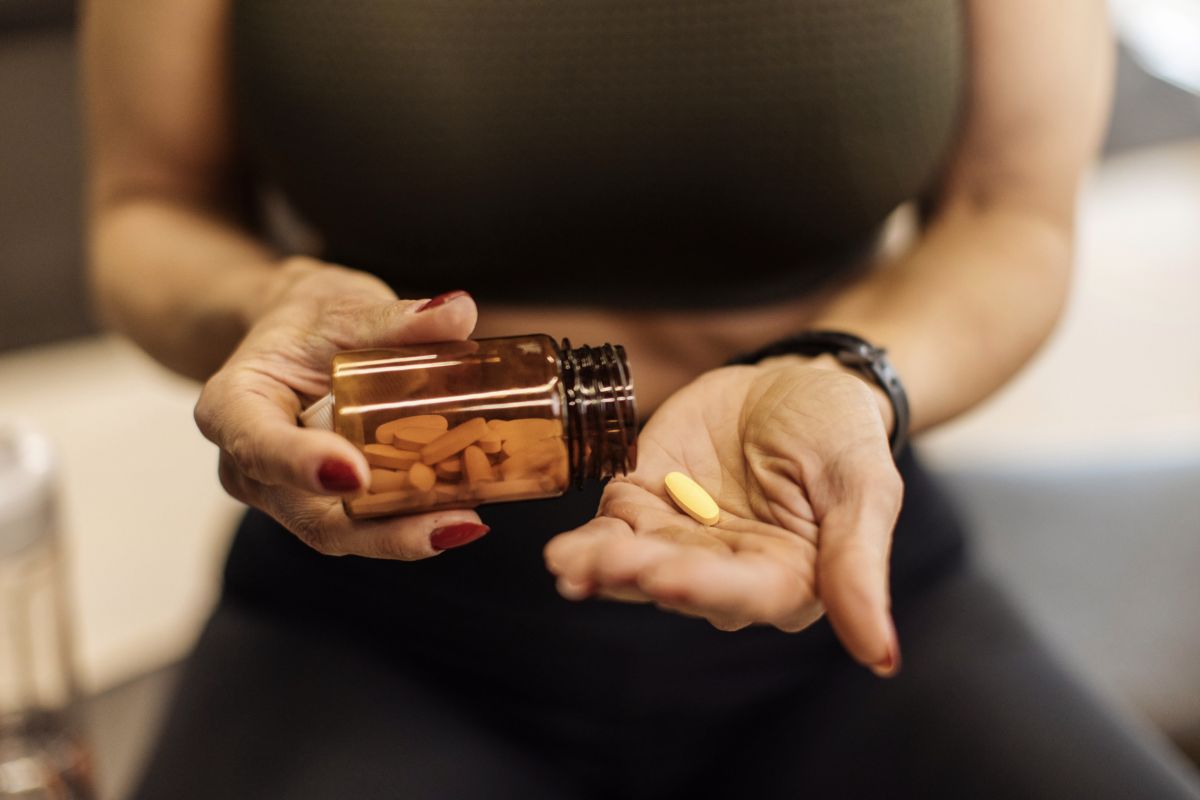
Many women trying to conceive wonder whether fertility supplements for women can improve their chances of pregnancy or simply fill nutritional gaps. The honest answer sits between hope and marketing hype: a handful of nutrients have solid, evidence-based roles in reproductive health and early pregnancy, while many products sold as "fertility boosters" have thin or inconsistent research behind them. Fertility depends on many factors — age, ovulation patterns, underlying conditions such as PCOS or thyroid disease, and a partner's sperm health — that no pill can override. Still, correcting a real nutrient gap before conception can support a healthier pregnancy and, for some nutrients, may improve certain fertility markers. This article explains what the evidence actually supports, what remains uncertain, and how to approach fertility supplements safely and realistically.
Key Takeaways
- Fertility supplements cannot fix structural causes of infertility, such as blocked fallopian tubes, severe endometriosis, or very low ovarian reserve.
- Folic acid (folate) before conception is the best-supported fertility-related supplement, mainly to help prevent neural tube defects.
- Vitamin D, iron, and iodine deficiencies are common in women of reproductive age and are worth checking before trying to conceive.
- CoQ10 and myo-inositol show promising but still limited evidence, mostly in specific groups such as women with PCOS or those trying to conceive later in reproductive age.
- More is not better: excess doses of some vitamins, especially preformed vitamin A, can be harmful in early pregnancy.
- Blood tests, not guesswork, are the most reliable way to decide which supplements you actually need.
- Body weight, smoking, alcohol, and sleep affect fertility as much as, or more than, any supplement.
What Are Fertility Supplements, and Who Might Benefit?
"Fertility supplements" is a broad marketing term covering everything from single vitamins with strong research behind them to multi-ingredient blends with little clinical testing. Most women who benefit from targeted supplementation fall into one of a few groups: those with a diagnosed nutrient deficiency, those managing a condition linked to fertility such as PCOS, and those simply preparing their diet for a healthy pregnancy in the months before conceiving. Understanding the vitamins and nutrients linked to female fertility and ovarian health can help put individual supplements into a broader nutritional context.
If you have recently stopped hormonal birth control to try to conceive, it is also worth understanding how birth control pills may affect certain nutrient levels over time, which is one more reason a preconception check-up can be useful.
Nutrients With the Strongest Evidence for Fertility Supplements for Women
Folate and Folic Acid
Folate (or its synthetic form, folic acid) is the single most evidence-backed nutrient for women planning a pregnancy. Adequate folate intake starting at least one month before conception and continuing through the first trimester significantly lowers the risk of neural tube defects in the developing baby. Health authorities generally recommend 400 micrograms of folic acid daily for women who could become pregnant, with higher amounts advised for some women under medical supervision, such as those with a prior affected pregnancy or certain medical conditions. This is why folate before conception is an important part of fertility and pregnancy planning.
Vitamin D
Vitamin D deficiency is common worldwide, including across the Middle East and Africa, despite abundant sunshine, largely due to clothing habits, sunscreen use, and limited time outdoors. Some observational research links low vitamin D to lower pregnancy rates with assisted reproduction and to pregnancy complications, though it has not been proven that supplementation alone increases natural fertility. Testing and correcting a clear deficiency is a reasonable, low-risk step before conceiving.
Iron
Iron deficiency, with or without anemia, is common in women of reproductive age due to menstrual blood loss, and it can affect energy, ovulation regularity, and overall readiness for pregnancy's increased blood volume demands. Rather than starting an iron supplement blindly, it helps to know your baseline through blood work. Understanding the difference between ferritin, hemoglobin, serum iron, and TIBC can make iron test results easier to interpret.
Iodine
Iodine is essential for thyroid hormone production, which in turn plays a role in ovulation and early fetal brain development. Many women do not get enough iodine from diet alone, and prenatal vitamins usually include a small amount. Because both too little and too much iodine can disrupt thyroid function, it is best addressed through diet and a standard prenatal-type supplement rather than high-dose iodine products.
Supplements With Promising but Limited Evidence
Coenzyme Q10 (CoQ10)
CoQ10 is an antioxidant naturally produced by the body that declines with age. Small clinical trials suggest it may modestly improve egg quality and response to fertility treatment in some women, particularly with advancing reproductive age, but larger, more consistent studies are still needed before it can be considered a proven fertility treatment.
Myo-Inositol
For women with polycystic ovary syndrome (PCOS), myo-inositol has been studied for its potential to support more regular ovulation as part of an overall management plan. The evidence is encouraging but still developing, and it works best alongside, not instead of, broader lifestyle and medical management. The evidence behind inositol and PCOS is particularly relevant when deciding whether this supplement fits an individual plan, while the broader metabolic approach to PCOS and hormonal balance helps place supplementation alongside nutrition and lifestyle.
Omega-3 Fatty Acids
Omega-3 fatty acids, found in fatty fish and fish oil supplements, support several normal functions in the body and are important for fetal brain and eye development once pregnancy is established. Evidence that omega-3 supplementation directly boosts fertility before conception is limited, but it remains a reasonable nutrient to prioritize while preparing for pregnancy.
Practical Guidance: How to Choose and When to Start
Most guidelines suggest starting preconception nutrition habits at least two to three months before actively trying to conceive. During this period, tracking the menstrual cycle can help identify the likely timing of ovulation, and Vitaminati's ovulation calculator can provide an estimate of the fertile window based on cycle information. It is an estimation tool and does not replace medical fertility assessment.
A simple, practical approach looks like this:
- Schedule a preconception check-up and ask about screening for vitamin D, iron/ferritin, and thyroid function.
- Start a folic acid-containing supplement, often as part of a standard prenatal vitamin, before conception rather than waiting for a positive pregnancy test.
- Prioritize whole foods first — leafy greens, legumes, fish, eggs, and dairy — and use supplements to close specific gaps rather than replace a varied diet.
- Choose products that are third-party tested for quality, and avoid "proprietary blends" that do not disclose exact ingredient amounts.
- If you have PCOS, thyroid disease, or another condition affecting fertility, coordinate any supplement plan with the clinician managing that condition.
Safety and Common Mistakes
A common mistake is assuming that if a little is good, more must be better. High-dose vitamin A (as retinol, not beta-carotene) taken in early pregnancy has been linked to birth defects, so it is important to check the form and dose in any supplement taken while trying to conceive. Stacking several multivitamins or fertility blends at once can also lead to unintentionally high doses of fat-soluble vitamins like A, D, E, and K, which the body stores rather than excretes.
Another mistake is relying on supplements as a substitute for medical evaluation. If you are under 35 and have not conceived after 12 months of regular, unprotected intercourse, or after six months if you are 35 or older, it is worth speaking with a healthcare provider rather than continuing to try supplements alone. Herbal "fertility blends" in particular often lack rigorous safety testing in women trying to conceive and should be discussed with a doctor before use.
Frequently Asked Questions
Can supplements alone make me more fertile?
No single supplement can guarantee pregnancy or reverse conditions like blocked tubes, severe endometriosis, or very low ovarian reserve. Supplements can help correct deficiencies and support overall reproductive health, but they work best alongside, not instead of, medical evaluation when needed.
When should I start taking folic acid if I'm planning a pregnancy?
Ideally at least one month before you start trying to conceive, since neural tube development happens very early, often before a pregnancy is confirmed. Getting enough folate during preconception planning is therefore important before a positive pregnancy test.
Is it safe to take a prenatal vitamin before I'm pregnant?
Generally yes, and it is actually recommended. Standard prenatal vitamins are formulated to provide important nutrients such as folate, iodine, and iron before and during pregnancy. The exact product and nutrient doses should still be appropriate for your individual needs.
Do fertility supplements help with PCOS-related infertility?
Some, such as myo-inositol, show encouraging evidence for supporting more regular ovulation in women with PCOS, but they are typically used as part of a broader nutrition, lifestyle, and medical plan rather than as a standalone solution.
Can taking too much of a vitamin actually reduce my chances of a healthy pregnancy?
Yes. Excess preformed vitamin A and very high doses of some minerals can be harmful in early pregnancy, which is why checking labels and avoiding megadoses matters even before conception.
References
- American College of Obstetricians and Gynecologists (ACOG) – Good Health Before Pregnancy
- NIH Office of Dietary Supplements – Nutrient Fact Sheets
- CDC – Folic Acid
- Mayo Clinic – Female Infertility
Disclaimer: This article is for general educational purposes. If you are pregnant, breastfeeding, have a medical condition, or take medications, consult a healthcare professional before starting supplements.
About Vitaminati
Vitaminati is a health and wellness information platform dedicated to making knowledge about vitamins, minerals, food supplements and natural herbs accessible and easy to understand. Through educational articles, practical health guidance and nutrition resources, Vitaminati helps readers make informed decisions about their everyday wellbeing. Its content covers a wide range of health topics, including women's health, nutritional needs and healthy living, while encouraging responsible supplement use and consultation with healthcare professionals. Vitaminati is part of the wider business and healthcare network of Rasha Oudeh, connecting health education with her work in entrepreneurship, international business and economic development.