Foods High in Phosphorus: Natural Sources, Additives, and Who Should Be Careful
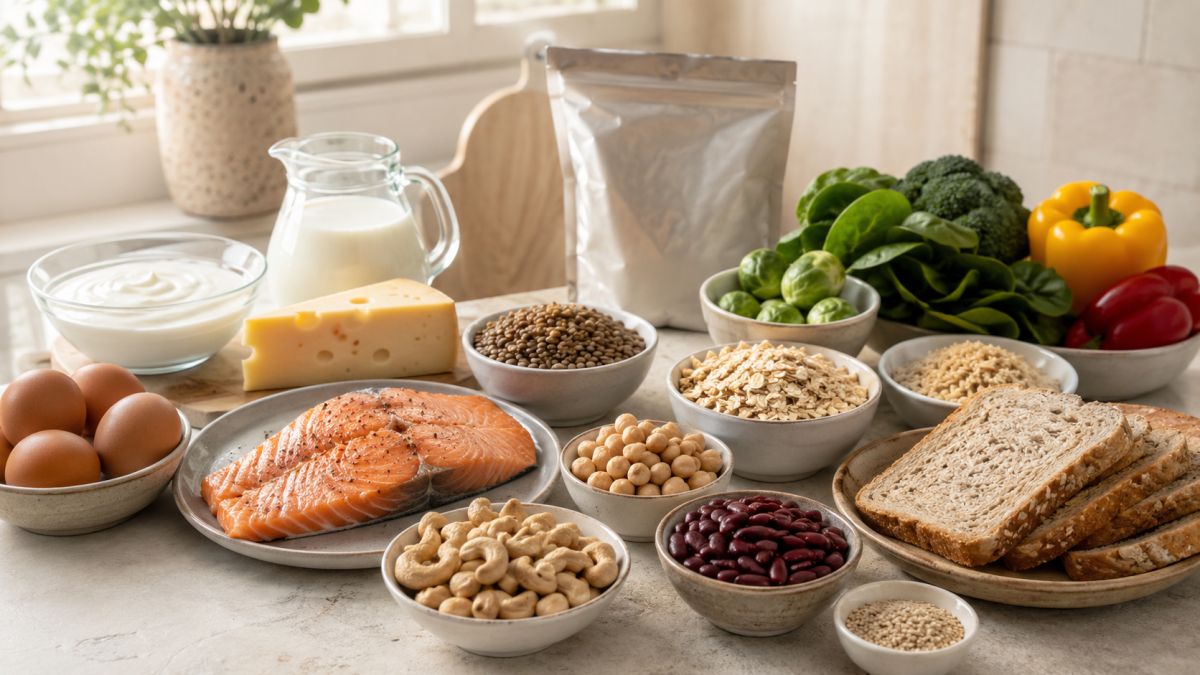
Foods high in phosphorus include dairy products, meat, poultry, fish, eggs, nuts, legumes, whole grains, and some processed foods with phosphate additives. For most healthy adults, phosphorus from food is part of a balanced diet. But for people with chronic kidney disease or high phosphate levels in blood tests, phosphorus intake may need closer medical or nutrition guidance.
Understanding phosphorus foods is not only about memorizing a list. It is also about knowing the difference between naturally occurring phosphorus in whole foods and added phosphate in processed foods.
What is phosphorus and why does the body need it?
Phosphorus is an essential mineral involved in bones, teeth, cells, DNA, RNA, and the body’s energy system. It works closely with calcium and vitamin D to support normal bone and tooth structure.
When looking at this mineral in the diet, the broader phosphorus guide helps place food sources, daily needs, deficiency, and safety into one clear context.
Most phosphorus in the body is stored in bones and teeth, while a smaller amount is found in blood and soft tissues. The kidneys help regulate phosphorus balance by removing extra phosphate through urine.
Which foods are high in phosphorus?
Phosphorus is widely available in the diet. This means that most people who eat enough calories and protein usually get enough phosphorus from food.
Common phosphorus-rich foods include:
- Dairy products such as milk, yogurt, and cheese
- Fish and seafood such as salmon, tuna, sardines, and scallops
- Poultry and meat such as chicken, turkey, and beef
- Eggs
- Legumes such as lentils, beans, peas, and chickpeas
- Nuts and seeds such as cashews, almonds, sesame seeds, and sunflower seeds
- Whole grains such as oatmeal, brown rice, and whole wheat bread
- Some vegetables such as potatoes and asparagus
- Some processed foods that contain phosphate additives
Because phosphorus is one of the essential dietary minerals, readers comparing nutrients can use the minerals section to understand how phosphorus fits alongside calcium, magnesium, iron, zinc, and other minerals.
Food labels do not always list phosphorus clearly unless it has been added as an ingredient. This makes the ingredient list especially important for people who were told to limit phosphorus.
Animal vs plant phosphorus: is there a difference?
Yes. The body does not absorb all phosphorus sources in the same way.
Phosphorus from animal foods is usually more absorbable than phosphorus from many plant foods. In plant foods such as seeds, legumes, and some grains, phosphorus may be stored as phytic acid. Humans do not fully break down this form, so less phosphorus may be absorbed.
This does not mean plant foods are “bad” sources. Many plant foods also provide fiber, minerals, and other useful nutrients. The difference in absorption mainly matters for people who need to monitor blood phosphate levels, such as some people with kidney disease.
Are phosphate additives different from natural phosphorus?
Phosphate additives are forms of phosphorus added to some processed foods for texture, moisture, flavor, color, shelf life, or stability.
These additives may appear in processed meats, packaged baked goods, cola drinks, fast foods, frozen meals, processed cheese, and ready-to-eat foods.
The concern is that added phosphate may be absorbed more easily than some naturally occurring phosphorus in whole foods. This is why some people with kidney disease are advised to pay attention to processed foods, not only to obvious phosphorus-rich foods such as dairy or meat.
A practical way to spot phosphate additives is to check the ingredient list for words containing “phos,” such as:
- Phosphoric acid
- Sodium phosphate
- Calcium phosphate
- Potassium phosphate
- Disodium phosphate
- Polyphosphate
- Pyrophosphate
This is where the source of phosphorus matters. A whole food that naturally contains phosphorus is not the same as a highly processed food with added phosphate salts.
High-phosphorus foods list by category
The table below groups common dietary sources of phosphorus. Exact phosphorus amounts vary by serving size, brand, processing method, and preparation.
| Food category | Examples | Important note |
|---|---|---|
| Dairy | Milk, yogurt, cheese | Often important sources of both phosphorus and calcium |
| Fish and seafood | Salmon, tuna, sardines, scallops | Also provide protein and other nutrients |
| Meat and poultry | Chicken, beef, turkey | Animal phosphorus is generally more absorbable |
| Eggs | Whole eggs, egg yolk | Contain phosphorus along with protein and fat-soluble nutrients |
| Legumes | Lentils, beans, chickpeas, peas | Plant phosphorus may be less fully absorbed because of phytate |
| Nuts and seeds | Cashews, almonds, sesame seeds, sunflower seeds | Portion size matters because these foods are nutrient-dense |
| Whole grains | Oatmeal, brown rice, whole wheat bread | Some phosphorus may be bound to phytate |
| Processed foods | Processed meats, cola, packaged meals, frozen foods | May contain highly absorbable phosphate additives |
Do healthy adults need to avoid foods high in phosphorus?
Most healthy adults do not need to avoid phosphorus-rich foods. Phosphorus is essential, and many foods that contain it also provide protein, calcium, magnesium, zinc, B vitamins, and other nutrients.
The adult Recommended Dietary Allowance for phosphorus is 700 mg per day for adults 19 years and older. Many people get enough phosphorus through normal eating patterns.
The concern is usually not naturally occurring phosphorus in balanced meals. The bigger concern is high intake from processed foods with phosphate additives, especially when kidney function is reduced or when blood phosphate is high.
Who should be careful with high-phosphorus foods?
Some people may need individualized guidance about phosphorus intake. This is especially important for people with:
- Chronic kidney disease
- High phosphate levels in blood tests
- Dialysis treatment
- Parathyroid hormone disorders
- Rare phosphate regulation disorders
- Medical advice to follow a low-phosphorus diet
If you have kidney disease, do not start a low-phosphorus diet randomly. The right plan depends on your lab results, kidney function, protein needs, medications, phosphate binders if prescribed, and overall nutrition status.
Phosphorus, calcium, and vitamin D: why balance matters
Phosphorus does not work alone. Its balance is closely linked with calcium and vitamin D, and these nutrients all contribute to normal bone and dental health.
When the main concern is bone health, it is better to look beyond one mineral. Readers comparing bone-support nutrients may benefit from understanding the role of calcium supplements, especially when intake is low or a healthcare professional has recommended supplementation.
Vitamin D also matters because it helps regulate calcium and phosphorus balance. For someone with vague symptoms such as fatigue, muscle weakness, or bone discomfort, the article on vitamin D deficiency explains why symptoms alone are not enough and why testing may be needed.
However, taking phosphorus supplements just because bones need phosphorus is not a good idea. Most people already get enough phosphorus from food, and unnecessary supplementation may be risky for some groups, especially people with kidney disease.
Can phosphorus deficiency happen from not eating enough?
Phosphorus deficiency from low food intake alone is uncommon in many healthy adults because phosphorus is found in many foods.
Low phosphorus in the blood, also called hypophosphatemia, is more often linked to medical conditions, certain medications, severe malnutrition, alcohol misuse, refeeding syndrome, or problems with phosphate regulation.
Possible signs of low phosphorus may include muscle weakness, bone pain, appetite changes, or confusion, but these symptoms are not specific. A blood test and medical assessment are needed.
How to choose phosphorus foods safely
For most people, the best approach is not to count every milligram of phosphorus. A more practical strategy is to focus on balanced meals and avoid relying heavily on highly processed foods.
For general wellness
- Eat a varied diet with protein, vegetables, whole grains, and healthy fats.
- Choose minimally processed foods more often.
- Do not use phosphorus supplements unless recommended by a healthcare professional.
- Keep calcium and vitamin D intake balanced instead of focusing on one mineral alone.
For kidney concerns
- Follow your doctor’s or dietitian’s phosphorus target if one was given.
- Check ingredient lists for “phos” additives.
- Do not remove protein foods without guidance, because protein needs may still be important.
- Ask whether phosphate binders, if prescribed, should be taken with meals.
Common mistakes about phosphorus foods
Mistake 1: Thinking all phosphorus is bad
Phosphorus is not bad. It is essential. The issue is whether the intake is appropriate for the person’s kidney function, blood phosphate level, and total diet.
Mistake 2: Only avoiding dairy
Dairy can be a source of phosphorus, but processed foods with phosphate additives may also contribute significantly. Someone focusing only on dairy may miss hidden additive sources.
Mistake 3: Starting a low-phosphorus diet without medical need
A low-phosphorus diet is mainly relevant for specific medical situations. Unnecessary restriction can make eating more difficult and may reduce intake of protein and other nutrients.
Mistake 4: Using supplements without checking kidney health
Phosphorus supplements are not routine wellness supplements. They may be used in specific medical contexts, but they should not be taken casually, especially by people with kidney disease or abnormal lab results.
When should you ask a healthcare professional?
Ask a doctor, pharmacist, or dietitian before changing phosphorus intake if you have kidney disease, dialysis treatment, abnormal phosphate blood tests, parathyroid disease, severe malnutrition, or if you take medications that may affect mineral balance.
You should also seek medical advice if you have unexplained weakness, bone pain, confusion, persistent appetite loss, or abnormal lab results. These symptoms can have many causes and should not be assumed to be due to phosphorus alone.
If the main concern is bone weakness or fracture risk, understanding the broader risk factors for osteoporosis may be more useful than focusing on phosphorus alone.
Key takeaway
Foods high in phosphorus are common and include dairy, meat, fish, eggs, legumes, nuts, seeds, grains, and some processed foods with phosphate additives. Most healthy adults do not need to avoid phosphorus-rich foods.
The safest approach is to understand the source and the context. Natural phosphorus in whole foods is not the same as added phosphate in some processed foods, and the need to limit phosphorus depends mainly on medical context, especially kidney health and blood test results.
FAQs about foods high in phosphorus
What foods are highest in phosphorus?
Dairy products, fish, meat, poultry, eggs, legumes, nuts, seeds, and some whole grains are common high-phosphorus foods. Processed foods may also contain phosphate additives.
Are eggs high in phosphorus?
Yes, eggs contain phosphorus, especially in the yolk. They can be part of a balanced diet unless a healthcare professional has advised phosphorus restriction.
Is milk high in phosphorus?
Yes, milk contains phosphorus and calcium. People with kidney disease may need individualized guidance on dairy intake depending on blood phosphate levels.
Are beans and lentils high in phosphorus?
Yes, beans, lentils, and chickpeas contain phosphorus, but some plant phosphorus may be less fully absorbed because it is bound to phytate.
What are phosphate additives?
Phosphate additives are phosphorus-containing ingredients added to some processed foods. They may appear in ingredient lists as phosphoric acid, sodium phosphate, potassium phosphate, or similar “phos” ingredients.
Should kidney patients avoid all phosphorus foods?
No. People with kidney disease need an individualized plan. Protein, calories, potassium, sodium, medications, and blood phosphate levels all matter.
Can high phosphorus cause symptoms?
High phosphorus may not cause obvious symptoms at first and is often found through blood tests, especially in people with kidney disease.
Do healthy people need phosphorus supplements?
Most healthy people get enough phosphorus from food. Phosphorus supplements should only be used when recommended by a healthcare professional.
References
- NIH Office of Dietary Supplements: Phosphorus Fact Sheet for Health Professionals
- National Kidney Foundation: Phosphorus and Your CKD Diet
- Mayo Clinic: Low-Phosphorus Diet for Kidney Disease
- Harvard T.H. Chan School of Public Health: Phosphorus
Medical disclaimer: This article is for general educational purposes only. If you have kidney disease, abnormal phosphate blood tests, a chronic medical condition, or take medications, consult a healthcare professional before changing your diet or using any supplement.