Garlic and Heart Health: What is its Relationship with Supporting a Healthy and Balanced Lifestyle
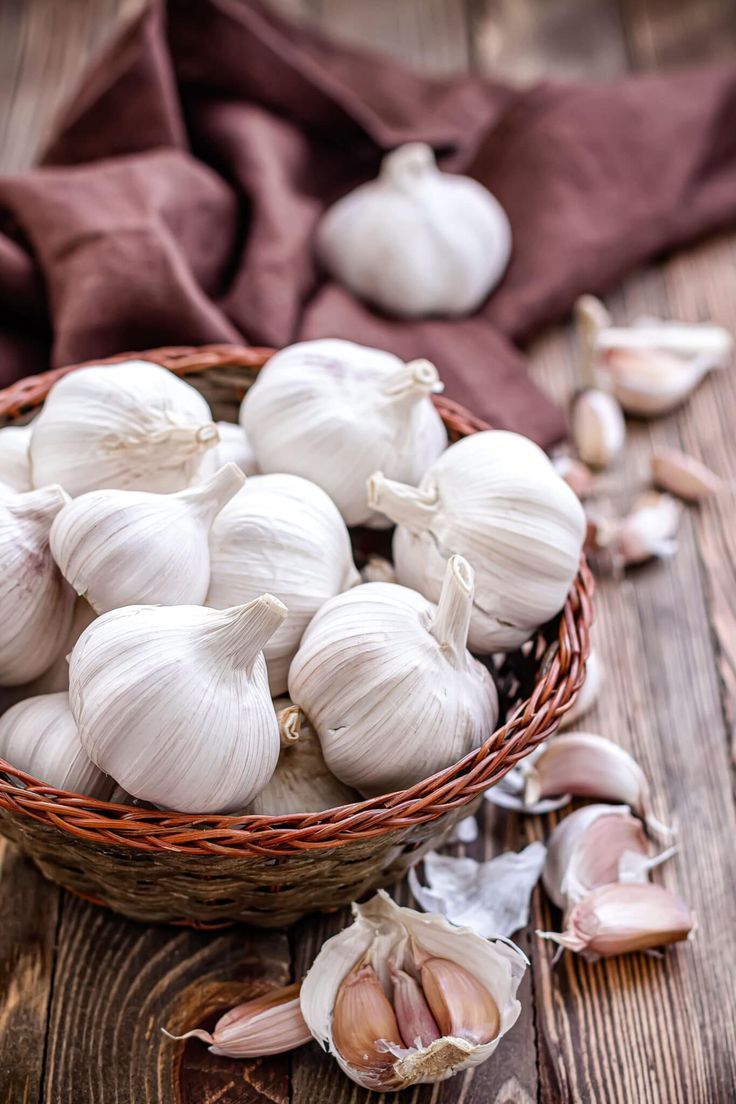
Garlic and Heart Health: Can It Support Blood Pressure and Cholesterol?
Garlic and heart health are often linked because garlic has a long history of use in food and traditional wellness practices. Garlic contains sulfur-containing compounds, including allicin-related compounds, and some studies suggest that certain garlic preparations may slightly support blood pressure and cholesterol levels in some people.
However, garlic is not a treatment for heart disease, and it should not replace blood pressure medication, cholesterol-lowering treatment, blood thinners, or medical care. The safest way to use garlic is as part of a complete heart-healthy lifestyle that includes balanced nutrition, physical activity, enough sleep, smoking avoidance, and regular medical follow-up when needed.
Key Takeaways
- Garlic may support heart health indirectly as part of a healthy diet, but it does not treat heart disease.
- Some evidence suggests that garlic supplements may have a small effect on blood pressure or cholesterol in some people.
- Fresh garlic in food is usually safe in moderate amounts, but it may cause bad breath, heartburn, or stomach discomfort.
- Garlic supplements may increase bleeding risk, especially with blood thinners or before surgery.
- Do not stop heart, blood pressure, cholesterol, or blood-thinning medication and replace it with garlic.
- Speak with a doctor or pharmacist before using garlic supplements if you take medication or have a chronic condition.
Why Is Garlic Linked With Heart Health?
Garlic is a plant from the same family as onions, leeks, and shallots. It contains sulfur compounds that form or change when garlic is crushed, chopped, or processed. These compounds are responsible for garlic’s strong smell and may contribute to some of its biological effects.
Historically, garlic has been used to support general health. Modern research has explored whether garlic may influence heart-related risk factors such as blood pressure, cholesterol, and blood vessel function.
Still, the presence of active compounds does not mean garlic can prevent heart attacks, reverse blocked arteries, or treat cardiovascular disease. Current evidence supports discussing garlic as a food or supplement that may help some people modestly, not as a stand-alone treatment.
How Might Garlic Affect the Heart and Circulation?
Garlic may influence several pathways related to heart health, but the strength of evidence depends on the form used, dose, duration, and the person’s health status.
1. Blood Pressure
Some reviews suggest that garlic preparations, especially certain aged garlic extracts, may slightly lower blood pressure in some people with hypertension. However, this does not mean garlic can replace blood pressure medication or regular monitoring.
If you have high blood pressure, measure it regularly and follow your doctor’s treatment plan. Garlic can be included in meals as part of a healthy diet, but you should not stop or change medication without medical advice.
2. Cholesterol and Blood Lipids
Some evidence suggests that garlic supplements may slightly lower total cholesterol or LDL cholesterol in some people. However, the effect is not strong or consistent enough to use garlic as a cholesterol treatment.
Cholesterol management usually depends on diet quality, physical activity, weight management, reduced saturated fat intake when needed, and sometimes medications such as statins. You can read more in Vitaminati’s article on weight management and cholesterol control.
3. Blood Vessel Health
Garlic may have antioxidant or anti-inflammatory effects in some studies, which is one reason it is discussed in relation to blood vessel health. However, these effects do not guarantee protection from heart disease.
Blood vessel health depends on many factors: blood pressure, blood sugar, cholesterol, smoking, movement, sleep, genetics, and diet. One food cannot carry the full responsibility for heart protection.
Is Fresh Garlic Better Than Garlic Supplements?
The best choice depends on the goal. Fresh garlic is a food ingredient that can be used safely by many people in moderate amounts. It adds flavor and may help reduce the need for excess salt or heavy sauces in some meals. Garlic supplements provide more concentrated doses but also carry greater safety concerns, especially for people using medications or preparing for surgery.
Fresh Garlic in Food
- Usually suitable for most people when used in moderate food amounts.
- Adds flavor and may improve overall diet quality.
- May cause bad breath, heartburn, bloating, or stomach irritation in some people.
- Does not guarantee lower blood pressure or cholesterol on its own.
Garlic Supplements
- May contain aged garlic extract, garlic powder, garlic oil, or other forms.
- Can provide higher doses than typical food intake.
- May interact with blood thinners, antiplatelet drugs, or blood pressure medication.
- Should not be used before surgery or dental procedures without medical advice.
If you want a broader explanation of garlic beyond heart health, see Vitaminati’s comprehensive guide to garlic and its role in supporting general health.
How Much Garlic Is Appropriate for Heart Health?
There is no single proven food dose of garlic that can be said to protect the heart or lower blood pressure for everyone. In meals, one or two cloves may be used depending on tolerance and the recipe.
Garlic supplement doses vary widely depending on the product type, concentration, and preparation method. Choosing the highest dose simply because it sounds stronger is not a safe strategy. Higher doses may increase side effects and interaction risks.
Practical Ways to Use Garlic
- Add garlic to food before considering high-dose supplements.
- Start with small amounts if you have reflux, heartburn, or a sensitive stomach.
- Use garlic within balanced meals, not on top of a diet high in salt and saturated fat.
- Do not combine garlic supplements with blood thinners without medical advice.
- Tell your doctor about garlic supplements before surgery, tooth extraction, or medical procedures.
Who May Benefit From Adding Garlic to the Diet?
Garlic may be a useful addition for people who want to improve food flavor and support heart health through a better overall eating pattern. It may be especially helpful when it replaces salty sauces, processed flavorings, or heavy condiments.
Garlic may suit:
- People who want to add flavor without increasing salt too much.
- People following a diet rich in vegetables, whole grains, legumes, and healthy proteins.
- People looking for a natural food ingredient as part of a healthy lifestyle, not as a treatment.
- People who do not experience stomach irritation or allergy from garlic.
For a more heart-conscious diet pattern, you can also review Vitaminati’s article on coronary artery disease symptoms, prevention, and heart health tips.
When Should You Avoid Garlic or Garlic Supplements?
Garlic in food is usually safe in moderate amounts, but some people need extra caution, especially with concentrated supplements.
- If you are allergic to garlic or related plants such as onions.
- If you take blood thinners such as warfarin or other anticoagulant or antiplatelet medicines.
- If you have surgery or dental procedures scheduled soon.
- If you have frequent bleeding or a bleeding disorder.
- If you take blood pressure medication and notice blood pressure becoming too low.
- If garlic causes severe heartburn, reflux, nausea, diarrhea, or stomach discomfort.
- If you are pregnant or breastfeeding and considering high-dose garlic supplements.
What Are the Possible Garlic Interactions?
The most important garlic interactions usually involve medicines that affect bleeding, blood pressure, or certain specialized treatments. This is why your doctor or pharmacist should know if you take garlic supplements, not only prescription medicines.
1. Blood Thinners and Antiplatelet Medicines
Garlic supplements may increase bleeding risk when used with medicines that thin the blood or reduce platelet activity. This may include warfarin, aspirin, clopidogrel, or other medicines depending on the situation.
2. Blood Pressure Medicines
If you take medicines to lower blood pressure, high-dose garlic supplements may contribute to blood pressure dropping too low in some people. Monitor your blood pressure and avoid adding supplements without advice.
3. Certain Specialized Medicines
Garlic may interact with some medicines, such as saquinavir used in HIV treatment. Other interactions may also depend on the medicine and dose. Ask a pharmacist before using garlic supplements with any regular medication.
How Can You Combine Garlic With a Heart-Healthy Lifestyle?
The best way to support heart health is not to rely on garlic alone. Garlic can be one useful ingredient within a complete eating and lifestyle pattern.
- Eat vegetables and fruits daily.
- Choose whole grains instead of refined grains when possible.
- Use healthy fats such as olive oil, nuts, and seeds in moderate amounts.
- Reduce salt and ultra-processed foods.
- Stay physically active in a way that fits your health condition.
- Avoid smoking and secondhand smoke.
- Monitor blood pressure, blood sugar, and cholesterol if you are at risk.
- Continue prescribed medications and do not replace them with supplements.
Is Garlic Suitable for People With High Blood Pressure or High Cholesterol?
People with high blood pressure or high cholesterol can often use garlic in food if it does not cause digestive symptoms or interact with their treatment. Garlic supplements require more caution, especially when heart, blood pressure, cholesterol, or blood-thinning medicines are being used.
If you have high blood pressure or high cholesterol, your priorities should be regular follow-up, appropriate testing, lifestyle changes, and prescribed treatment when needed. Garlic can be part of a healthy diet, but it is not a complete treatment plan.
Common Mistakes When Using Garlic for Heart Health
- Replacing medication with garlic: This can be dangerous, especially with heart disease, high blood pressure, or high cholesterol.
- Assuming natural always means safe: Garlic supplements can interact with medicines and increase bleeding risk.
- Using high doses without monitoring: A higher dose does not always mean greater benefit.
- Ignoring stomach symptoms: Garlic may cause heartburn, nausea, gas, or unpleasant breath in some people.
- Not telling the doctor before surgery: Garlic supplements should be mentioned before any medical or dental procedure.
FAQs About Garlic and Heart Health
1. Is garlic good for the heart?
Garlic may be a useful part of a heart-healthy diet, and some garlic preparations may modestly support blood pressure or cholesterol in some people. However, garlic is not a heart disease treatment and should not replace medication.
2. Does garlic lower blood pressure?
Some studies suggest that garlic supplements may slightly reduce blood pressure in some people with hypertension. The effect is not guaranteed and is not enough to replace prescribed blood pressure treatment.
3. Does garlic lower cholesterol?
Garlic may have a small effect on total cholesterol or LDL cholesterol in some people, but the evidence is not strong enough to use it as a cholesterol treatment. Diet, activity, and medication when needed remain more important.
4. Is eating garlic every day safe?
Eating garlic daily in moderate food amounts is usually safe for most people. High-dose garlic or supplements may cause heartburn, stomach discomfort, or bleeding risk in some people.
5. Are garlic supplements better than fresh garlic?
Not always. Supplements provide concentrated doses but carry more safety concerns. Fresh garlic is suitable as a food ingredient, while supplements should be used more carefully, especially with medications.
6. Can I take garlic with blood thinners?
Use caution. Garlic supplements may increase bleeding risk with blood thinners or antiplatelet medicines. Ask your doctor or pharmacist before using garlic supplements.
7. Should I stop garlic before surgery?
If you use garlic supplements, tell your doctor before surgery or dental procedures. They may ask you to stop them for a period before the procedure to reduce bleeding risk.
8. Does garlic treat blocked arteries?
No. There is not enough evidence that garlic treats blocked arteries. Blocked arteries require medical evaluation and treatment based on disease severity and risk factors.
9. Is garlic safe during pregnancy?
Garlic in normal food amounts is usually acceptable, but high-dose garlic supplements during pregnancy or breastfeeding should only be used after medical advice.
10. What is the best way to use garlic for heart health?
The best way is to use garlic in food as part of a diet low in excess salt and rich in vegetables, whole grains, legumes, healthy fats, and quality protein, without replacing medical care.
Conclusion
Garlic and heart health have a possible connection, but it should be understood carefully. Garlic can be a useful ingredient in a healthy diet, and some supplements may have modest effects on blood pressure or cholesterol in some people. Still, garlic does not treat heart disease and does not provide guaranteed prevention.
If you take blood pressure, heart, cholesterol, or blood-thinning medication, or if you have a surgery coming up, speak with a doctor or pharmacist before using garlic supplements. Heart health requires a complete plan that includes food quality, physical activity, sleep, medical monitoring, and prescribed treatment when needed.
Medical disclaimer: This article is for general educational purposes only and does not replace medical advice. If you have heart disease, high blood pressure, high cholesterol, use blood thinners, or have surgery planned, consult a qualified healthcare professional before using garlic supplements.