Ginkgo Biloba Benefits for Alzheimer’s and Parkinson’s Disease
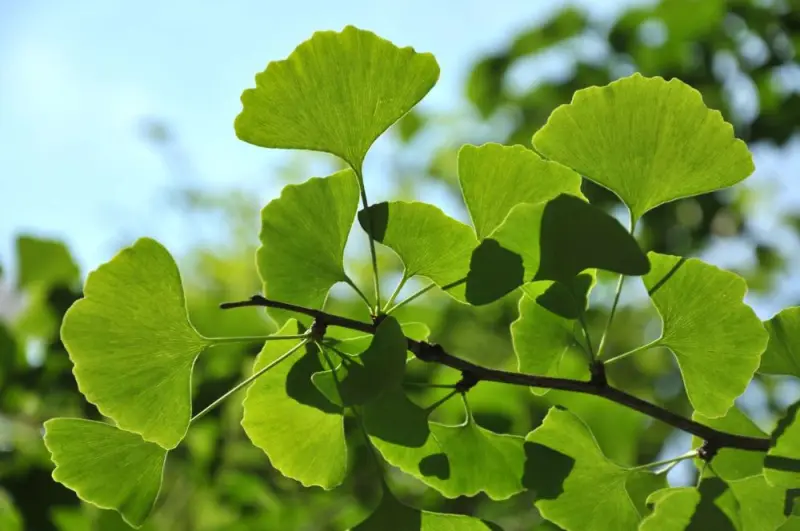
Ginkgo Biloba for Brain Health: Can It Really Support Memory and Blood Flow?
Ginkgo biloba, commonly known as the maidenhair tree, is one of the oldest living tree species, with origins dating back more than 200 million years. It has long held a place in traditional Asian medicine and has gained modern attention for its potential role in supporting cognitive function, blood flow, and protection against oxidative stress in nerve cells.
Although ginkgo biloba is often marketed as a natural supplement for memory and brain health, the scientific evidence is not equally strong across all uses. Some standardized extracts may be useful in specific contexts, particularly in some older adults or certain cases of mild dementia, but ginkgo is not a proven treatment for Alzheimer’s disease or Parkinson’s disease and does not prevent these conditions.
This article explores the key compounds in ginkgo biloba, its potential benefits for brain health, what we know about Alzheimer’s and Parkinson’s, and the most important safety precautions before using it.
What Is Ginkgo Biloba?
Ginkgo biloba is a botanical extract usually prepared from the leaves of the ginkgo tree. The most common supplement form is a standardized extract, which typically contains active plant compounds such as flavonoids and terpenoids.
Ginkgo is traditionally used to support circulation and memory, but it requires careful use because it may interact with common medications, especially blood thinners. You can explore Vitaminati’s herbs section to better understand how to approach herbal supplements safely.
Key Compounds in Ginkgo Biloba
The potential effects of ginkgo biloba are often linked to its rich content of antioxidants, especially flavonoids and terpenoids. These compounds may help:
- Counter oxidative stress that may affect nerve cells.
- Influence inflammatory pathways related to brain health.
- Support blood flow in small blood vessels, including those associated with the brain.
- Contribute to memory and focus support in some people, particularly when standardized extracts are used in the right context.
However, these mechanisms do not mean that ginkgo prevents or treats brain diseases. Human evidence remains mixed, and outcomes vary depending on the dose, extract type, duration of use, and the person’s health status.
Ginkgo Biloba Benefits for Brain Health and Memory
1. Memory and Focus Support
Ginkgo biloba may help support memory and focus in some people, especially when cognitive changes are age-related or when a studied standardized extract is used. However, there is not enough strong evidence to use ginkgo as a guaranteed “smart supplement” in healthy people.
True brain support does not depend on one supplement alone. It is also shaped by sleep, nutrition, movement, stress management, and nervous system health. You can read Vitaminati’s article on magnesium and the nervous system to understand how minerals contribute to nervous balance and mental performance.
2. Blood Flow Support in the Brain
Ginkgo biloba may help support blood flow in small blood vessels, which is one reason it has traditionally been associated with focus, alertness, and brain function. Some of its compounds may influence blood vessel flexibility and platelet activity.
This is also a key safety concern: any potential effect on platelets and circulation may increase bleeding risk in some people, especially those taking anticoagulants or antiplatelet medications.
3. Antioxidant Protection for Nerve Cells
The antioxidants in ginkgo biloba may help counter free radicals in laboratory and preclinical studies. Because oxidative stress is one factor linked with aging and cellular decline, ginkgo may have a supportive role in protecting nerve cells from stress.
However, antioxidant protection does not mean prevention of Alzheimer’s or Parkinson’s. These are complex diseases that cannot be reduced to one supplement.
Ginkgo Biloba for Alzheimer’s Disease: What Does Research Say?
1. Cognitive Support in Some Cases
Ginkgo biloba has shown mixed results in studies on cognition and dementia. Some reviews suggest that standardized extracts may offer small benefits in some people with mild or moderate dementia, while other sources conclude that evidence is not strong enough to recommend ginkgo for preventing or slowing dementia.
For this reason, the most accurate wording is that ginkgo biloba may support some cognitive symptoms in some people, but it does not treat Alzheimer’s disease or stop its progression. If you want to understand the condition itself, you can read Vitaminati’s article on Alzheimer’s disease causes, symptoms, and prevention factors.
2. Neuroprotection: A Promising Possibility, Not a Treatment
Ginkgo biloba antioxidants may reduce oxidative damage in research models and may have neuroprotective effects in some studies. However, the claim that ginkgo prevents amyloid plaque formation or stops neurofibrillary tangles requires caution, because these findings have not translated into a confirmed medical treatment in routine practice.
Therefore, ginkgo biloba is best viewed as a promising research topic in brain health, not as an alternative to medical diagnosis or treatment.
3. Quality of Life and Symptom Management
In some studies, standardized ginkgo biloba extracts have been associated with small improvements in some cognitive or behavioral measures in people with dementia. This may affect quality of life for some patients and caregivers, but the results are not consistent and do not apply to everyone.
Any use should be part of an integrated care plan reviewed by a healthcare professional, not an independent self-treatment decision.
Ginkgo Biloba and Parkinson’s Disease
1. Motor Function Support: Evidence Is Still Limited
Parkinson’s disease is characterized by motor symptoms such as tremor, rigidity, and slow movement. Some laboratory and animal studies suggest that ginkgo biloba may have antioxidant and neuroprotective properties, but direct clinical evidence in people with Parkinson’s disease remains limited.
For this reason, ginkgo biloba should not be considered a treatment for Parkinson’s motor symptoms. You can read Vitaminati’s article on Parkinson’s disease symptoms, causes, prevention, and treatment methods to better understand the condition and support options.
2. Potential Neuroprotective Benefits
Some compounds in ginkgo biloba may influence oxidative stress, inflammation, and nerve-cell protection pathways. These mechanisms make ginkgo interesting in neurodegenerative disease research, but they do not prove that it slows Parkinson’s progression in humans.
3. Cognitive and Emotional Health
Some people with Parkinson’s disease experience cognitive and emotional challenges, including anxiety or depression. Supporting circulation and reducing oxidative stress may indirectly support brain health, but ginkgo should be used with great caution in this context and only with medical approval, especially alongside neurological or psychiatric medications.
How to Choose and Use a Ginkgo Biloba Supplement
- Choose a standardized extract: Look for products that clearly state flavonoid and terpenoid content rather than undefined preparations.
- Avoid ginkgo seeds: Raw or roasted ginkgo seeds are not recommended because they may be toxic and can cause serious effects.
- Start only after professional advice: This is especially important if you are older, take medications, or have a history of bleeding or seizures.
- Do not combine it randomly with other supplements: Be especially careful with supplements that may affect bleeding or the nervous system.
If you are comparing supplements designed for nervous system and brain support, you can review Vitaminati’s article on NEURO Forte and neurological and psychological support as an example of formulas that include ingredients linked to nervous system health.
Precautions and Safety Considerations
Although ginkgo biloba offers potential benefits, it must be used responsibly:
- Consult your healthcare provider: Talk to your doctor or pharmacist before starting ginkgo biloba, especially if you have existing health conditions or take medications such as blood thinners.
- Monitor side effects: Possible side effects include headache, dizziness, palpitations, mild digestive upset, or skin reactions.
- Bleeding risk: Ginkgo may increase the risk of bleeding, especially when combined with warfarin, aspirin, clopidogrel, or nonsteroidal anti-inflammatory drugs.
- Pregnancy and breastfeeding: Ginkgo biloba safety during pregnancy and breastfeeding has not been established and may be unsuitable due to bleeding risk.
- Epilepsy or seizure risk: Extra caution is needed because some ginkgo components may affect seizure threshold, especially with high doses or seeds.
- Choose high-quality supplements: Select standardized ginkgo biloba products from reputable manufacturers to support purity and avoid contaminants.
Origins of Ginkgo Biloba
Ginkgo biloba is native to China and has been cultivated for thousands of years. Today, it grows in diverse climates worldwide and is admired for its resilience, environmental adaptability, and role in both traditional medicine and modern research.
Conclusion
Ginkgo biloba is one of the most recognized herbs for memory and brain health, thanks to its flavonoids, terpenoids, and possible effects on blood flow and oxidative stress. It may be helpful in specific contexts, particularly with certain standardized extracts, but the evidence is not strong enough to treat Alzheimer’s disease, Parkinson’s disease, or reliably prevent cognitive decline.
The takeaway: ginkgo biloba may be a supportive option for some people, but it requires careful use, a high-quality product, and medical guidance—especially for people using blood thinners, psychiatric or neurological medications, or those with chronic health conditions.
FAQs About Ginkgo Biloba
Does ginkgo biloba improve memory?
It may support memory in some people, especially in certain cognitive conditions, but evidence is not strong enough to call it a guaranteed smart supplement for healthy adults.
Does ginkgo biloba treat Alzheimer’s disease?
No. Ginkgo biloba does not treat Alzheimer’s disease or stop its progression. It may offer limited support for some symptoms in some cases, but only within a doctor-reviewed plan.
Is ginkgo biloba helpful for Parkinson’s disease?
Direct clinical evidence is limited. Some lab and animal research is promising, but it does not prove that ginkgo treats Parkinson’s or slows its progression in humans.
Is ginkgo biloba safe with blood thinners?
It should not be used with blood thinners or antiplatelet drugs without medical advice because it may increase bleeding risk.
What are the possible side effects of ginkgo biloba?
Possible side effects include headache, dizziness, stomach upset, palpitations, skin reactions, and rarely increased bleeding risk or seizures in susceptible people.
Can ginkgo biloba be used during pregnancy?
It is not recommended during pregnancy or breastfeeding unless advised by a healthcare professional, due to limited safety data and possible bleeding risk.
Scientific References
- NCCIH: Ginkgo — Usefulness and Safety
- Cochrane Review: Ginkgo biloba for cognitive impairment and dementia
- European Medicines Agency: Ginkgo folium
- PubMed: Updated Review of Randomized Clinical Trials Testing Ginkgo biloba Extract
- Mayo Clinic: Ginkgo — Safety and Interactions
- PubMed: Ginkgo biloba extract in an animal model of Parkinson’s disease
Medical disclaimer: This article is for general educational purposes only and is not a substitute for medical or pharmaceutical advice. If you are pregnant, breastfeeding, have a bleeding disorder, epilepsy, a neurological condition, or take blood thinners, psychiatric medications, or neurological medications, consult a healthcare professional before using ginkgo biloba.