Green Tea and Its Role in Cancer Prevention
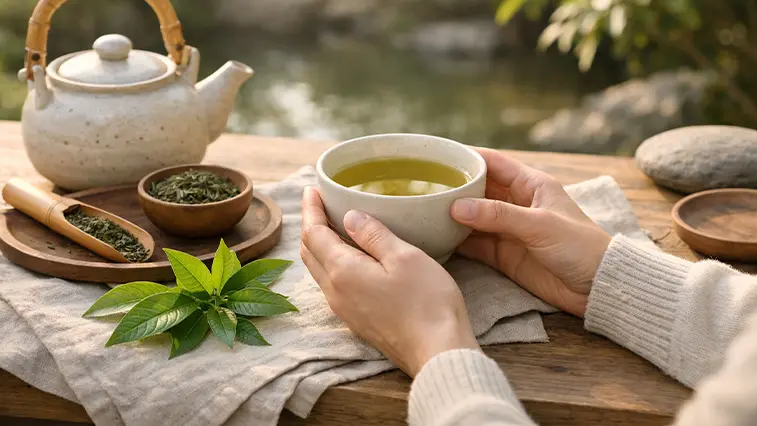
Green Tea and Cancer: What Is Its Real Role in Supporting Cellular Health?
Green tea is one of the most popular health beverages in the world. It is commonly associated with focus, weight management, and heart health. In recent years, however, its possible role in cancer prevention and cancer-supportive care has become an important research topic.
Green tea contains active plant compounds called catechins, especially EGCG, or epigallocatechin gallate, which has been studied for its antioxidant and anti-inflammatory properties.
However, one point must be clear: green tea does not treat cancer and should not replace medical treatment. It may be part of a healthy lifestyle and may offer supportive benefits, but current evidence is not strong enough to say that it directly prevents or treats cancer.
Overview of Green Tea
Green tea is made from the leaves of Camellia sinensis, the same plant used to make black tea. The main difference is processing. Green tea undergoes less oxidation, so it retains higher levels of certain polyphenols and catechins.
These compounds are why green tea is studied in relation to oxidative stress, inflammation, heart health, and cancer. Readers interested in herbs and plant compounds can explore Vitaminati’s herbs section to better understand how botanicals fit into wellness.
Green Tea and Cancer Prevention: What Does Research Say?
Many studies have examined the relationship between green tea and the risk of different cancers. Some studies have found a possible association between green tea consumption and lower risk of certain cancers, while others have not found the same effect.
For this reason, the more accurate wording is that green tea may support a healthy cellular environment through antioxidants, but it does not guarantee cancer prevention. Real cancer-risk reduction depends on many factors, including avoiding tobacco, eating a balanced diet, staying active, maintaining a healthy weight, screening when recommended, and reducing exposure to carcinogens.
1. Antioxidant Properties
Green tea is rich in antioxidants, especially catechins such as EGCG. Antioxidants help reduce the effects of free radicals, unstable molecules that may contribute to cellular damage when present at chronically high levels.
This does not mean antioxidants alone prevent cancer, but they may be part of a plant-rich diet that supports cellular health. Similarly, Vitaminati discusses the role of antioxidants in other health topics such as the best antioxidants for male fertility.
2. Anti-Inflammatory Effects
Chronic inflammation is linked with several chronic diseases, including some cancers. Laboratory and preclinical studies suggest that green tea compounds may influence some inflammatory pathways.
However, these findings do not mean that drinking green tea treats inflammation or prevents cancer. It is best understood as part of a healthy dietary pattern that includes vegetables, fruits, whole grains, quality proteins, and avoidance of tobacco and excess alcohol.
3. Protecting Cells From DNA Damage
EGCG is studied for its potential ability to reduce oxidative stress and support cellular defense mechanisms. In laboratory studies, this compound has shown effects related to protecting cells from certain types of damage.
Still, laboratory findings should not be translated directly into human outcomes. What happens in cells in a lab does not always happen when someone drinks green tea in normal amounts.
4. Tumor Growth Effects in Laboratory Studies
Some laboratory studies show that green tea polyphenols, including EGCG, may influence the growth of certain cancer cells or promote programmed cell death under experimental conditions.
However, these results are not proof that green tea treats cancer in humans. Cancer treatment requires specialist evaluation and a treatment plan based on cancer type, stage, and the patient’s overall condition.
For readers who want to understand prevention and diagnosis in a specific cancer type, Vitaminati’s article on prostate cancer symptoms, causes, and prevention is a useful next step.
5. Can Green Tea Improve Chemotherapy or Radiation Results?
Some studies investigate whether green tea compounds may affect how cancer cells respond to chemotherapy or radiation. However, this issue is complex because some antioxidants or concentrated extracts may interfere with the mechanisms of certain cancer treatments.
For this reason, green tea or green tea extracts should not be used as a supplement during chemotherapy or radiation without approval from an oncologist. Drinking one or two cups of tea may be very different from taking concentrated capsules that contain high doses of catechins.
6. Green Tea and Immunity
Green tea contains plant compounds that may support general health and may help reduce oxidative stress and inflammation, both of which influence immune balance.
However, it is not accurate to say that green tea directly makes the body “fight cancer cells.” Immune support depends on a full lifestyle approach that includes sleep, balanced nutrition, physical activity, stress management, and appropriate medical care when needed.
7. Can Green Tea Prevent Cancer Recurrence?
For cancer survivors, green tea may be part of a healthy diet if there is no medical reason to avoid it. However, there is not enough evidence to confirm that it prevents cancer recurrence.
The most important steps after recovery are medical follow-up, recommended screenings, appropriate physical activity, and maintaining a healthy weight. You can read Vitaminati’s article on lung cancer symptoms, causes, and effective prevention methods to better understand risk reduction.
Green Tea vs. Green Tea Extract: Why the Difference Matters
It is important to distinguish between green tea as a beverage and green tea extract as a supplement. Tea brewed in water usually provides moderate amounts of catechins and caffeine, while capsules or extracts may contain very high doses of EGCG.
This difference matters for safety because liver injury reports are more often linked to concentrated green tea extracts than to ordinary brewed green tea. High-dose extracts should not be used without professional guidance.
Precautions Before Using Green Tea
-
Consult Your Doctor During Cancer Treatment
If you are receiving chemotherapy, radiation therapy, immunotherapy, or targeted therapy, ask your oncologist before drinking large amounts of green tea or using concentrated green tea extracts.
-
Use Moderate Intake
For most adults, 2-3 cups of green tea daily may fit into a healthy diet. However, caffeine sensitivity differs between people, and excess intake may cause insomnia, palpitations, anxiety, or stomach upset.
-
Be Careful With Green Tea Extracts
Concentrated green tea extracts may be much stronger than the beverage and have rarely been linked with liver problems. Be especially cautious if you have liver disease or take medications that affect the liver.
-
Pregnancy and Breastfeeding
Green tea contains caffeine. Pregnant and breastfeeding women should consider total daily caffeine from tea, coffee, and other drinks, and ask a healthcare professional when needed.
-
Choose High-Quality Products
Choose unsweetened, high-quality green tea without unnecessary additives. Avoid products that claim to cure cancer or “detox the body,” because these are usually misleading marketing claims.
Where Is Green Tea Grown?
Green tea is grown in several countries, including China, Japan, India, and Sri Lanka. China is among the oldest centers of tea cultivation, while Japan is known for types such as matcha and sencha. Flavor and plant-compound content can vary depending on tea variety, cultivation, harvest time, and preparation method.
Conclusion
Green tea can be a valuable addition to a healthy lifestyle because it contains catechins, EGCG, and antioxidants. It may support cellular health and help reduce oxidative stress and inflammation.
However, it should not be presented as a proven cancer-prevention method or as an add-on treatment without medical supervision. If you have cancer or are receiving treatment, ask your doctor before using green tea extracts or drinking green tea in large amounts. Green tea may support health, but it is not a replacement for treatment, screening, or medical guidance.
FAQs About Green Tea and Cancer
Does green tea prevent cancer?
There is not enough evidence to confirm that green tea prevents cancer. It may be part of a healthy diet, but prevention depends on many factors, including avoiding tobacco, healthy weight, and recommended screenings.
Does green tea treat cancer?
No. Green tea does not treat cancer and should not replace medical treatment. Any use during cancer therapy should be discussed with an oncologist.
What is EGCG in green tea?
EGCG is a catechin, a plant compound found in green tea that has antioxidant properties and has been studied for its potential role in cellular health.
Is green tea extract safe?
Not always. Concentrated extracts may cause side effects and have rarely been linked to liver injury, so they should be used cautiously and with professional guidance.
How many cups of green tea can I drink daily?
For many adults, 2-3 cups daily may be reasonable, but caffeine sensitivity varies. People with insomnia, palpitations, pregnancy, or certain medical conditions should ask a healthcare professional.
Is green tea safe during chemotherapy?
Ask your oncologist first, especially before using concentrated extracts. Some supplements may interact with cancer treatments or affect how they work.
Scientific References
- NCCIH: Green Tea — Usefulness and Safety
- MD Anderson: Tea and Cancer Prevention
- American Institute for Cancer Research: Tea and Cancer Risk
- Memorial Sloan Kettering Cancer Center: Green Tea
- EFSA: Safety of Green Tea Catechins
- FDA: Caffeine Safety
Medical disclaimer: This article is for general educational purposes only and is not medical advice or cancer treatment. If you have cancer, receive chemotherapy, radiation therapy, immunotherapy, or targeted therapy, have liver disease, or take regular medications, consult your doctor before using green tea extract or consuming large amounts of green tea.