High Blood Pressure: Symptoms, Causes, Risks, and When to Check It
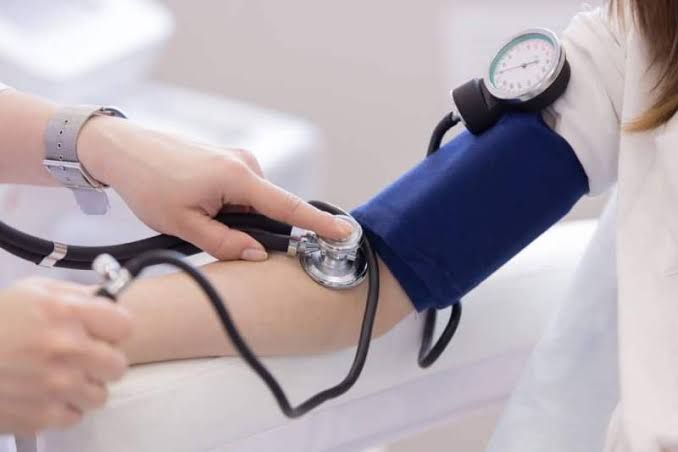
High blood pressure symptoms can be misleading because many people with hypertension do not feel anything unusual. A person may feel completely normal while blood pressure remains high for months or years. This is why regular measurement is essential, especially for people with risk factors such as diabetes, kidney disease, obesity, smoking, family history, or older age.
High blood pressure, also called hypertension, means the force of blood pushing against the artery walls is consistently too high. Over time, this extra pressure can damage blood vessels and increase the risk of heart attack, stroke, heart failure, kidney disease, and eye problems. The goal is not only to lower numbers, but to protect organs and reduce long-term risk.
Key Takeaways About High Blood Pressure
- High blood pressure often has no symptoms, so regular measurement matters.
- According to AHA categories, stage 1 hypertension starts at 130–139 systolic or 80–89 diastolic.
- Stage 2 hypertension is 140 or higher systolic or 90 or higher diastolic.
- Very high readings above 180 and/or 120 may require urgent action, especially if symptoms are present.
- Risk factors include age, family history, excess weight, high sodium intake, inactivity, diabetes, kidney disease, smoking, alcohol intake, and certain medications or supplements.
- Home monitoring can help track blood pressure, but it does not replace regular medical care.
- Do not stop blood pressure medication without professional guidance, even if home readings improve.
What Is High Blood Pressure?
Blood pressure is the force of blood against the walls of the arteries. It is written as two numbers. The top number is systolic blood pressure, which reflects pressure when the heart beats. The bottom number is diastolic blood pressure, which reflects pressure when the heart relaxes between beats.
Hypertension means blood pressure is consistently higher than recommended. One high reading does not always mean a person has hypertension, because blood pressure can rise temporarily due to stress, caffeine, exercise, pain, anxiety, or incorrect measurement. Diagnosis usually depends on repeated measurements or home or ambulatory monitoring interpreted by a healthcare professional.
For a related overview, Vitaminati’s article on hypertension as a silent condition explains why many people do not know they have high blood pressure until it is measured.
Blood Pressure Numbers Explained
Blood pressure categories may vary slightly between guidelines and countries. The American Heart Association uses the following adult categories:
- Normal: less than 120 systolic and less than 80 diastolic.
- Elevated: 120–129 systolic and less than 80 diastolic.
- Stage 1 hypertension: 130–139 systolic or 80–89 diastolic.
- Stage 2 hypertension: 140 or higher systolic or 90 or higher diastolic.
- Severe hypertension: higher than 180 and/or higher than 120.
These numbers should be interpreted in context. A healthcare professional considers age, cardiovascular risk, diabetes, kidney disease, pregnancy status, medications, and repeated readings before deciding the best plan.
High Blood Pressure Symptoms: Why You May Feel Nothing
High blood pressure is often called a silent condition because it usually does not cause obvious symptoms. Headache, dizziness, or fatigue can occur for many reasons and should not be used alone to diagnose hypertension.
This is important because waiting for symptoms can delay diagnosis. Someone may only discover high blood pressure during a routine checkup, pharmacy screening, home measurement, or evaluation for another health condition. Vitaminati’s article on preventive care and chronic disease checkups explains why regular monitoring is important even when you feel well.
When High Blood Pressure Symptoms Are Serious
Very high blood pressure with certain symptoms can be dangerous. If a reading is higher than 180 and/or 120, sit quietly and recheck after about one minute. If it remains very high, contact a healthcare professional promptly. If serious symptoms are present, emergency medical care may be needed.
Seek urgent help if very high blood pressure is associated with:
- Chest pain.
- Shortness of breath.
- Weakness or numbness.
- Difficulty speaking.
- Confusion.
- Vision changes.
- Severe headache with neurological symptoms.
- Back pain or severe sudden discomfort.
These symptoms may suggest a hypertensive emergency or another serious condition and should not be managed at home.
What Causes High Blood Pressure?
High blood pressure often develops from a combination of factors. In many adults, there is no single cause. Risk increases when several factors overlap.
1. Age and family history
Blood vessels can become less flexible with age, and family history can increase risk. A person with close relatives who have hypertension should be more proactive about checking blood pressure.
2. Excess body weight and metabolic syndrome
Excess body weight, especially around the abdomen, is linked with insulin resistance, inflammation, and higher cardiovascular risk. Hypertension often overlaps with metabolic syndrome, abnormal cholesterol, and type 2 diabetes. You can read more in Vitaminati’s guide to metabolic syndrome and diabetes risk.
3. High sodium intake
A diet high in sodium may raise blood pressure in many people, especially those who are salt-sensitive. Processed foods, restaurant meals, packaged snacks, and salty sauces can contribute more sodium than people realize.
4. Low physical activity
Regular physical activity supports heart and blood vessel health. Low activity can increase risk of weight gain, insulin resistance, and high blood pressure.
5. Smoking and alcohol
Smoking damages blood vessels and increases cardiovascular risk. Excessive alcohol can also raise blood pressure and interfere with blood pressure control.
6. Diabetes and kidney disease
Diabetes and kidney disease are closely connected with hypertension. High blood pressure can damage the kidneys, and kidney disease can also make blood pressure harder to control.
7. Medications and supplements
Some medications and supplements may raise blood pressure or interfere with blood pressure treatment. Examples may include NSAIDs, oral decongestants, stimulant products, some weight-loss supplements, high caffeine intake, and certain herbal products.
High Blood Pressure and Diabetes: Why the Combination Matters
High blood pressure and diabetes often occur together. This combination increases the risk of heart disease, stroke, kidney disease, and eye complications. For people with diabetes, blood pressure control is part of the overall plan to protect blood vessels and organs.
A pharmacist can help patients understand why diabetes medicines, blood pressure medicines, cholesterol-lowering medicines, glucose monitoring, blood pressure monitoring, and lifestyle changes may all be connected. The goal is long-term risk reduction, not only improving one number.
How to Check Blood Pressure at Home Correctly
Home blood pressure monitoring can help patients and healthcare professionals understand blood pressure patterns outside the clinic. It can also help evaluate whether treatment is working. However, home readings should be shared with a healthcare professional and should not be used to stop medication without advice.
For better accuracy:
- Use a validated upper-arm blood pressure monitor.
- Use the correct cuff size.
- Avoid caffeine, smoking, and exercise for about 30 minutes before measuring.
- Empty your bladder before measuring.
- Sit quietly for a few minutes before starting.
- Keep your feet flat on the floor and back supported.
- Place the cuff on bare skin, not over clothing.
- Support your arm at heart level.
- Take readings at the same times when instructed.
- Record readings with date, time, and notes such as missed medication or stress.
Medication Basics: What Patients Should Know
Many people need blood pressure medication. This does not mean lifestyle changes failed. Hypertension is a chronic condition, and medication can reduce the risk of serious complications when prescribed appropriately.
Common blood pressure medication classes include:
- ACE inhibitors: often used for blood pressure and kidney protection in selected patients.
- ARBs: another commonly used class, especially when ACE inhibitors are not tolerated.
- Calcium channel blockers: help relax blood vessels.
- Diuretics: help the body remove extra salt and water.
- Beta blockers: used for selected patients depending on heart conditions and clinical needs.
A key pharmacist message is simple: do not stop blood pressure medication suddenly without professional advice. Stopping medication can cause blood pressure to rise again, even if the person feels well or recent readings look better.
Supplements and High Blood Pressure: What to Be Careful With
Many people search for natural ways to support blood pressure. Some lifestyle changes are strongly supported, but supplements need caution. Natural does not always mean safe, especially for people taking blood pressure medication, diabetes medication, kidney medication, or blood thinners.
Licorice
Licorice can raise blood pressure and affect potassium levels when used excessively or in concentrated forms. People with hypertension should be cautious with licorice products. Vitaminati’s guide to licorice benefits, uses, and precautions explains why safety matters.
Hibiscus
Hibiscus is often discussed for heart and blood pressure support, but it should not replace prescribed medication. It may also interact with medications in some cases, so people taking treatment should ask a healthcare professional first. For more context, read Vitaminati’s article on hibiscus and heart health support.
Magnesium and potassium
Magnesium and potassium are important minerals, but supplements are not automatically safe for everyone. Potassium supplements or salt substitutes can be risky for people with kidney disease or those taking ACE inhibitors, ARBs, or certain diuretics. Magnesium supplements may also interact with medications or cause digestive side effects. Vitaminati’s article on magnesium with other supplements explains why combinations need careful review.
Lifestyle Steps That Support Blood Pressure
Lifestyle changes are part of prevention and management. They may reduce blood pressure and improve the effect of medication when medication is needed.
Helpful steps include:
- Reducing sodium intake, especially from processed and restaurant foods.
- Eating more vegetables, fruits, legumes, whole grains, and lean proteins.
- Maintaining a healthy weight or losing weight when recommended.
- Doing regular physical activity.
- Limiting alcohol intake.
- Stopping smoking.
- Improving sleep quality and screening for sleep apnea when suspected.
- Managing stress in realistic ways.
- Taking medications exactly as prescribed.
Lifestyle habits should support medical care, not replace it when blood pressure is persistently high or cardiovascular risk is elevated.
Common Mistakes With High Blood Pressure
1. Waiting for symptoms
Most people with high blood pressure do not feel symptoms. The only reliable way to know is measurement.
2. Measuring incorrectly
A cuff that is too small, measuring over clothing, talking during measurement, or sitting without back support can affect readings.
3. Stopping medication when readings improve
Improved readings may mean the medication is working. Stopping it without guidance can cause blood pressure to rise again.
4. Ignoring supplements and over-the-counter products
Decongestants, NSAIDs, stimulant products, licorice, and some weight-loss supplements may affect blood pressure or interact with medication.
5. Focusing only on salt
Salt matters, but blood pressure is also affected by weight, activity, alcohol, sleep, stress, smoking, kidney health, diabetes, and medication adherence.
When Should You See a Healthcare Professional?
Speak with a healthcare professional if your home readings are repeatedly high, if you have diabetes or kidney disease, if you are pregnant, if you experience medication side effects, or if you are considering supplements while taking blood pressure medication.
Urgent medical care may be needed if blood pressure is very high and accompanied by chest pain, shortness of breath, weakness, numbness, difficulty speaking, confusion, or vision changes.
FAQ About High Blood Pressure
1. What are the symptoms of high blood pressure?
Most people with high blood pressure have no symptoms. This is why regular measurement is important.
2. Can high blood pressure cause headache?
Headache can happen for many reasons and is not a reliable sign of hypertension. Severe headache with neurological symptoms or very high blood pressure needs urgent evaluation.
3. What blood pressure number is high?
According to AHA categories, stage 1 hypertension starts at 130–139 systolic or 80–89 diastolic. Stage 2 is 140 or higher systolic or 90 or higher diastolic.
4. Is one high reading enough to diagnose hypertension?
Usually no. Blood pressure should be confirmed with repeated measurements or home or ambulatory monitoring, unless the reading is severely high or symptoms suggest an emergency.
5. Can high blood pressure be controlled without medication?
Some people improve with lifestyle changes, but many also need medication. A healthcare professional should decide based on readings and overall risk.
6. Can I stop my blood pressure medicine if my readings are normal?
No. Normal readings may mean the medication is working. Do not stop or change medication without professional guidance.
7. Are supplements safe for high blood pressure?
Not always. Some supplements may raise blood pressure or interact with medications. Ask a doctor or pharmacist before using supplements.
8. When is high blood pressure an emergency?
A reading higher than 180 and/or 120 with symptoms such as chest pain, shortness of breath, weakness, numbness, confusion, vision changes, or difficulty speaking requires urgent medical care.
References
- American Heart Association: Understanding Blood Pressure Readings
- American Heart Association: Blood Pressure Explained
- American Heart Association: Home Blood Pressure Monitoring
- American Heart Association: Symptoms of High Blood Pressure and Hypertensive Emergency
- American Diabetes Association: Diabetes and High Blood Pressure
- 2025 AHA/ACC Guideline for the Prevention, Detection, Evaluation, and Management of High Blood Pressure in Adults
Medical disclaimer: This article is for general educational purposes only and does not replace medical diagnosis or treatment. If you have repeated high blood pressure readings, symptoms, diabetes, kidney disease, pregnancy, a chronic medical condition, or take medications, consult a healthcare professional. Do not stop or change blood pressure medication without professional guidance.