How Artificial Sweeteners Affect Your Health: Benefits and Risks
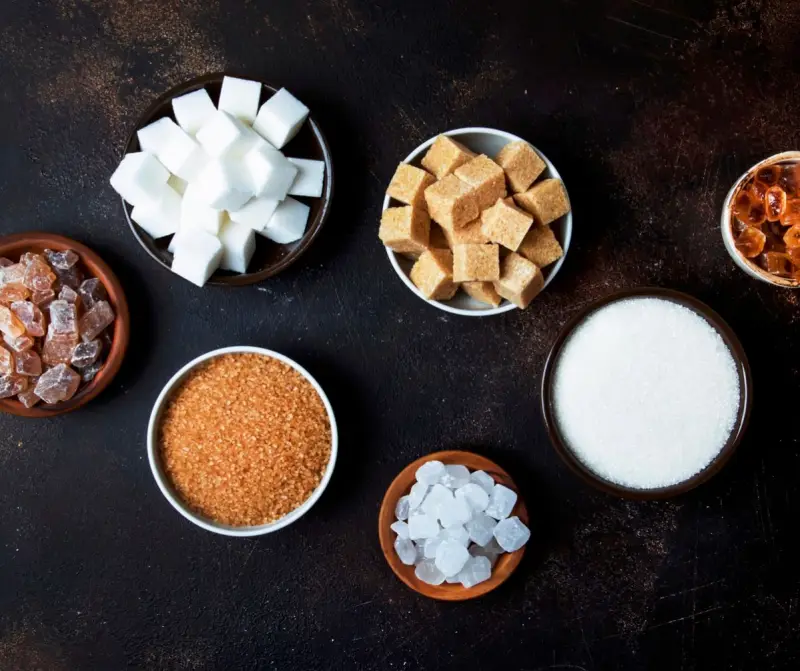
Artificial Sweeteners: Benefits, Risks, and Effects on Blood Sugar and Weight
Artificial sweeteners, also called sugar substitutes or non-sugar sweeteners, are now found in many everyday products, including diet soft drinks, sugar-free gum, low-calorie desserts, protein products, tabletop sweeteners, and even some medications. They are used because they provide sweetness with little or no calories.
But the important question is: are artificial sweeteners healthy? Do they help with weight management and blood sugar control, or can they increase cravings, affect gut health, and influence metabolism? The answer is not a simple yes or no. Their effects depend on the type, dose, reason for use, overall diet quality, and individual response.
In this article, we explain the main types of artificial sweeteners, their possible benefits, potential risks, effects on diabetes, relationship with weight management, and how to use them wisely without treating them as a magic solution.
Key Takeaways
- Artificial sweeteners provide sweetness with few or no calories, but they do not automatically make a food healthy.
- They may help reduce sugar and calories when used instead of sugary drinks and high-sugar foods.
- WHO does not recommend non-sugar sweeteners as a long-term strategy for weight control or reducing the risk of noncommunicable diseases.
- Most approved sweeteners are considered safe within acceptable daily intake limits, but excessive use is unnecessary.
- People with diabetes may use them instead of sugar, but the main focus should remain on total diet quality, not only replacing sugar.
What Are Artificial Sweeteners?
Artificial sweeteners are substances used to sweeten foods and drinks instead of sugar. Some are fully synthetic, while others are derived from plant sources and then purified into high-intensity sweeteners. They are often called non-sugar sweeteners or nonnutritive sweeteners because they provide strong sweetness with very few calories.
Many of these sweeteners are dozens, hundreds, or even thousands of times sweeter than table sugar, so only small amounts are needed to create a sweet taste.
Common Types of Artificial Sweeteners and Sugar Substitutes
| Sweetener | Where It Is Often Found | Important Note |
|---|---|---|
| Aspartame | Diet drinks, chewing gum, some low-calorie desserts. | Not suitable for people with phenylketonuria, or PKU, because it contains phenylalanine. |
| Sucralose | Drinks, baked products, tabletop sweeteners. | Very sweet and used in small amounts. |
| Saccharin | Tabletop sweeteners and some sugar-free products. | One of the oldest nonnutritive sweeteners. |
| Acesulfame potassium, or Ace-K | Often blended with other sweeteners in drinks and desserts. | Used to improve taste and stability. |
| Stevia | Tabletop sweeteners, drinks, and some “natural” low-sugar products. | Plant-derived, but still a high-intensity sweetener, not a whole food. |
| Monk fruit | Tabletop sweeteners and some low-sugar products. | May suit some people, but cost and availability vary. |
Artificial Sweeteners vs. Sugar Alcohols
These terms are often confused. Artificial sweeteners such as aspartame and sucralose are different from sugar alcohols such as sorbitol, erythritol, maltitol, and xylitol. Sugar alcohols usually provide fewer calories than sugar, but they may cause gas, bloating, or diarrhea when consumed in large amounts.
This is why it is not enough to look for the phrase “sugar-free.” Check the type of sweetener, total carbohydrates, calories, and serving size.
Potential Benefits of Artificial Sweeteners
1. They May Reduce Sugar and Calories When Replacing Sugar
The clearest potential benefit appears when artificial sweeteners replace something high in sugar and calories. For example, replacing a regular sugary soda with a non-sugar alternative may reduce daily sugar and calorie intake.
The problem begins when someone adds artificial sweeteners on top of an already unhealthy diet or assumes that “diet” products can be eaten freely. Artificial sweeteners should not be used as a way to compensate for overeating.
If the goal is calorie reduction and weight support, sweeteners should be a small part of a broader plan that includes weight management and cholesterol control, rather than relying only on diet drinks.
2. They Can Be a Sugar Alternative for People With Diabetes
Non-sugar sweeteners do not raise blood sugar in the same way regular sugar does, so they may be useful for some people with diabetes when used instead of sugar in drinks or certain foods. However, they do not automatically make a product diabetes-friendly. A product may still contain refined starches, fats, calories, or other carbohydrates.
For example, a “sugar-free” cookie may still be high in refined flour, fat, and calories. This is why the full nutrition label matters more than the front-of-package claim.
For people with diabetes, sweeteners should fit within a complete nutrition strategy such as medical nutrition therapy for type 2 diabetes, where carbohydrates, fiber, protein, meal timing, and medications are considered together.
3. They May Be Better for Teeth Than Sugar
Sugar feeds bacteria that produce acids and contribute to tooth decay. Non-sugar sweeteners do not work the same way, so they may be better than sugar for dental health, especially in sugar-free gum or products without added sugar.
However, not every “diet” product is ideal for teeth. Some sugar-free drinks are acidic and may affect enamel with frequent use, so water remains the best everyday drink.
Do Artificial Sweeteners Help With Weight Loss?
Artificial sweeteners may help some people reduce calories in the short term if they replace sugar, especially in drinks. However, evidence for long-term weight-loss benefit is not strong enough to treat them as a core weight-loss strategy.
WHO recommends against using non-sugar sweeteners for long-term weight control or reducing the risk of chronic diseases. This does not necessarily mean approved sweeteners are unsafe within permitted limits; rather, WHO concluded that they should not be relied on as a long-term weight-management tool. :contentReference[oaicite:1]{index=1}
The better goal is to reduce dependence on an intensely sweet taste over time, rather than replacing every source of sugar with a powerful sweetener.
Artificial Sweeteners and Diabetes: Are They Safe?
For people with diabetes, artificial sweeteners can be a practical tool when used in moderation, especially when they help reduce liquid sugar from soda, sweetened tea, or sweetened coffee drinks. But they do not treat diabetes, and they do not make the rest of the meal irrelevant.
The priorities for diabetes nutrition remain:
- Managing carbohydrate quantity and quality.
- Increasing fiber from vegetables, legumes, and whole grains.
- Choosing suitable protein and healthy fats.
- Reducing sugary drinks.
- Monitoring blood sugar response after meals when needed.
Using a non-sugar sweetener in coffee may be reasonable for some people, but it should not distract from blood sugar control and type 2 diabetes management through food quality, physical activity, medication, and medical follow-up.
Do Artificial Sweeteners Affect the Gut Microbiome?
There is growing scientific interest in how non-sugar sweeteners may affect gut bacteria. Some studies suggest that certain sweeteners may influence the microbiome or glucose response in some individuals, but results are not consistent across all sweeteners or all people.
In other words, it is not accurate to say that every artificial sweetener harms the gut in the same way, and it is also not accurate to say they are all completely neutral. What is clearer is that excessive reliance is unnecessary and that gut health depends more strongly on the whole dietary pattern: fiber, legumes, vegetables, whole fruits, fermented foods when tolerated, and fewer ultra-processed foods.
Can Artificial Sweeteners Increase Sweet Cravings?
Artificial sweeteners may help some people reduce sugar, but they may keep others attached to a very sweet taste. When the tongue gets used to intense sweetness every day, naturally sweet foods such as fruit may feel less satisfying.
For that reason, if your goal is to reduce sugar, it may be better to use sweeteners as a transition tool while gradually lowering sweetness overall. For example, instead of moving from regular soda to diet soda forever, you might gradually shift toward naturally flavored water or unsweetened tea.
This connects well with healthier hydration habits, especially if most of your sugar intake comes from drinks.
Aspartame and Cancer: What Do We Know?
In 2023, the International Agency for Research on Cancer classified aspartame as Group 2B, meaning “possibly carcinogenic to humans,” based on limited evidence. This classification signals that more research is needed; it does not mean aspartame is proven to cause cancer at typical intake levels.
At the same time, the Joint FAO/WHO Expert Committee on Food Additives reaffirmed the acceptable daily intake for aspartame at 40 mg per kg of body weight per day. The FDA uses a different acceptable daily intake in the United States: 50 mg per kg of body weight per day. :contentReference[oaicite:2]{index=2}
The practical takeaway is simple: there is no need to panic over limited intake within accepted safety limits, but there is also no strong health reason to consume large amounts of aspartame every day. Moderation is the best approach.
Who Should Be More Careful With Artificial Sweeteners?
- People with phenylketonuria, or PKU: They should avoid aspartame because it contains phenylalanine.
- Children: It is better not to train children to expect intensely sweet tastes every day, even if the product is sugar-free.
- Pregnant or breastfeeding people: Moderate use within accepted limits is generally treated as acceptable for approved sweeteners, but reducing ultra-processed products is still wise, and medical advice is appropriate if there is concern.
- People with irritable bowel syndrome: Some sugar alcohols may cause gas, bloating, or diarrhea.
- People who notice headaches with specific sweeteners: Individual sensitivity varies and may need personal tracking.
- People who rely heavily on diet products: This may crowd out more nutritious whole foods.
How to Read Labels on Sugar-Free Products
A sugar-free product is not automatically low-calorie, diabetes-friendly, or healthy. Read the full label:
| What to Check | Why It Matters |
|---|---|
| Serving size | Calories may look low because the serving size is very small. |
| Total carbohydrates | Important for people with diabetes, even if the product says “no sugar added.” |
| Fiber | Fiber helps with fullness and glucose response. |
| Type of sweetener | Some sweeteners or sugar alcohols may cause digestive symptoms. |
| Total calories | A product may be sugar-free but still high in fat and calories. |
| Saturated fat | Important for heart health, especially for people with diabetes or high cholesterol. |
Better Ways to Reduce Sugar Gradually
Instead of depending completely on artificial sweeteners, try reducing sweetness gradually:
- Lower sugar in coffee or tea little by little each week.
- Use cinnamon, vanilla, cardamom, or nutmeg for flavor without much sugar.
- Choose whole fruit instead of candy or juice.
- Drink water flavored with mint, lemon, or cucumber instead of soda.
- Keep desserts for specific occasions instead of making them daily habits.
- Choose unsweetened yogurt and add fruit instead of buying sweetened yogurt.
Some ingredients such as cinnamon and its nutritional benefits can add a sweet-like flavor without adding much sugar, but they should not be treated as diabetes treatments or replacements for nutrition therapy.
Artificial Sweeteners vs. Sugar: Which Is Better?
The better question is not “Are artificial sweeteners better than sugar?” but “In what context?” If someone drinks several sugary sodas every day, switching to a non-sugar option may temporarily reduce sugar and calories. But if someone relies on many diet products while continuing to eat ultra-processed foods, sweeteners will not fix the overall diet.
| Option | Potential Advantage | Limitations |
|---|---|---|
| Sugar | Familiar taste and quick energy source. | Raises blood glucose and calories and increases tooth-decay risk when overused. |
| Artificial sweeteners | High sweetness with few or no calories. | Not a long-term weight-loss solution and may keep sweet preference high. |
| Stevia or monk fruit | Non-sugar options preferred by some people. | Still high-intensity sweeteners, not whole foods. |
| Whole fruit | Adds sweetness with fiber and nutrients. | Portion control still matters for people with diabetes. |
| Gradually reducing sweetness | Helps change taste preference over time. | Requires patience and consistency. |
When Are Artificial Sweeteners Practically Useful?
- When transitioning from frequent sugary drinks to lower-sugar options.
- When a person with diabetes wants to sweeten coffee or tea without adding sugar.
- When used temporarily as part of a plan to reduce dependence on sweetness.
- When they help reduce calories without increasing appetite or compensation from other foods.
- In sugar-free gum instead of sugar-sweetened gum for dental health.
When Are They Less Useful?
- If they increase cravings for sweet foods.
- If they make you think a product is healthy and you eat much more of it.
- If they permanently replace water and whole foods.
- If they cause digestive symptoms such as gas or diarrhea.
- If they are mainly found in ultra-processed foods high in calories or saturated fat.
A Simple Plan to Reduce Sugar Without Over-Relying on Sweeteners
| Week | Step | Goal |
|---|---|---|
| Week 1 | Replace one sugary drink per day with a non-sugar option or water. | Reduce liquid sugar. |
| Week 2 | Reduce the amount of sugar or sweetener in coffee by a small amount. | Train taste preferences toward lower sweetness. |
| Week 3 | Replace daily dessert with whole fruit several days per week. | Increase fiber and nutrients. |
| Week 4 | Make water or unsweetened tea your default drink. | Build a long-term habit. |
Conclusion: Artificial Sweeteners Are a Tool, Not a Magic Solution
Artificial sweeteners may be useful when they help reduce sugar and calories, especially if they replace sugary drinks or high-sugar foods. They may also be a practical option for some people with diabetes when used in moderation.
However, they are not a treatment for obesity or diabetes, and they are not a guaranteed long-term weight-loss strategy. Over-reliance may keep sweet cravings high and crowd out better options such as water, whole fruit, and fiber-rich foods.
The best rule is simple: use sweeteners when needed and in moderation, read the nutrition label, and focus on reducing dependence on sweetness instead of replacing sugar with sweeteners in everything.
Frequently Asked Questions About Artificial Sweeteners
Are artificial sweeteners safe?
Approved sweeteners are considered safe when used within acceptable daily intake limits. However, moderation matters, and there is no need to overuse diet products.
Do artificial sweeteners help with weight loss?
They may help some people reduce calories when used instead of sugar, but evidence does not support relying on them as a long-term weight-loss strategy.
Do artificial sweeteners raise blood sugar?
Most do not raise blood sugar like regular sugar, but the product containing them may still contain carbohydrates or calories. Always read the label.
What is the best sweetener for people with diabetes?
There is no single perfect option for everyone. Choose an approved sweetener, use it moderately, and monitor your personal response within a diabetes-friendly nutrition plan.
Does aspartame cause cancer?
IARC classified aspartame as “possibly carcinogenic to humans” based on limited evidence, while JECFA reaffirmed the acceptable daily intake at 40 mg/kg/day. The practical approach is moderation, not panic.
Who should avoid aspartame?
People with phenylketonuria, or PKU, should avoid aspartame because it contains phenylalanine.
Is stevia better than artificial sweeteners?
Stevia is plant-derived and may be preferred by some people, but it is still a high-intensity sweetener. It should be used in moderation.
Can artificial sweeteners affect gut health?
Some studies suggest certain sweeteners may affect the microbiome or glucose response in some individuals, but findings are not consistent. Moderation and a fiber-rich diet are better priorities.
Are sugar-free products always healthy?
No. They may be sugar-free but high in fats, calories, or refined carbohydrates. Read the full nutrition label.
How can I reduce sugar in a healthy way?
Lower sweetness gradually, replace sugary drinks with water, choose whole fruit, and focus on fiber-rich foods instead of relying completely on sweeteners.
Scientific References
- FDA – Aspartame and Other Sweeteners in Food
- FDA – High-Intensity Sweeteners
- WHO – Non-Sugar Sweeteners and Weight Control Guideline
- WHO/IARC/JECFA – Aspartame Hazard and Risk Assessment
- WHO – Use of Non-Sugar Sweeteners Guideline
- American Diabetes Association – Eating for Diabetes Management
Medical disclaimer: This article is for general educational purposes only and does not replace medical or dietetic advice. If you have diabetes, are pregnant or breastfeeding, have PKU, experience repeated digestive symptoms, or take chronic medications, consult a healthcare professional before relying regularly on artificial sweeteners or diet products.