Cinnamon: The Comprehensive Guide to Its Nutritional Benefits and Health Uses
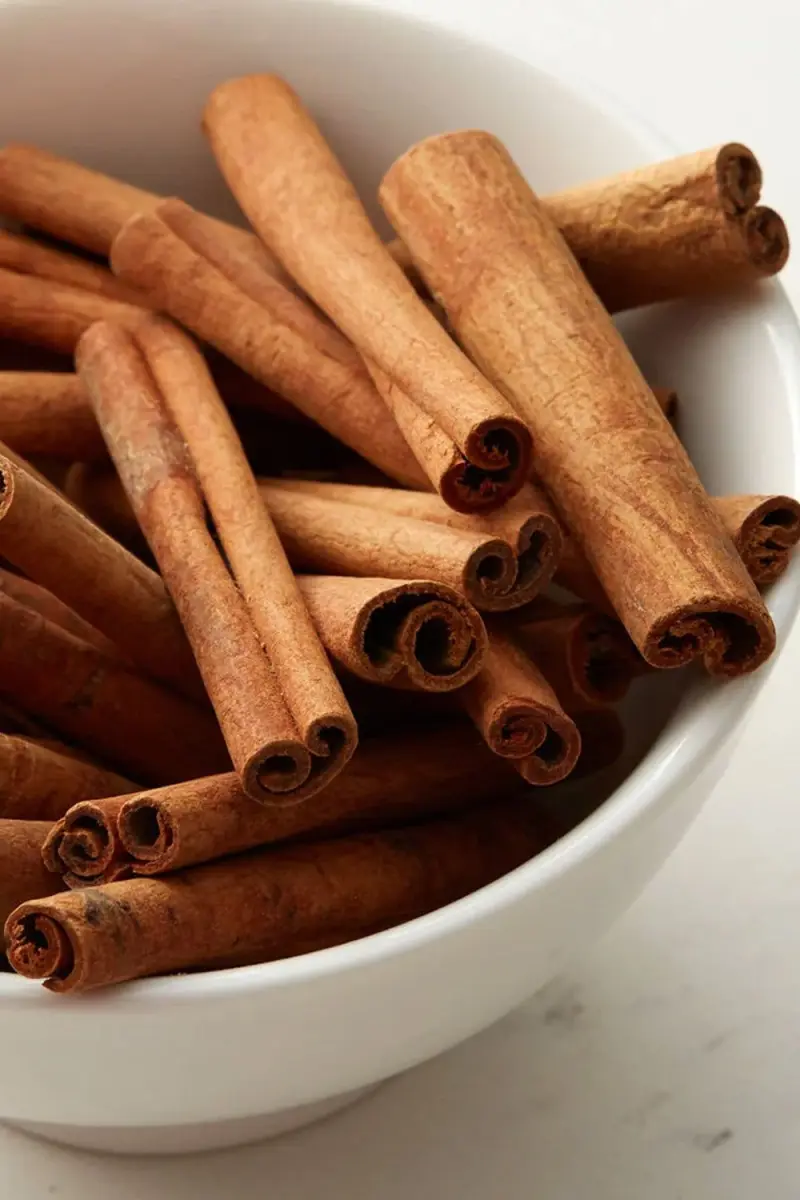
Cinnamon is one of the most commonly used spices in foods and drinks, known for its warm flavor and distinctive aroma. Interest in cinnamon has increased in nutrition and wellness because it contains plant compounds such as cinnamaldehyde and polyphenols, and because it is often discussed in relation to blood sugar and heart health.
However, cinnamon is not a treatment for diabetes and should not replace medication, diet, or physical activity. Large daily amounts, especially from cassia cinnamon, may also raise safety concerns because of its coumarin content. For most people, cinnamon is best used in food in moderate amounts, while paying attention to the type, dose, and personal health status.
What Is Cinnamon?
Cinnamon is a spice made from the inner bark of trees from the Cinnamomum genus. It is used as powder, sticks, tea, extracts, or dietary supplements. Although it may seem like a simple kitchen ingredient, cinnamon types differ in composition, flavor, and the amount of certain compounds that matter for safety.
One of the best-known compounds in cinnamon is cinnamaldehyde, which gives cinnamon much of its flavor and aroma. Cinnamon also contains polyphenol compounds that are studied in relation to antioxidant activity, blood sugar, and inflammation. Still, the presence of these compounds does not mean cinnamon treats disease or has the same effect in every product.
The Vitaminati cinnamon section can help you explore this spice from different angles, including blood sugar, types, and safety precautions.
Cinnamon Benefits: What Can Be Said Accurately?
The benefits of cinnamon are often discussed in relation to blood sugar, antioxidants, digestion, and heart health. It is important to separate cinnamon as a spice used within a healthy eating pattern from high-dose cinnamon supplements used for treatment-like goals.
Natural Flavor and Less Added Sugar
One of cinnamon’s most practical benefits is that it adds a naturally sweet, warm flavor to foods without adding sugar. This may help some people reduce added sugar in coffee, oatmeal, yogurt, homemade desserts, or warm drinks.
This practical effect matters because better nutrition is not only about supplements. It often starts with small, consistent changes in how food is prepared and flavored.
Cinnamon and Blood Sugar
The link between cinnamon and blood sugar is one of the most searched topics about this spice. Some studies suggest that cinnamon or cinnamon extracts may have a modest effect on certain blood sugar markers in some people, but results are not consistent. Differences in cinnamon type, dose, duration, and study population make interpretation difficult.
For this reason, cinnamon and blood sugar should be viewed as a small part of a healthy lifestyle, not as a treatment for diabetes or a replacement for diabetes medication. If you have diabetes or take blood sugar–lowering medicines, do not start cinnamon supplements without speaking with a doctor or pharmacist.
Heart Health and Metabolic Markers
Cinnamon is also studied in relation to some lipid and blood sugar markers, which are connected to heart health. However, the evidence is not strong enough to use cinnamon as a treatment for high cholesterol, high blood pressure, or diabetes.
Cinnamon can be a useful food addition within a lifestyle that includes less added sugar, more fiber, healthier fats, physical activity, and weight management when needed. The article on cinnamon benefits for blood sugar and heart health explains how to approach these potential benefits without turning them into treatment claims.
Antioxidants and Plant Compounds
Cinnamon contains plant compounds that show antioxidant activity in laboratory studies. However, this should not be turned into claims that cinnamon “detoxes the body” or “treats inflammation.” Effects inside the body depend on amount, bioavailability, the overall diet, and health status.
Digestion and Traditional Use
Cinnamon is traditionally used in warm drinks and after meals. Some people may feel more comfortable when using it in foods, but there is not enough evidence to consider cinnamon a treatment for chronic digestive problems such as irritable bowel syndrome, reflux, or persistent stomach pain.
Types of Cinnamon: Ceylon or Cassia?
Distinguishing between cinnamon types is very important, especially for frequent use. The two most common types are Ceylon cinnamon and cassia cinnamon. The difference is not only taste; it also includes coumarin content.
| Type | Common Name | Important Notes |
|---|---|---|
| Cinnamomum verum | Ceylon cinnamon or true cinnamon | Usually contains less coumarin and may be a better option for frequent use. |
| Cinnamomum cassia | Cassia cinnamon or Chinese cinnamon | More widely available and stronger in flavor, but may contain higher levels of coumarin. |
Understanding the difference between Ceylon cinnamon and regular cinnamon can help you choose the better type, especially if you use cinnamon daily or are considering supplements.
What Is Coumarin and Why Does It Matter?
Coumarin is a natural compound found in some plants and is usually higher in cassia cinnamon than in Ceylon cinnamon. The concern is not a small amount of cinnamon used in food, but frequent high intake or high-dose supplements of an unclear type, especially in sensitive people or those with liver disease.
High coumarin exposure may raise liver safety concerns in some people, so cinnamon should not be treated as a daily medicine in large amounts. If you use cinnamon frequently, Ceylon cinnamon may be a safer option than cassia because of its lower coumarin content.
Cinnamon Forms: Powder, Sticks, Tea, or Supplements?
The way cinnamon is used matters. Cinnamon in food is different from cinnamon supplements that may provide concentrated doses, so a sprinkle of cinnamon on oatmeal is not the same as high-dose capsules.
- Ground cinnamon: Convenient for foods and drinks, but it may be cassia if the type is not specified.
- Cinnamon sticks: Useful for tea and warm drinks, and can be Ceylon or cassia depending on the source.
- Cinnamon extracts: May be more concentrated and require more caution.
- Cinnamon supplements: Should be used carefully, especially with diabetes medications, liver disease, or blood thinners.
- Cinnamon oil: Should not be taken orally without professional guidance and may irritate skin when used topically.
Best Ways to Use Cinnamon in a Daily Routine
The best way to use cinnamon is usually as a spice in food rather than as a high-dose supplement. It can be added to balanced meals in a way that improves flavor without increasing sugar.
Practical ideas include:
- Adding cinnamon to oatmeal with nuts and yogurt.
- Using it in coffee or tea instead of sugar or artificial flavors.
- Adding it to unsweetened yogurt with fruit.
- Using it in apple or sweet potato recipes.
- Adding small amounts to savory dishes such as stews or rice.
If the goal is blood sugar support, the priority is not cinnamon alone. Meal structure matters more: enough protein, fiber, fewer fast sugars, and a suitable distribution of carbohydrates.
Cinnamon and Diabetes: Where Should We Be Careful?
Cinnamon should not be used to treat diabetes, stop medication, or adjust doses. Even if some studies show a modest effect on blood sugar, that does not make cinnamon a substitute for medical care.
If you have diabetes, cinnamon may be a simple food addition within a balanced eating pattern, but cinnamon supplements may increase the risk of low blood sugar when used with diabetes medications or insulin. Medical follow-up is important, especially if blood sugar readings change or if more than one medication is used.
For the full picture, the basics of type 2 diabetes, testing, and follow-up are more important than relying on any single food ingredient.
Cinnamon Precautions
Cinnamon is generally safe in usual food amounts, but large amounts or supplements may not be suitable for some people. Caution increases when the product is cassia cinnamon or when the type is not clear on the label.
Use caution or speak with a healthcare professional in the following situations:
- Use of diabetes medications or insulin.
- Liver disease or a history of elevated liver enzymes.
- Use of blood thinners or medicines that affect bleeding.
- Pregnancy or breastfeeding when considering high doses or supplements.
- Upcoming surgery.
- Allergy or irritation from cinnamon or essential oils.
- Using several herbal supplements at the same time.
The article on cinnamon dangers and precautions with excessive use explains why type and dose matter, especially with daily use or supplements.
Cinnamon Side Effects and Possible Risks
Cinnamon side effects are more likely with excessive intake or concentrated supplements, not usually with a small amount used in food. Risk depends on dose, cinnamon type, personal sensitivity, and medications.
Possible side effects may include:
- Stomach upset or nausea in some people.
- Mouth or throat irritation when large amounts are used.
- Allergy or skin irritation, especially with essential oils.
- Low blood sugar when used with diabetes medications in some people.
- Higher coumarin exposure with high intake of cassia cinnamon.
- Greater concern for people with liver problems or medicines that may affect the liver.
Seek medical advice if symptoms appear such as yellowing of the skin or eyes, dark urine, severe unexplained fatigue, upper abdominal pain, repeated low blood sugar, or unusual bleeding.
How to Choose a Good Cinnamon Product
When choosing cinnamon, especially for daily use, do not rely only on price or flavor. Product quality, cinnamon type, and label clarity matter.
Pay attention to:
- Whether the product identifies the type: Ceylon or cassia.
- Choosing Ceylon cinnamon for frequent use when possible.
- Avoiding products that claim to treat diabetes, burn fat, or cleanse the liver.
- Reading the supplement dose clearly if it is in capsule form.
- Being cautious with blends that include several herbs or stimulants without clear amounts.
- Choosing products from trusted sources with quality testing when available.
When Should You Seek Medical Advice?
Cinnamon in food usually does not require medical advice for most people, but supplements or high intake require more caution.
Speak with a doctor or pharmacist before using cinnamon supplements if you:
- Have diabetes or take blood sugar medications.
- Have liver disease.
- Use blood thinners or have a bleeding disorder.
- Are pregnant or breastfeeding.
- Are preparing for surgery.
- Use many medications or several herbal supplements.
- Have persistent symptoms such as severe fatigue, frequent thirst, excessive urination, unexplained weight loss, or high blood sugar readings.
Frequently Asked Questions About Cinnamon
Does cinnamon help regulate blood sugar?
Cinnamon may have a modest effect on some blood sugar markers in some people, but results are not consistent. It should not be used instead of diabetes medication, diet, or medical follow-up.
What is the best type of cinnamon?
Ceylon cinnamon is often better for frequent use because it usually contains less coumarin than cassia cinnamon. Cassia is more common and may be higher in coumarin.
Can cinnamon cause side effects?
Yes, especially with excessive intake or high-dose supplements. It may cause stomach upset, mouth irritation, low blood sugar with diabetes medications, or higher coumarin exposure with cassia cinnamon.
Can cinnamon be used daily?
Most people can use moderate food amounts daily, but large doses or daily supplements require caution, especially with cassia cinnamon, liver disease, or diabetes medications.
Is Ceylon cinnamon safer?
Ceylon cinnamon usually contains less coumarin than cassia, so it may be a better option for frequent use. Moderation is still important with all types.
Does cinnamon treat diabetes?
No. Cinnamon does not treat diabetes and does not replace medications, meal planning, physical activity, or medical care. It may only be a food addition within a healthy lifestyle.
Is cinnamon good for digestion?
Cinnamon is traditionally used in warm drinks and some people may find it comforting, but it is not a treatment for chronic digestive problems or persistent pain.
Is cinnamon safe during pregnancy?
Usual food amounts are generally acceptable, but high doses or supplements are not recommended during pregnancy or breastfeeding without medical supervision.
Are cinnamon supplements better than cinnamon in food?
Not necessarily. Supplements may contain concentrated doses and require more caution, while cinnamon used as a spice in food is more suitable for most people.
Can cinnamon interact with medications?
High-dose cinnamon or cinnamon supplements may interact with diabetes medications, blood thinners, and some medicines that affect the liver. Speak with a doctor or pharmacist if you take regular medications.
Conclusion
Cinnamon is a practical and useful spice because it adds flavor to food and may help reduce added sugar. It also contains plant compounds studied in relation to blood sugar and antioxidant activity, but the evidence does not make cinnamon a treatment for diabetes, heart disease, or digestive problems.
The best way to use cinnamon is in moderate food amounts within a balanced diet. Large daily amounts or supplements require caution, especially with cassia cinnamon because of its higher coumarin content.
If you use diabetes medications or blood thinners, have liver disease, or are pregnant or breastfeeding, speak with a healthcare professional before using cinnamon supplements. Cinnamon can be a smart addition to food, but it does not replace diagnosis, treatment, or a healthy lifestyle.
This article is for general educational purposes only. If you have a chronic disease, take medications regularly, or are considering high-dose cinnamon supplements, consult a doctor or pharmacist first.
Scientific References
- National Center for Complementary and Integrative Health: Cinnamon Usefulness and Safety
- Food Standards Agency: Survey on the Consumption of Cinnamon-Containing Foods and Drinks
- Costello RB, et al. Do Cinnamon Supplements Have a Role in Glycemic Control in Type 2 Diabetes? 2016.
- Moridpour AH, et al. The effect of cinnamon supplementation on glycemic control: systematic review and meta-analysis. 2024.
- ANSES: Beware of overconsumption of herbal supplements containing coumarin