Cinnamon and Blood Sugar: What Role Does It Play in Supporting a Healthy Lifestyle
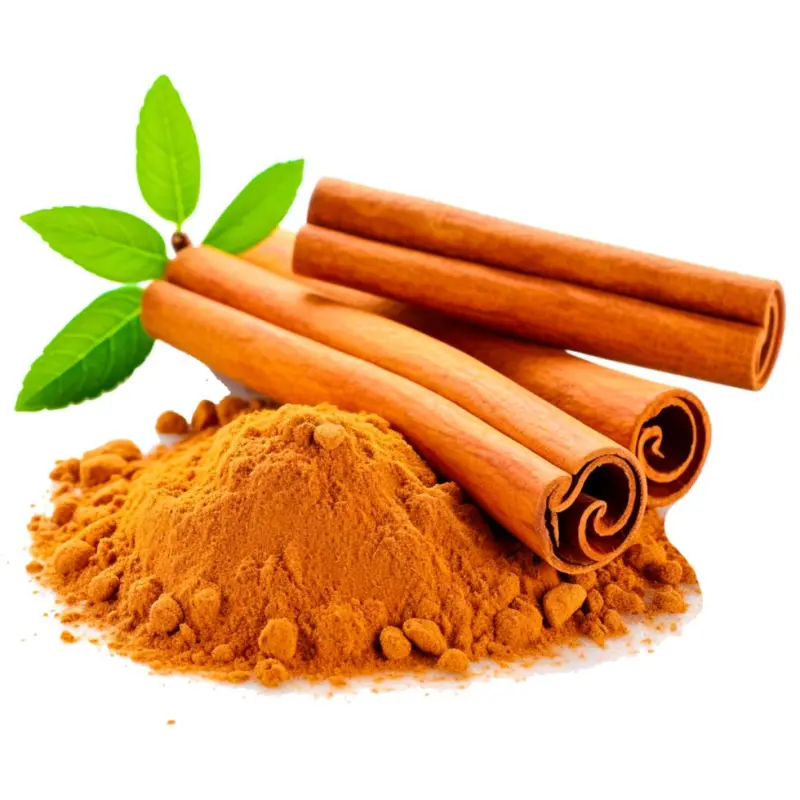
Cinnamon and Blood Sugar: Can It Really Support Glucose Balance?
Cinnamon is one of the most widely used spices in food and drinks. It is often discussed for its possible connection with glucose control, insulin sensitivity, and metabolic health. This is why many people search for the relationship between cinnamon and blood sugar.
However, one point must be clear from the beginning: cinnamon does not treat diabetes, does not replace diabetes medication, and does not remove the need for blood sugar monitoring or medical follow-up. It may be a useful flavoring and supportive dietary ingredient for some people, but its effects are not guaranteed and the evidence is still mixed.
In this article, we explain how cinnamon may affect blood sugar, the difference between Ceylon cinnamon and cassia cinnamon, how to use cinnamon safely, and the key warnings for people taking diabetes medications or those with liver concerns.
Key Takeaways
- Cinnamon may support selected blood sugar markers in some people, but scientific findings are not consistent enough to consider it a treatment.
- Cinnamon may influence blood sugar through insulin sensitivity, carbohydrate absorption, or post-meal glucose response, but effects vary from person to person.
- Cassia cinnamon usually contains more coumarin, a natural compound that may raise liver safety concerns with excessive or long-term intake.
- Ceylon cinnamon is usually considered a gentler option for repeated use because it typically contains less coumarin.
- Caution is needed with diabetes medication, liver disease, blood thinners, pregnancy, breastfeeding, and high-dose cinnamon supplements.
Why Is Cinnamon Linked to Blood Sugar?
Cinnamon is linked to blood sugar because it contains plant compounds such as polyphenols and aromatic compounds such as cinnamaldehyde. These compounds have been studied for their possible effects on glucose metabolism, insulin response, and post-meal blood sugar changes.
Some studies suggest cinnamon may have a small effect on certain blood sugar markers, but findings are not identical across studies. This may be due to differences in cinnamon type, dose, duration of use, participant health status, diabetes medication use, and overall diet quality.
For a broader overview before focusing only on glucose control, you can read Vitaminati’s guide to cinnamon nutritional benefits and health uses.
How May Cinnamon Affect Glucose?
Several possible mechanisms have been suggested to explain the relationship between cinnamon and glucose. These mechanisms do not mean cinnamon works like diabetes medication, but they may explain why it has been studied.
- It may support how cells respond to insulin in some people.
- It may slightly slow stomach emptying or carbohydrate absorption.
- It may reduce rapid post-meal glucose rises in certain cases.
- It may add antioxidant support as part of a healthy dietary pattern.
Still, not everyone responds the same way. Adding cinnamon to a high-sugar meal does not cancel the effect of sugar or compensate for poor diet quality.
Does Cinnamon Lower Blood Sugar?
Cinnamon may help support certain blood sugar markers in some people, but it does not reliably lower blood sugar for everyone and should not be used alone. Some research findings are promising, while trusted health authorities still describe the evidence as unclear or insufficient.
The most accurate way to describe cinnamon is as a possible supportive dietary ingredient, not a diabetes treatment. If you have diabetes, the priorities remain a suitable diet, regular movement, medication when needed, and glucose monitoring.
For a more focused article on the same cluster topic, you can also read Vitaminati’s guide to cinnamon benefits for blood sugar and heart health.
Is Cinnamon Useful for People With Type 2 Diabetes?
Cinnamon may be useful as a small part of the diet for some people with type 2 diabetes, especially when used in moderate food amounts in meals or unsweetened drinks. However, it should not replace diabetes medication or a healthcare professional’s treatment plan.
The greatest concern appears when cinnamon supplements or high doses are combined with glucose-lowering medications. This may increase the risk of low blood sugar in some people. For that reason, people with diabetes should ask a doctor or pharmacist before using cinnamon in supplement form.
For a wider explanation of diabetes care, Vitaminati’s comprehensive guide to type 2 diabetes may be useful.
Ceylon Cinnamon vs. Cassia Cinnamon: What Is the Difference?
Not all cinnamon is the same. The two most common types are Ceylon cinnamon and cassia cinnamon. The difference matters, especially for people who use cinnamon regularly.
| Type | Main Features | What to Watch For |
|---|---|---|
| Ceylon cinnamon | Sometimes called “true cinnamon,” with a milder flavor. | Usually contains less coumarin, making it a better option for repeated use. |
| Cassia cinnamon | More common, stronger in flavor, and often less expensive. | Usually contains more coumarin, so excessive use should be avoided. |
If you use cinnamon daily or in larger amounts, Ceylon cinnamon may be the safer choice, especially if you have liver concerns or take multiple medications.
What Is Coumarin and Why Does It Matter?
Coumarin is a natural compound found in some cinnamon types, especially cassia cinnamon. Excessive coumarin exposure may be a concern for some people, particularly those with liver disease or those taking medicines that affect the liver.
Moderate culinary use of cinnamon is usually not a concern for most people, but frequent large amounts or concentrated supplements may raise safety questions, especially when the cinnamon type is cassia.
How to Use Cinnamon Safely for Blood Sugar Support
The best way to use cinnamon is to add small amounts to food rather than taking high-dose supplements. Practical options include:
- Adding cinnamon to oatmeal or unsweetened yogurt.
- Using cinnamon in coffee or tea without adding sugar.
- Sprinkling a small amount on fruit or nuts.
- Using cinnamon in healthier recipes instead of adding more sweeteners.
- Adding it to warm unsweetened drinks as part of a balanced routine.
If you want to understand cinnamon’s wider role in everyday wellness, Vitaminati also covers how cinnamon supports digestion and daily nutritional balance.
Is Food Cinnamon Different From Cinnamon Supplements?
Yes. Cinnamon used as a spice in food is usually consumed in small amounts, while cinnamon supplements may contain higher and more concentrated doses. This makes supplements more likely to affect blood sugar or interact with medications.
If you have diabetes or take glucose-lowering medication, do not start cinnamon supplements without medical guidance. You should also be cautious if you take blood thinners, liver-related medications, or multiple supplements at the same time.
Can Cinnamon Help With Weight Management?
Cinnamon may indirectly support weight management if it helps improve the flavor of foods without adding sugar. For example, it can make oatmeal, coffee, or unsweetened yogurt more enjoyable without needing extra sweeteners.
However, cinnamon does not cause weight loss on its own. Weight management depends on calorie balance, food quality, physical activity, sleep, hormones, and medications. Cinnamon should not be marketed as a quick weight-loss solution.
Who May Benefit From Moderate Cinnamon Use?
Cinnamon may be a useful addition for some people within a healthy eating pattern, especially those who want to:
- Reduce added sugar in drinks and desserts.
- Add natural flavor without many extra calories.
- Support a balanced eating pattern for blood sugar stability.
- Use spices instead of relying only on sweeteners.
Possible benefit does not mean cinnamon is suitable for everyone, especially in supplement form or high doses.
When Should You Avoid Cinnamon or Ask a Doctor First?
Ask a healthcare professional before using cinnamon supplements or high-dose cinnamon if you:
- Use diabetes medication or insulin.
- Have liver disease or elevated liver enzymes.
- Use blood thinners or antiplatelet medicines.
- Are pregnant or breastfeeding, especially if considering supplements.
- Have cinnamon allergy, mouth irritation, or stomach sensitivity.
- Take several medicines or supplements daily.
- Have an upcoming surgery or medical procedure.
Cinnamon Side Effects and Possible Risks
Cinnamon is usually safe when used in moderate food amounts, but excessive intake or supplements may cause problems for some people.
| Possible Issue | What May Happen? | Who Should Be Careful? |
|---|---|---|
| Low blood sugar | Cinnamon may increase the effect of diabetes medication in some people. | People with diabetes using glucose-lowering medicines. |
| Liver concerns | Excessive cassia cinnamon may increase coumarin exposure. | People with liver disease or those using medicines that affect the liver. |
| Mouth or stomach irritation | May cause heartburn, nausea, mouth sores, or stomach discomfort in some people. | People with sensitive digestion or cinnamon sensitivity. |
| Blood thinner concerns | High-dose cinnamon may require caution with medicines that affect clotting. | People using warfarin, aspirin, clopidogrel, or other blood thinners. |
How to Combine Cinnamon With a Healthy Lifestyle
The best way to benefit from cinnamon is to use it as a small part of a broader dietary pattern, not as a single solution. To support blood sugar more effectively:
- Build meals around protein, fiber, and healthy fats.
- Reduce sweetened drinks and high-sugar desserts.
- Choose slower-digesting carbohydrates such as whole grains and legumes.
- Walk regularly or include resistance training when appropriate.
- Prioritize sleep, because poor sleep can affect blood sugar control.
- Monitor glucose if you have diabetes or use glucose-lowering medication.
Conclusion: Is Cinnamon Good for Blood Sugar?
Cinnamon and blood sugar is an interesting research topic, and cinnamon may support selected glucose markers in some people. However, cinnamon is not a diabetes treatment and should not replace medication, healthy eating, physical activity, or medical follow-up.
The best use of cinnamon is as a moderate food spice in meals and unsweetened drinks. Cinnamon supplements or high doses require more caution, especially with diabetes medications, liver disease, blood thinners, pregnancy, and breastfeeding.
The main rule is simple: use cinnamon as a supportive flavor within a healthy lifestyle, not as an independent treatment for blood sugar control.
Frequently Asked Questions About Cinnamon and Blood Sugar
Does cinnamon lower blood sugar?
Cinnamon may support some blood sugar markers in some people, but its effect is not guaranteed and it should not replace diabetes medication.
Is cinnamon good for people with type 2 diabetes?
Cinnamon may be useful as a moderate food ingredient, but people with diabetes should be cautious with supplements or high doses, especially when using glucose-lowering medications.
What is the best type of cinnamon for daily use?
Ceylon cinnamon is usually a better option for repeated use because it typically contains less coumarin than cassia cinnamon.
Is cassia cinnamon harmful?
Cassia cinnamon is usually not a problem in moderate culinary amounts, but excessive or long-term high intake may increase coumarin exposure, especially for people with liver concerns.
Can I take cinnamon every day?
Many people can use small food amounts regularly, but daily high-dose cinnamon or supplements should be discussed with a healthcare professional.
Can cinnamon interact with diabetes medication?
Yes. Cinnamon may increase the effect of glucose-lowering medications in some people, especially in supplement form or high doses.
Does cinnamon help with weight loss?
Cinnamon does not cause weight loss by itself. It may help improve flavor without added sugar, which can support a better eating pattern.
Is cinnamon safe during pregnancy?
Moderate culinary use is different from supplements or high-dose use. Pregnant women should ask a healthcare professional before using cinnamon supplements.
Scientific References
- NCCIH – Cinnamon: Usefulness and Safety
- NCCIH – Diabetes and Dietary Supplements: What You Need To Know
- UK Food Standards Agency – Survey on the Consumption of Cinnamon-Containing Foods and Drinks
- BfR – FAQ on Coumarin in Cinnamon and Other Foods
- Assessment of Coumarin Levels in Ground Cinnamon Available in the Czech Retail Market
Medical disclaimer: This article is for general educational purposes only and does not replace medical advice. If you have diabetes, take glucose-lowering medication or blood thinners, have liver disease, or are pregnant or breastfeeding, consult a healthcare professional before using cinnamon supplements or high-dose cinnamon.