Cinnamon benefits for Blood Sugar and Heart Health
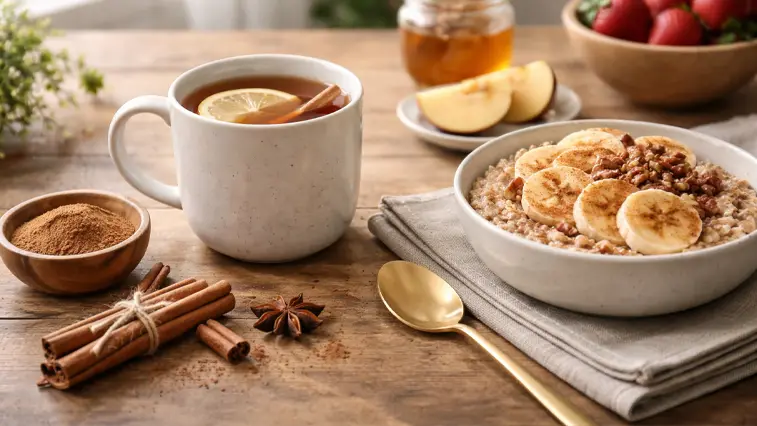
Cinnamon Benefits for Blood Sugar and Heart Health: What Does the Evidence Say?
Cinnamon is one of the most widely used spices in food and drinks. It is known for its warm flavor, natural sweetness, and strong aroma. Many people search for cinnamon benefits for blood sugar and heart health because cinnamon is often discussed in relation to insulin sensitivity, cholesterol, and metabolism.
However, cinnamon should be used realistically. It may be a useful spice within a healthy diet, and some studies suggest small effects on blood sugar or blood lipids in some people. Still, cinnamon is not a treatment for diabetes or heart disease, and it should not replace medication, glucose monitoring, or medical care.
Key Takeaways
- Cinnamon may modestly support blood sugar in some people, but evidence is mixed and not strong enough to use it as a diabetes treatment.
- Cinnamon should not replace diabetes, blood pressure, or cholesterol medication.
- Ceylon cinnamon usually contains less coumarin than Cassia cinnamon, making it a better option for frequent use.
- Cassia cinnamon may contain higher coumarin levels, which can be a concern with large daily amounts or concentrated supplements.
- Cinnamon supplements require more caution than cinnamon used in food, especially with diabetes medications, blood thinners, or liver disease.
- The safest approach is to use cinnamon in moderate food amounts as part of a balanced diet.
What Is Cinnamon?
Cinnamon is the dried inner bark of trees from the Cinnamomum genus. It is used as a spice in desserts, drinks, oatmeal, coffee, savory dishes, and traditional herbal preparations.
There are several types of cinnamon, but the most common are Ceylon cinnamon and Cassia cinnamon. Ceylon cinnamon is sometimes called “true cinnamon,” while Cassia cinnamon is more widely available and usually has a stronger flavor.
For a broader overview of cinnamon, its sources, uses, and nutritional compounds, start with Vitaminati’s comprehensive cinnamon guide.
Why Is Cinnamon Linked With Blood Sugar?
Cinnamon is linked with blood sugar because it contains plant compounds such as cinnamaldehyde and polyphenols. These compounds have been studied for possible effects on insulin sensitivity, glucose handling, oxidative stress, and inflammation.
Still, a possible mechanism does not mean cinnamon treats diabetes. Human studies have produced mixed results. Some trials and reviews suggest modest improvements in fasting blood glucose or certain lipid markers, while others show no clear benefit. This is why cinnamon should be considered a food-based support, not a medical treatment.
Can Cinnamon Lower Blood Sugar?
Cinnamon may help some people slightly, especially when it is used within a balanced diet and replaces sugar or high-calorie flavorings. However, if an effect exists, it is usually modest and not enough to manage diabetes on its own.
If you have diabetes or prediabetes, the priority is regular glucose monitoring, a structured eating plan, physical activity, weight management when needed, and medication if prescribed. Cinnamon can be added to food, but it should not replace treatment.
Because cinnamon is part of a wider blood-sugar support cluster, you may also compare the evidence with Vitaminati’s article on ginger for type 2 diabetes and the type 2 diabetes blood sugar control guide.
Cinnamon and Insulin Sensitivity: What Do We Know?
Insulin sensitivity describes how well body cells respond to insulin and move glucose from the blood into cells. In insulin resistance, the body needs more insulin to produce the same effect.
Some studies have explored whether cinnamon may influence insulin sensitivity or markers such as HOMA-IR. However, the evidence is not strong enough to promise a reliable effect. Cinnamon should not be used as the main strategy for insulin resistance without addressing more important factors such as diet quality, weight, movement, sleep, and medical treatment when needed.
Does Cinnamon Support Heart Health?
Cinnamon is sometimes discussed in relation to heart health because some studies have examined its possible effects on cholesterol, triglycerides, inflammation, and oxidative stress. However, these effects are not consistent or strong enough to use cinnamon as a treatment for cholesterol or heart disease prevention.
Heart health depends on many factors, including blood pressure, cholesterol, blood sugar, smoking, weight, physical activity, sleep, genetics, and overall diet. Cinnamon can be one small part of a healthy eating pattern, but it should not become the center of a heart-health plan.
If your goal is to understand cholesterol and metabolic health more clearly, see Vitaminati’s article on weight management and cholesterol control.
Cinnamon and Weight Management: Does It Really Help?
Cinnamon is often included in weight-loss recipes, but there is not enough evidence to say that cinnamon causes meaningful weight loss on its own. It may help indirectly if it improves the taste of food without adding sugar, such as when used in oatmeal, unsweetened yogurt, or coffee.
Weight management depends on total diet quality, calorie intake, activity level, sleep, hormones, medications, and health conditions. Cinnamon should not be taken in high doses for weight loss.
Ceylon Cinnamon vs. Cassia Cinnamon: What Is the Difference?
The difference matters mainly for safety, especially with frequent use or supplements. Both types can be used as spices, but they differ in coumarin content. Coumarin is a naturally occurring compound that may be a concern when consumed in large amounts over time.
Ceylon Cinnamon
- Known botanically as Cinnamomum verum.
- Usually contains lower coumarin levels.
- Has a lighter, sweeter flavor.
- May be a better option for people who use cinnamon regularly.
Cassia Cinnamon
- More common in many markets.
- Has a stronger and sharper flavor.
- May contain higher coumarin levels.
- Should not be overused, especially in large daily amounts or concentrated supplements.
If you want a more general cinnamon article beyond blood sugar, read Vitaminati’s article on cinnamon benefits for digestion and daily nutritional balance.
How to Use Cinnamon Safely
The safest way to use cinnamon is in moderate food amounts. Cinnamon can improve flavor and may help reduce the need for added sugar in some meals and drinks.
Simple Ways to Use Cinnamon
- Add it to oatmeal or unsweetened yogurt.
- Sprinkle a small amount into coffee, tea, or milk.
- Use it with apples, pears, or bananas.
- Add a small amount to lentils, rice, stews, or savory dishes.
- Prepare cinnamon tea without adding excessive sugar.
Do not eat dry cinnamon powder by the spoonful. This can irritate the throat and lungs and may cause choking or breathing difficulty. Cinnamon should be mixed into food or drinks.
Are Cinnamon Supplements Better Than Cinnamon in Food?
Not necessarily. Cinnamon supplements provide concentrated doses, but they also carry greater safety concerns than cinnamon used as a spice. Product quality, cinnamon type, coumarin content, and active compound concentration can vary widely.
Some people consider cinnamon supplements for blood sugar support, but this should be done only after speaking with a doctor or pharmacist, especially if they use diabetes medication, blood pressure medication, or blood thinners.
Who Should Be Cautious With Cinnamon or Cinnamon Supplements?
Cinnamon in moderate food amounts is usually safe for most people. However, certain groups should be more cautious, especially with supplements or large doses.
- People with diabetes who use insulin or glucose-lowering medicines, because supplements may increase the risk of low blood sugar.
- People who use blood thinners or antiplatelet medicines.
- People with liver disease or elevated liver enzymes.
- People with cinnamon allergy, mouth irritation, or skin irritation from cinnamon.
- Pregnant or breastfeeding women considering high-dose supplements rather than normal food use.
- People with surgery or a medical procedure scheduled soon.
Possible Cinnamon Interactions
Interactions are more likely with cinnamon supplements or high doses, not with a small sprinkle in food. Still, it is important to tell your doctor or pharmacist if you use cinnamon supplements regularly.
1. Diabetes Medications
Cinnamon may have a modest effect on blood sugar in some people. When taken as a supplement with diabetes medication, it may contribute to low blood sugar if monitoring is not done. Do not use cinnamon supplements with diabetes medications or insulin without medical advice.
2. Blood Thinners
Cassia cinnamon contains varying amounts of coumarin, which may be relevant for people using blood thinners or those with bleeding risk. Supplements and high doses require caution.
3. Liver Disease and Liver-Affecting Medicines
High intake of Cassia cinnamon may increase coumarin exposure. People with liver disease or those taking medicines that affect the liver should speak with a healthcare professional before using cinnamon supplements.
Is Cinnamon Suitable for People With Diabetes?
People with diabetes can often use cinnamon in food in moderate amounts, especially when it is part of a low-sugar, high-fiber, balanced meal. However, cinnamon should not be relied on to control glucose.
If you have diabetes, monitor your blood sugar, follow your treatment plan, and ask your doctor before using cinnamon supplements. If you use cinnamon frequently, Ceylon cinnamon may be preferred to reduce coumarin exposure.
How to Combine Cinnamon With a Healthy Eating Pattern
Cinnamon works best as part of a balanced diet, not as a stand-alone solution. It can make food taste sweeter without adding sugar, especially in meals that contain fiber and protein.
- Add cinnamon to oatmeal with nuts instead of sugar.
- Use it with unsweetened yogurt and fruit.
- Add it to coffee or tea instead of sweet syrups.
- Combine it with meals that include fiber and protein to support steadier post-meal energy.
- Do not use cinnamon to “fix” a diet that is still high in sugar and low in movement.
For a wider blood-sugar education path, you can also read Vitaminati’s comprehensive type 2 diabetes guide.
Common Mistakes When Using Cinnamon for Blood Sugar
- Treating cinnamon as diabetes medicine: This is inaccurate and may be dangerous if it leads to skipping medication or follow-up.
- Taking large daily amounts: Overuse, especially of Cassia cinnamon, may increase coumarin exposure.
- Using supplements without telling your doctor: This matters especially with diabetes medicines or blood thinners.
- Adding cinnamon to high-sugar foods: Cinnamon does not automatically make desserts healthy.
- Ignoring cinnamon type: If you use cinnamon often, the difference between Ceylon and Cassia matters.
FAQs About Cinnamon Benefits for Blood Sugar
1. Does cinnamon lower blood sugar?
Cinnamon may help slightly in some people, but evidence is mixed and not strong enough to use it as a diabetes treatment. Continue medical care and glucose monitoring.
2. Can cinnamon treat type 2 diabetes?
No. Cinnamon does not treat diabetes and should not replace medication, dietary planning, physical activity, or medical follow-up. It can only be used as a moderate food addition.
3. What is the best type of cinnamon for daily use?
Ceylon cinnamon may be better for frequent use because it usually contains less coumarin than Cassia cinnamon. Still, all types should be used in moderation.
4. Is Cassia cinnamon dangerous?
Cassia cinnamon is not usually dangerous in moderate food amounts, but it may contain higher coumarin levels. Large daily amounts or concentrated supplements may be unsuitable for some people.
5. Can I take cinnamon with diabetes medication?
Cinnamon in food is usually acceptable in moderate amounts, but cinnamon supplements may affect blood sugar. Ask your doctor before using them with diabetes medicine or insulin.
6. Is cinnamon good for cholesterol?
Cinnamon may have a small effect on some lipid markers in some people, but it should not be used as cholesterol treatment. Diet, activity, and medication when needed are more important.
7. Does cinnamon help with weight loss?
Cinnamon does not cause meaningful weight loss on its own. It may help only if it improves flavor without added sugar as part of a balanced diet.
8. Is drinking cinnamon tea every day safe?
It may be safe in moderate amounts for many people, but avoid excessive intake, especially with Cassia cinnamon. Be cautious if you have liver disease or use blood thinners or diabetes medication.
9. Is cinnamon good for heart health?
Cinnamon may indirectly support heart health as part of a healthy diet, but it does not prevent or treat heart disease. Managing blood pressure, glucose, cholesterol, and lifestyle remains more important.
10. Are cinnamon supplements better than cinnamon powder?
Not always. Supplements are more concentrated and may increase the risk of interactions and side effects. Cinnamon powder in food is more appropriate for most people when used moderately.
Conclusion
Cinnamon benefits for blood sugar and heart health should be understood cautiously. Cinnamon can be a useful food ingredient, and it may modestly support some markers in some people. However, it is not a treatment for diabetes, cholesterol problems, or heart disease.
The best approach is to use cinnamon in moderate amounts within a balanced diet. If you use cinnamon frequently, Ceylon cinnamon may reduce coumarin exposure compared with Cassia cinnamon. If you take diabetes medication, blood thinners, or have liver disease, do not use cinnamon supplements without asking a doctor or pharmacist.
Medical disclaimer: This article is for general educational purposes only and does not replace medical advice. If you have diabetes, take blood pressure or blood-thinning medication, have liver disease, or are considering cinnamon supplements, consult a qualified healthcare professional first.