How to Support Children During Indirect Exposure to War
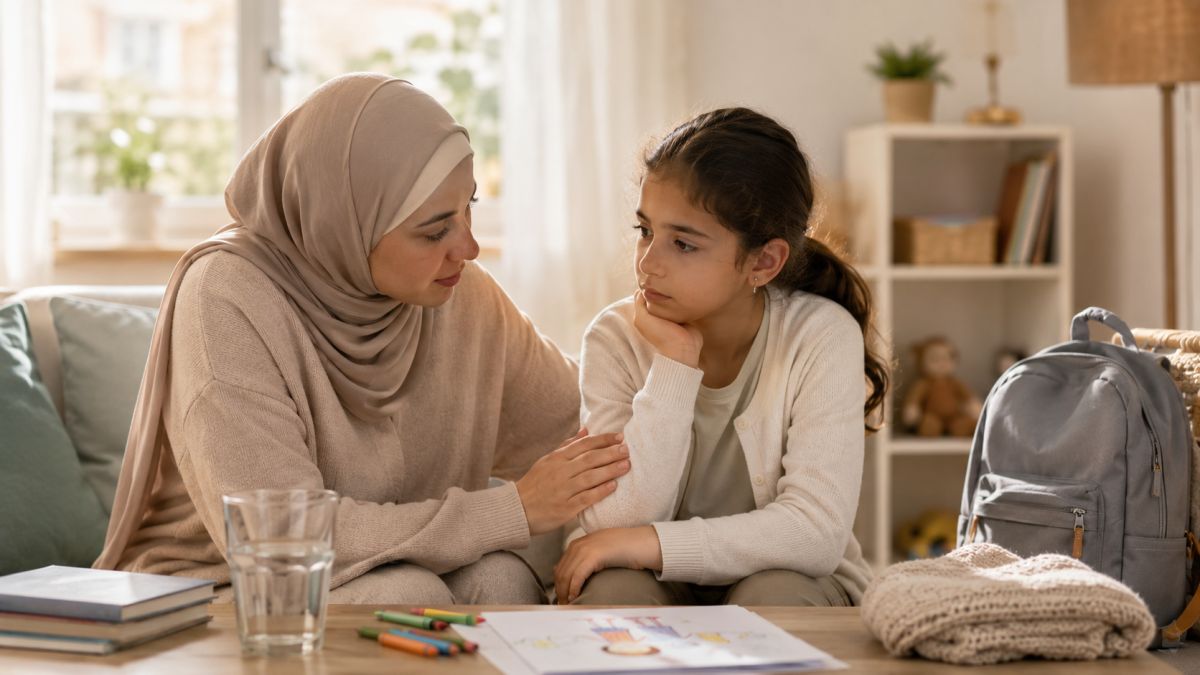
Indirect war conditions are among the most difficult challenges children may face, as they affect their psychological, emotional, and social development. Children may live in areas affected by conflict without being exposed to direct confrontations, which makes them vulnerable to stress and anxiety because of fear of the unknown and a lack of safety. Therefore, it is important to understand how to support children in these circumstances and provide them with the help they need.
Challenges children face during indirect war conditions
During indirect wars, children may face several challenges, including:
- Psychological impact: Children may experience anxiety and stress as a result of repeatedly hearing news about war or seeing its effects in their community.
- Lack of safety: Children may feel unstable because the future is unclear or because they fear that the conflict may expand.
- Social disturbances: Changes in social relationships within the community because of conflict may lead to children’s isolation or a sense of losing social support.
- Limited access to resources: Basic services such as education and healthcare may be affected, increasing the difficulties children face.
Ways to support children during indirect war conditions
1. Supporting mental health
It is important to begin by prioritizing children’s psychological well-being. This can be done by:
- Encouraging children to express their feelings, such as fear, anger, and anxiety.
- Providing group or individual psychological support sessions to help them cope with stress.
- Creating a safe environment at home and school that helps children feel reassured.
Understanding ways to reduce stress and improve daily mental health may help adults support children in a calmer way, while emphasizing that children with severe or persistent symptoms need professional assessment.
2. Strengthening education
Education is an important tool for empowering children during war conditions. This can be achieved by:
- Ensuring that education continues in safe environments, even during crises.
- Using innovative learning methods such as remote education or small learning communities.
- Including themes such as hope and tolerance in school curricula.
Organizing a child’s daily routine, including sleep, movement, and reducing excessive exposure to screens and news, may also support psychological stability. Parents can benefit from tips to enhance children’s health and reduce screen time as part of a more balanced daily environment.
3. Providing social support
Social support helps children build confidence and a sense of belonging. This can be achieved by:
- Organizing community activities that bring children together with their peers.
- Encouraging open conversations with children about their fears and providing reassurance.
- Involving the family and community in providing psychosocial support.
The close relationship between parents and the child remains one of the most important sources of safety during crises. Therefore, strengthening the bond with the child may be an essential step in helping them express fear and feel that they are not alone.
4. Learning coping skills
Teaching children coping skills is a necessary part of facing challenges. This can be done through:
- Strengthening their problem-solving skills.
- Teaching them relaxation and breathing techniques to overcome fear and anxiety.
- Encouraging positive thinking and focusing on positive aspects of their lives.
The role of the international community in supporting children
The international community can play a major role in reducing the suffering of children living under indirect war conditions by:
- Providing humanitarian aid such as food, shelter, and education.
- Funding programs that support children’s mental health.
- Strengthening international laws that protect children’s rights in conflict areas.
Support is not limited to material assistance; it also includes protecting social relationships, reducing isolation, and strengthening a child’s sense of belonging. The importance of this aspect can be understood through the article on social relationships and family in improving mental health.
Conclusion
Supporting children during indirect war conditions is a shared responsibility among families, communities, and international and local organizations. Children need psychological, social, and educational support so they can overcome these challenges and build a more stable and secure future. Through proper support and continuous guidance, children can become more able to face crises and return to a normal life filled with hope.
Walid Sarhan
With artificial intelligence assistance