Best Tips for Reducing Stress and Improving Daily Mental Health
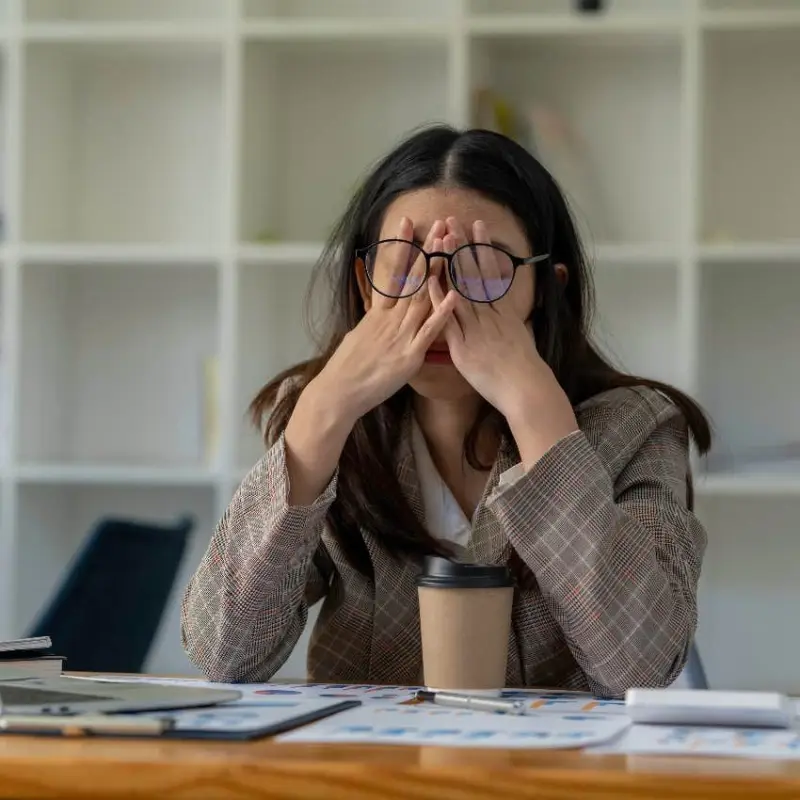
Best Tips to Reduce Stress and Improve Mental Health
Stress has become part of daily life for many people, whether it comes from work, study, family responsibilities, relationships, financial pressure, news overload, or poor sleep. Short-term stress can sometimes help us focus and respond to challenges, but chronic stress may affect mental health, physical wellbeing, sleep, energy, and productivity.
Reducing stress does not depend on one quick fix or one supplement. The most effective approach is to build small daily habits that support the nervous system, including breathing exercises, movement, sleep, nutrition, time management, social support, and professional help when needed.
In this article, we review practical, science-informed tips to reduce stress and improve mental health, while explaining the role of exercise, sleep, nutrition, magnesium, ginseng, and mood-support supplements such as CEMOOD without overstating their effects.
Key Takeaways
- Chronic stress may affect focus, sleep, energy, mood, digestion, blood pressure, and daily performance.
- The best way to reduce stress is to combine small, repeated daily habits.
- Breathing exercises, daily movement, consistent sleep, and balanced nutrition are key foundations.
- Supplements such as magnesium or mood-support formulas may help some people, but they are not treatments for stress, anxiety, or depression.
- If stress becomes severe or is linked with depression, panic attacks, severe insomnia, or self-harm thoughts, professional support is essential.
1. Understand How Stress Affects Your Daily Life
The first step in reducing stress is understanding how it shows up in your life. Stress does not always appear as obvious anxiety. Sometimes it appears as fatigue, irritability, headaches, poor sleep, emotional eating, muscle tension, or difficulty concentrating.
Stress may affect your daily life through:
- Poor focus and difficulty completing tasks.
- Sleep problems or waking during the night.
- Headaches or tightness in the neck and shoulders.
- Irritability or stronger emotional reactions.
- Changes in appetite, including overeating or loss of appetite.
- Low energy, even after rest.
- Reduced productivity at work or school.
For a broader explanation of stress, you can start with Vitaminati’s Stress & Anxiety health goal page and read the article on psychological stress in the modern world, its causes, symptoms, and recovery.
2. Identify Your Stress Triggers Instead of Only Managing Symptoms
Many people try to calm stress only after it appears. A stronger strategy is to identify the repeated causes. Does your stress come from work pressure, poor sleep, too much phone use, a difficult relationship, delayed tasks, financial worries, or too much caffeine?
Try this simple exercise for one week:
- Write down the most stressful moment of the day.
- Write what happened immediately before that feeling.
- Rate your stress from 1 to 10.
- Write what helped you calm down, even slightly.
After several days, repeated patterns may become clear. Then you can adjust habits, set boundaries, organize time, or ask for support instead of simply tolerating pressure.
For a wider mental-health perspective, Vitaminati also covers how to live a healthy and balanced psychological life.
3. Practice Breathing Exercises to Calm the Nervous System
Breathing exercises are one of the fastest practical tools for calming the body during stress. When we feel pressure, breathing often becomes fast and shallow, which may increase the feeling of anxiety. Slow breathing can help the body shift gradually toward a calmer state.
Try this simple breathing exercise:
- Sit in a comfortable place.
- Inhale slowly through the nose for 4 seconds.
- Hold gently for 1 to 2 seconds if comfortable.
- Exhale slowly for 6 seconds.
- Repeat for 2 to 5 minutes.
Breathing techniques are also discussed in Vitaminati’s article on exercise benefits for physical and mental health, where breathing and movement are presented as part of a healthier stress-response routine.
4. Move Every Day, Even If the Activity Is Simple
Physical activity is one of the strongest daily habits for supporting mental health. You do not need an intense workout to begin. Walking, yoga, stretching, stairs, or light resistance exercise can help release muscle tension, support mood, and improve sleep.
Simple movement ideas include:
- Walk for 10 to 20 minutes outdoors.
- Take a short break from sitting every hour.
- Stretch your neck and shoulders when tension builds.
- Use the stairs when possible.
- Choose a small repeated habit instead of waiting for the perfect long workout.
If stress comes with fatigue or low energy, you may find Vitaminati’s guide to vitamins for energy and fatigue useful.
5. Organize Your Day to Reduce Mental Load
Stress is not always caused only by having too many tasks. It can also come from unclear priorities. When every task stays in your mind, your brain may treat everything as urgent. Organizing your day can reduce this mental load.
Use this simple method:
- Write only the top 3 priorities for the day.
- Break a large task into one small step that takes 15 to 30 minutes.
- Start with the most important task before opening your phone or email.
- Leave space for short breaks instead of filling the whole day.
- Write tomorrow’s tasks before the end of the day so you do not carry them into bedtime.
Productivity does not mean working without rest. It means managing energy and attention in a healthier way.
6. Protect Sleep Because It Supports Mental Health
Good sleep helps the brain regulate emotions, restore energy, and improve focus. Poor sleep can increase stress sensitivity, irritability, and difficulty solving problems.
Tips for better sleep include:
- Try to sleep and wake at similar times every day.
- Reduce caffeine later in the day.
- Avoid phone use close to bedtime when possible.
- Dim lights during the last hour of the day.
- Write worrying thoughts on paper instead of carrying them into bed.
If stress affects your sleep, read Vitaminati’s article on sleep hygiene and natural sleep aids. You may also review Sleep Better, Stress Less with VITACED CALMNIGHT.
7. Eat in a Way That Supports Mood and Energy
Nutrition does not treat stress on its own, but it affects energy, sleep, blood sugar stability, and mood. Irregular meals, too much sugar, and too little protein may worsen energy swings and fatigue in some people.
Foods and nutrients that may support mood and the nervous system include:
- Fatty fish: such as salmon and sardines, as sources of omega-3 fatty acids.
- Leafy greens: such as spinach and arugula, for micronutrient support.
- Nuts and seeds: sources of magnesium, zinc, and healthy fats.
- Legumes and whole grains: to support fiber and steady energy.
- Adequate protein: to support fullness and neurotransmitter building blocks.
For more on nutrients, mood, and energy, you can read Vitaminati’s article on Magnesium 400 and B-complex for physical and mental challenges.
8. Magnesium and Stress: Can It Help?
Magnesium is an essential mineral involved in muscle function, nerve signaling, and energy production. Supporting magnesium intake may be helpful when intake is low or deficiency is present, but magnesium should not be presented as a direct treatment for stress or anxiety.
Food sources include nuts, seeds, legumes, whole grains, and leafy greens. Supplements require appropriate selection, especially for people with kidney disease or those taking certain medications.
For more detail, read Vitaminati’s articles on magnesium and the nervous system, stress, mood, and cognitive performance, magnesium benefits, types, dosages, and best use methods, and the best types of magnesium.
9. Use Supplements Carefully, Not as a Replacement for Healthy Habits
Some supplements may support mood, sleep, or nervous-system function when there is a specific need, but they do not treat chronic stress on their own. Some may also interact with medications or be unsuitable during pregnancy, breastfeeding, or certain health conditions.
Formulas such as CEMOOD may include ingredients such as L-tryptophan, ginseng, magnesium, zinc, or B vitamins. These ingredients may support mood, sleep, or nervous-system function in some people, but they should not be marketed as treatments for anxiety, depression, or chronic stress.
For related nervous-system supplement content, read Vitaminati’s articles on Neuro Forte for psychological and nervous support and BRAINOMAX for brain health support and cognitive enhancement.
10. Be Careful With Ginseng if Stress Comes With Insomnia or Palpitations
Ginseng is often associated with energy and focus, but it is not suitable for everyone. It may contribute to insomnia or palpitations in some people and may interact with certain medications. Extra caution is needed for people with severe anxiety, sleep problems, or heart rhythm concerns.
To learn more about ginseng and safety, read Vitaminati’s guides to ginseng for fatigue and focus, Korean ginseng vs. American ginseng, and ginseng dangers and usage precautions.
11. Try Herbal Tea as Part of a Relaxation Routine
Unsweetened herbal drinks may help create a calmer evening routine, especially when paired with lower phone use, dim lighting, and breathing exercises. However, herbal tea does not treat anxiety or sleep disorders, and it may not be suitable for everyone.
Use caution if you are pregnant, breastfeeding, taking medications, or allergic to certain herbs. For a broader calming-support discussion, Vitaminati also covers ashwagandha and magnesium for calm, sleep, and stress reduction.
12. Do Not Ignore Social Support and Emotional Connection
Isolation can make stress feel heavier, while healthy relationships may reduce emotional burden. Talking to someone you trust, sharing feelings, asking for help, or spending time with family can be part of mental-health care.
Stress management also fits into the wider question of psychological balance. Vitaminati’s article on how to live a healthy and balanced psychological life explores this from a broader wellness perspective.
13. Speak With a Mental Health Professional When Needed
Asking for help is not weakness. If stress affects your sleep, work, relationships, or ability to enjoy life, speaking with a psychologist, psychiatrist, counselor, or physician may be an important step.
Seek help if you notice:
- Repeated panic attacks.
- Persistent sadness or loss of interest.
- Severe insomnia or sleeping too much for a long time.
- Clear difficulty performing work or study tasks.
- Using food, caffeine, alcohol, or substances to escape stress.
- Thoughts of self-harm or feeling that life is not worth continuing.
If self-harm thoughts or immediate danger are present, seek urgent help from emergency services or the nearest medical center. Vitaminati also explains warning signs in when a visit to the psychiatrist becomes an urgent necessity.
A Simple Daily Plan to Reduce Stress
| Time | Habit | Goal |
|---|---|---|
| Morning | 5 minutes of breathing or stretching. | Start the day calmly. |
| Midday | 10 minutes of walking or screen break. | Reduce tension and improve focus. |
| After work | Write the top 3 tasks for tomorrow. | Reduce overthinking. |
| Evening | Less phone use and a warm unsweetened drink. | Prepare the body for sleep. |
| Before bed | Calm reading or breathing practice. | Quiet the mind. |
Conclusion: Take One Small Step Toward Calm
Reducing stress and improving mental health do not happen through one decision. They happen through small habits repeated consistently. Breathing, movement, sleep, nutrition, time structure, and supportive relationships all work together.
Supplements or herbal drinks may provide extra support in some cases, but they do not treat stress alone and should not replace professional care when needed. Start with one step today: breathe slowly, walk for a few minutes, organize one task, or put your phone away before bed.
Your mental health deserves daily care, and realistic change starts with the simplest habit you can repeat.
Frequently Asked Questions About Reducing Stress
What is the fastest way to reduce stress?
Slow breathing, a short walk, stretching, or stepping away from your phone for a few minutes may help calm the body and mind quickly.
Does exercise help reduce stress?
Yes. Daily movement can support mood, sleep, and energy, while helping release physical and psychological tension.
Does food affect mental health?
Yes. Food affects energy, blood sugar, sleep, and mood. Balanced meals may help reduce energy swings that can worsen stress.
Does CEMOOD treat stress?
No. CEMOOD or similar supplements may support mood in some people, but they are not treatments for stress, anxiety, or depression.
Is magnesium useful for stress?
Magnesium may support the nervous system when intake is low or deficiency is present, but it does not treat stress by itself and is not suitable for everyone as a supplement.
Does sleep reduce stress?
Yes. Good sleep helps regulate emotions, focus, and energy, while poor sleep may increase stress and irritability.
When should I see a mental health professional?
Seek professional help if stress is persistent, severe, disrupts sleep, work, or relationships, or comes with panic attacks, depression symptoms, or self-harm thoughts.
Can herbal tea help with relaxation?
It may help as part of a calming routine, but it is not a treatment for anxiety or sleep disorders. Use caution during pregnancy, medication use, or herb allergies.
Scientific References
- WHO – Stress
- WHO – Mental health: strengthening our response
- NCCIH – Stress
- NCCIH – Relaxation Techniques
- WHO – Physical Activity
- NIH ODS – Magnesium Fact Sheet for Health Professionals
Medical disclaimer: This article is for general educational purposes only and does not replace medical or psychological care. If stress is severe, persistent, or associated with depression, panic attacks, severe insomnia, or thoughts of self-harm, seek professional help immediately.