Hydration Hacks (Beyond Water): How to Stay Truly Hydrated
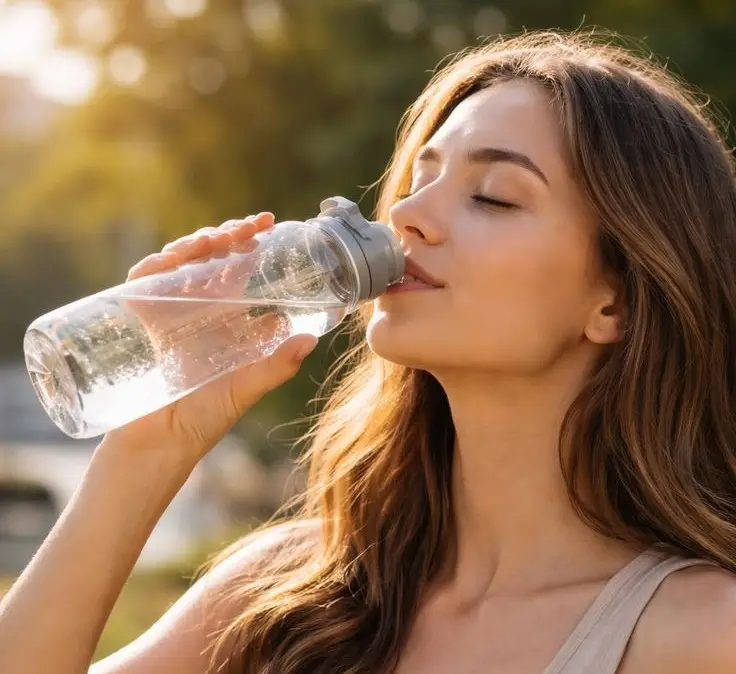
Hydration Strategies: How to Stay Hydrated Smarter, Not Just Drink More Water
When we think about hydration strategies, the first idea that usually comes to mind is drinking more water. While water is the foundation of hydration, staying hydrated is not only about how much water you drink. It is also about how well your body absorbs, uses, and retains fluids.
Whether you follow a keto or low-carb diet, exercise regularly, spend time in hot weather, or simply want to stay energetic and focused throughout the day, these hydration strategies can help you hydrate smarter, not harder. If you want to understand hydration in the context of fasting and fluid loss, you can also read Vitaminati’s guide to hydration, electrolytes, and healthy fasting during Ramadan.
Why Water Alone Is Not Always Enough
Water is essential for the body. It helps regulate body temperature, supports digestion, carries nutrients, and helps maintain focus and energy. However, in some situations, drinking plain water alone may not be enough, especially when the body is losing fluids and minerals through heavy sweating, hot weather, vomiting, diarrhea, or intense exercise.
This is where electrolytes become important. Electrolytes such as sodium, potassium, magnesium, and calcium help maintain fluid balance, nerve signaling, and muscle contraction. Some people may feel tired, dizzy, or experience muscle cramps even when they drink water if they are also losing key minerals.
This may be especially noticeable for some people following low-carb or ketogenic diets, because reducing carbohydrates can initially affect fluid and electrolyte balance. For more detail, see Vitaminati’s article on essential electrolytes for the keto diet.
1. Add Electrolytes to Your Water When Needed
Electrolytes are minerals that carry an electrical charge and help regulate fluid balance, nerve function, and muscle contractions. The main electrolytes include sodium, potassium, magnesium, calcium, chloride, phosphate, and bicarbonate.
You may need more attention to electrolytes if you sweat heavily, exercise for a long time, train intensely, follow a keto diet, or spend long hours in hot weather. On normal days, water plus a balanced diet may be enough for most people.
You can prepare a simple hydration drink by adding:
- A small pinch of salt to a large glass of water.
- A few drops of lemon juice.
- Optional: a small amount of honey, or a keto-friendly sweetener if you follow keto.
However, adding too much salt or using electrolyte supplements randomly is not recommended, especially for people with high blood pressure, kidney disease, heart disease, or those taking diuretics or medications that affect potassium. To understand the role of magnesium in energy and muscle function, read Vitaminati’s guide on magnesium for energy, muscles, and nerves.
2. Try Chia Seed Water as a Fiber-Rich Hydration Option
Chia seeds absorb water and form a gel-like texture when soaked. This makes them a useful addition for some people because they provide fluids along with fiber, healthy fats, and plant-based protein.
Chia seed water can be refreshing and filling, but it should not be considered a treatment for dehydration or a replacement for oral rehydration solution when there is vomiting, diarrhea, or significant fluid loss. In those cases, dehydration should be taken seriously, and medical advice may be needed.
How to make it:
- Add one tablespoon of chia seeds to a glass of water.
- Let it sit for 15–20 minutes until the seeds swell.
- Stir well and add lemon, mint, or berries for flavor.
This drink can fit into a balanced routine, especially for people looking for a fiber-rich drink that may also support fullness.
3. Eat Water-Rich Foods
Staying hydrated does not always mean drinking constantly. You can also get part of your daily fluid intake from foods naturally rich in water.
Hydrating food options include:
- Cucumber.
- Watermelon.
- Strawberries.
- Celery.
- Oranges.
- Lettuce.
- Zucchini.
These foods naturally contain water and also provide fiber, plant compounds, and micronutrients. Some fruits and vegetables also provide potassium, a mineral that supports normal cell, nerve, and muscle function. You can learn more in Vitaminati’s article on potassium supplements and muscle activity.
4. Monitor Drinks That May Affect Fluid Balance
Hydration is not only about what you add. It is also about what you monitor throughout the day. Some drinks may affect fluid balance in certain people, especially when consumed in large amounts.
Coffee and tea do not usually cause dehydration when consumed in moderation because they also contain a large amount of water. However, high doses of caffeine, energy drinks, or alcohol may increase urination, affect sleep, or make it harder to maintain steady hydration in some situations.
Instead of cutting out coffee or tea completely, try a balanced approach:
- Drink water regularly throughout the day.
- Limit high-caffeine energy drinks.
- Avoid relying on sugary drinks as your main fluid source.
- Watch urine color; pale yellow is often a practical hydration sign for many people.
- Increase fluids during hot weather or exercise.
5. Match Hydration to Exercise and Weather
Your fluid needs increase with physical activity, hot weather, heavy sweating, or long hours outdoors. It is better not to wait until you feel extremely thirsty, especially if you exercise or spend time in high temperatures.
Before exercise, drink an appropriate amount of water. During long or intense exercise, you may need extra fluids. After exercise, replace fluids gradually and include foods that provide water and minerals. For broader activity support, see Vitaminati’s article on the benefits of exercise for physical and mental health.
6. Watch for Signs of Dehydration and Low Electrolytes
Signs of dehydration can vary from person to person, but they may include:
- Strong thirst.
- Dry mouth.
- Headache or dizziness.
- Fatigue or poor concentration.
- Dark urine or reduced urination.
- Muscle cramps, especially after sweating or exercise.
If you experience frequent muscle cramps, several causes may be involved, including muscle fatigue, fluid loss, or mineral imbalance. For more detail, read Vitaminati’s article on why muscle cramps occur and the role of magnesium.
Seek medical care if dehydration is severe or occurs with fainting, confusion, persistent vomiting, severe diarrhea, very low urination, or inability to keep fluids down.
Final Thoughts
Smart hydration goes beyond simply drinking more water. The body needs enough fluids, balanced minerals, water-rich foods, and a routine that matches your activity level and environment.
By combining water, electrolytes when needed, chia seeds, and hydrating foods, you can support daily energy, focus, and fluid balance. If your goal is also to reduce tiredness and support energy, you may want to read Vitaminati’s guide to vitamins for energy and fatigue.
Your fluid needs vary based on age, activity level, weather, health conditions, and medications. There is no single perfect amount for everyone, so it is best to make hydration a flexible daily habit rather than waiting until you feel very thirsty.
FAQs
1. Is water alone enough for hydration?
For many people, water plus a balanced diet is enough on normal days. Extra electrolytes may be useful during heavy sweating, long exercise, hot weather, illness, or certain diets such as keto.
2. What is the best drink for hydration?
Water is the main choice for daily hydration. When large amounts of fluid and minerals are lost, an electrolyte drink may help, but it should not be overloaded with sugar or salt.
3. Does chia seed water hydrate the body?
Chia seed water provides fluid and fiber and may help with fullness. However, it is not a treatment for dehydration and should not replace oral rehydration solution during vomiting or severe diarrhea.
4. Does coffee dehydrate you?
Moderate coffee intake usually does not dehydrate most people. High caffeine intake may increase urination in some people, especially those who are not used to caffeine.
5. What foods are high in water?
Water-rich foods include cucumber, watermelon, strawberries, lettuce, celery, oranges, and zucchini. These foods can support hydration as part of a balanced diet.
6. What are signs of low electrolytes?
Possible signs include fatigue, dizziness, muscle cramps, headache, or weakness, especially after sweating or fluid loss. These symptoms can also have other causes.
7. Do people on keto need more electrolytes?
Some people on keto may need to pay more attention to sodium, magnesium, and potassium, especially during the early phase when fluid balance changes. Medical advice is recommended if symptoms are persistent.
8. When is dehydration dangerous?
Dehydration can be serious if it comes with confusion, fainting, persistent vomiting, severe diarrhea, very low urination, or inability to drink fluids.