Dehydration During Ramadan: A Comprehensive Guide to Hydration, Electrolytes, and Healthy Fasting
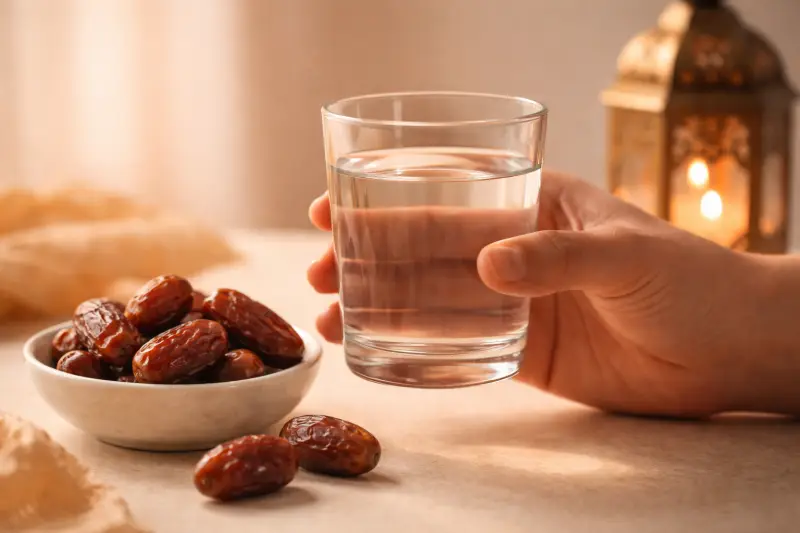
Dehydration during Ramadan is one of the most common health challenges during fasting, especially in hot weather or when fasting hours are long. When the body goes without water for many hours, and fluids are not replaced properly between iftar and suhoor, fluid levels may gradually drop.
Dehydration is not only about feeling thirsty. It may also appear as headache, dizziness, fatigue, poor concentration, dark urine, dry mouth, dry lips, or muscle cramps. In some cases, low fluid intake may affect blood pressure and normal body functions, especially in older adults or people with chronic health conditions.
In this guide, we explain the causes of dehydration while fasting, the signs of low fluid intake, the role of electrolytes for fasting, the importance of sodium, potassium, and magnesium, the best hydration drinks after iftar, common mistakes that increase thirst, and a practical daily hydration plan for Ramadan.
To understand Ramadan nutrition more broadly, you can also read Vitaminati’s article on iftar vitamins and how to restore energy after fasting, and suhoor vitamins and what your body needs before fasting.
Causes of Dehydration While Fasting
Dehydration usually does not happen suddenly. It often builds up gradually because of repeated daily habits. Many people only notice the problem when headache, fatigue, or intense thirst appears during the day.
1. Long Hours Without Water
Long fasting hours mean the body receives no fluids for an extended period. If water is not replaced properly between iftar and suhoor, the body may begin the next fasting day already underhydrated.
2. Sweating and Hot Weather
Outdoor work, long walks, exercise, or direct sun exposure can increase fluid and salt loss through sweat. This may raise the risk of dehydration, especially when fluids are not replaced after iftar.
3. Excessive Caffeine
Coffee and tea may increase urination in some people, especially when consumed in large amounts or by those who are not used to caffeine. For this reason, caffeinated drinks should not replace water during non-fasting hours.
4. Salty and Fried Foods
Very salty foods such as pickles, chips, processed meats, and fast food may increase thirst during fasting. Heavy fried foods may also cause digestive discomfort and reduce the desire to drink enough water.
5. Skipping Suhoor
Suhoor is not just an extra meal. It is an important opportunity to provide the body with fluids and foods that support fullness and hydration. Skipping suhoor can make fasting more difficult, especially on hot or long days.
Signs of Low Fluid Intake During Ramadan
Recognizing dehydration early can help prevent it from becoming more serious. Symptoms vary depending on age, activity level, weather, health status, and the amount of fluid consumed after iftar.
- Intense or persistent thirst.
- Dry mouth, lips, or tongue.
- Headache or dizziness.
- Fatigue, sluggishness, and poor concentration.
- Dark or strong-smelling urine.
- Reduced urination.
- Dry skin or feeling overheated.
- Muscle cramps, especially with sweating or low mineral intake.
- Fast heartbeat or low blood pressure in some cases.
What Are Electrolytes and Why Do They Matter While Fasting?
Electrolytes are minerals that carry an electrical charge when dissolved in body fluids. They help regulate fluid balance, nerve signaling, muscle contraction, heartbeat, and blood pressure.
The main electrolytes include:
- Sodium: helps regulate fluid levels outside cells and supports blood pressure.
- Potassium: supports fluid balance inside cells and helps muscles and the heart function normally.
- Magnesium: supports nerves and muscles and may help reduce cramps when deficiency is present.
- Calcium: is essential for muscle contraction, nerve function, and bone health.
During fasting, some people may feel symptoms similar to dehydration even after drinking water after iftar. This can happen when mineral balance is not ideal, especially with heavy sweating or an imbalanced intake of sodium and potassium.
Is Water Alone Enough to Prevent Dehydration?
In most cases, water combined with a balanced diet is enough to support hydration. However, in situations such as heavy sweating, working in heat, exercise, or repeated muscle cramps, the body may need more attention to electrolytes, not water alone.
This does not mean everyone needs electrolyte supplements every day. It means choosing foods and fluids that help replace water and minerals in a balanced way. Light soup, vegetables, fruits, yogurt, dates, and legumes may help naturally provide both fluids and minerals.
Potassium and Its Role in Hydration and Muscle Cramps
Potassium is one of the most important minerals for muscle and nerve function. It helps regulate fluid balance inside cells and supports normal muscle contraction and heartbeat. Low potassium intake, combined with sweating and low fluid intake, may contribute to muscle cramps in some people.
Potassium-rich foods that can be included at iftar or suhoor include:
- Dates.
- Bananas.
- Potatoes or sweet potatoes.
- Avocado.
- Spinach and leafy greens.
- Lentils and beans.
- Yogurt or laban, depending on tolerance.
You can also read Vitaminati’s article on potassium supplements and support for heart health and muscle activity to understand when potassium may be useful and when it requires caution.
Sodium and Fluid Balance: Not Too Much, Not Too Little
Sodium is necessary for fluid balance, blood pressure, and nerve and muscle function. The problem during Ramadan is that some people consume too much salt at suhoor, which may increase thirst during the fasting day.
When sodium is low or lost through sweating, symptoms may include:
- Dizziness.
- Headache.
- General weakness.
- Low blood pressure in some people.
Too much sodium may lead to:
- More thirst while fasting.
- Temporary fluid retention.
- Higher blood pressure in people prone to it.
- Heaviness or discomfort after salty meals.
The best approach is to get sodium in moderate amounts from balanced meals or light soup while reducing pickles, processed foods, fast food, and excess salt at suhoor.
Magnesium and Calcium During Ramadan
Magnesium and calcium are not only important for bone health. They also take part in nerve and muscle function. Low magnesium intake or mineral imbalance may be linked with cramps or fatigue in some people.
Ramadan-friendly magnesium sources include:
- Nuts and seeds.
- Oats and whole grains.
- Legumes such as lentils and chickpeas.
- Leafy greens.
- Dark chocolate in moderation.
For more details, you can visit Vitaminati’s magnesium guide, or read about magnesium food sources.
Best Hydration Drinks After Iftar
Not every drink after iftar hydrates the body equally. Some drinks help replace fluids and minerals, while others may increase thirst or add a lot of sugar without meaningful benefit.
Best options include:
- Water: the first and most important drink for replacing fluids.
- Water with dates: a simple option that provides fluids, natural sugars, and minerals.
- Light soup: such as lentil or vegetable soup, because it provides fluids and some salts and minerals.
- Yogurt or laban: suitable for some people and provides fluids, protein, and minerals.
- Coconut water: contains potassium, but should be used in moderation while considering sugar content.
- Mild herbal drinks: such as mint or chamomile without excessive sugar.
Drinks to limit:
- Sodas.
- Artificial or sweetened juices.
- Energy drinks.
- Large amounts of coffee or tea.
- High-sugar Ramadan drinks when consumed excessively.
For more tips on starting iftar gently, you can read breaking the fast the right way and the best foods to eat first at iftar.
When Do You Need Hydration or Electrolyte Supplements?
Hydration supplements or electrolyte drinks are not necessary for everyone during Ramadan. Many people can maintain hydration through water and a balanced diet. However, they may be useful in certain situations when used correctly.
You may consider discussing them if you:
- Work in a hot environment or outdoors.
- Sweat noticeably during the day.
- Exercise after iftar or before suhoor.
- Experience repeated muscle cramps.
- Have recurring headaches linked to low fluid intake.
- Are an older adult or more prone to dehydration.
How to choose a suitable hydration supplement:
- Choose a low-sugar product.
- Avoid artificial colors and unnecessary ingredients when possible.
- Do not use it instead of water or balanced meals.
- Avoid products very high in sodium if you have high blood pressure.
- Ask a doctor if you have kidney disease, heart disease, blood pressure problems, diabetes, or use diuretics.
Mistakes That Increase Thirst During Ramadan
Some common habits may feel comforting at first but increase thirst later. Avoiding these mistakes may be more effective than adding hydration supplements.
- Drinking a large amount of water all at once at suhoor.
- Neglecting water intake between iftar and suhoor.
- Eating too many sweets and drinking sugary beverages.
- Eating pickles and salty foods at suhoor.
- Replacing water with coffee or soda.
- Skipping suhoor.
- Staying up late and not sleeping enough.
- Doing intense exercise during hot fasting hours.
Effective Tips to Reduce Dehydration While Fasting
- Spread water intake gradually between iftar and suhoor.
- Start iftar with water, dates, or light soup.
- Add water-rich vegetables such as cucumber, lettuce, and tomatoes.
- Choose fruits such as watermelon, oranges, and strawberries in moderation.
- Reduce caffeine, especially at suhoor.
- Make suhoor balanced with protein, whole grains, and vegetables.
- Avoid long sun exposure during peak heat.
- Choose light exercise or exercise after iftar.
- Watch urine color during non-fasting hours as a rough hydration sign.
A Daily Hydration Plan for People Who Fast
This general plan can be adjusted according to age, weather, activity level, and health status. The goal is to distribute fluids rather than drinking them all at once.
At Iftar
- One to two glasses of water.
- Dates or a light starter.
- Light soup or a vegetable-rich salad.
Two Hours After Iftar
- A glass of water or an unsweetened herbal drink.
- A water-rich or potassium-rich fruit such as banana, orange, or watermelon in moderation.
Between Iftar and Suhoor
- Two to three glasses of water spread out.
- Avoid drinking the full amount at once.
- Limit sugary and caffeinated drinks.
At Suhoor
- One to two glasses of water.
- A meal containing protein such as eggs, yogurt, or legumes.
- Whole grains such as oats or whole-grain bread.
- Water-rich vegetables such as cucumber and lettuce.
- Avoid pickles and excess salt.
Who Needs Special Caution With Dehydration?
Some people are more vulnerable to dehydration or its complications and may need a personalized plan or medical advice before or during fasting.
- Older adults.
- People with diabetes.
- People with kidney disease.
- People with heart disease or blood pressure problems.
- Pregnant or breastfeeding women.
- People taking diuretics or medicines that affect fluids and salts.
- People working under the sun or in hot environments.
- People with a history of fainting or low blood pressure.
FAQs
1. Is water alone enough to prevent dehydration?
Water is essential and should be the foundation, but it may not always be enough with heavy sweating or mineral loss. The body also needs a suitable balance of sodium, potassium, and magnesium from food or supplements when needed.
2. Are electrolyte supplements safe during Ramadan?
They may be safe when used moderately and only when needed, but not everyone needs them. Caution is needed for people with kidney disease, heart disease, high blood pressure, diabetes, or those using diuretics.
3. What is the best time to drink water during Ramadan?
The best time is between iftar and suhoor, with intake spread gradually: at iftar, later in the evening, before sleep, and at suhoor.
4. Do dates help with hydration?
Dates do not hydrate like water, but they provide natural sugars and some minerals such as potassium, so they can be a good part of iftar when combined with water.
5. Does coffee increase dehydration?
Excessive coffee may increase urination or insomnia in some people. It is best to limit it and drink water regularly, especially if you experience thirst or headaches while fasting.
6. Is sodium helpful or harmful in Ramadan?
Sodium is necessary for fluid balance, but too much from pickles and salty foods may increase thirst and raise blood pressure in some people. Moderation is best.
7. Do muscle cramps while fasting mean potassium deficiency?
Not always. Cramps may be related to low fluids, salt loss, fatigue, poor sleep, or low intake of certain minerals. If cramps are repeated or severe, professional advice is recommended.
8. Who is most at risk of dehydration during Ramadan?
Older adults, people working in heat, people who sweat heavily, people with diabetes, kidney disease, or heart disease, pregnant women, and those taking medications that affect fluid balance are more vulnerable.
Conclusion
Preventing dehydration during Ramadan is not about drinking a large amount of water only at suhoor. It depends on distributing fluids wisely between iftar and suhoor, eating water- and mineral-rich foods, reducing salt and caffeine, and recognizing early signs of low fluid intake.
Electrolytes such as sodium, potassium, magnesium, and calcium play an important role in fluid balance and muscle and nerve function, but this does not mean everyone needs supplements. Most people can support hydration with water and balanced meals, while some may need hydration supplements or medical guidance depending on activity level and health status.
For a healthier fasting experience, keep your daily goal simple: drink water gradually, start iftar gently, choose a balanced suhoor, and reduce what increases thirst. If severe dehydration signs appear or you have a chronic condition, consult a doctor or pharmacist.