Lemon Balm Tea for Calm Sleep and Stress Relief
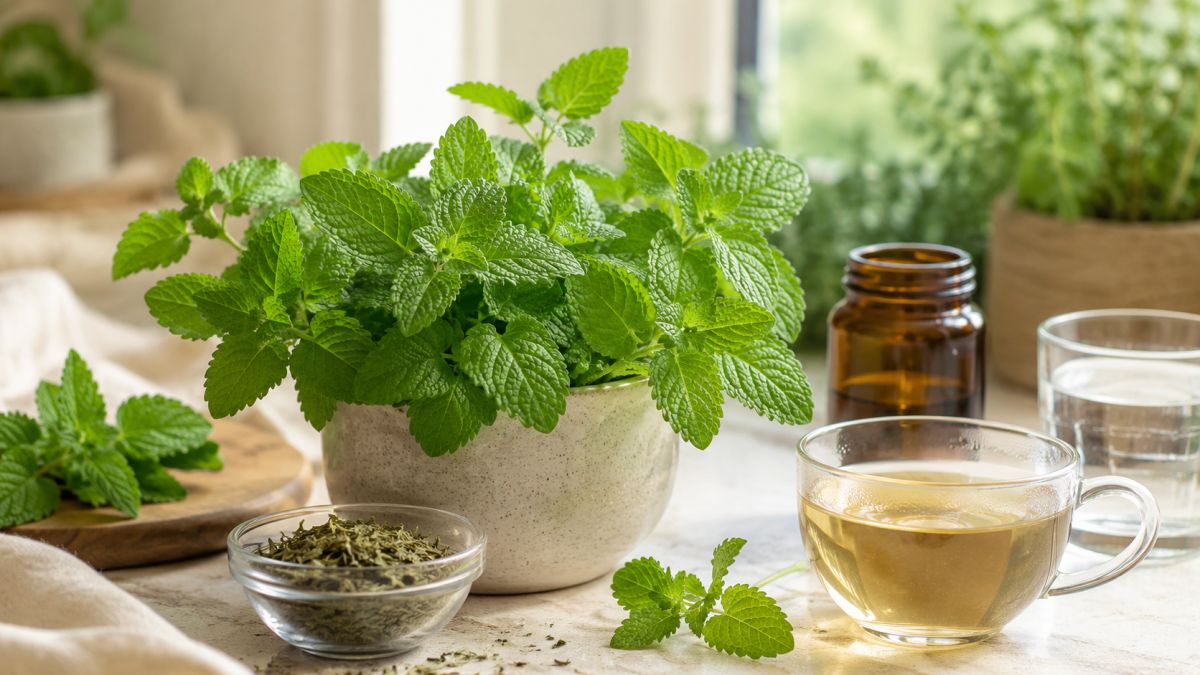
Lemon balm, also known as Melissa officinalis, is a calming herb commonly used as tea or in herbal supplements for relaxation, sleep support, mild stress, and digestive comfort. It may help some people feel calmer or sleep more easily, but its strongest support comes from traditional herbal use rather than strong proof that it can treat anxiety, insomnia, or digestive disease.
For Vitaminati readers, the most important point is balance: lemon balm can be part of a gentle wellness routine, but it should not be used as a replacement for medical care, prescribed medication, or proper evaluation when symptoms are persistent or severe.
What is lemon balm?
Lemon balm is a leafy herb from the mint family. It has a mild lemon-like aroma and is commonly used in herbal teas, capsules, extracts, and combination sleep or relaxation formulas. The leaves are the part most often used in traditional herbal medicine.
The European Medicines Agency’s Herbal Medicinal Products Committee states that lemon balm leaf has traditional use for the relief of mild symptoms of mental stress, to aid sleep, and for mild digestive complaints including bloating and flatulence.
This “traditional use” classification is important. It means lemon balm has a long history of use for these purposes, but it does not mean it works like a sleeping pill, anti-anxiety medication, or digestive treatment.
Lemon balm benefits: what people commonly use it for
The most common searches around lemon balm are related to sleep, stress, anxiety, digestion, and safety. These are the main areas where lemon balm is usually discussed:
- Sleep support: used before bed to support relaxation.
- Mild stress: used during periods of everyday tension or nervousness.
- Digestive comfort: traditionally used for gas, bloating, and mild stomach discomfort.
- Herbal tea routines: often used as a caffeine-free evening drink.
- Combination formulas: sometimes combined with herbs or nutrients used for calm and sleep.
The key is to avoid overpromising. Lemon balm may support comfort and relaxation, but it does not cure insomnia, anxiety disorders, irritable bowel syndrome, thyroid disease, or any medical condition.
Lemon balm for sleep: can it help you fall asleep?
Lemon balm may help some people relax before bedtime, especially when the sleep problem is linked to mental overactivity, mild stress, or an irregular evening routine. A warm cup of caffeine-free herbal tea can also create a calming ritual, which itself may support sleep readiness.
However, lemon balm should not be presented as a guaranteed sleep solution. Sleep quality depends on many factors, including caffeine intake, light exposure, stress, screen use, meal timing, physical activity, and underlying health conditions.
If your goal is to build a better bedtime routine, you may also want to review Vitaminati’s guide to natural ways to fall asleep quickly, which explains broader sleep-support habits beyond herbs.
Lemon balm for stress and anxiety: what is realistic?
Lemon balm is traditionally used for mild symptoms of mental stress. Some people use it when they feel tense, restless, or mentally overstimulated. This does not mean lemon balm is a treatment for anxiety disorders.
For everyday stress, lemon balm may be most useful when combined with basic lifestyle support: regular sleep, reduced caffeine, gentle physical activity, breathing techniques, enough hydration, and boundaries around work or digital overload.
For a broader stress-management approach, Vitaminati’s article on reducing stress and improving daily mental health may help readers understand why stress support should not rely on one herb or supplement alone.
How might lemon balm work in the body?
Lemon balm contains several plant compounds, including rosmarinic acid and volatile oils. Researchers have explored possible effects on calming pathways in the nervous system, oxidative stress, and smooth muscle relaxation in the digestive tract. However, these mechanisms are not the same as proven clinical outcomes.
In practical terms, lemon balm may support relaxation through more than one pathway: the herb itself, the warm tea ritual, reduced caffeine intake when used instead of caffeinated drinks, and the calming routine around bedtime.
This is why the best wording is cautious: lemon balm may support relaxation and sleep routines. It should not be described as a cure or direct treatment for anxiety, depression, insomnia, or digestive disorders.
Lemon balm for digestion: bloating, gas, and stomach comfort
Lemon balm has traditional use for mild digestive complaints such as bloating and gas. This may be relevant for people who occasionally feel full, gassy, or uncomfortable after meals.
Still, digestive symptoms can have many causes. Frequent bloating may be related to food intolerances, constipation, irritable bowel syndrome, eating speed, carbonated drinks, stress, or other gastrointestinal conditions.
For readers comparing herbs used after meals, Vitaminati also covers mint and its role in digestion and refreshment. This helps place lemon balm within a wider herbal digestion context.
Lemon balm tea vs lemon balm supplement: what is the difference?
Lemon balm tea is usually milder and is often used as part of a daily calming routine. Supplements and extracts can be more concentrated, and their strength varies widely depending on the product, extraction method, and serving size.
| Form | Common use | Important note |
|---|---|---|
| Lemon balm tea | Evening relaxation, mild digestive comfort | Usually gentler, but still not suitable for everyone |
| Capsules or tablets | Convenient supplement use | May be more concentrated than tea |
| Liquid extracts | Herbal formulas or drops | Strength varies; some may contain alcohol |
| Combination formulas | Sleep or calm support | Check all ingredients to avoid excess sedation |
If using a product that combines lemon balm with magnesium or other calming ingredients, it is important to check the full formula. Vitaminati’s guide to magnesium and the nervous system explains how magnesium is commonly discussed in stress, mood, and nerve function support.
When is the best time to take lemon balm?
The best time depends on the reason for use. For sleep routines, lemon balm tea is commonly used in the evening. For digestion, some people use it after meals. For mild stress, it may be used during calm periods of the day when drowsiness would not interfere with work, driving, or concentration.
- For sleep: evening use may be more appropriate.
- For digestion: after meals may be more relevant.
- For stress: avoid using it before driving until you know how your body reacts.
Avoid combining lemon balm with alcohol, sedative medications, or multiple calming supplements unless a healthcare professional confirms it is appropriate.
Can lemon balm be combined with chamomile, magnesium, or other herbs?
Lemon balm is often found in combination formulas with chamomile, valerian, passionflower, magnesium, or other sleep-support ingredients. This does not automatically make the formula unsafe, but it does increase the need to check for overlapping sedative effects.
The more calming ingredients a product contains, the more important it becomes to think about drowsiness, medication use, pregnancy, breastfeeding, and timing. A “natural” formula can still interact with medications or cause side effects.
Who should be cautious with lemon balm?
Lemon balm is commonly used as tea, but concentrated extracts and supplements need more caution. Some people should speak with a doctor or pharmacist before using it.
- Pregnant or breastfeeding women: safety data may be limited, especially for supplements and extracts.
- Children: herbal products should be used only with professional guidance.
- People taking sedatives or sleep medications: lemon balm may add to drowsiness.
- People taking thyroid medication: concentrated lemon balm supplements should be used cautiously due to theoretical thyroid-related concerns.
- People preparing for surgery: herbs with sedative potential may need to be stopped before procedures, depending on medical advice.
- People with chronic disease or multiple medications: professional review is safer before starting herbal supplements.
Can lemon balm affect the thyroid?
Lemon balm is sometimes discussed online in relation to thyroid health, especially hyperthyroidism or Graves’ disease. However, it should not be used to manage thyroid disease without medical supervision.
The safest practical advice is this: if you have thyroid disease, use levothyroxine, antithyroid medication, or are being monitored for thyroid hormone levels, ask your doctor or pharmacist before using lemon balm supplements. This is especially important with concentrated extracts, not just occasional tea.
Possible lemon balm side effects
Lemon balm is generally considered a gentle herb when used moderately, but side effects can still happen. The risk may increase with concentrated extracts, high intakes, poor-quality products, or combinations with other sedative ingredients.
- Drowsiness or reduced alertness
- Dizziness
- Nausea or stomach discomfort
- Headache
- Allergic reaction in sensitive individuals
- Increased sedation when combined with alcohol, sleep medicines, or calming supplements
Common myths about lemon balm
Myth 1: Lemon balm cures anxiety
Lemon balm may support relaxation during mild stress, but it does not cure anxiety disorders. Persistent anxiety, panic attacks, or anxiety that affects daily functioning should be evaluated by a qualified professional.
Myth 2: Herbal means safe for everyone
Herbs can still cause side effects or interact with medications. Safety depends on the person, dose, form, health status, and other products used.
Myth 3: More lemon balm means better sleep
Taking more does not guarantee better results and may increase drowsiness or side effects. With herbs, more is not always better.
Myth 4: Lemon balm tea and extracts are the same
Tea is usually milder. Extracts and capsules may be more concentrated and require more caution.
When should you not rely on lemon balm?
Do not rely on lemon balm alone if symptoms are severe, persistent, or worsening. Seek medical advice if you have:
- Insomnia lasting several weeks or affecting daily function
- Panic attacks, depression, or severe anxiety
- Unexplained weight loss
- Severe abdominal pain
- Vomiting, blood in stool, or persistent diarrhea
- New symptoms after starting a supplement
- Thyroid symptoms or unstable thyroid blood tests
Conclusion
Lemon balm is a popular calming herb traditionally used for mild stress, sleep support, and digestive comfort. It may be helpful for some adults as tea or as part of a broader relaxation routine, but its evidence should be interpreted carefully. It is not a treatment for chronic insomnia, anxiety disorders, thyroid disease, or persistent digestive symptoms.
For safe use, keep expectations realistic, avoid mixing multiple sedative products without guidance, and ask a healthcare professional before using lemon balm supplements if you are pregnant, breastfeeding, taking medications, managing thyroid disease, or dealing with ongoing symptoms.
FAQs
What is lemon balm used for?
Lemon balm is traditionally used for mild stress, sleep support, and mild digestive complaints such as gas and bloating.
Does lemon balm help with sleep?
It may help some people relax before bed, especially as part of a calming bedtime routine, but it is not a treatment for chronic insomnia.
Can lemon balm help with anxiety?
It may support relaxation during mild stress, but it should not replace professional care for anxiety disorders, panic attacks, or depression.
Is lemon balm good for digestion?
It may help with mild bloating, gas, or fullness, but persistent digestive symptoms need proper evaluation.
What is the best time to drink lemon balm tea?
Evening may be best for sleep support, while after meals may be more suitable for mild digestive comfort.
Can lemon balm make you sleepy?
Yes, it may cause drowsiness in some people, especially when combined with alcohol, sedatives, or other calming supplements.
Can lemon balm affect thyroid medication?
There are theoretical thyroid-related concerns, so people using thyroid medication should ask a healthcare professional before using concentrated lemon balm supplements.
Is lemon balm safe during pregnancy?
Pregnant or breastfeeding women should avoid herbal supplements and concentrated extracts unless advised by a healthcare professional.
Can children use lemon balm?
Children should only use herbal products with guidance from a pediatrician or qualified healthcare professional.
Is lemon balm tea better than capsules?
Tea is usually milder, while capsules and extracts may be more concentrated. The best choice depends on the person, goal, and safety considerations.