Malaria: Causes, Symptoms, Prevention, and Treatment
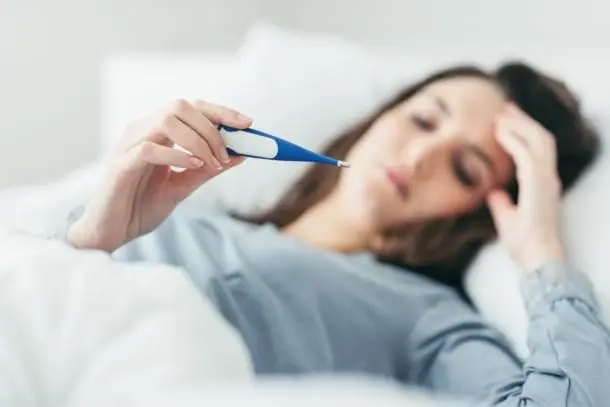
Malaria: Symptoms, Causes, Prevention, Treatment, and Vaccine
Malaria is a serious and potentially life-threatening infection that usually spreads to humans through the bite of an infected female Anopheles mosquito. It is caused by Plasmodium parasites and often begins with fever, chills, headache, fatigue, and flu-like symptoms.
Malaria is most common in tropical and subtropical regions, especially parts of sub-Saharan Africa, South Asia, South America, and other warm, humid areas where mosquito transmission is active. Early diagnosis, prompt medical treatment, and strong mosquito-bite prevention are essential for reducing complications and preventing severe disease.
Quick Summary: What Should You Know About Malaria?
- Malaria is caused by Plasmodium parasites, usually transmitted through infected Anopheles mosquitoes.
- The most dangerous species is often Plasmodium falciparum, which can progress rapidly if untreated.
- Early symptoms may look like the flu, including fever, chills, headache, sweating, nausea, and fatigue.
- Diagnosis requires medical testing, usually through a blood test, not symptoms alone.
- Treatment depends on the parasite species, illness severity, location of infection, drug resistance, pregnancy status, and previous medication use.
- Herbs and supplements do not treat malaria and should never replace antimalarial medicine.
- Malaria vaccines are recommended for children in some areas with moderate to high malaria transmission, but they are used alongside other prevention tools.
What Is Malaria?
Malaria is a parasitic infection that enters the body after a bite from an infected mosquito. Once inside the body, the parasite first travels to the liver, then enters the bloodstream and infects red blood cells. This cycle can lead to fever attacks, chills, sweating, anemia, and in severe cases, organ complications.
Malaria can be confused with flu-like illness at the beginning, which is why travel history matters. If fever develops during or after travel to a malaria-risk area, medical testing is needed quickly.
For a broader public-health comparison, you may also find Vitaminati’s article on hantavirus symptoms and prevention useful, especially for understanding how different infections require different prevention strategies.
What Causes Malaria?
Malaria is caused by parasites from the Plasmodium genus. These parasites are usually transmitted to humans through the bite of infected female Anopheles mosquitoes. Malaria does not usually spread from person to person like a cold or flu, although rare transmission can occur through blood transfusion, organ transplant, shared needles, or from mother to baby during pregnancy.
Main Plasmodium Species That Infect Humans
- Plasmodium falciparum: Usually the most dangerous species and responsible for many severe cases and deaths.
- Plasmodium vivax: Can cause relapsing infection because some parasites may remain dormant in the liver.
- Plasmodium ovale: Can also cause relapsing infection, though it is less common.
- Plasmodium malariae: May persist in the blood for long periods if untreated.
- Plasmodium knowlesi: Found mainly in Southeast Asia and can sometimes cause severe illness.
Who Is Most at Risk of Malaria?
The risk of malaria increases when a person lives in or travels to an area where malaria transmission occurs. Some groups are more vulnerable to severe disease, especially if they have little or no previous exposure to malaria.
- Young children in high-transmission areas.
- Pregnant women, because malaria can be more dangerous for both mother and baby.
- Travelers from non-endemic countries visiting malaria-risk regions.
- People with weakened immune systems.
- People who do not use mosquito nets, repellents, protective clothing, or preventive medication when needed.
- People living or working near mosquito breeding areas, especially where standing water is common.
Children need special attention in malaria-risk settings. For general nutrition context, Vitaminati’s article on when children may need vitamins explains the difference between nutritional support and medical treatment for infections.
What Are the Symptoms of Malaria?
Malaria symptoms often appear 10 to 15 days after the bite of an infected mosquito, although timing can vary depending on the parasite species, immunity, and whether preventive medication was used.
- Fever or repeated fever episodes.
- Chills and shaking.
- Sweating after fever episodes.
- Headache.
- Nausea or vomiting.
- Muscle and joint pain.
- Severe fatigue or weakness.
- Abdominal or chest discomfort in some cases.
- Cough or shortness of breath in some patients.
When Does Malaria Become Dangerous?
Malaria can become severe, especially when caused by Plasmodium falciparum or when treatment is delayed. Warning signs that require urgent medical care include:
- Confusion, altered consciousness, seizures, or coma.
- Difficulty breathing.
- Yellowing of the skin or eyes.
- Dark urine or reduced urination.
- Repeated vomiting that prevents drinking fluids or taking medication.
- Severe anemia or unusual weakness.
- Low blood sugar or signs of dehydration.
- Fever in a pregnant woman or child after possible malaria exposure.
How Is Malaria Diagnosed?
Malaria cannot be diagnosed accurately from symptoms alone because fever, chills, headache, and fatigue can occur with many infections. Diagnosis usually requires a blood test to detect the parasite. Depending on the healthcare setting, this may include microscopy, rapid diagnostic tests, or additional laboratory methods.
The result helps guide treatment. Clinicians consider the parasite species, severity of illness, the region where infection likely occurred, possible drug resistance, pregnancy status, medication history, and whether the patient can take oral medicine.
Malaria Treatment: Why Medical Care Is Essential
Malaria is treatable, but treatment must be medical and prompt. CDC guidance states that antimalarial treatment should be started immediately once malaria is confirmed, and treatment should be guided by parasite species, clinical status, drug susceptibility, and previous antimalarial use. :contentReference[oaicite:3]{index=3}
Treatment may include artemisinin-based combination therapies or other antimalarial medicines, depending on where the infection was acquired and the patient’s condition. Some species, such as P. vivax and P. ovale, may require additional treatment to target dormant liver forms and reduce relapse risk, but this decision requires medical testing and clinician supervision.
How Can Malaria Be Prevented?
Malaria prevention depends on reducing mosquito bites and using preventive medication when appropriate. The right prevention plan depends on the destination, season, length of travel, pregnancy status, age, medical history, and local drug resistance patterns.
1. Prevent Mosquito Bites
- Use an appropriate insect repellent on exposed skin according to the product label.
- Wear long sleeves and long pants, especially from dusk to dawn.
- Sleep under an insecticide-treated bed net in high-risk areas.
- Use window screens, air conditioning, or well-sealed sleeping spaces when possible.
- Limit nighttime exposure in areas where malaria-transmitting mosquitoes are active.
2. Use Preventive Medication When Recommended
Travelers going to malaria-risk areas should consult a healthcare professional or travel clinic before departure. A clinician may recommend preventive medication to be taken before, during, and after travel, depending on the destination and resistance patterns.
Preventive medication is highly effective but not perfect. If fever develops during travel or after returning home, medical evaluation is still necessary.
3. Community-Level Prevention
- Use of insecticide-treated bed nets.
- Indoor residual spraying where used by public-health programs.
- Reducing mosquito breeding sites when possible.
- Early testing and treatment to reduce complications and transmission.
- Seasonal malaria chemoprevention or pregnancy-specific prevention programs where recommended by local health authorities.
Is There a Malaria Vaccine?
Yes. WHO recommends malaria vaccines for children living in malaria-endemic areas, prioritizing areas with moderate to high transmission of P. falciparum malaria. WHO’s recommendation applies to the RTS,S/AS01 and R21/Matrix-M vaccines. :contentReference[oaicite:4]{index=4}
These vaccines do not replace other malaria prevention tools. WHO emphasizes that the highest impact comes from an integrated approach combining prevention, diagnosis, and treatment strategies, including vaccination where recommended, mosquito control, bed nets, preventive medicines, and rapid treatment. :contentReference[oaicite:5]{index=5}
Can Herbs or Supplements Treat Malaria?
No. Herbs and supplements should not be used to treat malaria or replace antimalarial medication. Some important antimalarial medicines have historical plant origins, such as artemisinin from Artemisia annua and quinine from cinchona bark, but that does not mean herbal teas, raw plants, or unregulated extracts can safely treat malaria.
There is a major difference between a regulated medicine with a controlled dose and quality standard, and an herb or supplement with variable concentration. Delaying proper treatment can increase the risk of severe malaria and life-threatening complications.
Nutrients such as vitamin C, vitamin D, zinc, and probiotics may support normal body functions when there is deficiency or poor nutrition, but they do not kill malaria parasites and do not prevent malaria infection. For a safer understanding of immune-support language, review Vitaminati’s article on vitamin C deficiency symptoms and causes.
Nutrition and Hydration During Malaria
During malaria, a person may experience fever, sweating, nausea, vomiting, poor appetite, or fatigue. Supportive care can help reduce dehydration and weakness, but it does not replace antimalarial treatment.
- Drink enough fluids, especially during fever or sweating.
- Choose light, easy-to-digest meals if nausea is present.
- Include gentle protein sources, fruits, vegetables, and balanced meals as tolerated.
- Avoid taking multiple supplements during illness without asking a clinician.
- Seek medical care quickly if vomiting continues or dehydration signs appear.
Some people also think about gut health after illness or medication use. Vitaminati’s article on probiotics, gut health, and immunity explains probiotics as general support, not as a treatment for malaria.
Common Mistakes to Avoid
- Assuming fever after travel is “just the flu” without mentioning travel history to a doctor.
- Using herbs or supplements instead of antimalarial medication.
- Stopping treatment early when symptoms improve.
- Traveling to a malaria-risk area without pre-travel medical advice.
- Relying only on a bed net without repellents or protective clothing when needed.
- Assuming vaccination, where available, prevents all malaria cases.
- Taking old preventive medication or using medicine prescribed for someone else.
When Should You Seek Medical Care?
Seek medical care immediately if fever, chills, severe fatigue, headache, vomiting, or flu-like illness appears during travel to a malaria-risk area or in the weeks after returning. Care is especially urgent for children, pregnant women, older adults, and people with weakened immunity.
Tell the clinician exactly where you traveled, when you returned, whether you used preventive medication, and what medicines or chronic conditions you have. This information helps guide testing and treatment.
Frequently Asked Questions About Malaria
Is malaria contagious from person to person?
Usually no. Malaria does not spread like a cold or flu. It is usually transmitted by infected mosquitoes, though rare transmission can happen through blood or from mother to baby.
How long after a mosquito bite do malaria symptoms appear?
Symptoms often appear 10 to 15 days after an infected mosquito bite, but the timing can vary depending on parasite species, immunity, and preventive medication.
Can malaria be treated?
Yes. Malaria can be treated with antimalarial medicines, but treatment should be guided by medical testing and started promptly after diagnosis.
Can sweet wormwood or Artemisia treat malaria?
No. Artemisinin-based medicines are medically controlled treatments, but herbal teas, raw plants, or unregulated extracts are not safe substitutes for antimalarial drugs.
Can vitamin C or zinc prevent malaria?
No. Vitamin C and zinc may support normal immune function when intake is low, but they do not prevent malaria or treat the parasite.
Is the malaria vaccine available for everyone?
No. Malaria vaccines are mainly recommended for children in certain malaria-endemic areas with moderate to high transmission, not as a universal travel vaccine for everyone.
Are preventive malaria medicines 100% effective?
No. Preventive medicines greatly reduce risk but are not 100% effective. Fever during or after travel to a malaria-risk area still requires medical evaluation.
What is the most dangerous type of malaria?
Plasmodium falciparum is often the most dangerous species because it can cause severe disease and complications quickly if untreated.
Conclusion
Malaria is a serious infection, but it can often be prevented and treated when handled correctly. The most important warning sign is fever during or after travel to a malaria-risk area. In that situation, medical testing and prompt treatment are essential.
Prevention starts with avoiding mosquito bites, using bed nets and repellents, wearing protective clothing, and asking a healthcare professional about preventive medication before travel. Herbs and supplements may support general nutrition when needed, but they do not treat malaria and must never replace antimalarial medicine.
This article is for general educational purposes only and does not replace medical care. If you develop fever after travel to a malaria-risk area, or if the patient is pregnant, a child, elderly, or immunocompromised, seek medical care immediately.