Power of Probiotics: Boosting Gut Health and Immunity Naturally
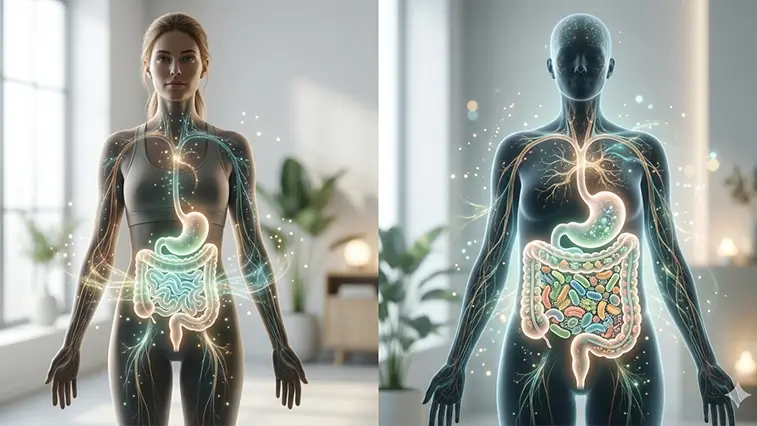
Probiotics benefits are among the most searched topics in gut health and digestion. These live microorganisms, often called “good bacteria,” may help support a balanced gut microbiome and improve certain aspects of digestion and immunity when used in the right strain and dose.
However, one key point must be clear: probiotics are not a magic solution for every digestive problem, and not every fermented food automatically counts as a probiotic. Their benefit depends on the strain, dose, product quality, and the person’s health status. This article explains probiotics in a simple, science-based way without overstated marketing claims.
To understand the full picture of gut health, you can also read Vitaminati’s article on the difference between probiotics, prebiotics, and postbiotics, because microbiome support does not depend on probiotics alone.
What Are Probiotics?
Probiotics are live microorganisms, such as certain bacteria and yeasts, that may provide a health benefit when consumed in adequate amounts. They are often found in some fermented foods and dietary supplements, but a product is not considered probiotic simply because it is “fermented” or contains bacteria.
To be a true probiotic, the product should contain a specific strain, in an appropriate amount, with a studied health benefit. Common genera used in probiotic supplements include Lactobacillus and Bifidobacterium, but benefits can differ from one strain to another even within the same genus.
How Do Probiotics Affect Gut Health?
The gut microbiome is a large community of microorganisms living inside the digestive tract. When this community is balanced, it may help support digestion, produce certain beneficial compounds, maintain the gut barrier, and interact normally with the immune system.
Some probiotic strains may support this balance through several mechanisms, including:
- Competing with some unwanted microorganisms in the gut.
- Supporting intestinal barrier function.
- Helping produce useful compounds such as certain organic acids.
- Supporting immune interaction within the gut.
- Helping restore balance after certain disruptions, such as antibiotic use.
Still, this does not mean everyone needs a daily probiotic supplement. In many cases, improving diet, gradually increasing fiber, reducing ultra-processed foods, and improving sleep may be more important than starting a new supplement.
Probiotics Benefits for Digestion
Digestive health is one of the most studied areas for probiotics. Some strains may help in specific situations such as antibiotic-associated diarrhea, certain IBS symptoms, and selected digestive discomforts. However, results are not the same for everyone.
Probiotics may support digestion by:
- Supporting a healthier balance of beneficial gut bacteria.
- Reducing bloating or gas in some people, depending on the strain.
- Helping reduce the risk of antibiotic-associated diarrhea in some groups.
- Supporting bowel regularity in some people as part of an appropriate nutrition plan.
If you have severe abdominal pain, persistent diarrhea, blood in the stool, unexplained weight loss, or a sudden change in bowel habits, probiotics should not be used as a substitute for medical evaluation.
Probiotics After Antibiotics
Antibiotics can affect beneficial bacteria in the gut along with the harmful bacteria they are targeting. For this reason, some people experience diarrhea or digestive discomfort during or after antibiotic use.
Some evidence suggests that specific probiotic strains may help reduce the risk of antibiotic-associated diarrhea, especially when used at the right time. However, this does not mean every probiotic supplement will provide the same result.
- Ask a doctor or pharmacist about the most suitable strain when using antibiotics.
- Leave a time gap between the antibiotic and probiotic if advised by a healthcare professional.
- Do not use probiotics instead of a prescribed antibiotic.
- Contact a doctor if diarrhea is severe or accompanied by fever or blood.
Probiotics and Immunity: What Is the Connection?
The gut and immune system are closely connected, because an important part of immune activity takes place in the digestive tract. For this reason, some probiotic strains may indirectly support immune balance through their effect on the microbiome and gut barrier.
However, phrases such as “guaranteed immunity boost” or “prevents infections” should be avoided. Probiotics may support some immune functions, but they do not prevent illness on their own and do not replace sleep, balanced nutrition, vaccines when needed, hygiene, or correcting clear nutrient deficiencies.
It is also helpful to connect gut health with fiber-rich nutrition. You can visit the prebiotics and fiber section to understand how fiber helps feed beneficial bacteria and support a healthier gut environment.
Probiotics and Mental Health: Can They Affect Mood?
Researchers often discuss the gut-brain axis, which refers to the ongoing communication between the digestive system and the nervous system. Some studies are exploring the role of probiotics, sometimes called “psychobiotics,” in mood and stress.
However, this area is still developing. Some findings are promising for certain strains and specific situations, but this does not mean probiotics treat anxiety or depression. If anxiety, depression, severe sleep disturbance, or emotional symptoms affect daily life, professional support should come first.
Can Probiotics Help With Weight Management?
The microbiome may be linked with metabolism and body weight, which is why researchers have studied the role of certain probiotic strains in appetite, low-grade inflammation, and insulin sensitivity. However, the evidence remains complex, and probiotics alone should not be presented as a weight-loss solution.
Weight management depends on a balanced diet, physical activity, enough sleep, stress management, and treating any medical causes when present. Probiotics may be supportive in some situations, but they are not a replacement for the fundamentals.
Best Food Sources of Probiotics
Probiotics can be obtained from some fermented foods, provided they contain active live organisms. Look for terms such as “live and active cultures” or similar wording on product labels.
- Yogurt: especially types that contain live and active cultures.
- Kefir: a fermented drink that may contain a wider microbial variety than traditional yogurt.
- Kimchi: fermented vegetables, though it may be high in sodium or too spicy for some people.
- Unpasteurized sauerkraut: usually needs to be unpasteurized to contain live organisms.
- Miso and tempeh: fermented soy products, though heat may reduce live organisms in some preparations.
Are All Fermented Foods Probiotics?
No. This is one of the most common misunderstandings. A food may be fermented but may not contain active live organisms by the time it is eaten, especially if it has been pasteurized or cooked at high heat. Some fermented foods also have not been studied as specific probiotic strains.
In other words, fermented foods may be part of a healthy diet, but they are only considered probiotics when they contain specific live microorganisms with demonstrated benefit at adequate amounts.
Probiotic Supplements: How to Choose the Right Product
If you are considering a probiotic supplement, do not rely only on the number of organisms or claims such as “billions of bacteria.” The strain, goal, product quality, and expiration date matter more.
- Strain name: look for a clear name, including genus, species, and strain when available.
- Dose: often listed as CFU, but the appropriate dose depends on the strain and goal.
- Expiration date: probiotics are live organisms and may lose potency over time.
- Storage method: some products need refrigeration, while others are shelf-stable.
- Health goal: choose the product based on the goal, such as digestion, antibiotic-associated diarrhea, vaginal health, or another specific use.
To understand how probiotic use can differ by body area and health goal, you can read Vitaminati’s article on vaginal probiotics and vaginal health support.
Who May Benefit From Probiotics?
Probiotics may be useful for some people, especially when there is a clear goal and a suitable strain. Their use may be discussed in situations such as:
- Mild and recurring digestive discomfort such as bloating or irregular bowel habits.
- Antibiotic use, especially when digestive upset happens repeatedly afterward.
- Low intake of fermented foods or interest in supporting the microbiome as part of a healthy diet.
- Some vaginal health situations, depending on the strain and evidence.
- Travel or major diet changes, while understanding that prevention is not guaranteed.
Who Should Use Probiotics Carefully?
Although probiotics are generally safe for healthy adults, they are not suitable for everyone. A doctor should be consulted before use in the following cases:
- Severe immune weakness.
- Use of immunosuppressive medications.
- Presence of a central venous catheter.
- Serious illness or intensive care admission.
- Premature infants.
- Pregnancy or breastfeeding when there are additional health conditions or multiple supplements.
- Complex chronic diseases or repeated infection history.
Common Myths About Probiotics
- Thinking all fermented foods are probiotics.
- Choosing a probiotic supplement without knowing the strain or goal.
- Expecting results within one or two days.
- Using probiotics instead of seeing a doctor when warning symptoms are present.
- Depending on probiotics while eating a low-fiber diet.
- Increasing the dose too quickly, which may cause gas or bloating.
How to Support Gut Health Beyond Probiotics
The best way to support the microbiome is not through supplements alone, but through balanced eating and lifestyle habits. Probiotics may add beneficial strains, but fiber and prebiotics feed the beneficial bacteria already living in the gut.
- Increase fiber gradually through vegetables, fruits, legumes, and whole grains.
- Try suitable fermented foods if you tolerate them.
- Drink enough water, especially when increasing fiber.
- Reduce excessive added sugars and ultra-processed foods.
- Prioritize sleep, because sleep affects immunity, metabolism, and gut health.
- Move regularly to support digestive and metabolic health.
FAQs
1. What are probiotics?
Probiotics are live microorganisms, such as certain bacteria and yeasts, that may provide a health benefit when taken in the right amount and strain.
2. What are the main benefits of probiotics?
Some strains may support microbiome balance, digestion, the gut barrier, and reduce the risk of certain types of diarrhea, especially antibiotic-associated diarrhea.
3. Do probiotics strengthen immunity?
Some probiotic strains may indirectly support immune function through the gut, but they do not prevent infections alone and do not replace a healthy lifestyle.
4. Can probiotics help IBS?
Some strains may help some people, but results vary. It is best to choose a product based on the strain and goal, with professional guidance when needed.
5. Can probiotics be taken daily?
Daily use may be suitable for some healthy people, but the need depends on the goal, health status, and product type.
6. How long do probiotics take to work?
Some people may notice changes within days, while others may need several weeks. Results depend on the strain, reason for use, and diet pattern.
7. Can probiotics cause bloating?
They may cause mild gas or bloating at first, especially when starting a supplement or increasing fermented foods. Tolerance often improves gradually.
8. Are probiotics safe for everyone?
They are generally safe for healthy people, but caution is needed for people with severe immune weakness, serious illness, premature infants, or those using immunosuppressive medications.
Conclusion
Probiotics may be a useful tool for supporting gut health, digestion, and immunity when the right strain is chosen and used within a healthy lifestyle. However, they are not a universal treatment, and not all fermented foods or supplements provide the same benefit.
Start with the basics: a fiber-rich diet, suitable fermented foods, good sleep, regular movement, and fewer ultra-processed foods. Probiotic supplements should be chosen based on the goal, strain, and health status, and it is best to consult a doctor or pharmacist if you have chronic conditions or take regular medications.
Trusted Scientific References
- NIH Office of Dietary Supplements: Probiotics Fact Sheet for Health Professionals
- NIH Office of Dietary Supplements: Probiotics Consumer Fact Sheet
- NCCIH: Probiotics — Usefulness and Safety
- ISAPP: Probiotics Definition and Scientific Criteria
- ISAPP Consensus Definitions: Probiotics, Prebiotics, Synbiotics, Postbiotics, and Fermented Foods
- Journal of Clinical Medicine: Health Benefits of Probiotics Review