Missed Periods Without Pregnancy: What Could Be Going On
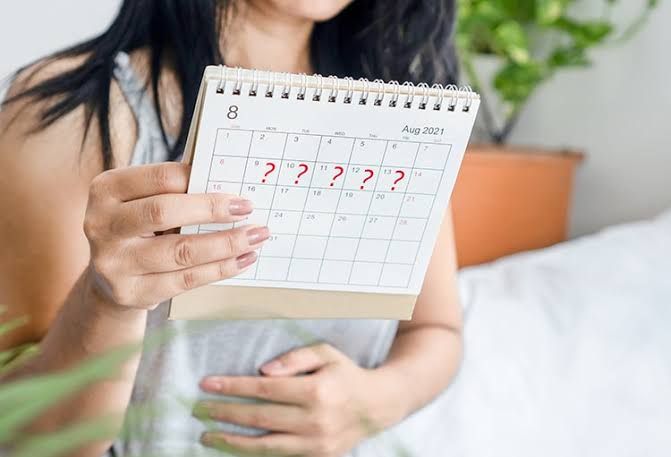
Your period is late, but your pregnancy test is negative. What could be causing it? Stress, changes in weight or exercise, thyroid disorders, and polycystic ovary syndrome (PCOS) are among the possible explanations.
Before exploring the causes, it helps to understand what an irregular period actually means. A menstrual cycle does not have to last exactly 28 days to be healthy, and being a few days late does not automatically indicate a medical problem.
Here is how to recognize an irregular cycle using American College of Obstetricians and Gynecologists (ACOG) guidance, understand the connection with PCOS and insulin resistance, and know when to seek medical evaluation.
What Is Considered an Irregular Period?
A menstrual cycle is counted from the first day of one period to the first day of the next, not from the day bleeding stops.
According to ACOG, most adult menstrual cycles last between 21 and 35 days. Menstrual bleeding itself typically lasts between two and seven days.
Irregular menstruation may include:
- Short cycles: Periods repeatedly occurring less than 21 days apart.
- Long cycles: Periods repeatedly occurring more than 35 days apart.
- Significant variation: Cycle lengths changing by more than 7 to 9 days between months.
- Very infrequent periods: Fewer than eight cycles per year, which can suggest ovulatory dysfunction.
For example, cycles of 27, 29, and 30 days are relatively consistent. But cycles of 25, 42, and 31 days suggest a more irregular pattern.
These adult ranges should not be applied without adjustment to girls who have recently started menstruating.
What Is a Normal Menstrual Cycle for Teenagers?
ACOG explains that menstrual cycles in adolescents commonly range from 21 to 45 days, particularly during the first years after menstruation begins.
However, a gap of 90 days between periods, even once, should be evaluated. A girl who has not started menstruating by age 15 should also receive medical assessment.
What Is the Difference Between a Late Period and Amenorrhea?
A late period means menstruation has not begun when expected. Sometimes, this simply happens because ovulation occurred later than usual.
Amenorrhea is the medical term for absent menstrual periods.
According to the American Society for Reproductive Medicine (ASRM), evaluation is recommended when periods have been absent for:
- Three months in someone whose cycles were previously regular.
- Six months in someone whose cycles were already irregular.
You do not need to wait that long if pregnancy is possible or you have other concerning symptoms.
What Causes Missed Periods When You Are Not Pregnant?
1. Stress and Major Life Changes
The hypothalamus, a part of the brain that helps regulate reproductive hormones, is sensitive to psychological and physical stress.
Major life changes, illness, prolonged stress, or significant disruptions to your routine can affect the hormonal signals responsible for ovulation.
When ovulation happens later than expected, menstruation may also be delayed.
However, recurring missed periods should not automatically be attributed to stress without considering other explanations.
2. Polycystic Ovary Syndrome (PCOS)
PCOS is a common cause of irregular or absent menstrual periods during the reproductive years.
It may interfere with regular ovulation, leading to long cycles, unpredictable periods, or several months without bleeding.
Other possible features include persistent acne and excess facial or body hair.
PCOS is a complex reproductive and metabolic condition, not simply a problem involving ovarian cysts. Its broader effects on reproductive hormones and metabolism are discussed in Vitaminati's article on PCOS, metabolic health, and lifestyle management.
Importantly, irregular periods alone are not enough to confirm PCOS. Diagnosis requires a clinical assessment and exclusion of other possible causes.
3. Insulin Resistance and Ovulation
Insulin resistance is common among women with PCOS, although not everyone with PCOS has the same degree of metabolic dysfunction.
Insulin is the hormone that helps cells use glucose from the bloodstream. When cells respond less effectively to insulin, the pancreas may produce more to compensate.
In some women with PCOS, higher insulin levels contribute to increased androgen production, which can interfere with normal follicle development and ovulation.
This connection helps explain why menstrual irregularity and metabolic problems sometimes occur together.
Understanding insulin resistance and its effects on blood sugar regulation is also relevant because PCOS is associated with an increased risk of impaired glucose tolerance and type 2 diabetes.
However, having a late period does not mean you automatically have insulin resistance.
4. Rapid Weight Changes, Undereating, or Intense Exercise
Rapid weight loss, restrictive eating, or intense exercise without sufficient nutritional intake can disrupt the hormonal signals required for ovulation.
In some cases, this leads to functional hypothalamic amenorrhea, where the brain reduces reproductive hormone signaling in response to inadequate energy availability or stress.
This can occur even in women who do not appear underweight.
5. Thyroid Disorders and High Prolactin
Both underactive and overactive thyroid conditions can affect menstrual regularity.
Elevated prolactin, a hormone normally associated with milk production, can also interfere with ovulation.
Depending on your symptoms, a healthcare professional may recommend thyroid and prolactin blood tests.
6. Hormonal Contraception and Perimenopause
Some hormonal birth control methods can make bleeding lighter or stop it entirely. This can be an expected effect of the method rather than a sign of illness.
During perimenopause, the transition toward menopause, menstrual cycles may also become less predictable.
However, periods stopping before age 40, particularly with hot flashes or vaginal dryness, should prompt consideration of primary ovarian insufficiency rather than being dismissed as ordinary perimenopause.
Does a Missed Period Mean You Did Not Ovulate?
Not always. Ovulation may simply have happened later than expected.
However, repeated long cycles or absent periods can suggest that ovulation is not occurring regularly.
This is particularly important if you are trying to conceive, because unpredictable ovulation can make identifying the fertile window more difficult.
In women with PCOS, treatment aimed at the underlying condition may improve menstrual and ovulatory patterns, but the appropriate approach varies.
When Should You Take a Pregnancy Test?
If pregnancy is possible, a home pregnancy test is an appropriate first step when your period is late.
Most tests are reliable from the first day of a missed period.
If you have irregular cycles and cannot predict your next period, the NHS recommends testing at least 21 days after the last episode of unprotected sex.
If the result is negative but pregnancy remains possible, repeat the test after a few days or seek medical advice.
When Should You See a Doctor About Irregular Periods?
Consider scheduling an appointment if:
- You have not had a period for three months without an obvious explanation.
- Your adult cycles repeatedly last fewer than 21 or more than 35 days.
- Irregular periods occur with acne, excess facial hair, or scalp hair thinning.
- You have experienced substantial weight loss or changes in eating or exercise habits.
- You develop hot flashes or other possible signs of low estrogen before age 40.
- You experience unusually heavy bleeding or bleeding between periods.
Seek urgent medical care if pregnancy is possible or confirmed and you develop severe pelvic pain, particularly on one side, unusual bleeding, marked dizziness, or fainting. These symptoms can indicate an ectopic pregnancy or another emergency.
How Do Doctors Investigate Missed or Irregular Periods?
Your healthcare professional will usually begin by reviewing your cycle history, medications, recent weight changes, exercise, stress, and other symptoms.
Depending on the findings, testing may include:
- A pregnancy test.
- Thyroid function (TSH) and prolactin tests.
- Hormone measurements such as FSH and estradiol.
- Androgen testing when PCOS is suspected.
- Pelvic ultrasound when clinically appropriate.
Women being evaluated for PCOS may also need blood glucose assessment and other metabolic screening.
However, routine fasting insulin testing is not recommended as a reliable standalone diagnostic test for insulin resistance in PCOS.
Can You Make Your Periods Regular Naturally?
The answer depends on why your periods are irregular.
Adequate nutrition, regular sleep, manageable exercise, and avoiding extreme dieting may help when lifestyle or energy availability contributes to menstrual disruption.
However, thyroid disease, elevated prolactin, PCOS, and other conditions may require specific medical treatments.
No single supplement, including magnesium or inositol, has been proven to correct every cause of irregular menstruation.
The Bottom Line
Not every late period indicates a medical problem. However, repeated cycles shorter than 21 days or longer than 35 days, substantial month-to-month variation, or months without menstruation deserve attention.
PCOS is an important potential cause, and insulin resistance may contribute to ovulatory dysfunction in some affected women.
Rather than trying unproven remedies to bring on a period, the most useful step is to track your cycles and investigate persistent changes with a healthcare professional.
Frequently Asked Questions
What is considered an irregular period?
According to ACOG, adult menstrual cycles typically last 21 to 35 days. Repeated cycles shorter than 21 days or longer than 35 days, or cycle lengths varying by more than 7 to 9 days between months, may indicate irregular menstruation.
How late can a period be without pregnancy?
A period may occasionally arrive several days late because ovulation occurs later than expected. Persistent irregularity or no period for three months after previously regular cycles warrants medical evaluation.
Can PCOS cause missed periods?
Yes. PCOS can interfere with regular ovulation, causing delayed, infrequent, or absent periods. However, irregular periods alone do not establish a PCOS diagnosis.
Can insulin resistance cause irregular periods?
In some women with PCOS, insulin resistance and higher insulin levels can influence androgen production and ovulation. However, insulin resistance is not the only possible explanation for irregular menstruation.
When should I see a doctor for a missing period?
Medical evaluation is generally recommended after three months without periods if cycles were previously regular, or six months if they were already irregular. Concerning symptoms such as severe pelvic pain or heavy bleeding require earlier assessment.
Can stress or exercise delay a period?
Yes. Significant stress, inadequate energy intake, or intense exercise can interfere with the hormonal signals controlling ovulation, causing delayed or missed periods.
Scientific References
- ACOG — Abnormal Uterine Bleeding.
- ACOG — Amenorrhea: Absence of Periods.
- ACOG — Menstruation in Girls and Adolescents.
- International Evidence-based Guideline for PCOS, 2023.
- ASRM — Current Evaluation of Amenorrhea, 2024.
- NHS — Doing a Pregnancy Test.
Medical disclaimer: This article is for educational purposes and does not replace medical advice. Consult a qualified healthcare professional about persistent missed or irregular periods. Do not use medications or supplements to induce menstruation without appropriate medical guidance.