Nettle Leaf: The Underrated Herb with Powerful Healing Properties
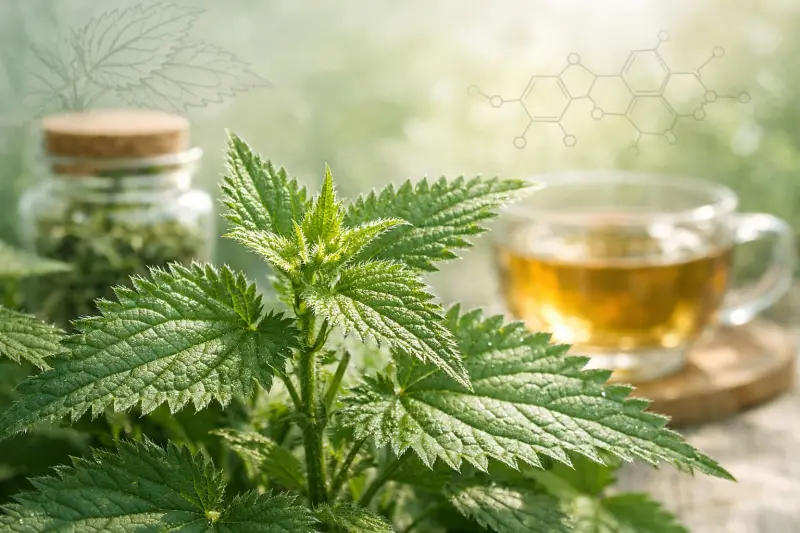
Nettle Leaf Benefits: Allergies, Joints, Hair, and Safety
Nettle leaf, also known as stinging nettle or Urtica dioica, is a traditional herb used in teas, foods, and herbal supplements. Although the fresh plant can sting the skin, dried or cooked nettle leaves are commonly used for general wellness, seasonal comfort, and herbal nutrition.
Nettle leaf benefits are often linked to its plant compounds, minerals, and antioxidant activity. However, nettle should be understood as a supportive herb, not a cure for allergies, anemia, arthritis, kidney problems, or hair loss. This guide explains what nettle leaf may support, how to use it, and when to be cautious.
Quick Summary: What Should You Know About Nettle Leaf?
- Nettle leaf comes from the stinging nettle plant, Urtica dioica.
- Fresh nettle can irritate the skin, while dried or cooked nettle is commonly used in teas and supplements.
- Nettle contains plant compounds such as flavonoids and polyphenols, plus minerals that vary by product and preparation.
- It may support seasonal comfort, joint comfort, and general wellness, but evidence is not strong enough to treat disease.
- It should not replace allergy medicines, arthritis care, iron deficiency treatment, or kidney-related medical care.
- It may interact with blood pressure medicines, diabetes medicines, diuretics, lithium, and blood thinners.
- Pregnant and breastfeeding women should avoid regular nettle supplement use unless advised by a healthcare professional.
What Is Nettle Leaf?
Nettle leaf is the leaf of the stinging nettle plant. The fresh plant has fine hairs that can release irritating compounds when touched, causing a temporary stinging or burning feeling on the skin. Once the leaves are dried, cooked, or processed, they are commonly used as herbal tea, capsules, powders, or extracts.
It is important to distinguish nettle leaf from nettle root. Nettle leaf is more often used in teas and general herbal wellness products, while nettle root is used in different preparations, often related to urinary or prostate-focused products. The two are not interchangeable.
If you are comparing traditional herbs, you may also find Vitaminati’s article on common yarrow and traditional herbal uses useful, especially because “natural” herbs can still have safety considerations.
What Nutrients and Plant Compounds Are Found in Nettle Leaf?
Nettle leaf contains a mixture of plant compounds and nutrients, although the exact amount depends on where it is grown, when it is harvested, how it is dried, and how it is prepared.
- Flavonoids and polyphenols.
- Minerals such as iron, calcium, magnesium, potassium, and zinc in variable amounts.
- Some vitamins and antioxidant compounds, depending on preparation.
- Other plant compounds that may explain some of its traditional uses.
Because the nutrient content varies, nettle tea or capsules should not be treated as a direct replacement for a diagnosed mineral deficiency or prescribed supplement.
Potential Nettle Leaf Benefits
1. Seasonal Allergy Support
Nettle leaf is often used in seasonal allergy products, especially for mild symptoms such as sneezing, runny nose, or itchy eyes. Some laboratory research suggests nettle extracts may influence allergy-related pathways, but human evidence remains limited and mixed.
For this reason, nettle should not be presented as a natural antihistamine that reliably replaces allergy medication. If allergy symptoms affect sleep, breathing, school, work, or daily life, medical advice is more appropriate than relying on herbs alone.
2. Joint and Muscle Comfort
Nettle leaf is sometimes discussed for joint and muscle comfort because it contains plant compounds with potential antioxidant and inflammation-related activity. However, this does not mean nettle treats arthritis or inflammatory joint disease.
If joint discomfort is persistent, swollen, warm, or limits movement, it should be evaluated by a healthcare professional. For another herbal article focused on joint comfort, read Vitaminati’s guide to turmeric for joints and daily mobility.
3. Urinary and Fluid Balance Support
Nettle leaf is traditionally used in some herbal products related to urinary flow and fluid balance. However, the phrase “detox” is not scientifically precise. The liver and kidneys already handle waste removal, and a healthy body does not need an herbal detox to function.
If you have kidney disease, heart disease, fluid retention, high blood pressure, or use diuretics, do not use nettle for urinary or fluid-balance purposes without medical guidance.
4. Iron, Energy, and Fatigue
Nettle leaf may contain some iron and other minerals, but it should not be used to treat iron deficiency or anemia. Iron deficiency requires proper testing, identifying the cause, and using a treatment plan that fits the person’s needs.
If fatigue, dizziness, pale skin, heavy periods, shortness of breath, or poor concentration are present, it is better to investigate the cause. Vitaminati’s article on iron deficiency symptoms in women explains signs that should not be ignored.
5. Hair, Skin, and Scalp Support
Nettle appears in some hair and skin products, especially shampoos and herbal scalp formulas. It may support the appearance of hair or scalp comfort for some people, but evidence is not strong enough to claim that nettle treats hair loss, dandruff, acne, or skin disease.
Hair and skin health depend on many factors, including protein intake, iron status, zinc, vitamin D, vitamin B12, biotin, hormones, stress, and scalp care. For a broader nutrient-focused article, see Vitaminati’s guide to biotin benefits for the body, hair, skin, and nails.
How to Use Nettle Leaf
Nettle leaf is available in several forms. The best option depends on the goal, tolerance, product quality, and whether you take medications.
- Nettle tea: A common and gentle form for general use.
- Capsules or tablets: Convenient, but concentration varies by product.
- Liquid extracts or tinctures: More concentrated and should be used according to the label.
- Powder: Sometimes added in small amounts to smoothies or recipes.
- Topical products: Used in some hair or skin products, but patch testing is recommended.
How to Choose a Nettle Leaf Product
Herbal supplements can vary widely in quality, source, and concentration. Choose products with clear labeling and avoid products that make exaggerated disease claims.
- Check whether the product uses nettle leaf, aerial parts, or root.
- Do not confuse nettle leaf with nettle root; they are used differently.
- Choose products from reputable manufacturers with clear ingredient information.
- Avoid claims such as “detoxes the kidneys,” “treats anemia,” or “cures allergies.”
- Start with a small amount if you are new to nettle and monitor tolerance.
Nettle Leaf Side Effects and Possible Interactions
Dried or cooked nettle may be tolerated by many people in moderate amounts, but side effects and interactions can occur, especially with concentrated extracts or regular supplement use.
- Stomach discomfort or mild nausea.
- Skin irritation, itching, or rash, especially from the fresh plant.
- Increased urination in some people.
- Possible effects on blood pressure or blood sugar.
- Possible interaction with diuretics, blood pressure medicines, diabetes medicines, lithium, and blood thinners.
- Unknown or insufficient safety during pregnancy and breastfeeding for supplement use.
This is similar to many herbal supplements: the form, dose, and concentration matter. For comparison, read Vitaminati’s article on turmeric side effects and usage precautions.
Who Should Avoid Nettle Leaf or Ask a Doctor First?
Ask a doctor or pharmacist before using nettle leaf supplements or concentrated extracts if any of the following apply:
- Pregnancy or breastfeeding.
- Kidney disease or a condition requiring fluid restriction.
- Heart disease or fluid retention.
- Use of blood pressure medicines or diuretics.
- Use of diabetes medications.
- Use of blood thinners or history of bleeding disorders.
- Use of lithium or multiple long-term medications.
- Known allergy to nettle or related plant products.
Is Nettle Leaf Safe During Pregnancy?
Regular nettle supplement use is best avoided during pregnancy unless a healthcare professional specifically approves it. Some sources advise caution because safety data are limited and certain preparations may not be appropriate during pregnancy.
Breastfeeding women should also ask a healthcare professional before using nettle regularly, especially if the baby is very young or the mother takes medication.
Common Mistakes When Using Nettle Leaf
- Using nettle instead of allergy medication when symptoms are moderate or severe.
- Trying to treat iron deficiency or anemia with nettle instead of testing and proper treatment.
- Relying on vague “detox” claims instead of evidence-based kidney and liver health habits.
- Using concentrated extracts while taking blood pressure, diabetes, diuretic, or lithium medications.
- Confusing nettle leaf with nettle root.
- Using nettle during pregnancy without medical approval.
- Ignoring symptoms such as rash, itching, dizziness, or stomach discomfort.
Frequently Asked Questions About Nettle Leaf
What are the main benefits of nettle leaf?
Nettle leaf may support general wellness, antioxidant balance, seasonal comfort, joint comfort, and urinary flow, but it should not be used as a disease treatment.
Does nettle leaf treat allergies?
No. Some people use it for mild seasonal symptoms, but evidence is limited and it should not replace allergy medication when symptoms are significant.
Is nettle tea safe to drink daily?
It may be suitable for some people in moderate amounts, but daily use is not appropriate for everyone, especially with kidney disease, pregnancy, or certain medications.
Does nettle leaf increase iron?
Nettle leaf may contain some iron, but it does not treat iron deficiency or anemia. Low iron should be confirmed and managed with medical guidance.
Is nettle leaf good for joints?
It may support joint comfort in some people, but it does not treat arthritis or replace evaluation for persistent joint pain, swelling, or stiffness.
Is nettle leaf good for hair?
Nettle is used in some hair products, but evidence is not strong enough to claim that it treats hair loss. Hair changes may need evaluation for nutrient, hormonal, or scalp causes.
What is the difference between nettle leaf and nettle root?
Nettle leaf is often used in teas and general herbal products, while nettle root is used in different formulas, often related to urinary or prostate-focused products.
Is nettle leaf safe during pregnancy?
It is best avoided as a supplement during pregnancy unless a healthcare professional approves it, because safety data are limited and preparations differ.
Conclusion
Nettle leaf is a traditional herb with interesting plant compounds and a long history of use in teas and herbal preparations. It may be useful for some people as part of a balanced wellness routine, especially when used moderately and realistically.
Still, nettle leaf benefits should not be exaggerated. It should not replace allergy medication, arthritis care, iron deficiency treatment, kidney-related medical care, or professional advice. If you take regular medication, are pregnant or breastfeeding, or have kidney, heart, blood pressure, or diabetes concerns, speak with a healthcare professional before using nettle leaf regularly.
This article is for general educational purposes only and does not replace medical advice. If you are pregnant, breastfeeding, have kidney or heart disease, or take blood pressure medicines, diabetes medicines, diuretics, lithium, or blood thinners, consult a healthcare professional before using nettle leaf.