Nettle Leaves: The Overlooked Herb with Amazing Healing Benefits
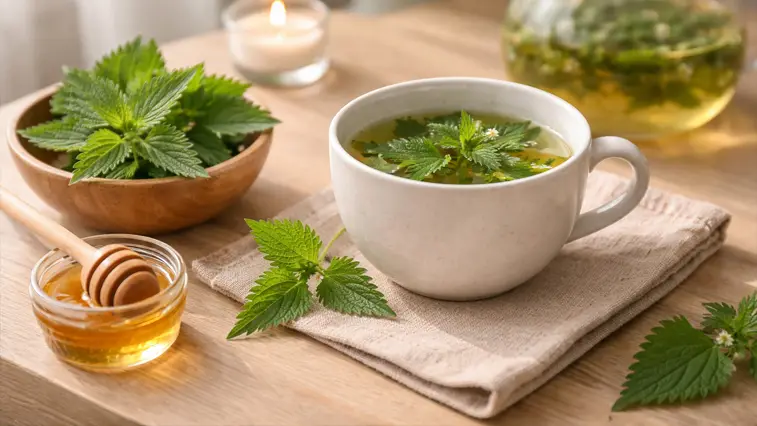
Nettle Leaf Benefits: A Traditional Herb With Nutritional Value and Important Safety Notes
Nettle leaf is a traditional herb that has been used for centuries, but modern interest in it is growing because of its plant compounds, minerals, and possible supportive role in wellness. Stinging nettle may help support seasonal allergy comfort, joint wellness, urinary tract flushing, and dietary iron intake, but it should not be treated as a cure or a replacement for medical care.
In this guide, you will learn what nettle leaf is, its potential benefits, how it is commonly used, and who should be cautious before taking it, especially during pregnancy or while using regular medications.
What Is Nettle Leaf?
Nettle leaf comes from the stinging nettle plant, scientifically known as Urtica dioica. It grows in many parts of the world, especially in moist and temperate regions. When touched fresh, the plant’s tiny hairs can cause a temporary stinging or irritating sensation on the skin.
However, drying, cooking, or preparing the leaves as tea reduces the stinging effect and makes the plant usable as a food or herbal preparation. This is why nettle leaf belongs to the wider category of herbs and botanical supplements that should be understood clearly before use, especially when taken as capsules or concentrated extracts.
What Nutrients Are Found in Nettle Leaf?
Nettle leaf contains several nutrients and plant compounds that make it an interesting botanical ingredient, including:
- Plant-based iron.
- Calcium.
- Magnesium.
- Vitamin C, depending on preparation and processing.
- Vitamin K.
- Polyphenols and flavonoids.
This nutrient profile does not mean nettle leaf can treat mineral deficiencies or anemia on its own. Instead, it may act as a supportive dietary addition within a balanced nutrition plan. To understand minerals more broadly, you can explore Vitaminati’s minerals guide.
Potential Nettle Leaf Benefits
1. Can Nettle Leaf Help With Seasonal Allergies?
Nettle leaf has traditionally been used to support people with seasonal allergy symptoms such as sneezing, itchy eyes, and runny nose. Some studies have explored nettle preparations for allergic rhinitis, but the evidence remains limited and is not strong enough to consider nettle a replacement for allergy medication.
For some people, nettle may be used as a supportive herbal option. However, if allergy symptoms are severe, persistent, or include wheezing, chest tightness, or breathing difficulty, medical evaluation is necessary.
2. Does Nettle Leaf Support Joint Comfort?
Nettle leaf contains plant compounds with antioxidant and anti-inflammatory properties in laboratory studies. This is one reason it has traditionally been linked to joint comfort and mild stiffness support.
However, nettle leaf does not treat arthritis and should not replace medical care. It may be considered part of a broader lifestyle approach that includes balanced nutrition, appropriate movement, and professional assessment when pain is ongoing. Readers interested in inflammation-related herbs may also review Vitaminati’s article on turmeric with black pepper.
3. Is Nettle Leaf Useful for Urinary Tract Support?
In European herbal references, nettle leaf is traditionally used to increase urine output and support flushing of the urinary tract in minor urinary complaints. This should not be described as “detoxing the body” in a marketing sense. More accurately, nettle may increase urination in some people.
This effect matters for safety. People taking diuretics, blood pressure medications, diabetes medications, lithium, or those with kidney disease should not use nettle without professional guidance.
4. Can Nettle Leaf Help Raise Iron Levels?
Nettle leaf contains plant-based iron, and it may also contain vitamin C depending on how it is processed or prepared. Vitamin C is known to improve the absorption of non-heme iron from plant foods.
Still, nettle leaf should not be used as a treatment for anemia or confirmed iron deficiency. If you experience ongoing fatigue, dizziness, hair shedding, paleness, or heavy menstrual bleeding, it is better to check iron and ferritin levels and speak with a healthcare professional. You may also read Vitaminati’s guide to iron deficiency symptoms, foods, and absorption.
5. Is Nettle Leaf Good for Hair and Skin?
Nettle extracts are used in some hair and skincare products because of their plant compounds and antioxidant content. Some people associate nettle with scalp comfort or healthier-looking hair, but clinical evidence for these beauty benefits remains limited.
For this reason, nettle is best viewed as a supportive ingredient within an overall healthy routine, not a direct solution for hair loss or skin problems. Noticeable hair shedding or sudden changes in skin or nails should be assessed for underlying causes such as iron deficiency, thyroid issues, or hormonal changes.
How Can Nettle Leaf Be Used?
Nettle leaf is available in several forms, and the best choice depends on the purpose of use and individual tolerance:
- Nettle tea: A gentle and common option for moderate daily use.
- Capsules or tablets: More concentrated and should be taken according to product instructions.
- Liquid extracts: Convenient but often concentrated, so they require extra caution.
- Powder: Can be added to smoothies or food in small amounts.
- Topical products: Used in some creams or hair products, but may irritate sensitive skin.
If you are new to herbs, herbal tea may be a simpler starting point than concentrated extracts. You can also compare other herbal drinks in Vitaminati’s guide to the best herbal teas for stress, digestion, and immunity.
Who Should Be Careful With Nettle Leaf?
Although nettle is used as both a food and an herbal supplement, it is not suitable for everyone. Speak with a doctor or pharmacist before using nettle if any of the following apply:
- Pregnancy or breastfeeding.
- Use of diabetes medications or blood pressure medications.
- Use of diuretics or lithium.
- Kidney disease or fluid/electrolyte disorders.
- Use of blood thinners or bleeding disorders, especially because nettle may contain vitamin K.
- Use in children, unless recommended by a healthcare professional.
Stop using nettle and seek medical advice if you experience unusual symptoms such as severe rash, dizziness, low blood pressure symptoms, significant stomach upset, or changes in urination.
Common Mistakes When Using Nettle
- Using it as a treatment for anemia: Nettle may support dietary intake, but it does not replace iron testing or medical treatment when needed.
- Taking concentrated extracts without checking the dose: Strength varies widely between products.
- Using it during pregnancy without medical guidance: This may be unsafe.
- Combining it with chronic medications without review: This is especially important for diabetes, blood pressure, and diuretic medications.
- Assuming “natural” always means “safe”: Herbs can be active and may interact with medications or health conditions.
Final Takeaway: Is Nettle Leaf Worth Trying?
Nettle leaf is a traditional nutritional herb rich in plant compounds and some minerals. It may be useful as a general supportive herb, especially as tea or as part of a balanced diet. However, it is not a treatment for allergies, anemia, arthritis, kidney problems, or any diagnosed condition.
The best approach is to use it responsibly: choose a reliable source, start moderately, and avoid it during pregnancy or when using chronic medications unless a healthcare professional approves. For more everyday herbal reading, you may also explore Vitaminati’s article on mint and its role in digestion and refreshment.
FAQs About Nettle Leaf
Is nettle tea safe to drink every day?
It may be safe for some adults when used moderately, but daily long-term use is not recommended without professional advice if you take medications or have a chronic condition.
Does nettle treat anemia?
No. Nettle may contain plant-based iron, but it does not treat anemia. Iron deficiency requires testing, medical assessment, and an appropriate plan.
Is nettle safe during pregnancy?
Nettle is generally not recommended during pregnancy unless specifically advised by a healthcare professional.
Can nettle help with allergies?
It may support some people with mild seasonal allergy symptoms, but evidence is limited and it should not replace prescribed allergy medication.
Can nettle cause side effects?
Yes. It may cause stomach upset, sweating, skin irritation when fresh, or interactions with certain medications.
What is the best way to take nettle?
For beginners, nettle tea may be simpler than concentrated extracts. Capsules should be used according to product directions and personal safety considerations.
Scientific References
- European Medicines Agency: Urticae folium / Nettle Leaf
- PubMed: Randomized double-blind study of freeze-dried Urtica dioica in allergic rhinitis
- NIH Office of Dietary Supplements: Iron Fact Sheet
- NIH Office of Dietary Supplements: Vitamin C Fact Sheet
Medical disclaimer: This article is for general educational purposes only and is not a substitute for medical advice. If you are pregnant, breastfeeding, have a medical condition, or take regular medications, consult a healthcare professional before using any herbal supplement.