Pneumonia: Causes, Symptoms, and Risk Factors
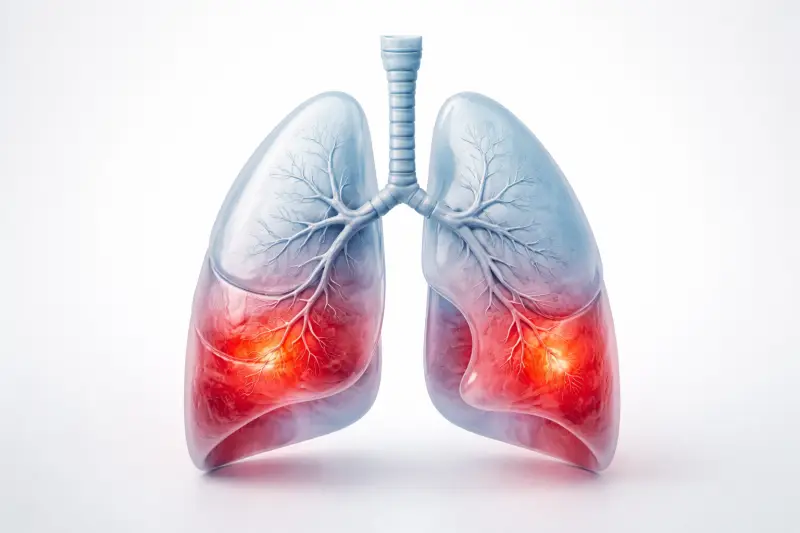
Pneumonia: Causes, Symptoms, Treatment, and Prevention
Pneumonia is an infection that affects the air sacs in one or both lungs. These air sacs may fill with fluid or pus, making breathing harder and causing symptoms such as cough, fever, chills, and chest pain.
Pneumonia can be mild in some people, but it can become serious or even life-threatening in young children, older adults, and people with chronic diseases or weakened immune systems.
In this article, we explain pneumonia causes, types, symptoms, complications, prevention, treatment options, and when to seek medical care. For related reading, you can also see Vitaminati’s guide on pneumonia causes, symptoms, treatment, and prevention tips.
What Is Pneumonia?
The lungs contain small air sacs called alveoli. During normal breathing, these sacs fill with air. In pneumonia, they may fill with fluid or pus, which can make it harder for oxygen to reach the body.
Pneumonia may be caused by bacteria, viruses, or fungi. Treatment and prevention depend on the cause, severity, age, and overall health of the patient.
| Key Point | What It Means |
|---|---|
| Area affected | The air sacs inside the lungs. |
| Common causes | Bacteria, viruses, fungi, and sometimes aspiration. |
| Common symptoms | Cough, fever, chills, shortness of breath, chest pain. |
| Higher-risk groups | Young children, older adults, people with chronic illness, and those with weakened immunity. |
Pneumonia Causes by Type
There is not one single cause of pneumonia. It may occur after a respiratory infection such as influenza or a cold, or it may be caused by specific bacteria, viruses, or fungi.
1. Bacterial Pneumonia
Bacterial pneumonia is an important type and may be severe enough to require medical treatment. One common cause is Streptococcus pneumoniae, also known as pneumococcus.
Bacterial pneumonia may start suddenly with fever, chills, cough with phlegm, and chest pain. It may require antibiotics if a healthcare professional determines that the cause is bacterial.
2. Viral Pneumonia
Viral pneumonia may be caused by viruses such as influenza, respiratory syncytial virus (RSV), or other respiratory viruses. Symptoms may be milder in some people but can become serious in young children, older adults, and people with chronic diseases.
Influenza can sometimes lead to pneumonia or make it easier for a bacterial infection to develop later. This is why flu prevention is important for respiratory health. You can read Vitaminati’s complete guide to influenza.
3. Fungal Pneumonia
Fungal pneumonia is less common in healthy people, but it may occur in people with weakened immune systems, such as some cancer patients, transplant recipients, or people living with HIV.
This type often needs careful medical evaluation because diagnosis and treatment differ from bacterial or viral pneumonia.
4. Atypical or Mycoplasma Pneumonia
Atypical pneumonia may be caused by Mycoplasma pneumoniae. It is often less severe than classic bacterial pneumonia and is sometimes called “walking pneumonia” because some people can continue daily activities while infected.
However, “mild” does not mean symptoms should be ignored, especially if cough persists or fever or shortness of breath develops.
| Type | Common Cause | Important Note |
|---|---|---|
| Bacterial | Pneumococcus and other bacteria | May require prescription antibiotics. |
| Viral | Influenza, RSV, and other viruses | Antibiotics do not treat viruses. |
| Fungal | Environmental or opportunistic fungi | More important in people with weakened immunity. |
| Atypical | Mycoplasma pneumoniae | May be milder but can persist and needs evaluation when symptoms continue. |
Pneumonia Risk Factors
Anyone can develop pneumonia, but some people are more likely to get it or experience complications.
| Risk Factor | Why It Increases Risk |
|---|---|
| Very young or older age | Immunity may be less developed in young children or weaker in older adults. |
| Chronic diseases | Conditions such as asthma, COPD, diabetes, heart disease, or kidney disease may increase risk. |
| Weakened immune system | May be due to immunosuppressive medications, cancer, transplant, or HIV. |
| Smoking | Damages lung defenses and increases susceptibility to infection. |
| Hospital stay | Risk can increase, especially with ventilator use or severe general illness. |
| Swallowing problems or aspiration | Food, liquid, or secretions may enter the lungs instead of the stomach. |
If you have a chronic lung condition such as COPD, your risk of respiratory infections may be higher. You can read Vitaminati’s guide on understanding COPD causes and lung health.
Pneumonia Symptoms
Pneumonia symptoms can vary depending on age, cause, severity, and immune status. Symptoms may begin mildly and then worsen gradually.
| Symptom | How It May Appear |
|---|---|
| Cough | May be dry or produce yellow, green, or sometimes blood-tinged phlegm. |
| Fever and chills | May occur with sweating or severe tiredness. |
| Shortness of breath | May happen with effort or even at rest in severe cases. |
| Chest pain | May worsen with deep breathing or coughing. |
| Fatigue and poor appetite | May affect daily activity and food intake. |
| Digestive symptoms | Nausea, vomiting, or diarrhea may occur, especially in children. |
| Confusion in older adults | May be an important sign, even when fever is less obvious. |
In children, warning signs may include fast breathing, difficulty feeding, unusual sleepiness, or chest retractions while breathing. These signs need prompt medical evaluation.
When Is Pneumonia Serious?
You should not wait if signs suggest low oxygen levels or worsening general condition.
| Warning Sign | Recommended Action |
|---|---|
| Severe shortness of breath or blue lips | Seek urgent medical care. |
| Severe or persistent chest pain | Needs immediate evaluation. |
| Persistent high fever or rapid worsening | Contact a doctor quickly. |
| Confusion or severe sleepiness | Especially important in older adults or children. |
| Coughing blood | Needs medical assessment. |
| Young children or weakened immunity | Medical review should not be delayed. |
Pneumonia Complications
If pneumonia is severe or not treated properly, it may lead to complications that require medical care.
| Complication | What Happens? |
|---|---|
| Pleural effusion | Fluid builds up around the lung, which may worsen breathing difficulty. |
| Lung abscess | A pocket of pus forms inside the lung and may need specialized treatment. |
| Acute respiratory distress syndrome | A serious failure of oxygen exchange that may require intensive care. |
| Sepsis | The infection spreads into the blood, which is a medical emergency. |
| Worsening chronic illness | Conditions such as heart failure, asthma, or diabetes may worsen. |
How Is Pneumonia Diagnosed?
Pneumonia cannot always be confirmed from symptoms alone, because cough and fever can occur with many respiratory illnesses.
A healthcare professional may use a physical exam, oxygen measurement, chest imaging, and other tests depending on the situation.
- Listening to the lungs with a stethoscope.
- Measuring blood oxygen levels.
- Chest X-ray when needed.
- Blood or sputum tests in some cases.
- Testing for influenza, COVID-19, or RSV depending on season and symptoms.
It is important to distinguish pneumonia from bronchitis because treatment and follow-up may differ. You can read Vitaminati’s article on effective treatment methods for bronchitis.
Pneumonia Treatment
Pneumonia treatment depends on the cause, severity, age, chronic diseases, and examination results.
| Type of Case | Possible Treatment | Important Note |
|---|---|---|
| Bacterial pneumonia | May require prescription antibiotics. | Complete treatment exactly as prescribed. |
| Viral pneumonia | Supportive care, and sometimes antiviral medication depending on the cause. | Antibiotics do not treat viruses. |
| Fungal pneumonia | Antifungal medications depending on diagnosis. | Often requires specialist evaluation. |
| Severe pneumonia | May require oxygen, fluids, or hospitalization. | Do not delay care if shortness of breath or low oxygen is present. |
Antibiotics should not be used without a prescription. The cause may be viral, and unnecessary antibiotic use may contribute to antibiotic resistance.
Pneumonia Prevention
Pneumonia risk can be reduced through daily prevention habits and appropriate vaccines for eligible groups.
| Prevention Method | How It Helps |
|---|---|
| Vaccination | Pneumococcal, influenza, childhood Hib, and pertussis vaccines may reduce some causes. |
| Handwashing | Reduces spread of respiratory germs. |
| Avoiding smoking | Protects the lungs’ natural defenses. |
| Covering coughs | Helps reduce spread to others. |
| Avoiding sick contacts when possible | Especially important for people with weak immunity or chronic illness. |
| Healthy lifestyle | Sleep, balanced nutrition, and movement support general immune function. |
Vaccine recommendations vary by age, country, health status, and vaccination history. Ask a doctor or pharmacist which vaccines are appropriate for you or your child.
Herbs and Supplements: Do They Treat Pneumonia?
Herbs and supplements do not treat pneumonia and should not replace antibiotics or medical care when these are needed.
Some options may support comfort or general immune health as part of a healthy routine, but they should not be used instead of diagnosis and treatment.
Herbs That May Support Respiratory Comfort
| Herb | Common Use | Important Caution |
|---|---|---|
| Eucalyptus | Used in some products to ease congestion and the feeling of clearer breathing. | Eucalyptus oil should not be taken by mouth and may not suit children or people with asthma. |
| Peppermint | Menthol may give a soothing feeling in the nose or throat. | It does not treat the infection and may irritate some people. |
| Ginger | A warm drink may support comfort and hydration. | May interact with blood thinners or upset the stomach in some people. |
| Garlic | Can be part of a healthy diet and is studied in immune and heart-health contexts. | Not a substitute for antibiotics and may interact with blood thinners. |
If you are interested in garlic from a heart-health and general wellness perspective, read Vitaminati’s article on garlic benefits for heart health.
Supplements That May Support General Immunity
| Supplement | Possible Role | What to Avoid |
|---|---|---|
| Vitamin C | Supports immune function, especially when dietary intake is low. | Does not treat pneumonia or replace medical care. |
| Vitamin D | Linked with immune function and may be important when deficiency is present. | High doses without testing may be harmful. |
| Zinc | Supports normal immune function. | Excess intake may cause side effects and interfere with copper and some medications. |
| Probiotics | Support gut health, which is part of overall immune balance. | Use caution in people with severely weakened immunity. |
For more on immune-supporting nutrients, read Vitaminati’s complete guide to vitamin C.
Tips for Recovery From Pneumonia
Recovery from pneumonia may take time. Fatigue or cough may continue for a while even after the infection improves. Follow your doctor’s instructions and do not stop treatment early without medical advice.
- Drink fluids regularly unless you have a medical reason to restrict fluids.
- Get enough rest and avoid heavy exertion early in recovery.
- Take medicines exactly as prescribed.
- Avoid smoking and secondhand smoke.
- Use a humidifier carefully and clean it regularly to prevent mold growth.
- Contact your doctor if cough worsens, fever returns, or shortness of breath increases.
If symptoms resemble other respiratory illnesses or occur after specific environmental exposure, a different evaluation may be needed. For example, see Vitaminati’s article on hantavirus symptoms, transmission, and prevention.
Conclusion
Pneumonia is a lung infection that may be mild or serious depending on the cause and the person’s health. Common symptoms include cough, fever, shortness of breath, and chest pain, but older adults and children may show different warning signs.
Prevention depends on appropriate vaccines, hand hygiene, avoiding smoking, and supporting overall health. Treatment depends on the cause; bacterial pneumonia may require antibiotics, while antibiotics do not treat viral pneumonia unless a bacterial infection or another reason is present.
Herbs and supplements may support comfort or general immunity, but they do not treat pneumonia. If warning signs appear, such as shortness of breath, chest pain, confusion, or persistent fever, medical care is necessary.
FAQs
1. What is pneumonia?
Pneumonia is an infection of the air sacs in the lungs. These air sacs may fill with fluid or pus, causing cough, fever, and difficulty breathing.
2. What causes pneumonia?
Pneumonia may be caused by bacteria, viruses, or fungi. Common causes include pneumococcus, influenza, RSV, and certain fungal infections in people with weakened immunity.
3. Is pneumonia contagious?
Some causes of pneumonia can be contagious, such as influenza, RSV, and certain bacteria. Hand hygiene, cough etiquette, and vaccines help reduce spread.
4. What are pneumonia symptoms?
Symptoms may include cough, phlegm, fever, chills, shortness of breath, chest pain, fatigue, and poor appetite. Confusion may appear in older adults.
5. When is pneumonia serious?
Pneumonia is more concerning when there is severe shortness of breath, chest pain, blue lips, confusion, persistent fever, coughing blood, or rapid worsening.
6. Does pneumonia need antibiotics?
Bacterial pneumonia may need antibiotics. Viral pneumonia usually does not respond to antibiotics. Treatment depends on medical evaluation.
7. Do herbs treat pneumonia?
No. Herbs do not treat pneumonia and should not replace medical care. Some warm drinks may support comfort only.
8. Do vitamin C or zinc prevent pneumonia?
Vitamin C and zinc support normal immune function, especially when intake is low, but they do not guarantee prevention and do not treat pneumonia.
9. How can pneumonia be prevented?
Prevention includes appropriate vaccines, handwashing, avoiding smoking, managing chronic conditions, balanced nutrition, and avoiding sick contacts when possible.
10. What is the difference between pneumonia and bronchitis?
Pneumonia affects the air sacs inside the lungs, while bronchitis affects the airways that carry air. Symptoms can overlap, so medical evaluation may be needed.
Related Articles on Vitaminati
- Pneumonia: Causes, Symptoms, Treatment, and Prevention Tips
- Influenza: A Comprehensive Guide
- Bronchitis: Effective Treatment Methods
- Understanding Tuberculosis: Symptoms, Treatment, and Prevention
- Hantavirus Symptoms, Transmission, and Prevention
- Complete Guide to Vitamin C
- Garlic Benefits for Heart Health
Health Disclaimer
This article is for general educational purposes only and does not replace medical or pharmaceutical advice. If you have shortness of breath, chest pain, persistent fever, weakened immunity, chronic disease, or severe symptoms, seek medical care. Do not use antibiotics or supplements to treat pneumonia without professional guidance.