Understanding Tuberculosis: Symptoms, Treatment and Prevention
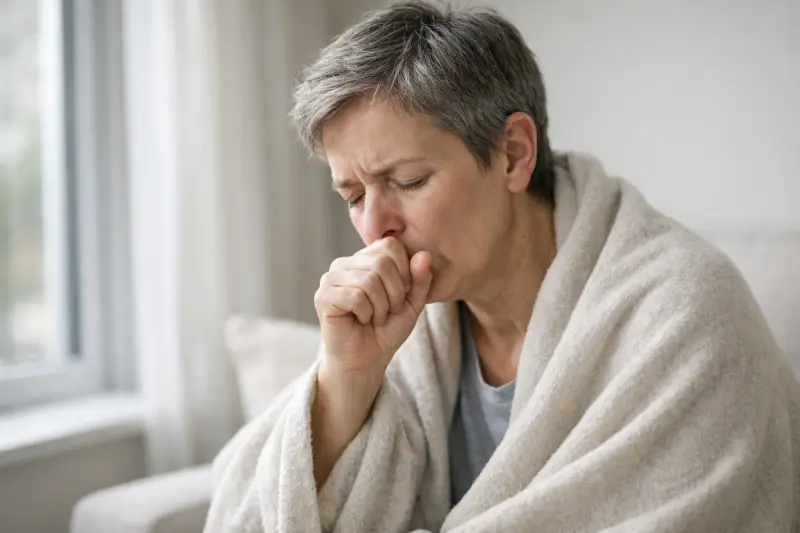
Tuberculosis: Symptoms, Causes, Treatment, and Prevention
Tuberculosis, or TB, is a bacterial infection most often caused by Mycobacterium tuberculosis. It usually affects the lungs, but it can also affect other parts of the body such as the lymph nodes, bones, kidneys, brain, or spine.
TB spreads through the air when a person with active TB disease in the lungs or throat coughs, sneezes, speaks, or sings. Early diagnosis and completing treatment are essential to protect both the patient and the people around them.
Although TB can be serious if left untreated, it is treatable in most cases when the correct medication plan is followed. This article explains TB symptoms, the difference between latent TB and active TB disease, risk factors, diagnosis, treatment, and prevention.
What Is Tuberculosis?
TB is an infectious disease caused by bacteria that spread mainly through airborne particles. When the bacteria reach the lungs, the immune system may control them without causing symptoms, or the infection may develop into active disease.
This is why it is important to understand two key forms of TB: latent TB infection and active TB disease.
| Type | What Happens? | Is It Contagious? |
|---|---|---|
| Latent TB infection | TB bacteria are in the body, but the person does not feel sick. | No, usually it cannot spread to others. |
| Active TB disease | The bacteria multiply and cause symptoms. TB may affect the lungs or other organs. | It may be contagious if it affects the lungs or throat. |
Latent TB can become active TB disease in some people, especially when the immune system becomes weaker. For this reason, healthcare professionals may recommend treatment for latent TB in people at higher risk.
For related reading, see Vitaminati’s article on tuberculosis causes, symptoms, and treatment.
How Does TB Spread?
TB spreads through the air. It does not usually spread through handshakes, sharing food, or touching surfaces.
Transmission happens when someone breathes in tiny airborne particles that contain TB bacteria from a person with active TB disease in the lungs or throat.
The risk is higher when someone spends a long time in a closed or poorly ventilated space with a person who has active TB and has not started effective treatment.
| Situation | Does It Increase TB Risk? |
|---|---|
| Living with someone who has untreated active pulmonary TB | Yes, especially with long exposure. |
| Closed, poorly ventilated spaces | Yes, because TB spreads through airborne particles. |
| Handshakes or sharing food | Not the usual way TB spreads. |
| Latent TB infection | No, latent TB usually does not spread to others. |
Tuberculosis Causes and Risk Factors
TB infection begins when Mycobacterium tuberculosis enters the body through the respiratory tract. However, not everyone who is exposed to TB bacteria develops active disease.
Whether TB becomes active depends on immune strength, duration of exposure, general health, and social or environmental factors.
| Risk Factor | Why It Increases Risk |
|---|---|
| Weakened immune system | Examples include HIV, some cancer treatments, organ transplant medications, or other immunosuppressive drugs. |
| Diabetes | May affect the body’s ability to fight infection. |
| Close contact with active TB | Increases the chance of breathing in TB bacteria, especially indoors. |
| Crowded living or working settings | Some shelters, prisons, and care facilities may increase exposure risk. |
| Malnutrition | May weaken general immune defenses. |
| Smoking, alcohol, or drug misuse | May harm lung health and immune function. |
| Older age | May be linked with weaker immune responses and chronic diseases. |
If you have a chronic disease such as diabetes, you may need closer follow-up after respiratory infections or TB exposure. You can read Vitaminati’s guide on type 2 diabetes causes, symptoms, prevention, and blood sugar control.
Active TB Symptoms
Latent TB usually causes no symptoms. Active TB disease, however, can cause symptoms that gradually develop and last for weeks.
In pulmonary TB, a persistent cough is one of the most important signs, especially when it lasts for three weeks or longer or occurs with phlegm or blood.
| Symptom | How It May Appear |
|---|---|
| Persistent cough | Often lasts 3 weeks or longer. |
| Coughing blood or sputum | Can occur in pulmonary TB and needs medical evaluation. |
| Chest pain | May worsen with coughing or deep breathing. |
| Unexplained weight loss | A classic warning sign of active TB. |
| Fever and night sweats | May happen repeatedly, especially at night. |
| Fatigue and weakness | May affect daily activity and appetite. |
| Loss of appetite | May occur with weight loss and tiredness. |
These symptoms can resemble other respiratory diseases, including pneumonia or bronchitis. Diagnosis requires medical evaluation and appropriate tests. You can also read Vitaminati’s article on pneumonia causes, symptoms, treatment, and prevention tips.
Can TB Affect Organs Outside the Lungs?
Yes. Although TB most often affects the lungs, it can spread to other parts of the body. This is known as extrapulmonary TB.
Symptoms vary depending on the organ affected, so cough may not always be the main symptom.
| Affected Area | Possible Symptoms |
|---|---|
| Lymph nodes | Often painless swelling in the neck or other areas. |
| Bones or spine | Chronic pain, stiffness, or movement problems. |
| Brain and meninges | Severe headache, fever, stiff neck, or neurological symptoms. |
| Kidneys or urinary tract | Pain or urinary changes depending on the case. |
| Pericardium around the heart | Rarely, may cause chest discomfort, shortness of breath, or heart-related symptoms. |
Complications of Untreated TB
Untreated TB can lead to serious complications and may spread to different organs. Delayed treatment also increases the risk of transmission if the disease is contagious.
| Complication | What May Happen? |
|---|---|
| Lung damage | Scarring and long-term breathing problems may occur. |
| Spinal TB | Can cause pain, stiffness, and spinal complications. |
| TB meningitis | A serious condition that may cause severe headache and neurological problems. |
| Kidney or liver involvement | Can affect organ function in some cases. |
| Spreading infection to others | Can happen with untreated active TB in the lungs or throat. |
How Is TB Diagnosed?
Symptoms alone are not enough to diagnose TB. A healthcare professional may use tests to determine whether a person has been infected and whether the infection is latent or active.
| Test | What It Helps Show |
|---|---|
| TB skin test | Helps identify whether the person has been exposed to TB bacteria. |
| TB blood test | Helps detect TB infection and may be preferred in some situations. |
| Chest X-ray | Helps evaluate possible active pulmonary TB. |
| Sputum testing | Looks for TB bacteria and may help guide treatment decisions. |
| Additional tests | May be needed if extrapulmonary TB is suspected. |
If you have a chronic cough, unexplained weight loss, or night sweats, do not delay testing, especially if you have a known exposure or risk factor.
Tuberculosis Treatment
TB treatment depends on the type of infection, the part of the body affected, drug susceptibility, and the patient’s health. Treatment usually requires several medicines and lasts for months.
The most important rule is to complete the full treatment plan. Stopping too early can allow TB to return or become drug-resistant.
| Condition | General Treatment Approach | Important Note |
|---|---|---|
| Latent TB infection | A healthcare professional may recommend preventive treatment to reduce the risk of active TB. | The decision depends on age, risk factors, and exposure history. |
| Active TB disease | Usually requires a combination of anti-TB medicines for several months. | Do not stop treatment even if symptoms improve. |
| Drug-resistant TB | Needs specialized treatment and may take longer. | Requires careful follow-up with an experienced medical team. |
Do not use antibiotics or other medicines on your own to treat TB. TB treatment must be prescribed and monitored by a healthcare professional.
Tuberculosis Prevention
Prevention focuses on reducing transmission, testing after exposure, treating latent TB when appropriate, and completing treatment for active TB disease.
| Prevention Method | How It Helps |
|---|---|
| Testing after exposure or risk | Helps detect latent or active TB early. |
| Treating latent TB when needed | May reduce the risk of developing active disease. |
| Completing active TB treatment | Supports recovery and reduces transmission. |
| Good ventilation | Reduces airborne concentration of infectious particles indoors. |
| Covering the mouth when coughing | Reduces spread of respiratory droplets and particles. |
| Avoiding close contact during infectious active TB | Important until the healthcare team says normal contact is safe. |
| BCG vaccine | Used in some countries, especially to protect children from severe forms of TB. |
BCG vaccine recommendations vary by country and TB exposure risk. Follow your national vaccination program and your doctor’s guidance.
Natural Herbs and TB: What Should You Know?
Herbs do not treat tuberculosis and cannot replace TB medication. Using herbs instead of medical treatment can be dangerous because it allows the infection to continue and spread.
Some herbs may be part of a comforting diet or warm-drink routine, but they do not kill TB bacteria or prevent complications.
| Herb | Common Use | Important Caution |
|---|---|---|
| Garlic | Used in food and studied in immunity and heart-health contexts. | Not a TB treatment and may interact with blood thinners. |
| Ginger | A warm drink may support general comfort. | Does not treat the infection and may upset the stomach or interact with some medications. |
| Turmeric | Contains curcumin, which is studied in inflammation research. | Should not be used instead of anti-TB treatment. |
| Eucalyptus | May give a feeling of easier breathing in some products. | Eucalyptus oil should not be taken by mouth and is not suitable for everyone. |
| Peppermint | May soothe throat irritation or congestion sensation. | Only offers symptom comfort and does not treat TB. |
If you are interested in garlic from a general heart-health angle, read Vitaminati’s article on garlic benefits for heart health.
Supplements and Tuberculosis
Some people with TB may need nutritional support, especially if they have weight loss, malnutrition, or nutrient deficiency. However, supplements do not treat TB and do not replace anti-TB medication.
The best decision depends on diet, tests, medications, overall health, and guidance from a doctor or pharmacist.
| Supplement or Nutrient | Possible Role | Important Note |
|---|---|---|
| Vitamin D | Supports normal immune function and may matter when deficiency is present. | High doses should not be taken without testing or professional guidance. |
| Vitamin C | Supports immune function and antioxidant defenses. | Does not treat TB or shorten the medical treatment plan. |
| Zinc | Supports normal immune function. | High doses may cause side effects and affect copper balance. |
| Probiotics | May support gut health, especially during some treatments. | Use caution in people with severely weakened immune systems. |
| NAC | May affect mucus thickness in some respiratory conditions. | Should not be used for TB treatment unless a healthcare professional recommends it. |
For more on immune-related nutrients, you can read Vitaminati’s complete guide to vitamin C.
Lifestyle During TB Treatment
Lifestyle habits do not replace treatment, but they can support recovery and help reduce transmission when the patient follows medical instructions.
- Take all TB medicines exactly as prescribed.
- Do not stop treatment when symptoms improve unless your doctor says so.
- Ask your doctor when it is safe to return to normal contact, work, or school.
- Eat enough food, especially protein and calories if you have lost weight.
- Drink enough fluids unless you have been told to restrict fluids.
- Get enough rest during the illness.
- Avoid smoking and alcohol because they may worsen lung and liver health.
- Tell your doctor immediately if you notice side effects from TB medicines.
Some TB medicines may affect the liver or interact with other medications, so follow-up visits and recommended blood tests are important during treatment.
When Should You See a Doctor?
You should seek medical evaluation if you develop persistent symptoms that could suggest TB, especially if you have a risk factor or known exposure.
| Situation | Recommended Action |
|---|---|
| Cough lasting more than 3 weeks | Book a medical appointment, especially if there is phlegm or blood. |
| Night sweats with weight loss | Needs medical evaluation. |
| Close contact with someone who has active TB | Ask a healthcare professional about TB testing even if you feel well. |
| Weakened immunity, HIV, or cancer treatment | Do not delay evaluation for persistent respiratory symptoms. |
| Severe shortness of breath, chest pain, or clear coughing of blood | Seek urgent medical care. |
Conclusion
Tuberculosis is a serious bacterial infection, but it is preventable and treatable. It most often affects the lungs and may cause chronic cough, fever, night sweats, weight loss, and fatigue.
Understanding the difference between latent TB and active TB disease is essential. Latent TB usually causes no symptoms and is not contagious, while active TB in the lungs may spread to others and needs full treatment.
Herbs and supplements may support comfort or nutrition in selected cases, but they do not treat TB and cannot replace TB medicines. Early diagnosis, completing treatment, and preventing transmission are the foundation of TB control.
FAQs
1. What is tuberculosis?
Tuberculosis is a bacterial infection most often caused by Mycobacterium tuberculosis. It usually affects the lungs but can affect other organs.
2. Is TB contagious?
Active TB disease in the lungs or throat can be contagious and spreads through the air. Latent TB infection is usually not contagious.
3. What is the difference between latent TB and active TB?
Latent TB means the bacteria are present but not causing symptoms and usually cannot spread. Active TB means the bacteria are causing illness and may spread if the lungs or throat are affected.
4. What are TB symptoms?
Symptoms may include a cough lasting more than 3 weeks, coughing blood or sputum, chest pain, weight loss, fatigue, fever, night sweats, and loss of appetite.
5. How is TB diagnosed?
Diagnosis may involve a TB skin test or blood test, chest X-ray, sputum testing, and other tests depending on symptoms and whether TB outside the lungs is suspected.
6. Can TB be treated?
Yes. TB can usually be treated with anti-TB medicines, but treatment takes several months and must be completed as prescribed.
7. Do herbs treat TB?
No. Herbs do not treat tuberculosis and should not replace medical treatment. Using herbs instead of TB medicines can be dangerous.
8. Do vitamin D or vitamin C help TB patients?
Vitamins may matter when there is deficiency or poor nutrition, but they do not treat TB and cannot replace anti-TB medicines.
9. How can TB be prevented?
Prevention includes testing after exposure, treating latent TB when needed, good ventilation, covering coughs, completing treatment for active TB, and following local BCG vaccine guidance.
10. When should I see a doctor?
See a doctor if you have a cough lasting more than 3 weeks, night sweats, unexplained weight loss, coughing blood, or close contact with someone who has active TB.
Related Articles on Vitaminati
- Tuberculosis: Causes, Symptoms, and Treatment
- Understanding Tuberculosis: Symptoms, Treatment and Prevention
- Pneumonia: Causes, Symptoms, Treatment, and Prevention Tips
- Influenza: A Comprehensive Guide
- Bronchitis: Effective Treatment Methods
- What Is HIV?
- Complete Guide to Vitamin C
Health Disclaimer
This article is for general educational purposes only and does not replace medical or pharmaceutical advice. If you have persistent cough, coughing blood, night sweats, unexplained weight loss, or close contact with someone who has active TB, seek medical evaluation. Do not use herbs, supplements, or antibiotics to treat TB without professional guidance.